Quick answer
Choose universal IEMs if you want immediacy, shareability, and lower cost. Choose custom IEMs if you need a perfect seal for long sessions or critical monitoring.
Fit and comfort: the core difference
Universal IEMs use standard ear tips to create a seal. They work well for most people but may not fit every ear shape equally. Custom IEMs are molded to your ear canal, offering a more consistent seal and comfort for extended wear.
If you plan to share IEMs or use them with multiple listeners, universal is the practical choice. Custom IEMs are personal and cannot be shared.
Sound isolation and consistency
A custom shell blocks more external noise because it matches your ear exactly. This can improve bass response and detail retrieval. Universal IEMs rely on tip selection to achieve isolation, which may vary between users.
For critical listening or live monitoring, the consistent seal of custom IEMs is a clear advantage. For casual listening on the go, universal IEMs with foam tips already provide good isolation.
Cost and turnaround time
Universal IEMs are generally less expensive and available immediately. Custom IEMs require an ear impression, a longer wait, and a higher price. The custom process adds weeks to delivery and cannot be rushed.
If you need a working set today or have a strict budget, universal IEMs are the better option. If you can wait and invest more, custom IEMs can offer a superior fit.
Decision rules: universal vs custom IEMs
- Shareability: Will others use your IEMs? Universal IEMs can be shared with different ear tips. Custom IEMs are one-person only. If you share, choose universal.
- Fit consistency: Do you have unusually shaped ear canals or struggle with tip fit? Custom IEMs eliminate tip selection issues. If tip fit is a problem, custom may be worth the investment.
- Budget and timeline: Universal IEMs cost less and ship immediately. Custom IEMs require an ear impression and weeks of waiting. If you need IEMs now or have a tight budget, universal is the practical choice.
- Sound isolation needs: For loud stages or noisy commutes, custom IEMs provide superior passive isolation. Universal IEMs with foam tips are a close second. For critical isolation, custom is better; for everyday use, universal with foam tips works well.
Universal IEM examples from 64 Audio
-
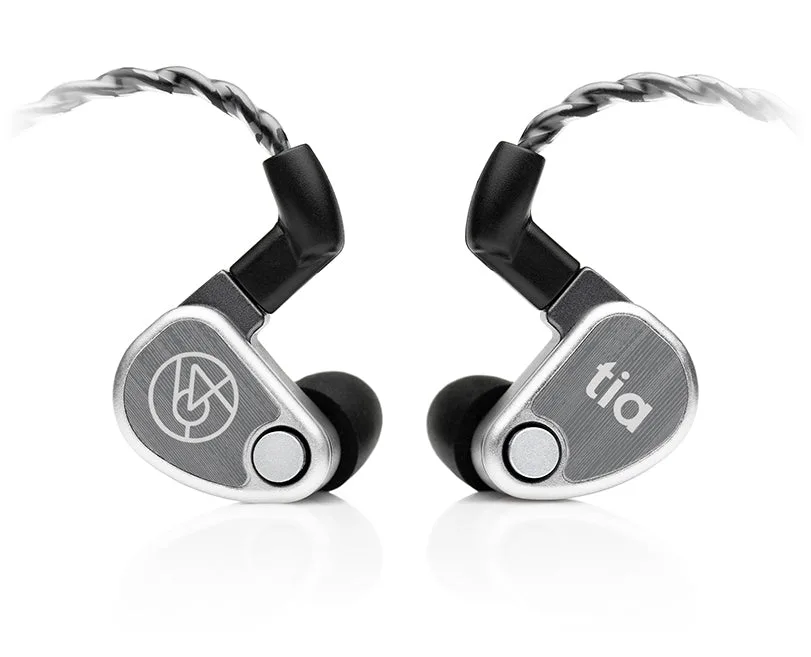
U12t V1: The 64 Audio U12t V1 is a universal-fit in-ear monitor with 12 balanced armature drivers. It delivers high-resolution sound without requiring a custom mold, making it ideal for listeners who want reference tuning in a ready-to-use form.
U12t V1
-
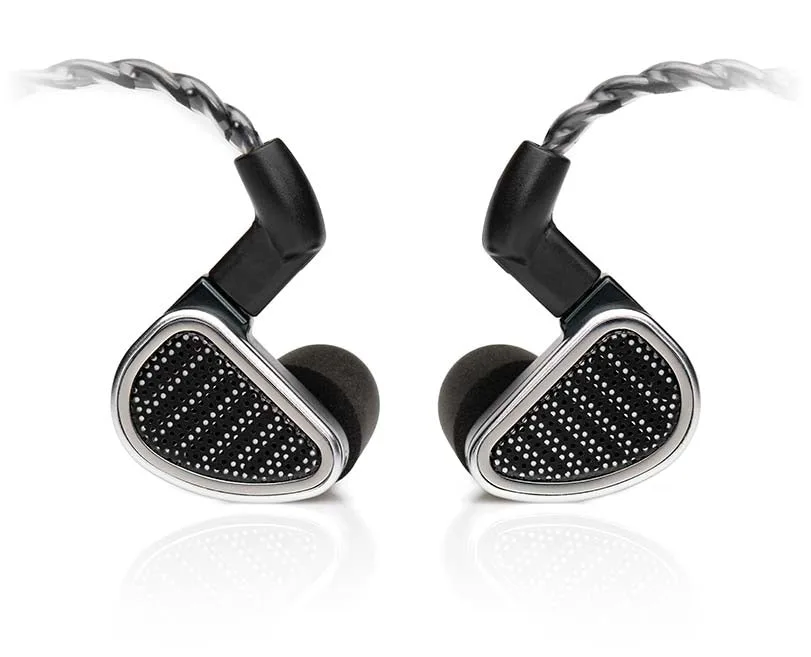
Duo: 64 Audio’s Duo is a dual-driver hybrid universal IEM built with the complete Tia System and Apex Core. It offers 64 Audio’s signature balanced sound with advanced acoustic technology, all in a universal shell that fits a wide range of ears.
Duo
Which should you choose?
Best for
- Listeners who want immediate availability and lower cost
- Those who share IEMs with bandmates or family
- Casual listeners who don't need perfect isolation
Not ideal for
- Professionals who need a perfect seal for long monitoring sessions
- Users with unusual ear anatomy that standard tips cannot fit