Quick answer
They solve different problems, so most people don't need both at once. Base bushings anchor the shifter assembly to the chassis and remove the rubbery squirm you feel under load; upper rods change what you touch and see at the knob. If your shifter feels vague and moves around when you push it, start with the bushings. If the mechanism already feels tight but the knob itself feels cheap or sits at the wrong height, start with the rods.
What each part actually changes
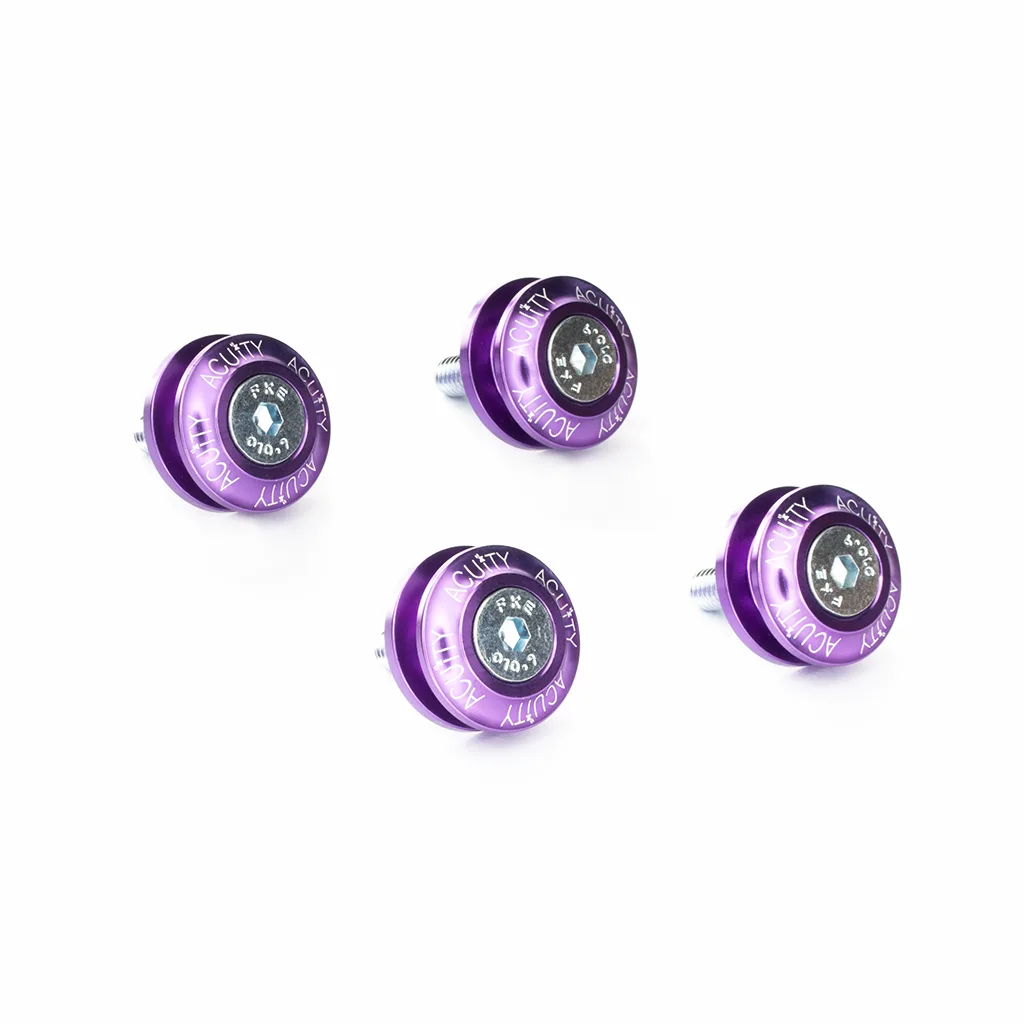
The 1914 Shifter Base Bushings replace the OEM rubber base bushings with solid aluminum and include four upper bushings, four lower bushings, and four class 12.9 M6 mounting bolts. Because the OEM parts are compliant rubber, leverage multiplies even a small amount of flex into noticeable movement at the knob. Locking the base down with solid aluminum removes that compliance at the mounting point, which is why this is the first thing to address when the whole assembly feels loose rather than just the knob feeling wrong.
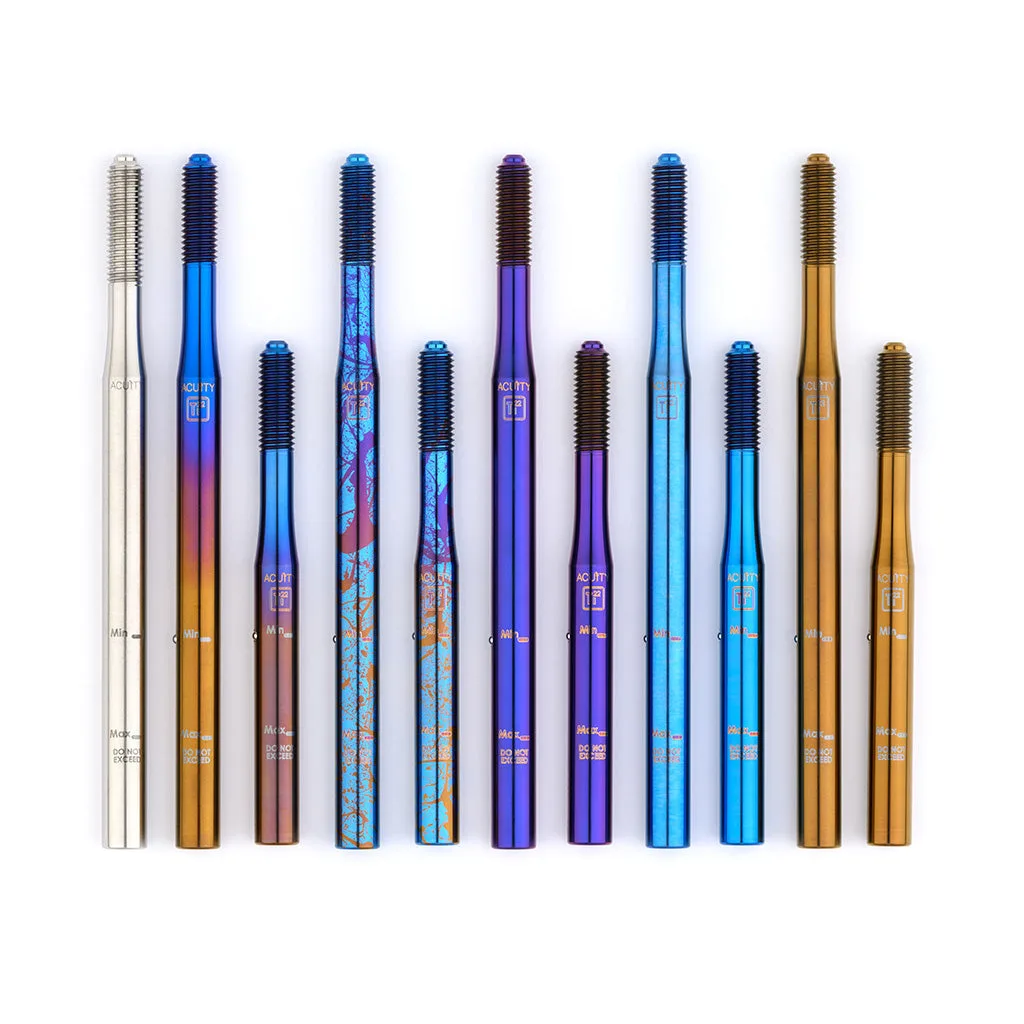
Premium Upper Rods sit higher in the linkage and change the part your hand actually contacts. Titanium variants use Grade 5 titanium with an anodized finish; the stainless variant uses 304 stainless steel with an as-machined finish. Both carry laser-marked logos, graduations, and numbering, plus rolled threads and an integrated depth stop. The graduations and depth stop matter more than they sound: they let you set and repeat a specific rod height instead of eyeballing it, so a height change is a measurement rather than a guess.
How to diagnose which one your car needs
Grab the shift knob and push it side to side, then front to back, with the car stationary. If the entire shifter housing rocks or squirms along with the knob, the base bushings are the weak point and the rods won't fix it. If the housing feels planted but the knob has slop, wobble, or a hollow feel in your hand, the rods are the more direct fix.
A second test is repeatability. Run the shifter through the gears a few times and note whether the knob returns to the same spot each time. Base bushing compliance tends to shift the whole gate pattern around; rod wear or a loose rod tends to change the feel at the knob without moving the gate. That distinction is the fastest way to avoid buying the wrong part first.
Where the money goes further
The 1914 Shifter Base Bushings are the lower-cost entry point, and they address the foundation the rest of the linkage is built on. If you plan to add a short shifter later, doing bushings first means the new shifter is mounted to a solid base instead of rubber, so you feel the shifter's own changes rather than a mix of shifter and chassis flex.
Premium Upper Rods are the better spend when the base is already sorted and you want to tune the interface. Because height is an available option and the rods carry graduations, they're also the part to buy if you're chasing a specific knob position rather than a general tightening-up.
Doing both, and in what order
If you do want both, do the bushings first. They change the reference point for everything above them, so any rod height you set before the bushings go in may need to be redone afterward. Doing bushings first also means you can evaluate the rods on their own merits instead of trying to separate two changes at once.
One honest limitation: ACUiTY's catalog doesn't publish a combined weight, durometer, or measured deflection figure for either part, so you can't compare them on a single number. Judge them by what they replace and where they sit in the linkage, not by a spec sheet that doesn't exist.
Trade-offs at a glance
- Base bushings: maximum effect per dollar, zero adjustability: Solid aluminum removes the rubber compliance the OEM bushings introduce, but once installed there's nothing to tune. You get a firmer, more consistent base and no way to dial the feel in or out. Best first purchase if the whole shifter assembly feels loose.
- Upper rods: tunable and visible, but not a foundation fix: Height options plus laser-marked graduations let you set a repeatable knob position, and the titanium or stainless finish is a cosmetic upgrade. None of that compensates for a base that's still flexing on rubber. Best second purchase, or first if your base is already solid.
- Short shifter: changes the geometry, not the play: A 30%-45% throw reduction and 20%-35% gate spacing reduction change how far you move the lever. They don't remove compliance or fix knob feel, so pairing one with worn rubber bushings leaves you feeling the bushings through the new shifter. Do bushings before or with a short shifter, not after.
Product facts
- Premium Upper Rods: Titanium variants are Grade 5 titanium with an anodized finish; the stainless variant is 304 stainless steel with an as-machined finish. Both have laser-marked graduations and numbering, rolled threads, and an integrated depth stop. The graduations and depth stop let you set and repeat a specific rod height, which turns knob position into a measured setting rather than a guess.
- 1914 Shifter Base Bushings: Replaces the OEM rubber base bushings with solid aluminum and includes four upper bushings, four lower bushings, and four class 12.9 M6 mounting bolts. This is a complete, bolt-in hardware set, so you aren't hunting for fasteners and you're removing the compliance at the exact point where leverage amplifies it.
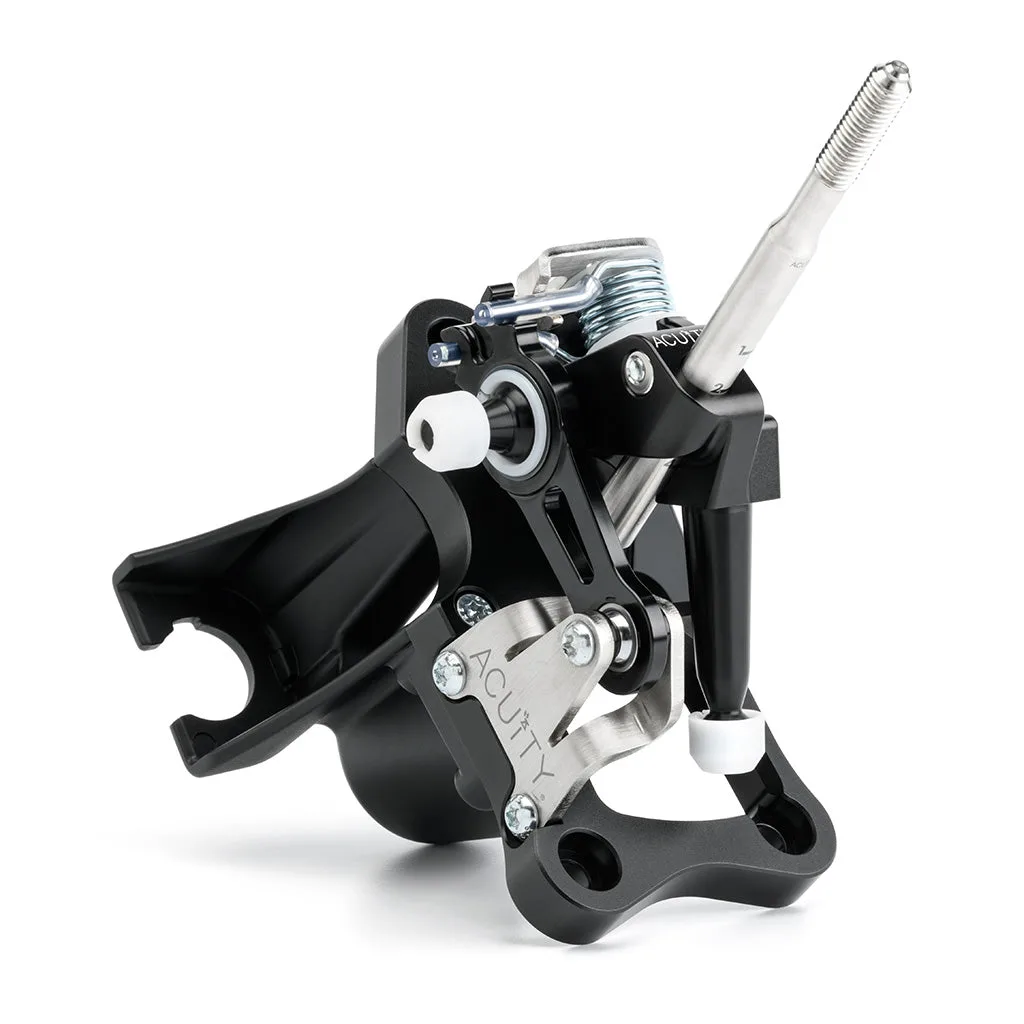
- 1-Way Adjustable Performance Shifter for the 8th Gen Civic: Reduces gear throw by 30%-45% and gate spacing by 20%-35% depending on height adjustment, with a 30mm (1.2") knob height range and a 100% increase in spring force over stock. If you want a shorter throw rather than just less play, neither rods nor bushings deliver that on their own, so this is the part that changes the geometry.
Which should you buy first?
Buy base bushings first if
- Your shifter housing rocks or squirms when you push the knob side to side
- The car is stock and you want the single biggest reduction in shifter play for the least money
- You're planning a short shifter later and want a solid base to mount it to
Skip to upper rods if
- The base already feels planted and the problem is knob feel, wobble, or position
- You specifically want a repeatable, measured knob height using the laser graduations
- You're chasing a cosmetic or tactile upgrade at the knob rather than a structural fix