Quick answer
Hang your Urahara wall art at eye level in a spot that gets indirect light, using the right hardware for your wall type. Plan placement before you drill, and keep the acrylic panel away from heat and moisture.
Why placement matters for acrylic panels
Acrylic wall art is lighter than glass but still benefits from thoughtful placement. Direct sunlight can fade printed colors over time, and damp rooms like bathrooms can affect the panel's finish. Choose a wall that receives soft, indirect light and stays dry.
Eye level is a reliable starting point: the center of the artwork should sit around 57–60 inches from the floor. In rooms where people mostly sit, such as a living room or home office, lower it slightly so it feels connected to the furniture.
Match the hardware to your wall
The right hanging method depends on your wall material. Drywall accepts self-drilling anchors or toggle bolts; masonry needs a masonry bit and wall plugs; wood paneling can take a screw directly. Never guess—if you are unsure, use a stud finder or ask your landlord or a hardware store for advice.
Damage-free options like adhesive strips work for lightweight art, but check the weight rating on the packaging. Acrylic panels are relatively light, yet a falling print can still mark the wall or break, so always follow the manufacturer's weight limits.
Room-by-room placement ideas
In a bedroom, place the print above a dresser or beside the bed where you see it when you wake up. In a living room, it can anchor a gallery wall or sit above a sofa. Avoid hanging it directly above a radiator, fireplace, or anywhere steam and heat collect.
For a gaming setup, position the art behind the monitor or on the side wall so it does not compete with screen glare. Keep cables and RGB lighting away from the panel to avoid visual clutter and heat exposure.
Step-by-step hanging process
- Choose the wall and mark the height: Use a tape measure to mark the center point at 57–60 inches from the floor. Hold the panel in place and step back to check the view from where you will usually look at it. Checkpoint: confirm the spot gets indirect light and is away from heat or moisture.
- Test the wall material: Knock gently or use a stud finder to identify drywall, masonry, or wood. Select anchors or screws rated for that material and for the panel's weight. Common mistake: using the wrong anchor type, which can crack masonry or pull out of drywall.
- Install the hanging hardware: Drill pilot holes at your marked points, insert anchors, and screw in the hooks or bracket. Keep the drill level to avoid crooked placement. Checkpoint: make sure the hardware sits flush and can hold the panel securely before hanging.
- Hang and level the panel: Attach the panel to the hardware, then place a spirit level on top to check it is straight. Adjust as needed by loosening and retightening the screws slightly. Common mistake: skipping the level check, which leaves the art visibly tilted.
- Clean and maintain: Dust the acrylic with a soft microfiber cloth. For smudges, use a mild soap solution and avoid ammonia-based cleaners, which can cloud the surface. Checkpoint: never spray liquid directly onto the panel; apply cleaner to the cloth first.
Product facts
-
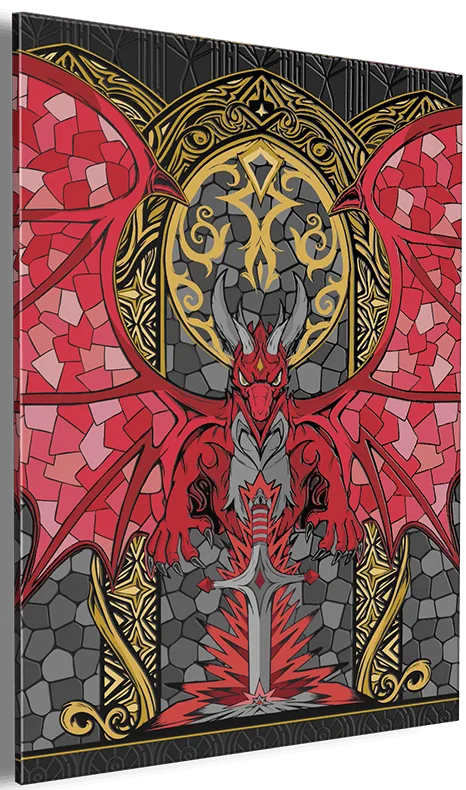
Urahara - Bleach: Thousand-Year Blood War Wall Art: Collectible and swappable acrylic wall art panel with high-quality detail and finish. The swappable design means you can change the display without removing the hanging hardware, so choose a spot you can reuse.

Urahara - Bleach: Thousand-Year Blood War Wall Art