Thick, discolored, or brittle nails can be more than a cosmetic concern—they often signal an underlying issue like fungal infection, psoriasis, or repeated trauma. Many people struggle with nail health but feel overwhelmed by treatment options. One ingredient that stands out for its effectiveness and gentleness is urea, particularly in the form of a urea nail gel.
This guide explains what urea nail gel is, how it works to soften and repair damaged nails, and how to incorporate it into your nail care routine. Whether you're dealing with nail fungus, thickened toenails, or simply want stronger nails, understanding urea's role can help you make an informed choice.
What Is Urea Nail Gel and How Does It Work?
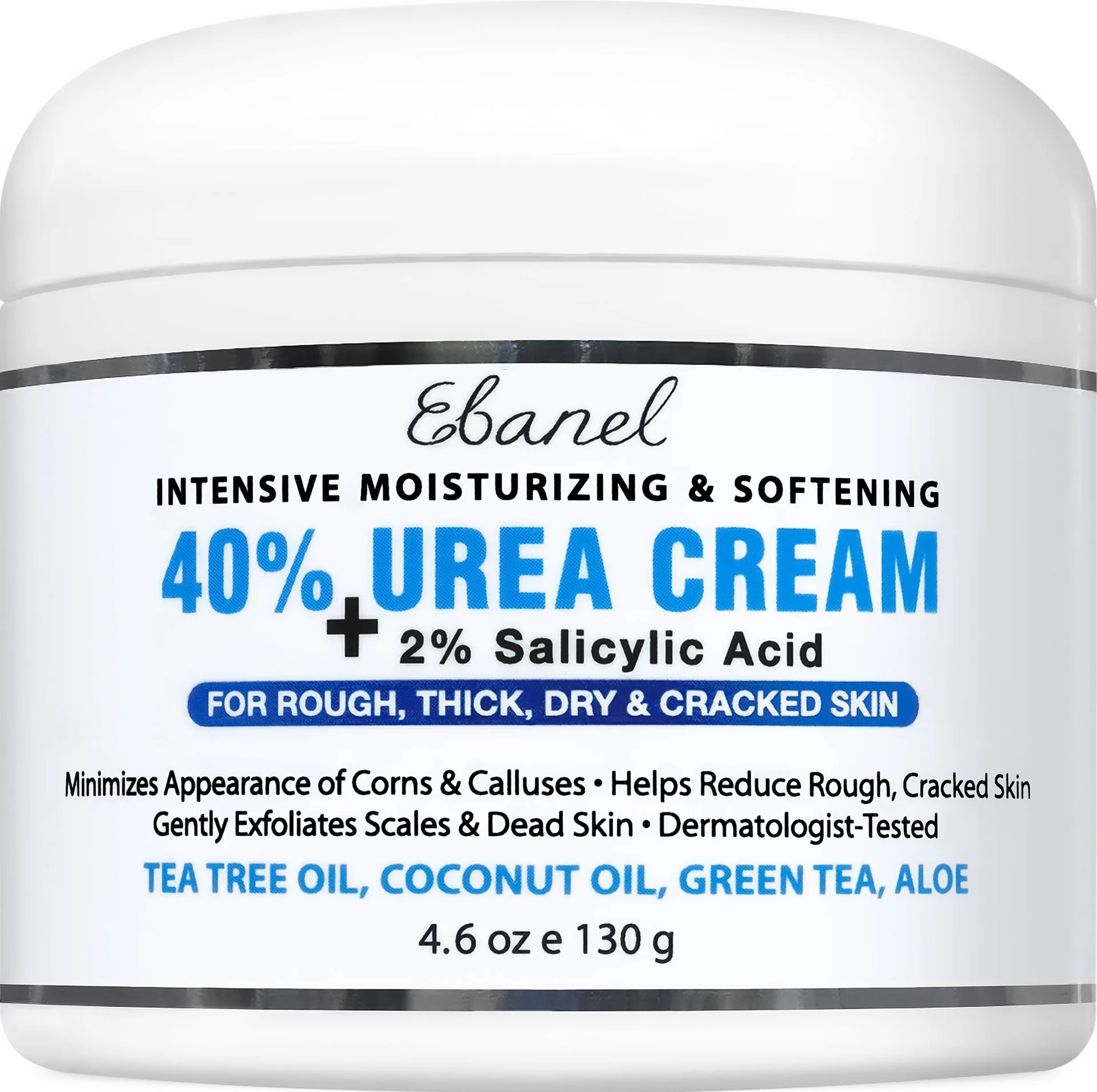
Urea is a naturally occurring compound that acts as a humectant and keratolytic agent. In nail care, urea nail gel is formulated with a high concentration of urea—typically 20% to 40%—to soften and break down the hard, thickened keratin that builds up on damaged nails. This makes it easier to trim, file, and maintain nails that have become thick due to fungal infections, injury, or conditions like psoriasis.
When applied to the nail plate and surrounding skin, urea draws moisture into the nail bed, hydrating and loosening the dense layers of keratin. Over time, this reduces nail thickness and improves flexibility, reducing discomfort from pressure inside shoes or from nail clippers. Urea also has mild antifungal properties, making it a valuable adjunct in treating nail fungus when combined with other antifungal agents.
- Softens thick nails for easier trimming and reduced pain
- Hydrates dry, brittle nail beds and cuticles
- Enhances penetration of antifungal medications when used together
Benefits of Using Urea Nail Gel for Damaged Nails
Urea nail gel offers multiple benefits beyond simple softening. For people with nail fungus, regular application can help the antifungal agent reach deeper layers of the nail. It also reduces the risk of secondary bacterial infections by keeping the nail bed hydrated and less prone to cracking. Additionally, urea's gentle exfoliating action can help remove dead skin cells around the nail, promoting healthier growth.
Another advantage is its safety profile. Urea is well-tolerated even on sensitive skin, and it does not cause the stinging or burning associated with some harsh chemical treatments. This makes it suitable for long-term use, especially for chronic conditions like onychomycosis (nail fungus) or thickened nails from aging. Many dermatologists recommend urea nail gel as a first-line treatment for mild to moderate nail thickening.
- Safe for daily use on sensitive skin
- Helps prevent nail breakage and splitting
- Can be used alone or with other treatments
How to Use Urea Nail Gel Effectively
For best results, start with clean, dry nails. Apply a thin layer of urea nail gel directly to the affected nail and the surrounding cuticle. Gently massage it in for about 30 seconds to enhance absorption. Leave the gel on without rinsing—it works best when allowed to penetrate overnight. For daytime use, you can apply a bandage or sock to keep the gel in place and avoid transferring it to surfaces.
Consistency is key. Use the gel once or twice daily for at least 4 to 8 weeks to see noticeable improvement in nail thickness and appearance. If you are also using an antifungal treatment, apply the urea gel first, wait 10 minutes, then apply the antifungal. This two-step approach maximizes the effectiveness of both products. Always follow the instructions on your specific product, as concentrations may vary.
- Apply to clean, dry nails before bed for overnight treatment
- Combine with antifungal medication for fungal infections
- Be patient—visible results may take several weeks
Choosing the Right Urea Nail Gel Product
When selecting a urea nail gel, consider the concentration of urea. Products with 20% urea are effective for mild thickening and maintenance, while 40% formulations are better for severe cases. Look for gels that also contain moisturizing ingredients like glycerin or lanolin to prevent excessive drying. Avoid products with harsh alcohols or fragrances, which can irritate the nail bed.
One excellent option is the Liposomal Fungus Master Antifungal Treatment from Ebanel Skincare. This product combines urea with powerful antifungal agents in a liposomal delivery system, ensuring deep penetration into the nail plate. It's designed specifically for thick, damaged nails and nail fungus. Another great choice is the Dr Brightening Ultra-Potent Facial Cream, which, while primarily for facial use, contains hydrating ingredients that can also benefit nail health when used as a cuticle cream.
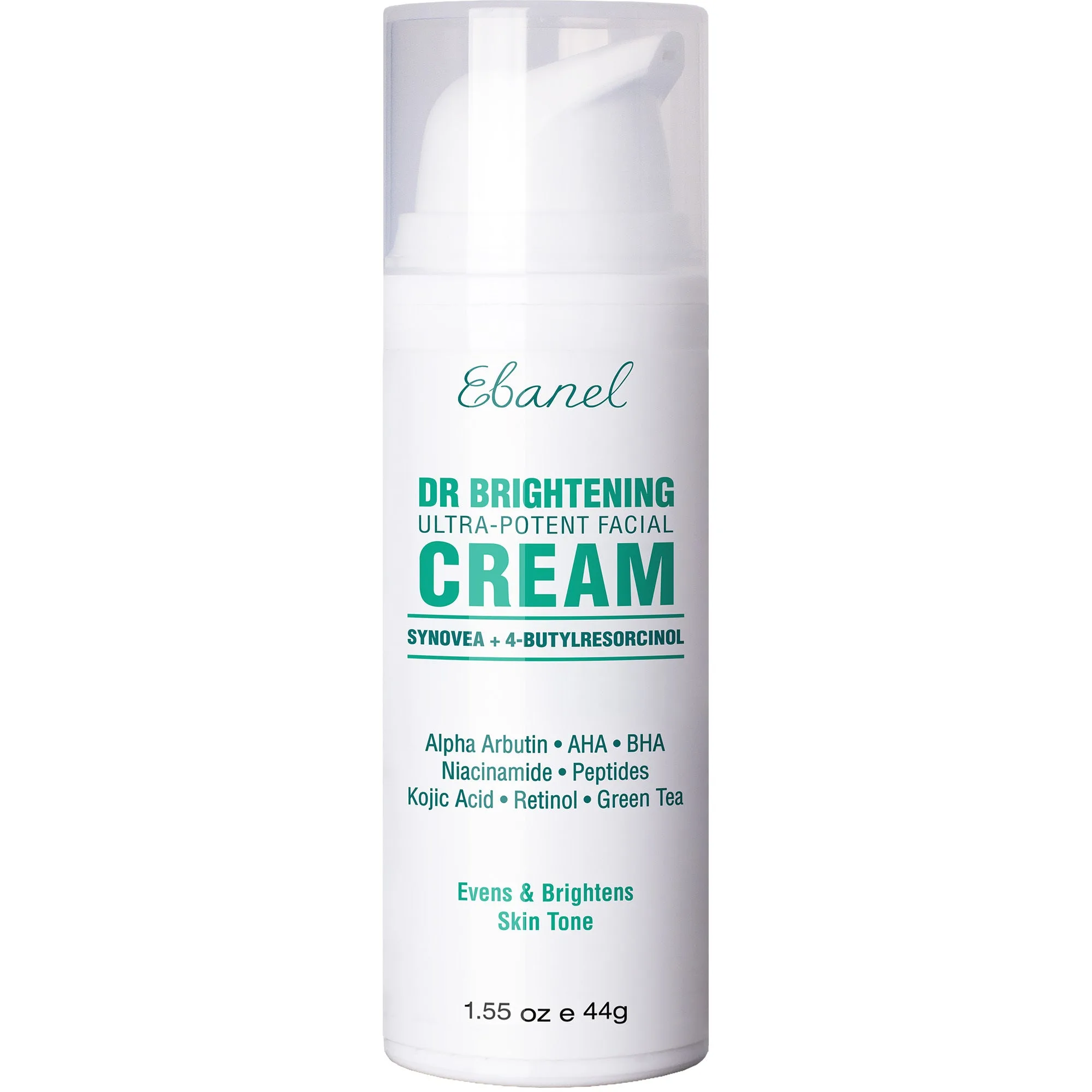
Dr Brightening Ultra-Potent Facial Cream
- Choose 20% urea for maintenance, 40% for severe thickening
- Look for liposomal or enhanced delivery formulas for better absorption
- Check for added antifungal ingredients if treating fungus
Common Mistakes to Avoid When Using Urea Nail Gel
One common mistake is applying too much gel, which can cause excessive softening and lead to nail lifting or separation from the nail bed. Use only a pea-sized amount per nail. Another error is stopping treatment too soon—nail growth cycles take months, so discontinuing use after a few weeks may result in the problem returning. Consistency over several months is essential for lasting results.
Also, avoid using urea nail gel on open wounds or infected skin without consulting a doctor. While urea is gentle, it can sting if applied to broken skin. Finally, do not use urea gel as a substitute for medical treatment if you have a severe infection. Always combine it with prescribed antifungal medications when necessary. Proper hygiene, like keeping nails dry and trimming them regularly, will support the treatment.
- Use only a thin layer to avoid over-softening
- Continue treatment for at least 8 weeks
- Consult a doctor for severe or persistent infections
When to See a Doctor for Thick or Damaged Nails
While urea nail gel is effective for many cases, some situations require professional medical attention. If your nails are painful, bleeding, or show signs of infection like pus or redness around the nail bed, see a dermatologist. Similarly, if you have diabetes or poor circulation, nail treatments should be supervised by a healthcare provider to avoid complications.
A doctor can perform a nail culture or biopsy to determine the exact cause of thickening—whether fungal, bacterial, or due to a systemic condition like psoriasis. They may prescribe oral antifungal medications or recommend laser therapy for stubborn cases. Urea nail gel can still be used as a complementary treatment under medical guidance, but it should not replace professional care for serious conditions.
- Seek medical help for pain, bleeding, or signs of infection
- Diabetic patients should consult a doctor before starting treatment
- A nail culture can identify the exact cause of thickening
Urea nail gel is a safe, effective, and versatile treatment for thick and damaged nails. Whether you're dealing with nail fungus, aging nails, or simply want to maintain healthy nail beds, incorporating a high-quality urea gel into your routine can make a significant difference. For a powerful solution that combines urea with antifungal agents, consider trying the Liposomal Fungus Master Antifungal Treatment from Ebanel Skincare. With consistent use, you can restore your nails' natural strength and appearance.