Quick Answer
NAD+ precursors such as nicotinamide riboside and NMN are building blocks your body converts into NAD+, a coenzyme involved in energy metabolism. Urolithin-A is not a building block; it is a compound studied for supporting mitophagy, the recycling of worn-out mitochondria. If your goal is replenishing NAD+ raw material, a precursor fits. If your goal is supporting mitochondrial cleanup, Urolithin-A fits. They are not interchangeable and can be considered separately.
Two Different Jobs in the Same Cell
NAD+ precursors and Urolithin-A are often grouped under the vague label of cellular health supplements, but they act on separate levers. NAD+ is a coenzyme that participates in reactions tied to energy production and cellular repair. Levels tend to decline with age, which is why precursors like NR and NMN are used to supply the raw material the body needs to synthesize it. Urolithin-A belongs to a different category. It is a metabolite produced by gut bacteria when they break down ellagitannins from foods like pomegranates and walnuts, and it is studied for its role in mitophagy, the process by which cells clear damaged mitochondria. One approach is about supply; the other is about cleanup.
What Urolithin-A Supplement Benefits Actually Cover
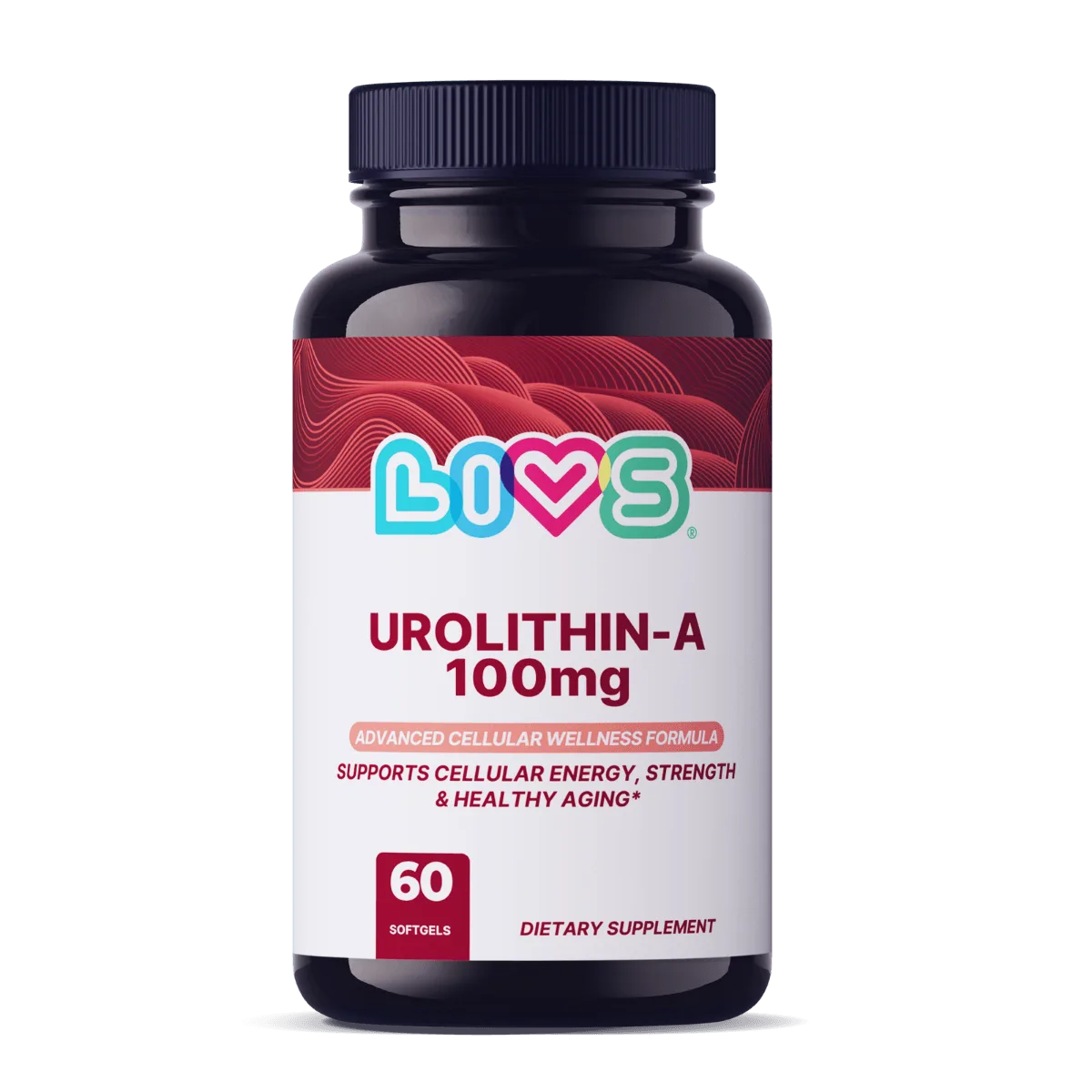
The research interest in Urolithin-A centers on mitochondrial quality rather than NAD+ levels. Because not everyone converts dietary ellagitannins into Urolithin-A efficiently, some people look to a direct supplement instead of relying on food. A product like LIVS Urolithin-A 100 mg Softgels delivers a full 100 mg per serving in an easy-to-swallow softgel, with two softgels daily and 30 servings per bottle. That format suits people who already take softgels and want a fixed daily amount rather than guessing at conversion from food. It is third-party lab tested and made in the USA, which matters if you want batch-level assurance. What it does not do is raise NAD+ directly, so do not expect it to replace a precursor.
How to Read an NAD Booster Comparison
When comparing NAD boosters, the useful questions are about dose, form, and serving size, not marketing language. Precursors are typically sold as capsules or powders, and the label should state the exact compound and amount per serving. If a product lists a proprietary blend without individual amounts, you cannot compare it to anything else. Urolithin-A is simpler to evaluate because it is usually sold as a single compound with a stated milligram amount, as with the 100 mg per serving in LIVS Urolithin-A. A practical approach is to decide which pathway you care about first, then compare only products that address that pathway on equal terms.
Format and Routine Practicalities
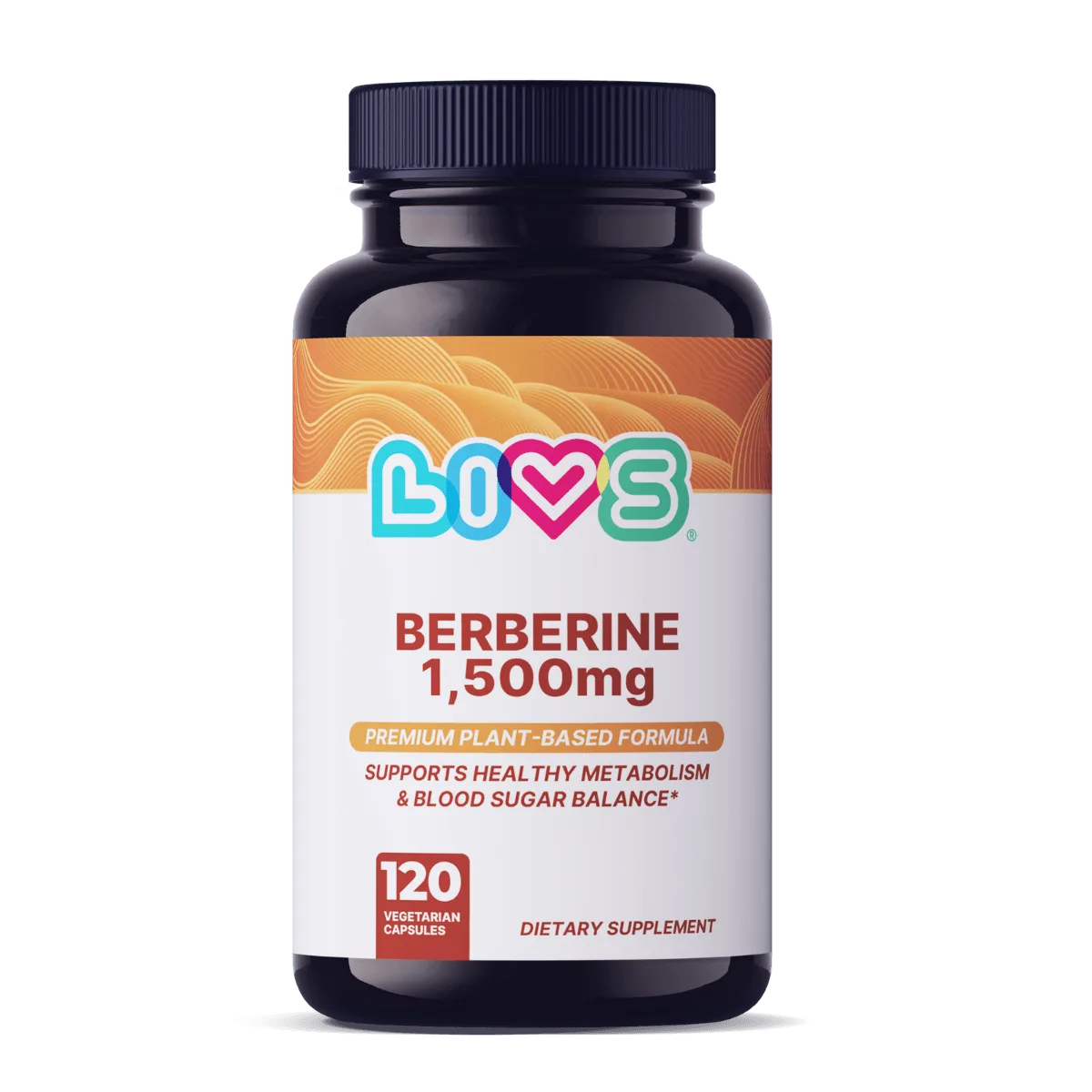
Both categories tend to be taken daily, so format affects whether you actually stick with it. Softgels are easy to swallow and pair well with a morning routine. Capsules offer flexibility if you already take other capsules. If you are stacking supplements, check total pill burden before adding another bottle. For example, LIVS Berberine 1,500 mg uses a 3-capsule serving with 120 vegetarian capsules and 40 servings per bottle, which is a meaningful amount to add on top of an existing regimen. Urolithin-A at two softgels daily is lighter by comparison. Neither is better in the abstract; the right choice is the one you will take consistently.
What the Labels Do Not Tell You
Absent specifications are a decision limitation, not a minor detail. If a precursor product does not state the exact form, the amount per serving, or the number of servings per container, you cannot judge value or compare it to a competitor. The same applies to Urolithin-A: without a stated milligram amount, a serving count, and a testing claim, you are guessing. Use the supplied label facts as your filter. Where a fact is missing, treat that as a reason to ask the manufacturer or choose a product that publishes the number.
Trade-Offs at a Glance
- Urolithin-A: single compound, clear dose: Sold as one ingredient with a stated amount, such as 100 mg per serving in LIVS Urolithin-A 100 mg Softgels. Easy to compare and easy to take as two softgels daily. Best when you want a defined mitophagy-focused supplement without a multi-ingredient blend.
- NAD+ precursors: supply-side approach: NR and NMN are building blocks the body converts into NAD+. Dosing and form vary widely, and proprietary blends make comparison difficult. Best when your goal is replenishing NAD+ raw material and you can find a product that states exact amounts.
- Stacking both: more pills, more cost: Taking a precursor and Urolithin-A together means two daily routines and two bottles. Add other capsules like berberine and the total pill count climbs quickly. Start with one pathway, track how you feel for a few weeks, then decide whether adding the second is worth the extra daily intake.
Product Facts
- Urolithin-A: LIVS Urolithin-A 100 mg Softgels deliver a full 100 mg per serving, two softgels daily, 30 servings per bottle, third-party lab tested and made in the USA. A stated milligram amount and a fixed serving size make this easy to compare against other Urolithin-A products and to plan a daily routine.
- Berberine 1,500mg: LIVS Berberine HCl 1,500 mg uses a 3-capsule serving with 120 vegetarian capsules and 40 servings per bottle. If you are stacking cellular or metabolic supplements, this shows the pill burden of a higher-dose capsule product so you can plan your total daily intake.
Which One Fits You?
Choose Urolithin-A if you
- Want a single-compound supplement with a stated dose per serving
- Prefer a softgel format taken twice daily
- Are specifically interested in mitophagy support rather than NAD+ levels
Choose an NAD+ precursor instead if you
- Want to replenish NAD+ raw material directly
- Prefer a capsule or powder format with a different serving schedule
- Have not yet confirmed the exact compound and amount per serving on the label