Quick Answer
For a plug-and-play 5V supply from a 6-24V source, a USB buck converter is the simplest choice. If you need adjustable output for different voltages, an adjustable buck converter like the LM2596 offers more flexibility, but requires careful setup. Fixed voltage modules are best when you only need one output and want minimal configuration.
Understanding the Options
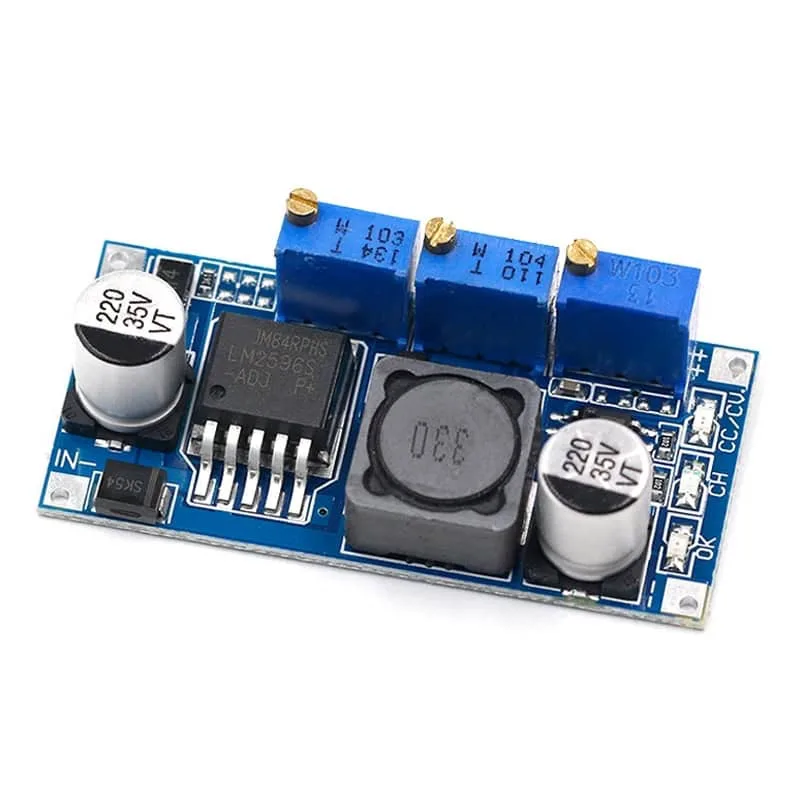
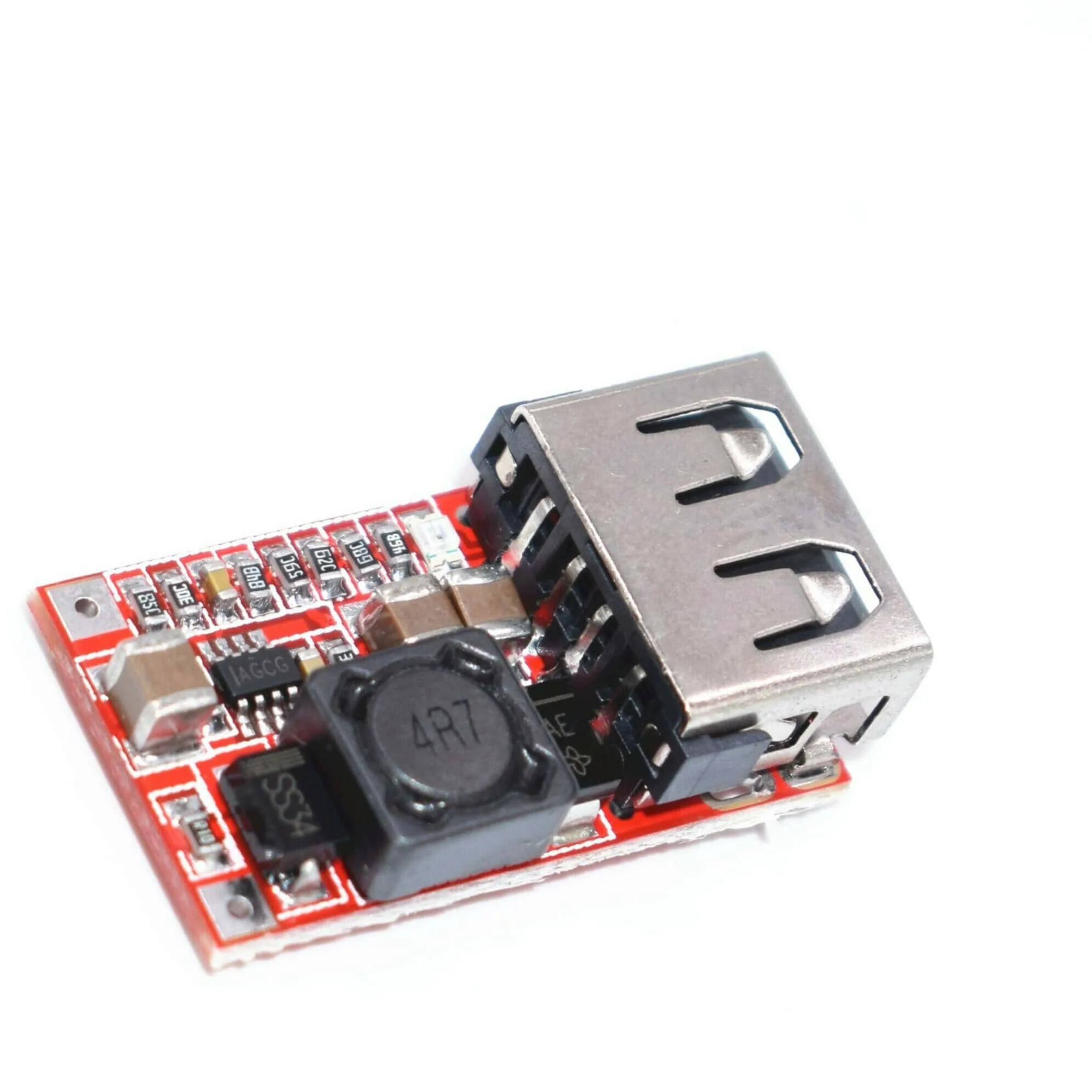
When powering Arduino or other projects, you often need to step down a higher voltage to a stable 5V. A USB buck converter, such as the USB Step Down Buck Converter 6-24V to 5V, provides a dedicated 5V output with a USB connector, making it easy to power boards or charge devices. In contrast, an adjustable voltage module like the LM2596 lets you set the output anywhere from 1.25V to 30V, but you must adjust potentiometers and verify settings before connecting your load.
Fixed voltage regulators, like the Positive Voltage Regulator 5.5-32V to 5V 1A Buck Module, offer a set 5V output without any adjustment. They are simpler and often cheaper, but you cannot change the output voltage. Your choice depends on whether you value flexibility or simplicity.
Key Differences in Practical Use
The USB buck converter is designed for convenience: plug in a 6-24V source and get 5V out through a USB port. It's ideal for projects that use USB-powered devices or need a quick 5V rail. However, it lacks adjustable output, so it won't suit applications requiring other voltages.
The adjustable LM2596 module offers CV/CC control, meaning you can set both voltage and current limits—useful for battery charging or driving LEDs with current limiting. But this requires understanding potentiometer adjustments and measuring output with a multimeter. The fixed voltage module is straightforward: connect input, get 5V, no tuning needed. Its 1A output is sufficient for many small sensors and microcontrollers, but not for high-current loads.
Trade-offs to Consider
- Adjustability vs Simplicity: Adjustable modules let you set any voltage, but require manual tuning and a multimeter. Fixed modules are plug-and-play but lock you to 5V. Choose adjustable if you need multiple voltages; choose fixed for quick, reliable 5V.
- Current Capacity: The LM2596 supports up to 2.5A, while the fixed regulator offers 1A. Higher current allows powering more components or heavier loads. For power-hungry projects, an adjustable module with higher current is better.
- Cost and Convenience: Fixed modules are cheaper and easier to integrate, but adjustable modules offer more features for a slightly higher price. If budget is tight and 5V is enough, go fixed; otherwise, the extra flexibility is worth it.
Product Facts
- USB Step Down Buck Converter 6-24V to 5V: USB Non-Isolated Buck Converter, 6-24V to 5V This gives you a fixed 5V output via USB, making it a drop-in solution for powering Arduino boards or USB peripherals without any adjustment.
- LM2596 Adjustable Buck Converter CC CV 5-35V to 1.25-30V 2.5A: Adjustable DC-DC buck converter with CV/CC control. 5-35V input, 1.25-30V output, 2.5A max. Three potentiometers for voltage, current, and charge control. 95% efficiency. The adjustable output and current control make it versatile for projects needing different voltages or current-limited charging, but you'll need to configure it properly.
Which Should You Choose?
Best for
- Projects needing a quick 5V supply from a 6-24V source without configuration
- Hobbyists who want a low-cost, simple power solution for Arduino or sensors
Not for
- Projects requiring variable output voltages or current limiting
- High-current applications above 1A that demand a more robust adjustable module