Pediatric dentistry demands a delicate balance between precision and gentleness. When treating young patients, clinicians must navigate smaller oral cavities, limited cooperation, and heightened sensitivity. The tools we choose can make all the difference in delivering effective treatment while minimizing trauma and anxiety. Among these tools, capillary tips have emerged as an essential component for precise placement of materials in pediatric procedures.
Capillary tips are ultra-fine applicator tips designed to deliver small, controlled amounts of liquids and gels with remarkable accuracy. In pediatric dentistry, where margins for error are slim, these tips allow clinicians to place materials exactly where needed—whether it's etchant, bonding agents, or sealants—without excess or waste. This article explores the benefits, practical applications, and step-by-step guidance for using capillary tips in pediatric settings.
Why Capillary Tips Are Ideal for Pediatric Dentistry
Children have smaller teeth and tighter spaces, making precise placement of dental materials challenging with standard applicators. Capillary tips, with their fine diameter and flexible design, enable clinicians to reach confined areas with ease. The Micro Capillary Tip is a prime example, offering a thin, tapered design that allows for accurate dispensing in hard-to-reach spots. This precision is crucial when applying etchants or bonding agents to primary teeth, which are smaller and more intricate than permanent teeth.
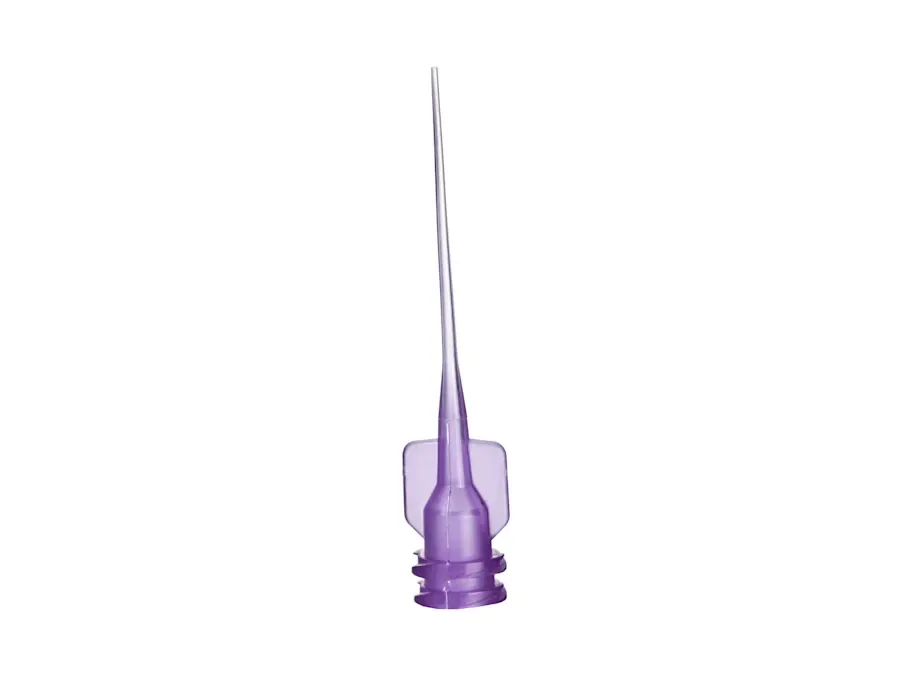
Capillary Tip
Moreover, capillary tips help reduce the amount of material used, which is especially important in pediatric patients who may be sensitive to taste or texture. By minimizing excess, these tips also reduce the need for cleanup, shortening chair time and improving the overall experience for the child. In pediatric dentistry, where cooperation is key, any tool that streamlines the procedure is invaluable.
- Fine diameter allows access to tight spaces without causing discomfort.
- Controlled dispensing minimizes waste and reduces cleanup time.
- Flexible design adapts to the contours of primary teeth.
How to Use Capillary Tips for Precise Placement
To achieve optimal results with capillary tips in pediatric dentistry, follow a systematic approach. First, select the appropriate tip for the procedure. For example, the Micro Capillary Tip is excellent for delivering etchants or bonding agents in small, precise increments. Attach the tip securely to the syringe, ensuring a snug fit to prevent leakage.
Next, practice gentle, controlled pressure when dispensing. Capillary action draws the material into the tip, so a light touch is often sufficient. This is particularly beneficial when working with children, as it reduces the risk of over-application. For procedures like pit and fissure sealants, place the material directly into the fissure, allowing it to flow naturally into the grooves.
Finally, always use a fresh tip for each patient to maintain sterility and prevent cross-contamination. Proper disposal after use is essential in a pediatric practice where infection control is paramount.
- Choose the right tip size for the specific procedure.
- Use light pressure to control the flow of material.
- Replace tips between patients to ensure hygiene.
Clinical Applications in Pediatric Dentistry
Capillary tips are versatile tools that find application in various pediatric procedures. One common use is in the application of fluoride varnish or sealants. The fine tip allows for precise placement on the occlusal surfaces of molars, ensuring complete coverage without pooling. This is especially important for children with deep fissures that are prone to caries.
Another application is in the placement of bonding agents during restorative procedures. When placing composite restorations in primary teeth, capillary tips enable the clinician to apply the bonding agent uniformly, enhancing the bond strength and reducing post-operative sensitivity. The Amelogen Plus composite restorative material works well with this technique, as its consistency allows for easy flow when applied with a capillary tip.
Additionally, capillary tips are useful for delivering desensitizing agents or medicaments to specific areas, such as after a pulpotomy. The precise placement minimizes the risk of irritating surrounding tissues, which is crucial for patient comfort.
- Apply sealants with precision to prevent caries.
- Enhance bonding by uniform application of adhesives.
- Deliver medicaments accurately to targeted sites.
Tips for Enhancing Pediatric Patient Comfort
Using capillary tips not only improves clinical outcomes but also contributes to a more positive experience for young patients. The reduced need for excess material means less taste and texture discomfort. Additionally, the delicate application minimizes the sensation of pressure, which can be unsettling for children.
To further enhance comfort, consider using products like the Opalescence Shade Guide Card to help children choose their preferred shade, making them feel involved in their treatment. This can reduce anxiety and build trust. Furthermore, explaining the procedure in child-friendly terms before starting can help alleviate fear.
Another tip is to use a gentle, steady hand and to work efficiently to minimize chair time. Children have shorter attention spans, so a swift, precise application is key to maintaining their cooperation.
- Involve the child in shade selection to reduce anxiety.
- Use a calm, reassuring tone throughout the procedure.
- Work efficiently to keep sessions short and positive.
Choosing the Right Capillary Tip for Your Practice
When selecting capillary tips for your pediatric practice, consider the viscosity of the materials you use. Thinner tips are ideal for low-viscosity liquids like etchants, while slightly larger tips may be better for thicker materials. The Micro Capillary Tip offers a balance of flexibility and precision, making it a versatile choice for many procedures.
It's also important to consider the length and bendability of the tip. A longer, more flexible tip can reach posterior teeth with ease, which is particularly beneficial when treating young children who may have limited mouth opening. Always test the tip with your preferred materials to ensure compatibility.
Incorporating capillary tips into your pediatric armamentarium is a simple yet effective way to elevate the standard of care. By investing in quality tips, you can achieve better outcomes and greater patient satisfaction.
- Match tip size to material viscosity for optimal flow.
- Choose flexible tips for easier access to posterior regions.
- Test tips with your materials to ensure compatibility.
Capillary tips are indispensable tools in pediatric dentistry, offering the precision and control needed to deliver successful treatment while keeping young patients comfortable. By incorporating these tips into your practice, you can improve accuracy, reduce waste, and enhance the overall experience for both you and your patients. Explore the Micro Capillary Tip to elevate your pediatric procedures today.