If you’re new to water flossing or looking to upgrade your routine, you might wonder: can you use mouthwash in a Waterpik? The short answer is yes, but there are a few important guidelines to follow to protect your device and get the most benefit. Adding mouthwash to your water flosser can enhance your oral hygiene by delivering antiseptic ingredients deep between teeth and along the gumline.
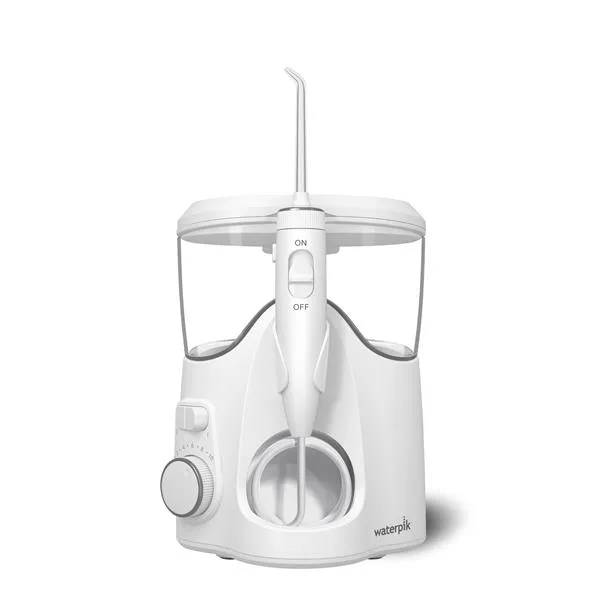
In this guide, we’ll cover everything you need to know about using mouthwash with your Waterpik, including the ideal water-to-mouthwash ratio, tips for different models, and common mistakes to avoid. Whether you have a countertop model like the White Ultra Plus Water Flosser – White (WF-150) or a cordless option like the ION Professional Cordless Water Flosser – White (WF-12CD020-1), these tips will help you get the most out of your device.
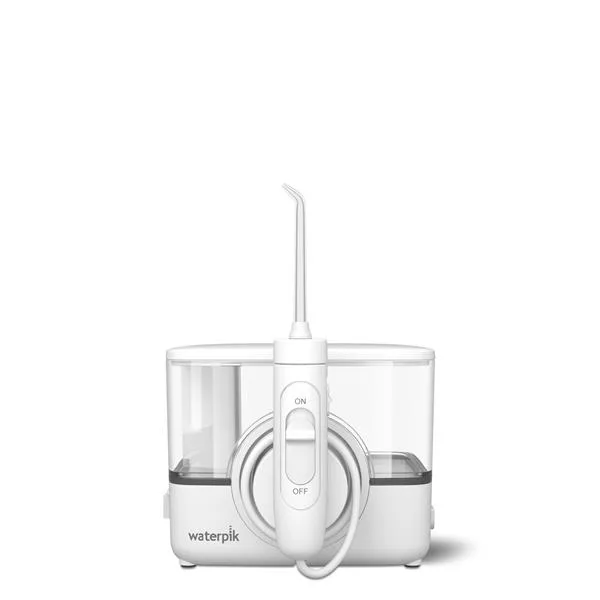
ION Professional Cordless Water Flosser – White (WF-12CD020-1)
Is It Safe to Use Mouthwash in a Waterpik?
Yes, it is generally safe to use mouthwash in a Waterpik water flosser. Most Waterpik models are designed to handle a variety of solutions, including mouthwash, as long as you follow the manufacturer’s guidelines. The key is to dilute the mouthwash with water to prevent any potential damage to the internal components and to avoid an overly strong solution that might irritate your mouth.
Using mouthwash in your water flosser can be particularly beneficial for people with gum disease, bad breath, or those who want an extra layer of protection against plaque. The pulsating action of the water flosser helps the mouthwash reach areas that regular rinsing might miss, giving you a deeper clean.
- Always check your Waterpik manual for specific instructions regarding mouthwash use.
- Avoid using mouthwash with high alcohol content, as it may degrade the seals over time.
- Rinse the reservoir thoroughly after each use to prevent residue buildup.
What Is the Ideal Waterpik Mouthwash Ratio?
The recommended ratio is typically one part mouthwash to two parts warm water. This dilution ensures that the mouthwash is effective without being too harsh on your gums or the device. For example, if you have a 5-ounce reservoir, you would add about 1.5 ounces of mouthwash and 3.5 ounces of water.
Some users prefer a stronger solution for specific needs, but it’s best to start with a milder mix and adjust based on your comfort. If you have sensitive gums, you might want to use even less mouthwash, such as a 1:3 ratio. Always use warm water, as cold water can cause sensitivity and hot water can damage the device.
- Start with a 1:2 ratio (mouthwash to water) and adjust to your preference.
- Use a measuring cup to ensure accurate proportions.
- If you experience any stinging or irritation, reduce the amount of mouthwash.
Tips for Using Mouthwash with Different Waterpik Models
Countertop models like the White Ultra Plus Water Flosser – White (WF-150) have larger reservoirs, making it easier to mix a full solution. For these, you can fill the reservoir with the diluted mouthwash mixture and use it for your entire flossing session. Cordless models, such as the ION Professional Cordless Water Flosser – White (WF-12CD020-1), have smaller reservoirs, so you may need to refill mid-session if you want to use mouthwash for the whole time.
Some models come with specialized tips or settings that can enhance the experience. For instance, the ION series offers multiple pressure settings, allowing you to adjust the intensity when using mouthwash. Always ensure the reservoir is clean before adding mouthwash to avoid mixing with leftover water that might have bacteria.
- For cordless models, consider using mouthwash only for the first half of your flossing, then switch to plain water for the rest.
- Clean the reservoir and tip after each use to prevent mouthwash residue from clogging the device.
- If you have a model with a timer, use it to ensure you floss for the recommended two minutes.
Common Mistakes to Avoid When Using Mouthwash in a Waterpik
One common mistake is using undiluted mouthwash, which can be too strong and may damage the internal seals of the water flosser. Another is leaving the mouthwash solution in the reservoir for extended periods, which can lead to staining or corrosion. Always empty and rinse the reservoir after each use.
Also, avoid using mouthwash that contains baking soda or other abrasive ingredients, as these can wear down the pump over time. Stick to standard antiseptic mouthwashes that are water-based. If you’re unsure, check the label for any warnings about use with oral irrigators.
- Never leave mouthwash in the reservoir overnight.
- Don’t use mouthwash with hydrogen peroxide unless your dentist recommends it.
- If you notice any unusual sounds or reduced pressure, stop using mouthwash and consult the manual.
Benefits of Using Mouthwash with Your Water Flosser
Combining mouthwash with water flossing can help reduce plaque and gingivitis more effectively than either method alone. The mouthwash reaches deeper into periodontal pockets, where bacteria often hide. This is especially beneficial for individuals with braces, implants, or other dental work that makes traditional flossing difficult.
Additionally, using mouthwash can leave your mouth feeling fresher and cleaner, and it can help with bad breath by targeting the bacteria that cause odor. Many users find that adding mouthwash to their water flosser makes the experience more enjoyable and encourages them to stick with their routine.
- Look for mouthwashes with fluoride to help strengthen enamel.
- Choose an alcohol-free mouthwash to avoid dryness and irritation.
- Combine with your regular brushing routine for optimal results.
Incorporating mouthwash into your Waterpik routine is a simple and effective way to boost your oral hygiene. Remember to dilute it properly, clean your device after each use, and choose a mouthwash that suits your needs. For a reliable and high-performing water flosser, consider the White Ultra Plus Water Flosser – White (WF-150) or the ION Professional Cordless Water Flosser – White (WF-12CD020-1) to elevate your daily care.