Quick answer
Buy one utensil that does two jobs, not a full kitchen set. A long-handled spoon or spork is the only utensil most backcountry hunters need, and it should be light enough that you never notice it in your pack. Add a small cutting tool only if you regularly cook real meals rather than rehydrating. Every extra utensil is weight you carry uphill for no gain.
You can spend a lot of time comparing tents and sleeping bags, then get tripped up by a fork that snaps in cold weather. Utensils are the cheapest part of your kit and the easiest to get wrong, because the features that matter in a backcountry kitchen are not the same ones that matter at a campsite with a picnic table.
This guide covers how to choose backcountry utensils and lightweight cooking tools for real hunts. The goal is simple: eat efficiently, pack less, and avoid gear that fails when your hands are cold and you still have miles to go.
What actually matters in a backcountry utensil
Weight and packed size come first. A utensil you barely notice is one you will not resent carrying on a multi-day hunt. Look for tools that nest inside your cook pot or tuck into a side pocket, because loose utensils are the items that disappear from a pack.
Durability matters more than a few grams saved. Titanium and high-temp nylon both work, but thin plastic can crack in freezing temperatures. A long handle keeps your knuckles clear of hot water when you are rehydrating a meal, and a bowl deep enough to hold a real bite makes eating faster after a long day.
- Test the handle length against your cook pot before you commit to it.
- If it does not fit inside your pot, it will end up loose in your pack.
One tool versus a set
A spork or long spoon handles most backcountry meals. If you rehydrate food, that is genuinely all you need. A set with a separate fork, knife, and spoon adds weight and creates pieces to lose. Choose a set only when you cook from scratch, slice meat, or share meals with a partner.
A small folding knife or multi-tool often covers cutting tasks better than a dedicated camp knife. That keeps your utensil count low and lets one tool serve several jobs. The trade-off is that a multi-tool is heavier than a simple spoon, so decide based on what you actually cook.
- Rehydrating meals: one long spoon or spork.
- Cooking from scratch: add a small knife or multi-tool.
Materials and cold-weather behavior
Titanium is light and strong but conducts heat, so a titanium spoon can get hot in a hot meal and cold in freezing air. High-temp nylon and polycarbonate stay comfortable to hold but can become brittle in extreme cold. Neither is wrong; they simply fail in different ways.
If you hunt in deep cold, favor a material that stays comfortable in your hand and check it before a trip. A utensil that shatters at camp is worse than one that weighs a few grams more. There is no single best material, only the one that matches your conditions and cooking style.
- Titanium: light and strong, but hot and cold to the touch.
- High-temp nylon: comfortable, but inspect for cracks in deep cold.
How utensils fit into the rest of your cook kit
Utensils are only one part of a system. Your stove, pot, and fuel all compete for the same pack space, so choose utensils that nest with what you already carry. A wood stove setup, for example, needs room for fuel and pipe components, which changes how much space is left for eating tools.
Think about the whole cooking sequence: boil water, rehydrate, eat, clean. A single long spoon handles that sequence with the least fuss. If you add a cutting tool or a second utensil, make sure it earns its place by doing something the spoon cannot.
- Nest utensils inside the pot you already carry.
- Add a second tool only if it replaces another item.
Decision rules for buying backcountry utensils
- Rule 1: Match the tool to your meals: If you only rehydrate, buy one long-handled spoon or spork. If you cook from scratch, add a small folding knife or multi-tool instead of a full utensil set. One tool that does two jobs beats three tools that each do one.
- Rule 2: Prioritize fit over features: Measure your cook pot before buying. A utensil that nests inside your pot is carried weight; one that does not is loose clutter that can be lost. If it does not fit your pot, leave it at home.
- Rule 3: Check cold-weather behavior: Titanium conducts heat and cold; high-temp nylon stays comfortable but can crack in extreme cold. Choose based on the temperatures you actually hunt in and inspect your gear before each trip. No material is best for everyone; pick the failure mode you can live with.
- Rule 4: Keep the kit modular: Utensils should work with your stove, pot, and shelter system. A tarp or nest adds comfort and protection that makes simple cooking tools more usable in bad weather. A dry place to cook makes a basic spoon feel like a full kitchen.
Field-tested gear that supports a simple cook kit
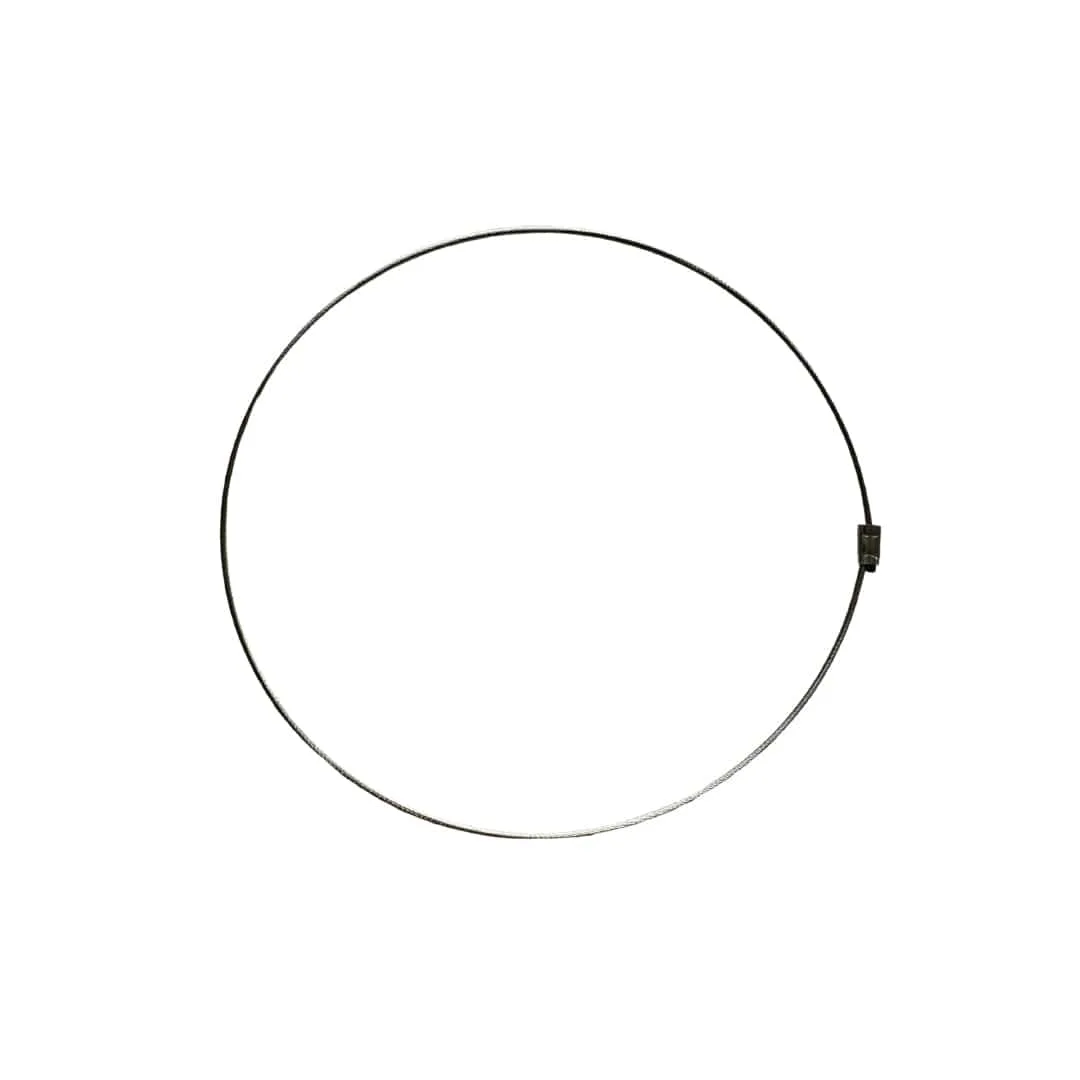
- STOVE PIPE RING: Built from durable stainless steel, this 3-inch spare Stove Pipe Ring is designed to secure your Torrid Stove Pipe or any compatible 3-inch pipe, and it is lightweight and heat-resistant. If you run a wood stove, a spare ring keeps your pipe locked in a clean fit so your cooking and heating setup stays reliable in the field.
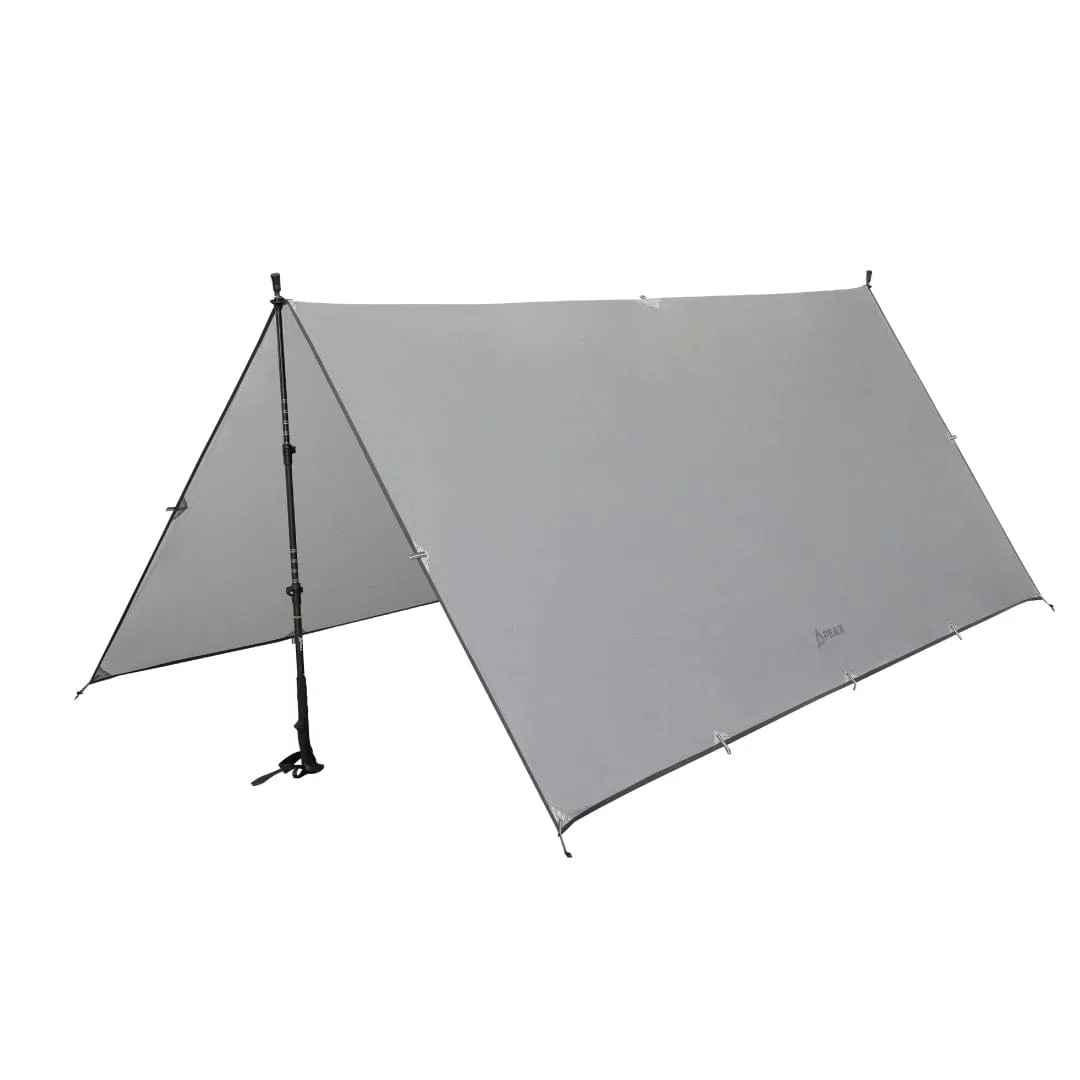
- SOLITUDE TARP [SILNYLON]: The PEAX Solitude is a hunting tarp built to provide lightweight weather protection, versatile shelter options, and dependable coverage without adding unnecessary pack weight, and it can be used for glassing, spike camps, emergency shelter, or expanding camp living space. A tarp gives you a dry place to cook and eat when weather turns, which matters more than any single utensil when you are miles from the truck.
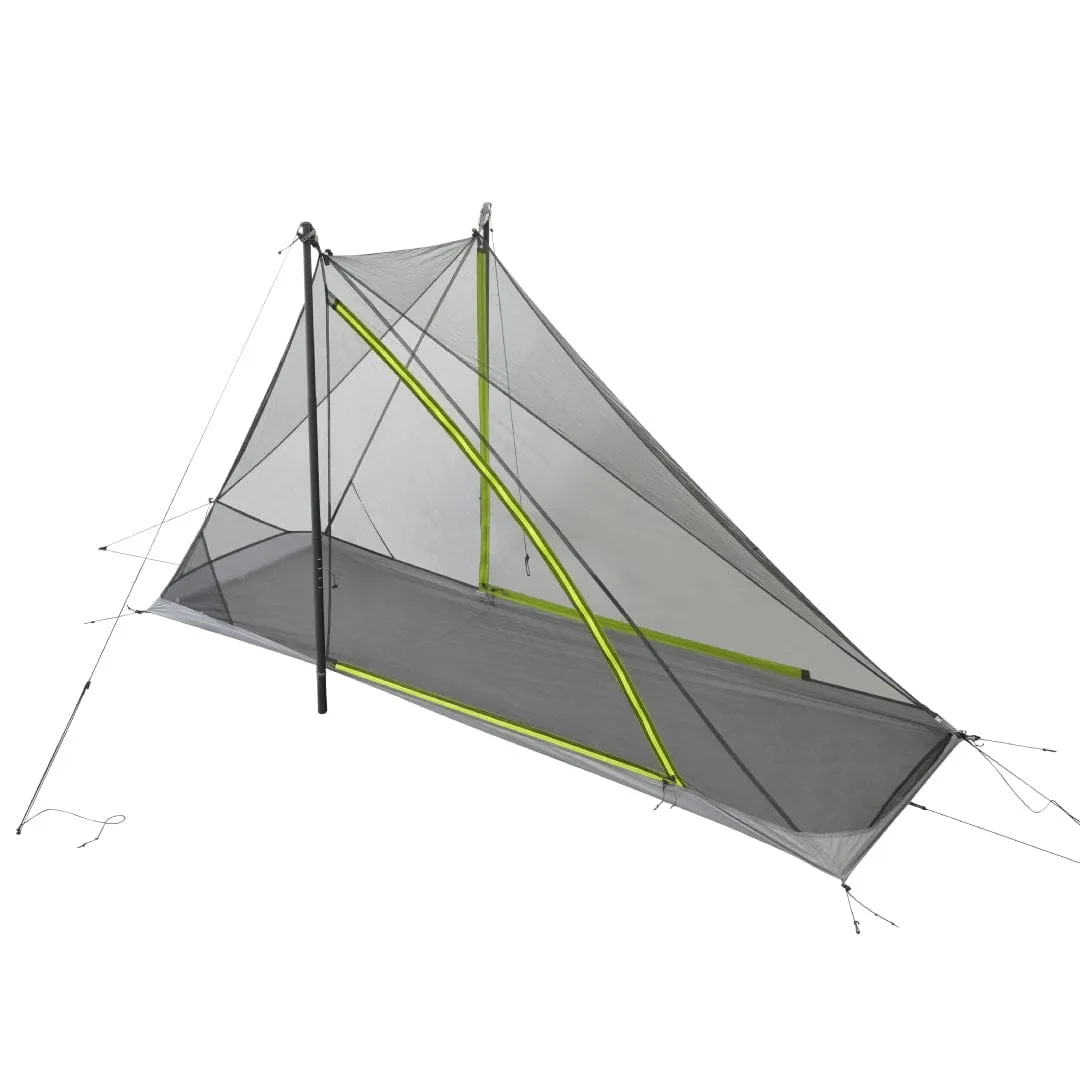
- SOLITUDE 1 NEST: The Solitude 1P Nest adds full bug protection to your solo shelter without stealing space or airflow, with lightweight mesh walls that block pests and keep gear critter-free. Keeping bugs and critters out of your shelter means you can store food and utensils overnight without waking up to a mess.
Who should buy which setup
Best for
- Hunters who rehydrate meals and want the lightest possible kit
- Backpack hunters who count ounces and pack space
- Anyone who cooks simple meals in a single pot
Not for
- Campers who cook elaborate meals and need a full utensil set
- Base-camp cooks who prioritize comfort over pack weight
- Anyone who wants a dedicated fork, knife, and spoon as separate tools
Buy the smallest utensil that handles your actual meals, then make sure it nests with the rest of your cook kit. One long spoon or spork covers most backcountry hunts, and the weight you save is weight you do not carry uphill. Keep the system simple and it will keep working when conditions are not.