Quick answer
Choose nerf bars if you want a usable step, easier cabin entry, and light-to-moderate trail protection. Choose rock sliders if you ride tight, rocky terrain and want the strongest barrier against side impacts. Many riders get the best result by treating them as different tools, not competing versions of the same part.
Side protection is one of those upgrades you notice every single ride. It keeps rocks, stumps, and trail debris away from your sills, and it gives passengers a solid place to step when they climb in. The confusion starts when the labels get mixed up: nerf bars and rock sliders are often sold as if they do the same job.
They do not. A nerf bar is primarily a step with protective side benefits. A rock slider is primarily an impact barrier with step benefits. Knowing which one matches your riding style, your machine, and your passengers is the difference between a part that earns its place and one that just adds weight.
What nerf bars actually do
Nerf bars, sometimes called side bars or side steps, mount along the lower rocker area and extend outward enough to create a stepping surface. On a side-by-side, that means easier entry for kids, shorter passengers, and anyone wearing bulky gear. They also act as a first line of defense against brush, small rocks, and the occasional log that rolls toward your doors.
The trade-off is ground clearance. Because they sit lower and wider, nerf bars can catch on ledges or hang up in deep ruts if you ride aggressively. They are usually lighter and less expensive than sliders, and many install with basic hand tools using existing frame or body mounting points. If your priority is daily comfort and light trail use, that is a fair trade.
- Check that the bar clears your doors and does not interfere with fender flares.
- Look for a textured or dimpled step surface so wet boots do not slide.
What rock sliders actually do
Rock sliders are built to take hits. They typically run tighter to the body, use thicker tubing or plate, and mount to stronger points on the chassis so the vehicle can slide over an obstacle instead of catching on it. The goal is to protect the rocker panel and door bottoms when the trail gets narrow and unforgiving.
That strength comes with compromises. Sliders are heavier, often cost more, and the tight fit means they are not always a comfortable step. Some designs sit so close to the body that they offer little usable footing. If you ride rocky, technical terrain where side impacts are likely, the extra weight and cost are usually worth it.
- Confirm the slider is designed for your specific model and door configuration.
- Check whether it works with factory or aftermarket skid plates.
How to choose for your riding style
Start with the terrain you actually ride. If your weekends are mostly fire roads, farm tracks, and family trails, nerf bars give you the step you will use every time you get in and the protection you need for occasional debris. If you spend time in rock gardens, tight wooded trails, or anywhere the side of your machine is likely to meet a hard object, rock sliders are the more honest choice.
Consider your passengers too. A machine that carries kids or older riders benefits from a real step. A machine that is mostly a solo trail rig can prioritize clearance and impact resistance. You can also mix approaches: a slider for the driver side and a step-style bar for the passenger side is unusual but not unheard of on dedicated trail builds.
- Measure your typical ground clearance before adding anything below the rocker.
- Think about whether you need the step more than you need maximum clearance.
Fit and installation notes
Fitment is where most side protection purchases go wrong. Nerf bars and rock sliders are model-specific, and a part listed for a RZR 900 may not fit a Turbo R or a four-seat model without modification. Before ordering, confirm the year range, door count, and whether your machine has aftermarket flares, skid plates, or a lift kit that changes mounting geometry.
Installation difficulty varies. Many nerf bars use existing holes and bolt on in under an hour. Rock sliders sometimes require drilling or reinforcing plates, and heavier units may need a second person to hold them in place while you start the hardware. If you are not comfortable drilling into your chassis, choose a bolt-on design or have a shop install it.
- Dry-fit all hardware before tightening anything to final torque.
- Re-check bolts after the first few rides, especially after rocky terrain.
Other side protection worth considering
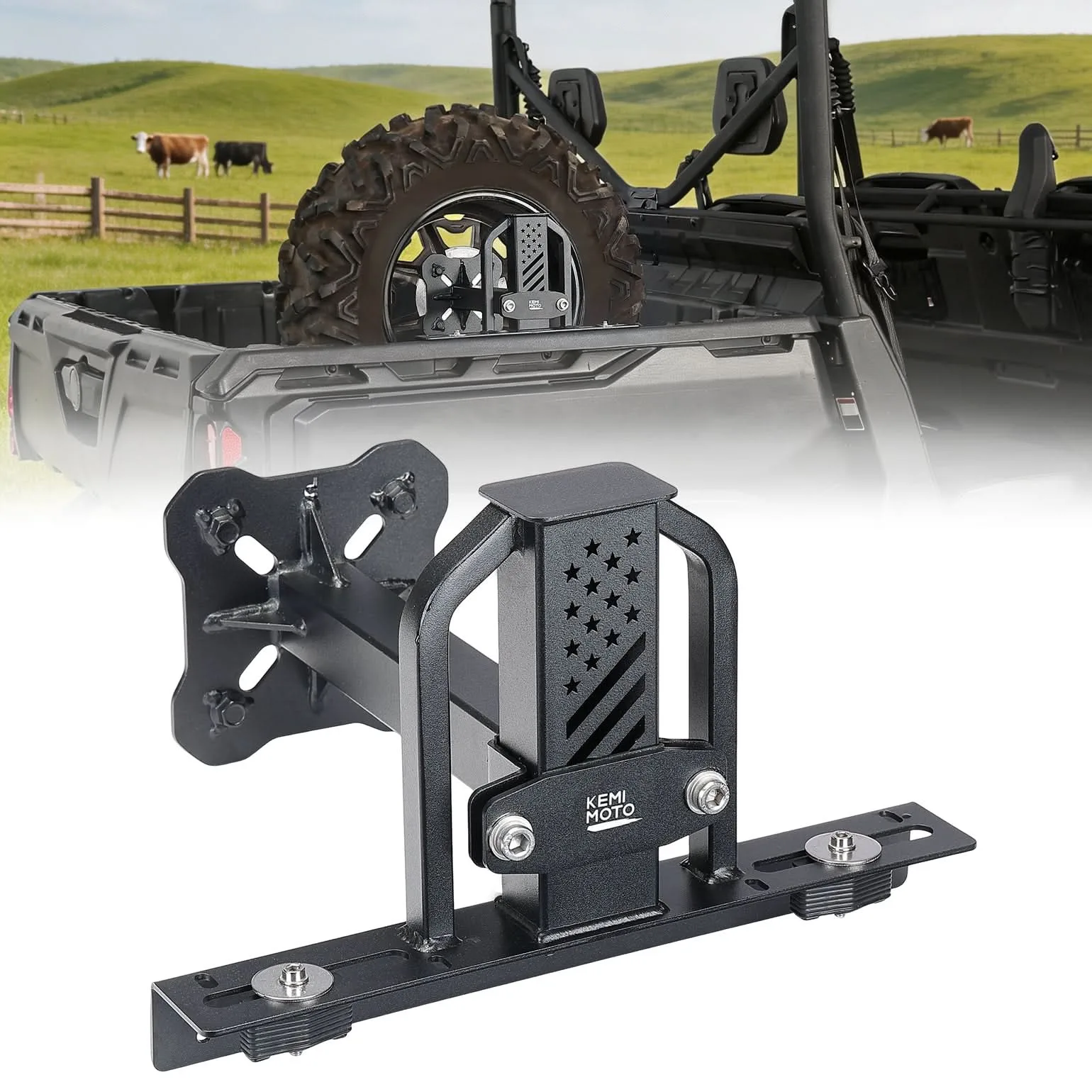
Nerf bars and rock sliders are not the only way to protect the side of your machine. If your concern is mud, rocks, or debris thrown by the tires, fender flares address a different problem and often pair well with either option. If you carry gear or passengers in the bed, a spare tire holder or a gun rack can also change how you use the rear of the vehicle, though neither replaces side impact protection.
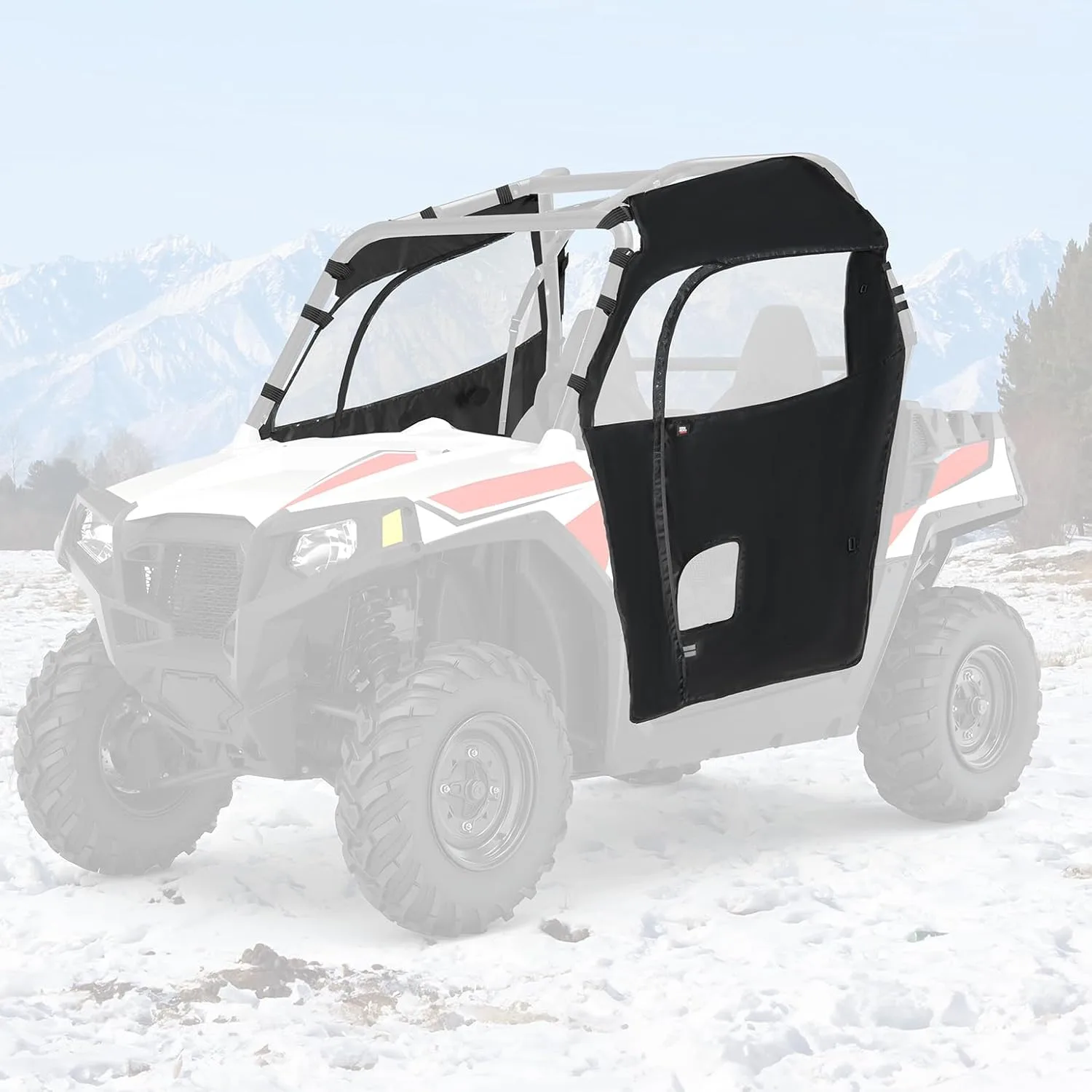
For riders who want a more enclosed cabin in cold or wet weather, a soft cab enclosure adds weather protection rather than impact protection. It is a separate decision, but it affects how often you and your passengers climb in and out, which in turn affects how much you value a step.
- Match side protection to the type of damage you actually expect.
- Do not assume one accessory covers weather, impact, and storage at once.
Trade-offs at a glance
- Step comfort: Nerf bars extend outward and give passengers a clear stepping surface; rock sliders often sit tight to the body and may offer little usable footing. Choose nerf bars if easy entry matters more than maximum clearance.
- Impact protection: Rock sliders are built to take hits from rocks and ledges and are usually thicker and mounted to stronger chassis points; nerf bars are lighter and better suited to brush and light debris. Choose rock sliders if your trails regularly put hard objects against the side of your machine.
- Ground clearance: Nerf bars sit lower and wider and can catch on ledges; rock sliders run tighter and are less likely to hang up in ruts. If you ride technical terrain, prioritize clearance over step height.
- Installation and weight: Many nerf bars bolt to existing points with basic tools; rock sliders are heavier and may require drilling or reinforcing plates. Pick the option you can install correctly and maintain with your available tools.
Product facts that inform the choice
- UTV Soft Cab Enclosure for RZR 570/Trail 570/800/S 800/900: Constructed with waterproof PVC and a clear PVC film, with an upgraded nylon zipper designed for smooth operation and durability. If you ride in wet or cold conditions, an enclosure changes how often you enter and exit the cab, which makes a usable step or side bar more valuable.
- UTV 1.75" / 2" Side View Mirrors and Center Mirror: Side mirrors use high impact ABS plastic and stainless bolts, with rubber pads that are anti-slip and shock-absorbing to keep the mounting tight on rough roads. Side protection and visibility upgrades often go together on trail builds; mirrors that stay steady on rough terrain complement the confidence that sliders or bars give you.
- UTV Spare Tire Holder for 2016–2026 Can-Am Defender: Uses dual screws to secure the support arms to the main frame, with dual expansion anchors and multiple self-tapping screws to help prevent wobbling or shifting on rough terrain. If you carry a spare tire, the rear weight and mounting method affect how you use the vehicle, but it does not replace side impact protection.
Which one fits your machine and your riding
Best for
- Family trail riding where passengers need a real step
- Light-to-moderate trail use with occasional brush and small debris
- Riders who want bolt-on installation with basic hand tools
Not for
- Rocky, technical terrain where side impacts are frequent
- Riders who need maximum ground clearance and minimal hang-up points
- Machines with aftermarket flares or lifts that may not clear a wide step bar
There is no single winner here, only a better match for how you ride. Nerf bars earn their place on machines that carry passengers and see mixed trails; rock sliders earn their place where the terrain is hard on the sides. Pick the trade-off you can live with, confirm fitment for your exact model, and re-check your hardware after the first few rough rides.