Quick Answer
Whip lights and LED light bars solve two different problems: whips make your UTV visible to other riders in dusty, dune, and group-ride conditions, while LED light bars project light forward so you can actually see the trail. If you ride in groups or on open sand, start with a whip light; if you ride at night on wooded or rocky trails, start with a forward-facing light bar or pod setup. Many riders eventually run both, but you do not have to buy them at once. Match beam pattern and mounting space to your machine first, then add lighting in stages.
What Each Light Actually Does
A whip light is a tall, flexible pole with an illuminated strip. Its job is being seen: it raises your visual profile above dust, roost, and terrain so other riders spot you earlier. That matters most in group rides, on dunes, and anywhere traffic comes from multiple directions.
An LED light bar is a forward-facing light engine. Depending on its beam pattern, it either throws light far down the trail (spot), spreads it wide for slow technical work (flood), or blends both. It helps you see, not be seen, so it does not replace a whip for group visibility.
Because they solve different problems, the honest answer to "which one" is usually "which problem do you have first."
Match the Light to Your Riding Style
Group riders in open terrain get the most immediate benefit from a whip light, since dust and distance are the main hazards. Night trail riders on tight, wooded, or rocky ground get more from a forward beam they can aim. Riders who do both should plan for both, but they can stage the purchase.
If you are unsure, ride one night trip with your current setup and note what limited you: not seeing the trail, or not being seen by others. That single observation usually decides the first purchase.
Power Draw and Wiring Realities
Every added light draws current, and whip lights plus a large bar can add up quickly on a stock charging system. Add up the rated draw of each light, compare it to your UTV's available output, and leave headroom for winching and accessories.
Run lighting through a relay and a fused switch panel rather than tapping an existing circuit. Use a proper ground, seal connections against water and dust, and route wiring away from hot or moving parts. If you are not comfortable sizing fuses and relays, have a shop do the electrical work; the lights are only as reliable as the wiring behind them.
Mounting, Legal, and Practical Limits
Whip lights mount to the rear of the cage or bed and need a secure base plus enough height clearance for your trailer or garage. Light bars mount to the roof, hood, bumper, or cage, and the mount has to handle vibration without cracking.
Check local rules before you buy. Many areas restrict auxiliary lighting on public roads, and some trails or parks limit whip height, color, or use. Off-road-only lighting should be switched separately from your factory headlights so you can shut it off when required.
Trade-Offs to Weigh Before You Buy
- Visibility vs. usable light: Whip lights raise your profile above dust and terrain, but they do not light the trail ahead. Light bars project a beam you can aim, but they do not help other riders spot you in a dust cloud. Decide which problem costs you more on your typical ride, then buy that first.
- Cost and complexity vs. coverage: One whip or one bar is cheaper and simpler to wire than a full setup. Running both gives you the most complete coverage but doubles mounting points, switches, and current draw. Stage the build: add the second light once your charging and switch capacity is confirmed.
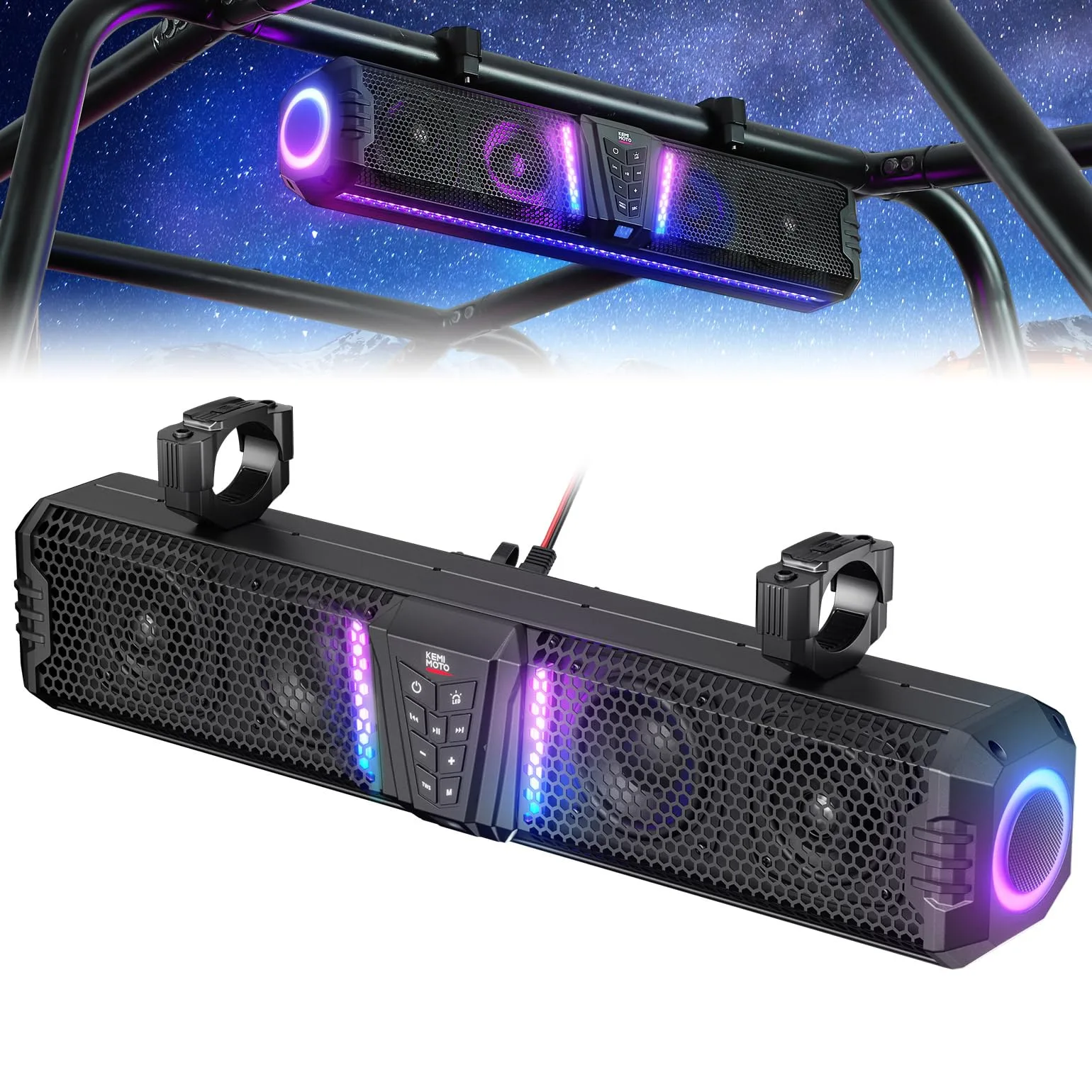
- Integrated vs. dedicated: An all-in-one unit such as the Midnight 60 sound bar with ARGB lighting covers accent lighting and audio in one mount, while a dedicated whip or bar is easier to aim and replace on its own. Choose integrated when mounting space is tight; choose dedicated when you want each light tuned to a single job.
- Trail rules vs. maximum output: The brightest possible setup can be illegal or unwelcome on public roads and some trails. Separate switches and legal beam patterns keep you compliant without giving up off-road performance. Confirm local rules before buying, and wire auxiliary lights on their own switch.
Products That Fit This Decision
- KEMIMOTO Midnight 60 26" 4-Speaker UTV Bluetooth Sound Bar w/RGB Lighting: KEMIMOTO Midnight 60 UTV sound bar with a 5-sided ambient ARGB light offering 200+ lighting modes, including music sync, fade, flash, jump, solid, or OFF via app, plus an all-white DOME Mode reading light for low-light conditions. If you want visible accent lighting plus audio without running a separate whip, this combines both roles in one mounted unit, and DOME Mode gives you usable white light when you are stopped.
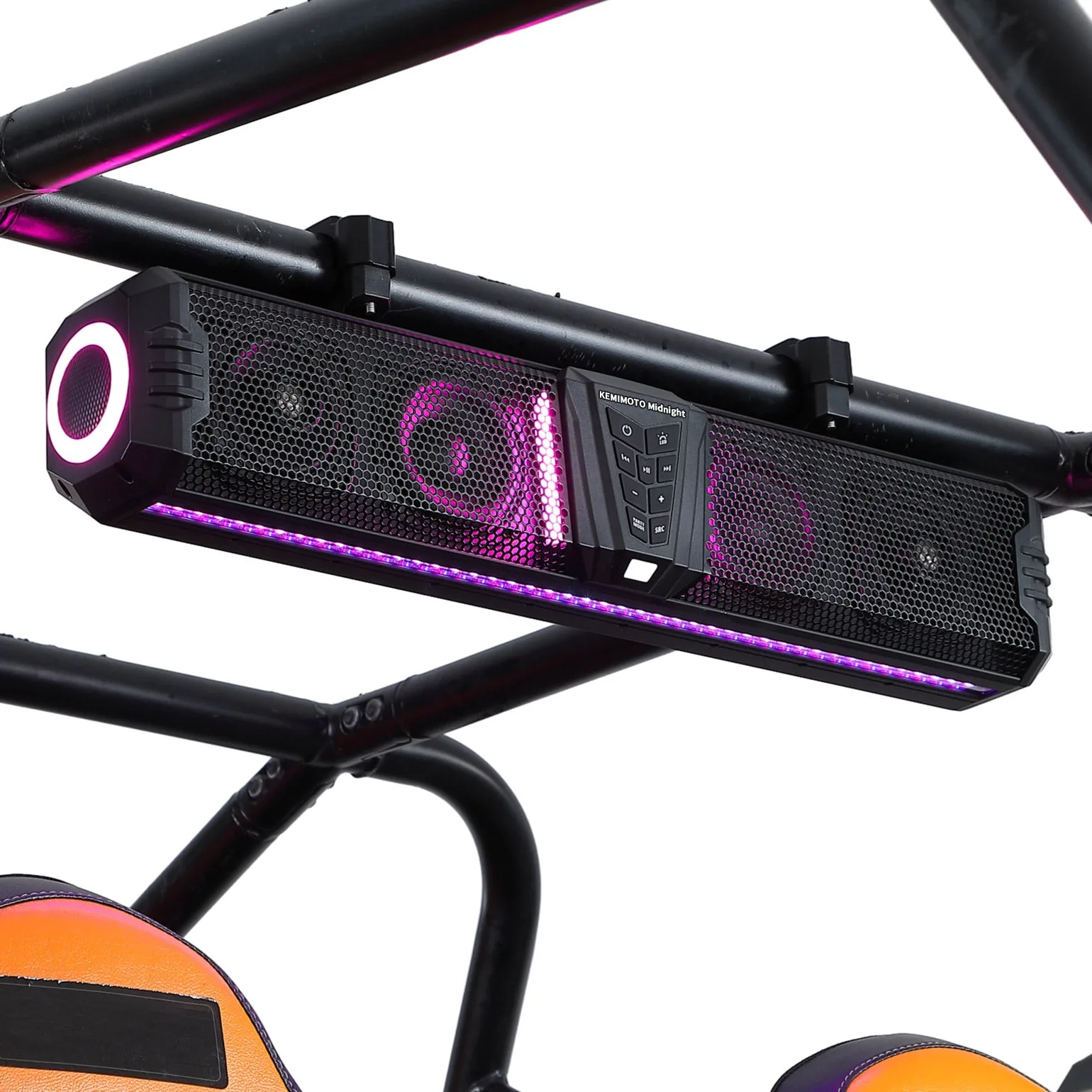
KEMIMOTO Midnight 60 UTV sound bar
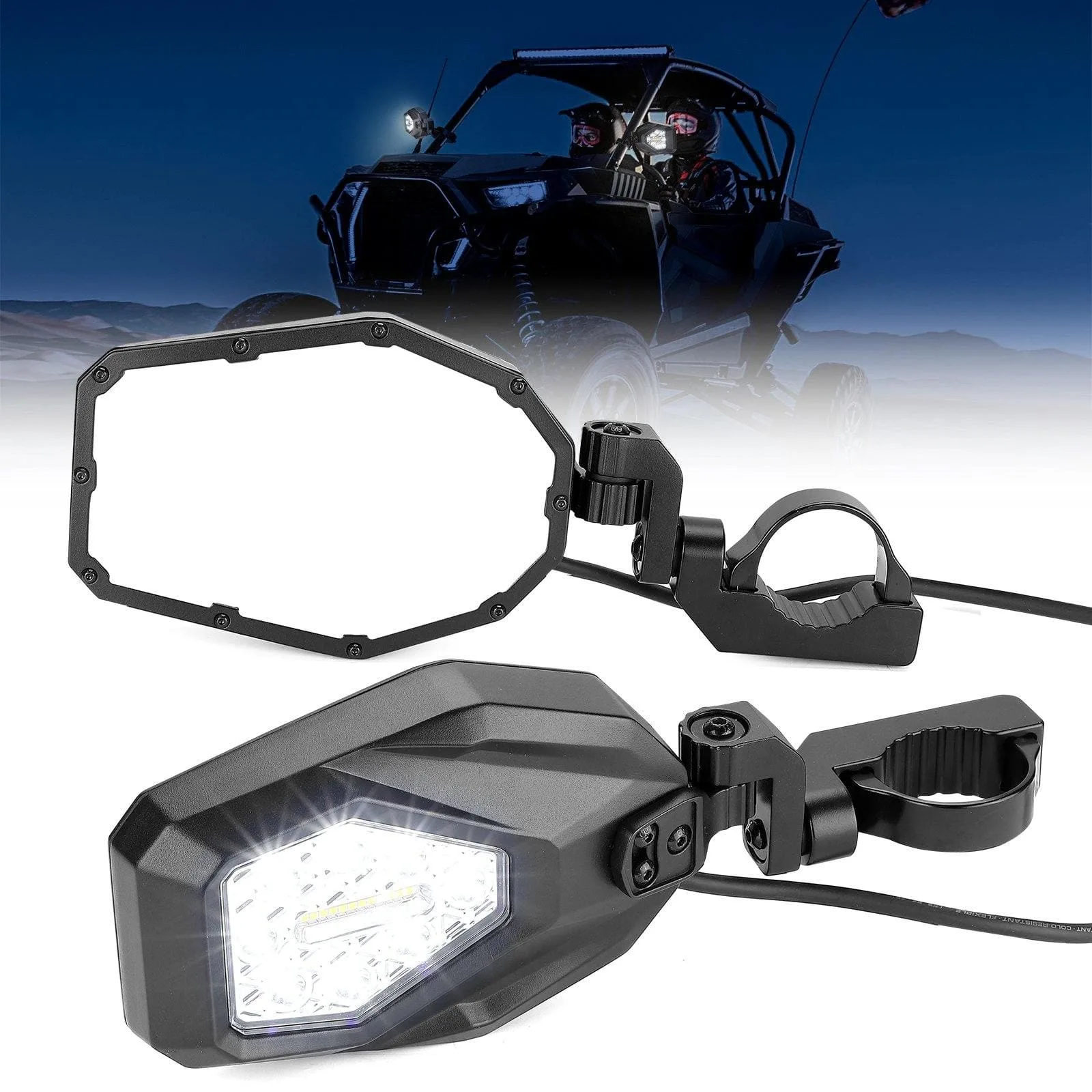
- Mirrors with LED Turn Signal Lights(New Design) Compatible With Polaris Ranger: KEMIMOTO UTV side mirrors with LED turn signal lights provide two additional night vision spotlights and two amber flowing turn signal lights, with a breakaway feature and two degrees of freedom. This is a low-effort way to add forward-aimed light and turn signaling to a Ranger, and the breakaway mount reduces damage when you clip brush or trail obstacles.
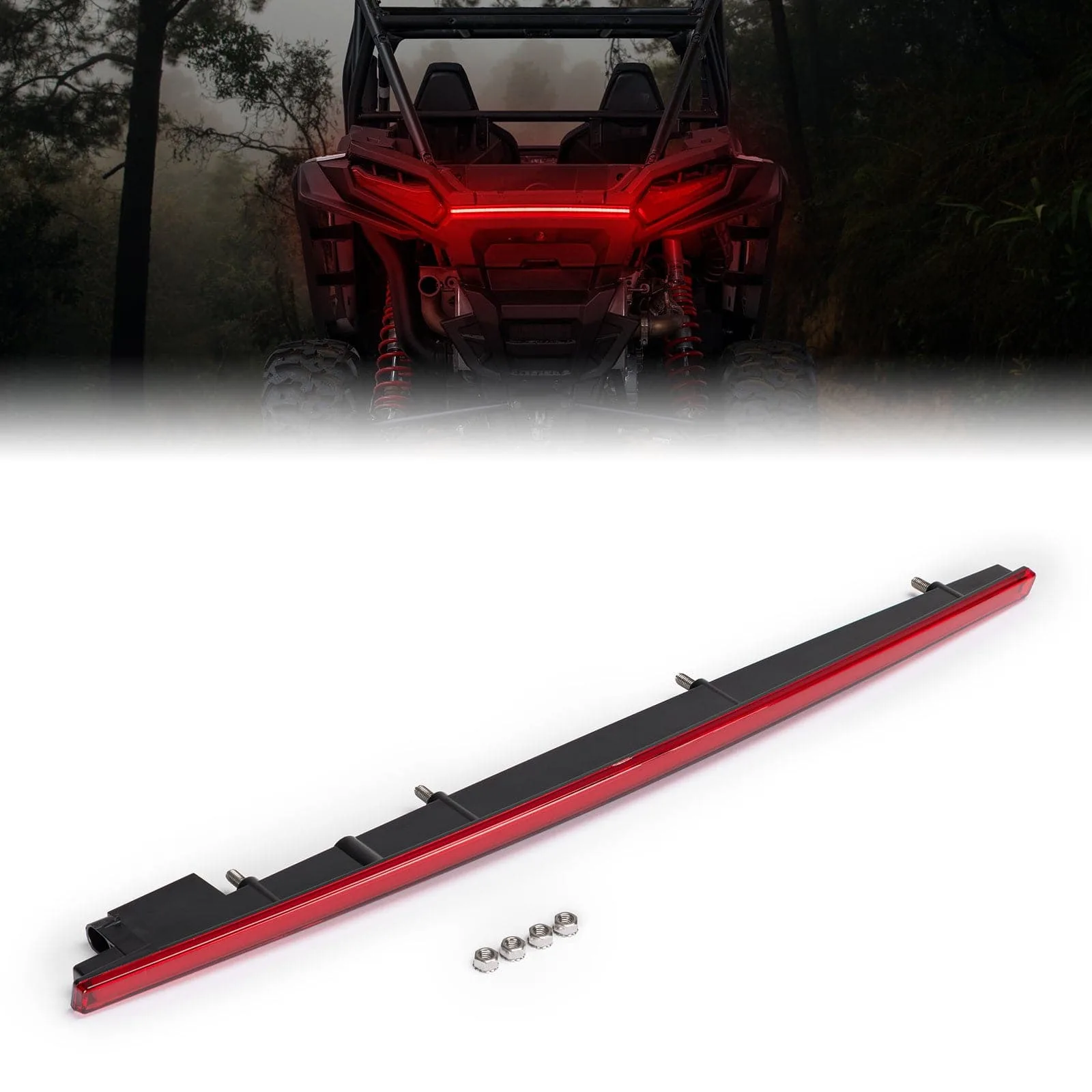
- Tail Lights for Polaris RZR XP 1000/4 Ultimate/Sport/Premium Models 2024-2025: Tail lights for Polaris RZR XP 1000/4 Ultimate/Sport/Premium 2024-2025 models, described as an OEM center taillight replacement with improved visibility and a modern design. Rear visibility is the half of an off-road lighting setup most riders skip; if you ride in groups, upgrading your tail lights helps the rider behind you see you in dust and low light.
Which Setup Fits You
Best for
- Group riders in dunes, desert, or dusty terrain who need to be seen by other vehicles
- Night trail riders who need a forward beam aimed at the trail ahead
- Riders who want accent lighting and audio in one mount with the Midnight 60 sound bar
- Polaris Ranger owners who want added forward light and turn signals from the LED mirror set
Not for
- Riders who only need forward trail lighting and never ride in groups
- Owners of machines with limited charging output who cannot support the added draw
- Anyone who needs a street-legal lighting solution without checking local regulations first
- Riders unwilling to wire through a relay and fused switch panel