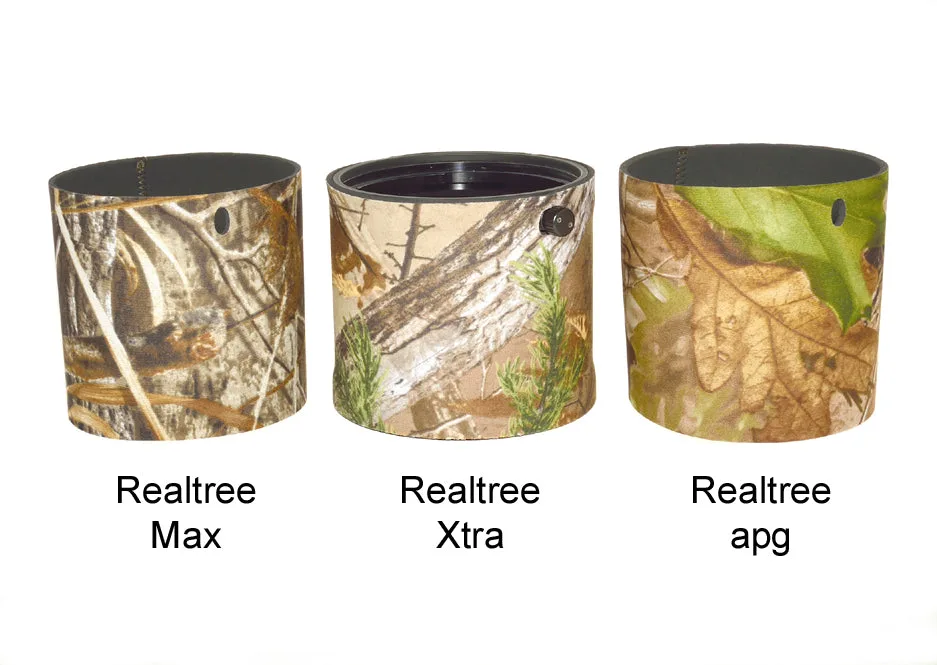
Two Different Approaches to Lens Protection
A UV filter and a lens hood both protect your lens, but they do it in fundamentally different ways. A UV filter screws onto the front of the lens and acts as a transparent barrier against dust, scratches, and impacts. A lens hood attaches to the lens barrel and extends outward, shielding the front element from stray light, rain, and physical bumps.
Choosing between them depends on your shooting environment and the type of protection you prioritize. For many photographers, the best solution is actually both, but understanding the trade-offs helps you decide when to use each.
UV Filter vs Lens Hood: Key Differences
Here's how the two accessories compare across the factors that matter most for lens safety and image quality.
- Physical protection: A UV filter covers the entire front element, guarding against scratches, dust, and minor impacts. A lens hood provides a buffer around the lens, reducing the chance of direct contact with objects, but leaves the glass exposed.
- Image quality impact: A high-quality UV filter with multi-coatings (like the K&F Concept 72mm MCUV with 18 layers) has minimal effect on sharpness and color. A lens hood does not affect optical quality directly, but it prevents flare and ghosting by blocking stray light.
- Protection from elements: A UV filter blocks UV rays and reduces blue tones, but does little against rain or snow. A lens hood offers better protection from rain, snow, and dust by keeping them away from the front element.
- Convenience: A UV filter stays on the lens permanently and does not add bulk. A lens hood can be reversed for storage but adds size, especially on wide-angle lenses.
- Cost: A UV filter is relatively inexpensive (e.g., the K&F Concept 72mm MCUV is $6.92). Lens hoods vary widely by brand and lens model, but are often included with the lens or cost extra.
What a UV Filter Actually Offers
-
K&F Concept 72mm UV Lens Protection Filter: The K&F Concept 72mm MCUV Lens Protection Filter (K-Series) prevents UV rays while protecting your lens from dust and scratches. It features 18 multi-coated layers and an ultra-slim 3.3mm design. This shows that a modern UV filter can provide both UV protection and physical defense without adding significant bulk or degrading image quality. The ultra-slim profile prevents vignetting on wide-angle lenses, a common concern with thicker filters.
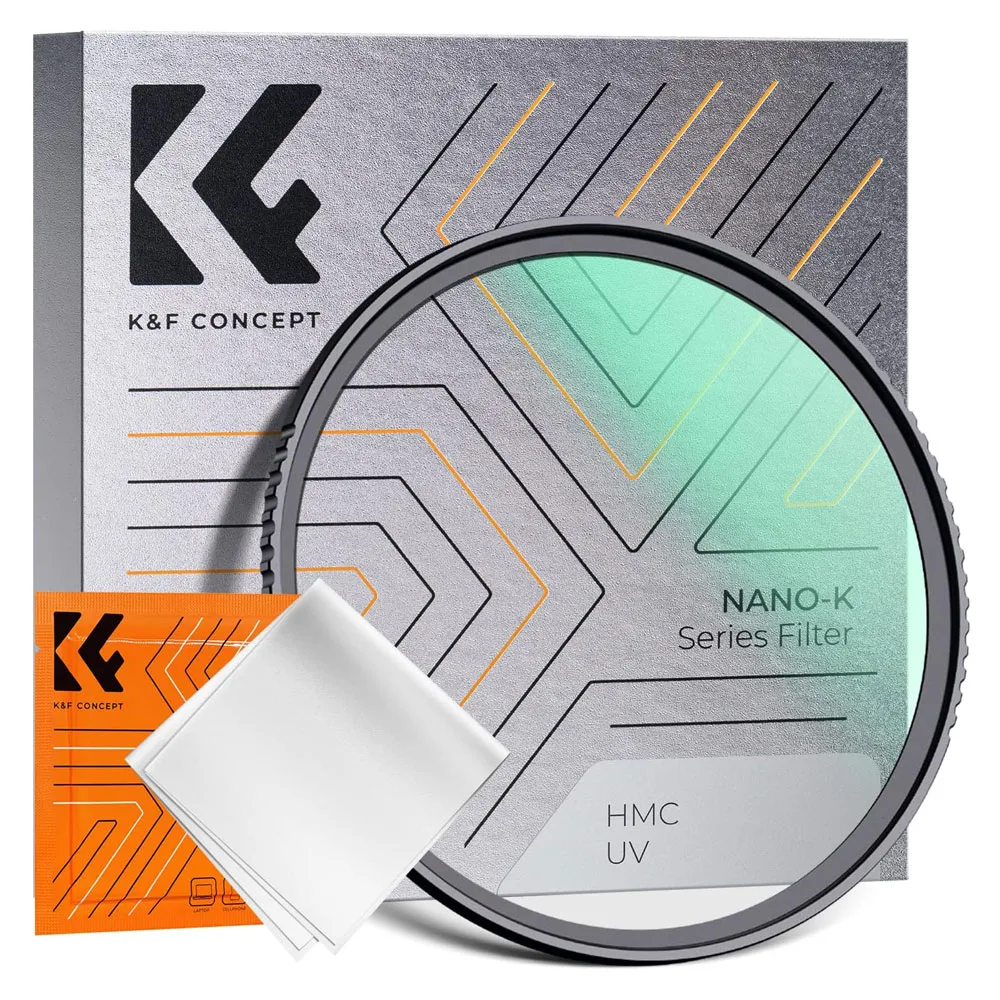
K&F Concept 72mm UV Lens Protection Filter
-
K&F Concept 72mm UV Lens Protection Filter: The filter is crafted from imported AGC optical glass with 94% light transmittance, and its CNC-Non-Slip frame makes attachment and removal easy. High light transmittance means minimal impact on exposure and clarity. The non-slip frame is a practical detail for quick lens changes in the field.
When a UV Filter Is the Better Choice
A UV filter is ideal when you want continuous protection without changing your shooting routine. It works well in dusty or sandy environments, during events where the lens might get bumped, or when you simply want a sacrificial layer that can be replaced cheaply if scratched.
The K&F Concept 72mm MCUV filter, for example, is a low-cost way to protect a 72mm lens from everyday wear. Its multi-coatings reduce reflections and glare, so you can leave it on without worrying about flare in most conditions.
When a Lens Hood Is the Better Choice
A lens hood excels at blocking stray light that causes flare and reducing contrast, especially when shooting outdoors or with strong side lighting. It also provides a physical barrier that can deflect rain and accidental contact better than a filter alone.
For landscape or street photographers who shoot in bright conditions, a hood is often more valuable than a UV filter. However, it does not protect the glass from scratches or dust, so you may still want a filter underneath.
Can You Use Both?
Yes, many photographers use a UV filter as a permanent protective layer and attach a lens hood on top for additional flare control and impact resistance. This combination gives you the best of both worlds: scratch and dust protection from the filter, and stray light and bump protection from the hood.
Just make sure the filter does not cause vignetting when used with the hood, especially on wide-angle lenses. The ultra-slim 3.3mm design of the K&F Concept filter helps minimize this risk.
What the Supplied Information Does Not Confirm
The catalog does not specify whether the K&F Concept 72mm MCUV filter is compatible with specific lens hoods or whether it can be stacked with other filters. Vignetting performance may vary depending on your lens and hood combination. Always test your setup before relying on it in the field.