Why Va à la pêche Works for French Verb Practice
If you are looking for a way to make French verb practice feel less like a drill and more like play, the Va à la pêche card game is a strong option. This hands-on resource turns the classic Go Fish game into a tool for learning and practicing French verbs conjugated with "être." Instead of memorizing conjugation charts, students ask for cards, match verbs, and build confidence through repetition that feels natural.
Because the game format encourages interaction, it works well for both classrooms and home use. Kids at different levels can play together, and the game adapts easily to small groups or one-on-one tutoring sessions.
Product Facts for Your Planning
-
Va à la pêche - Auxiliaire "être": Va à la pêche is a French "Auxiliaire être" card game designed as an interactive French learning resource for classrooms and home use. You know the game is built specifically for practicing être, so you can focus your lesson on that verb without needing extra materials.
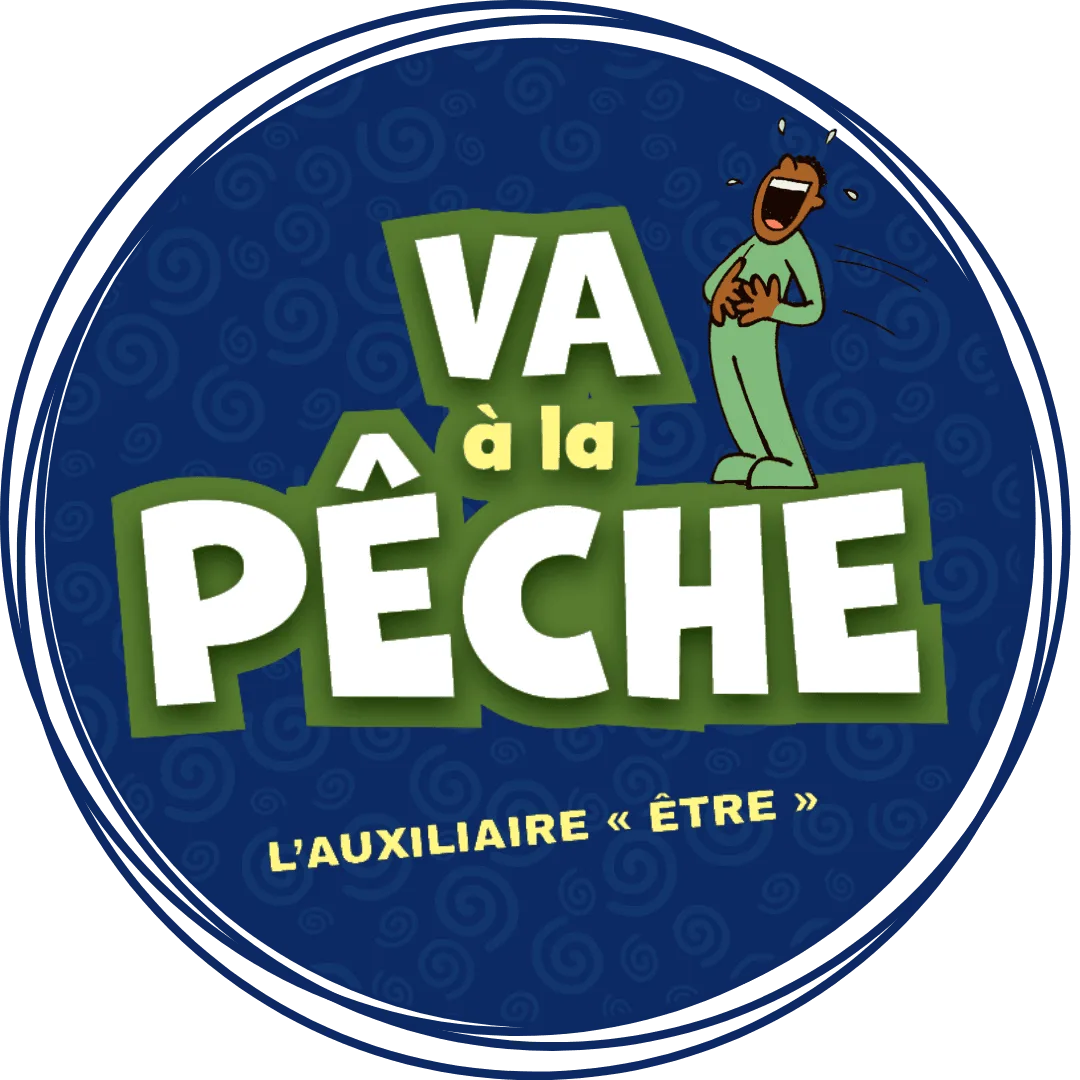
Va à la pêche - Auxiliaire "être"
-
Va à la pêche - Auxiliaire "être": The game is described as a hands-on educational resource that makes learning and practicing French verbs conjugated with "être" fun and effective for students of all levels. This confirms the game is not just for beginners; you can use it with students who need more practice or review.
How to Play Va à la pêche to Practice Être
The game follows the familiar Go Fish pattern, but the cards are built around French verbs that use "être" in their compound tenses. Here is a simple way to run a session.
- Set up the game: Shuffle the cards and deal five to each player if you have a small group, or adjust the number to keep the game moving. Place the remaining cards face down in the middle.
- Explain the goal: The goal is to collect matching pairs of verbs that are conjugated with "être." As players ask for cards, they say the verb name out loud, which reinforces recognition and pronunciation.
- Take turns asking for cards: On your turn, ask another player if they have a specific verb card, using a full sentence like "Est-ce que tu as [verb]?" This adds a natural speaking component to the game.
- Collect pairs and practice conjugation: When a player gets a pair, they set it aside and say the infinitive and a conjugated form, such as "aller - je vais" or "venir - je viens." This turns the game into a mini conjugation drill.
- Keep the game moving: If a player does not get the card they asked for, they draw from the pile. The game continues until all pairs are collected. The player with the most pairs wins.
Adapting the Game for Different Levels
One of the strengths of Va à la pêche is that it can be adjusted to fit your students' skill level. For beginners, you might focus only on the infinitive form and ask players to simply name the verb. For more advanced students, you can require them to use the verb in a sentence or conjugate it in a specific tense.
You can also use the game as a warm-up activity, a reward for completing other work, or a regular part of your rotation. Because it is a card game, it is easy to store and pull out whenever you need a quick, engaging review.
What This Guide Does Not Cover
The supplied information confirms the game's purpose and format, but it does not include specific rules for card counts, exact game duration, or age recommendations. If you need those details, check the product packaging or the seller's full description before you buy. The game is suitable for students of all levels, but you may want to review the cards yourself to see which verbs are included and how they match your lesson plan.