Quick answer
Choose MALK Vanilla Oat Milk if you want a creamier, more neutral vanilla base for coffee and cereal; choose MALK Vanilla Almond Milk if you prefer a rich almond flavor with real vanilla extract.
Flavor: real vanilla in two different bases
Both products use real vanilla—MALK Vanilla Oat Milk is made with organic vanilla, while Vanilla Almond Milk uses real vanilla extract and organic almonds. The difference is the base: oat milk has a naturally mild, slightly sweet grain flavor that lets the vanilla come through gently, while almond milk brings a nutty richness that pairs with vanilla for a warmer, more pronounced taste. If you want the vanilla to be the star without competing flavors, oat is the safer pick; if you enjoy a nutty undertone, almond will satisfy.
Texture and performance in coffee and cereal
Oat milk is generally creamier and thicker, making it a reliable choice for coffee where you want a smooth, velvety texture without curdling. Almond milk tends to be lighter and thinner, which can be refreshing in cereal but may feel less substantial in a latte. For cereal, both work well, but oat milk's body clings to flakes a bit more, while almond milk keeps things light and lets the grain flavors dominate. Neither product lists specific fat or protein content on the supplied facts, so if you need precise nutrition for a medical diet, check the label before buying.
Ingredients and what to watch for
The supplied facts highlight that both use real vanilla rather than artificial flavoring, which is a plus for clean-label shoppers. However, the full ingredient lists (including added sugars, gums, or fortification) are not provided, so we can't compare sweetness or allergen profiles beyond the base. If you have a tree nut allergy, almond milk is off the table; oat milk is the clear alternative. For those avoiding gluten, note that oat milk may contain gluten unless certified, so verify the packaging.
Trade-offs at a glance
- Creaminess vs. lightness: Oat milk is creamier and thicker; almond milk is lighter and thinner. Choose oat for coffee and rich textures, almond for a lighter mouthfeel. If you drink lattes daily, oat milk will likely froth and blend more smoothly.
- Flavor intensity: Oat milk has a mild, slightly sweet base that lets vanilla shine gently; almond milk has a nutty base that makes vanilla taste warmer and more pronounced. Pick almond if you want a bolder vanilla-nut flavor; pick oat if you prefer subtle vanilla.
- Allergen and dietary needs: Almond milk contains tree nuts; oat milk may contain gluten unless certified. Neither product's full allergen statement is provided, so always check the label. For nut allergies, choose oat; for gluten sensitivity, confirm the oat milk is certified gluten-free.
Product facts
-
Vanilla Oat Milk: Made with real organic vanilla—not “flavoring.” You get a clean vanilla taste that works in both sweet and savory recipes without artificial aftertaste.
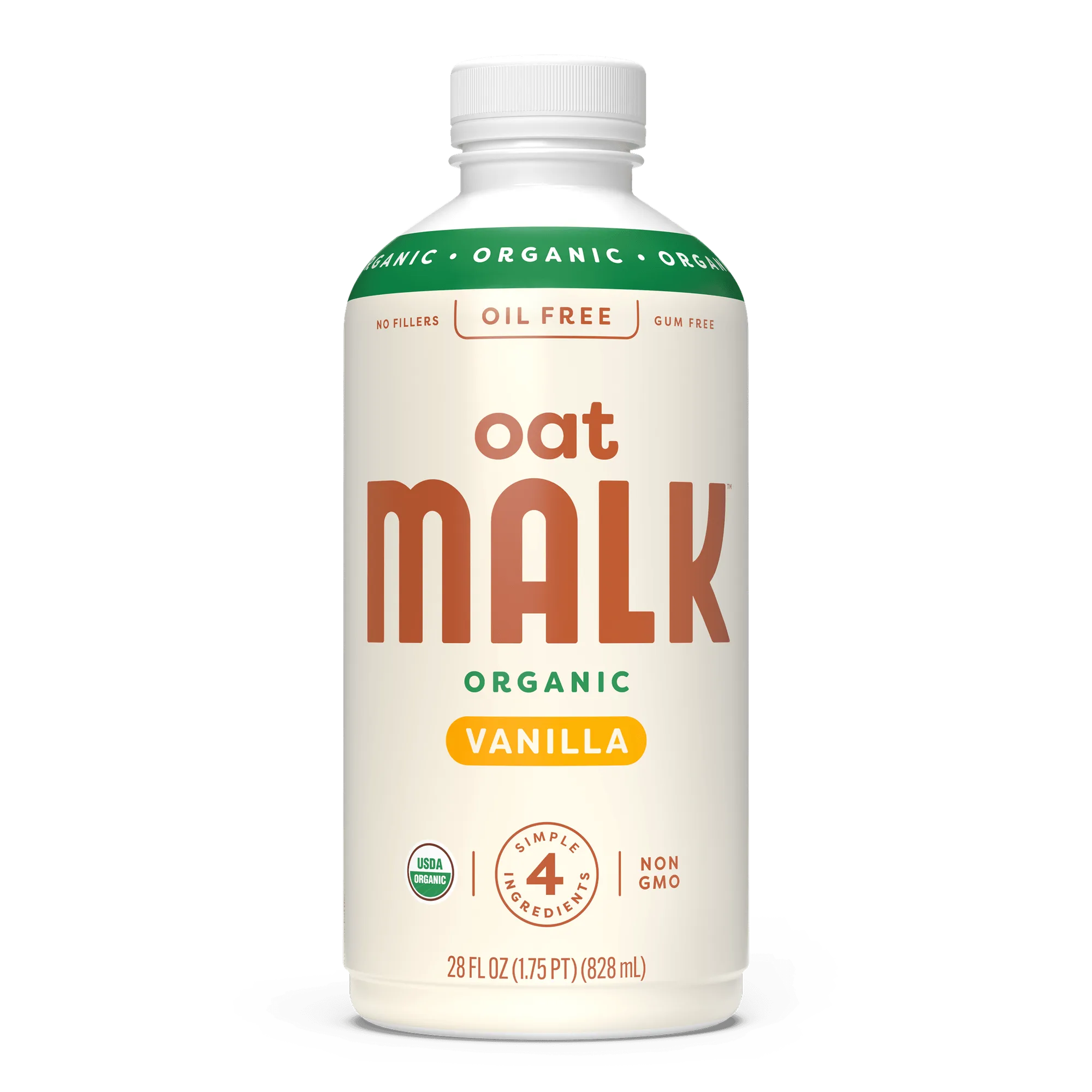
Vanilla Oat Milk
-
Vanilla Almond Milk: Made with real vanilla extract and organic almonds. The almond base adds a rich, nutty flavor that complements the vanilla, ideal if you enjoy a more pronounced taste.
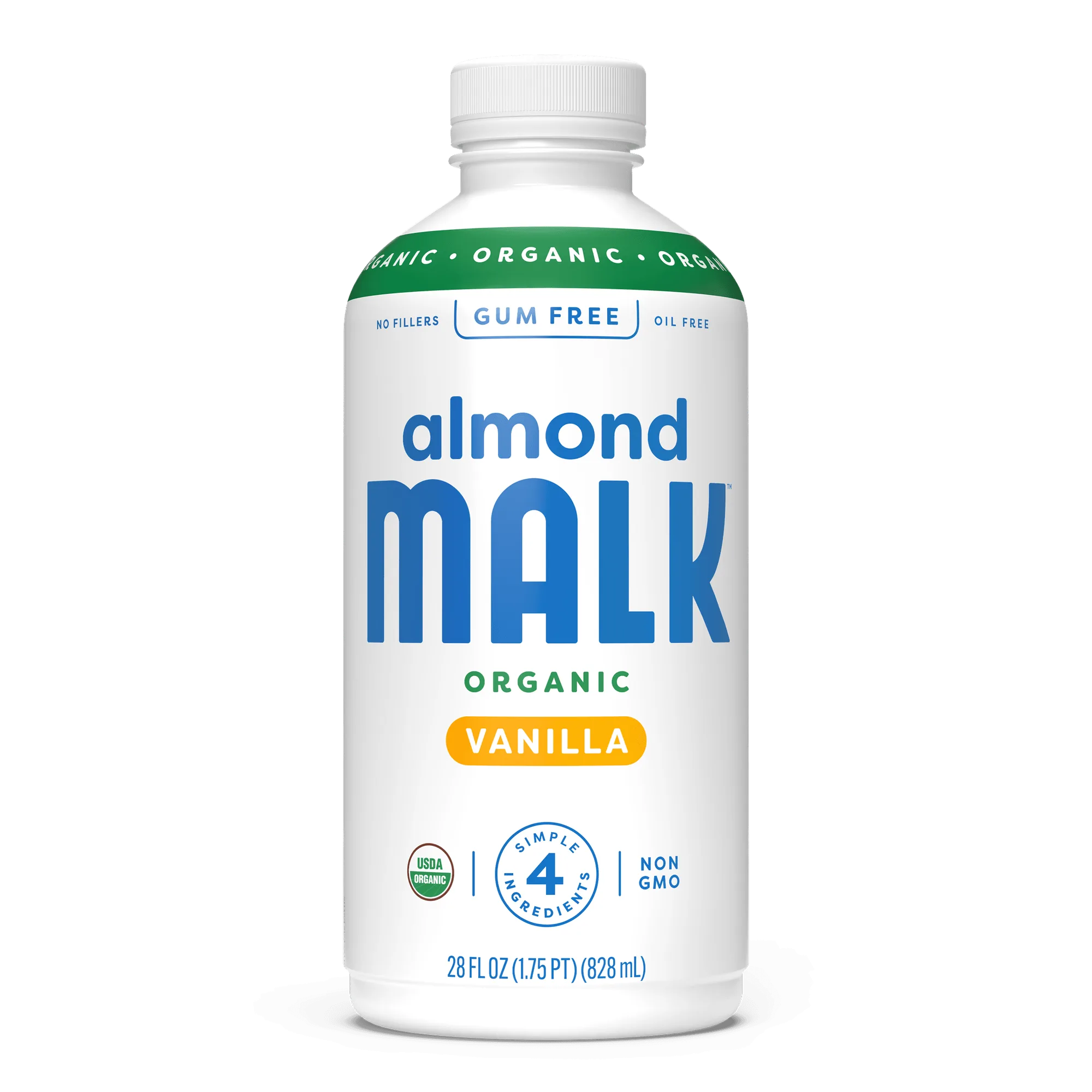
Vanilla Almond Milk
Which should you pick?
Best for
- Coffee drinkers who want a creamy, neutral vanilla milk that won't overpower their brew
- Anyone with a tree nut allergy looking for a dairy-free vanilla option
- People who prefer a subtle vanilla flavor in cereal and smoothies
Not for
- Those who want a pronounced nutty flavor in their milk
- Shoppers who need a certified gluten-free product (unless the oat milk is labeled as such)
- People avoiding oats for dietary reasons