Why a lotion-to-powder format changes the white-cast problem
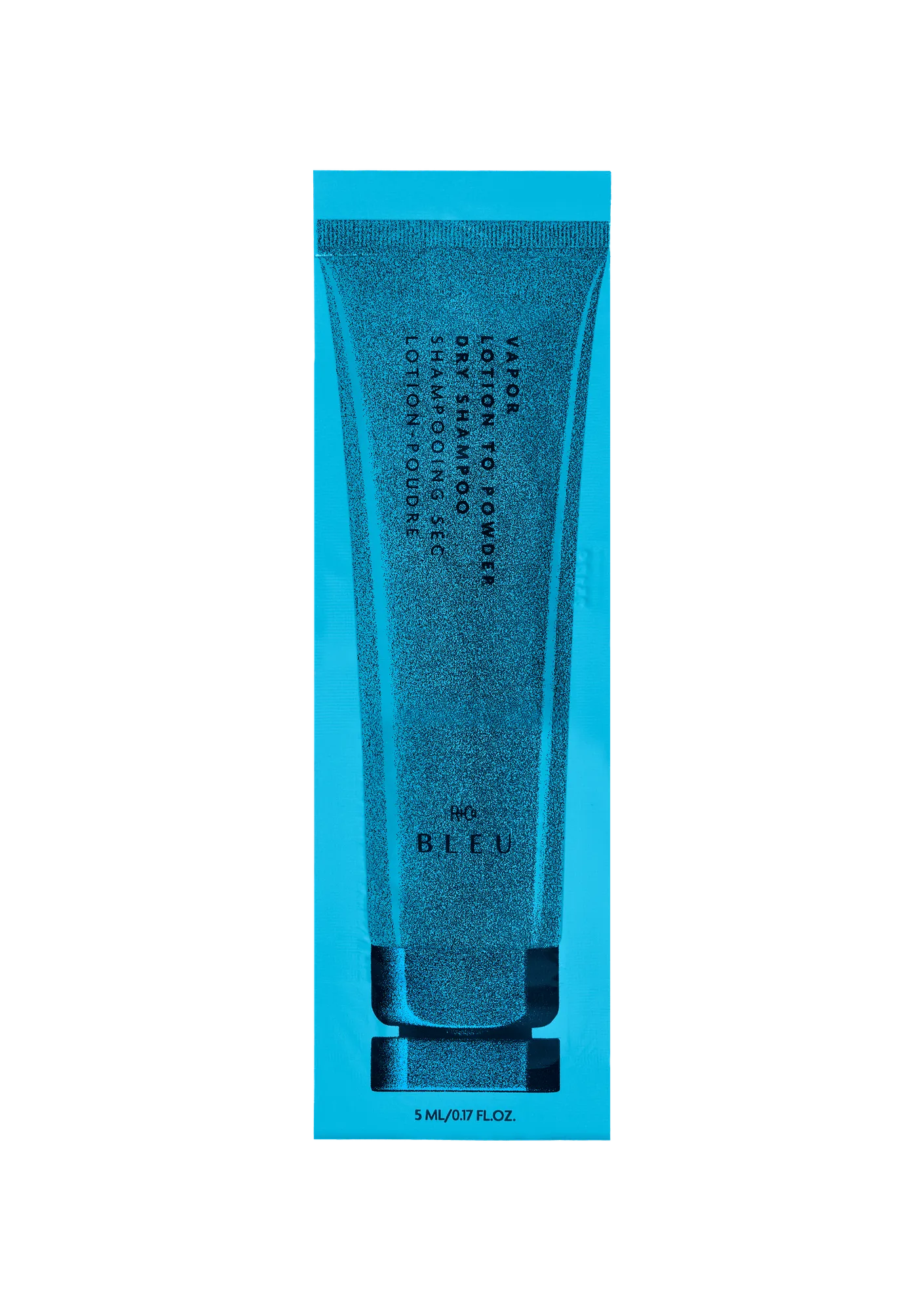
Traditional aerosol dry shampoos can leave a visible powdery film, especially on dark hair. VAPOR LOTION TO POWDER DRY SHAMPOO takes a different route: it starts as a silky, weightless lotion and turns into a powder as you work it through. The catalog describes it as leaving hair and scalp clean, polished and residue-free while keeping your shine.
That lotion-to-powder behavior is the key to avoiding a white cast. Because you control where the lotion goes before it dries down, you can target the roots and any oily areas without spraying a cloud over the whole head. The result is refreshment rather than a chalky overlay.
What the catalog confirms about VAPOR
-
VAPOR LOTION TO POWDER DRY SHAMPOO: Invisible Touch: a silky, weightless lotion-to-powder that reinvents dry shampoo, leaving hair and scalp clean, polished and residue-free. Keep your shine, refresh your style. This is the core promise behind the no-white-cast approach: a residue-free finish that preserves shine instead of dulling it.
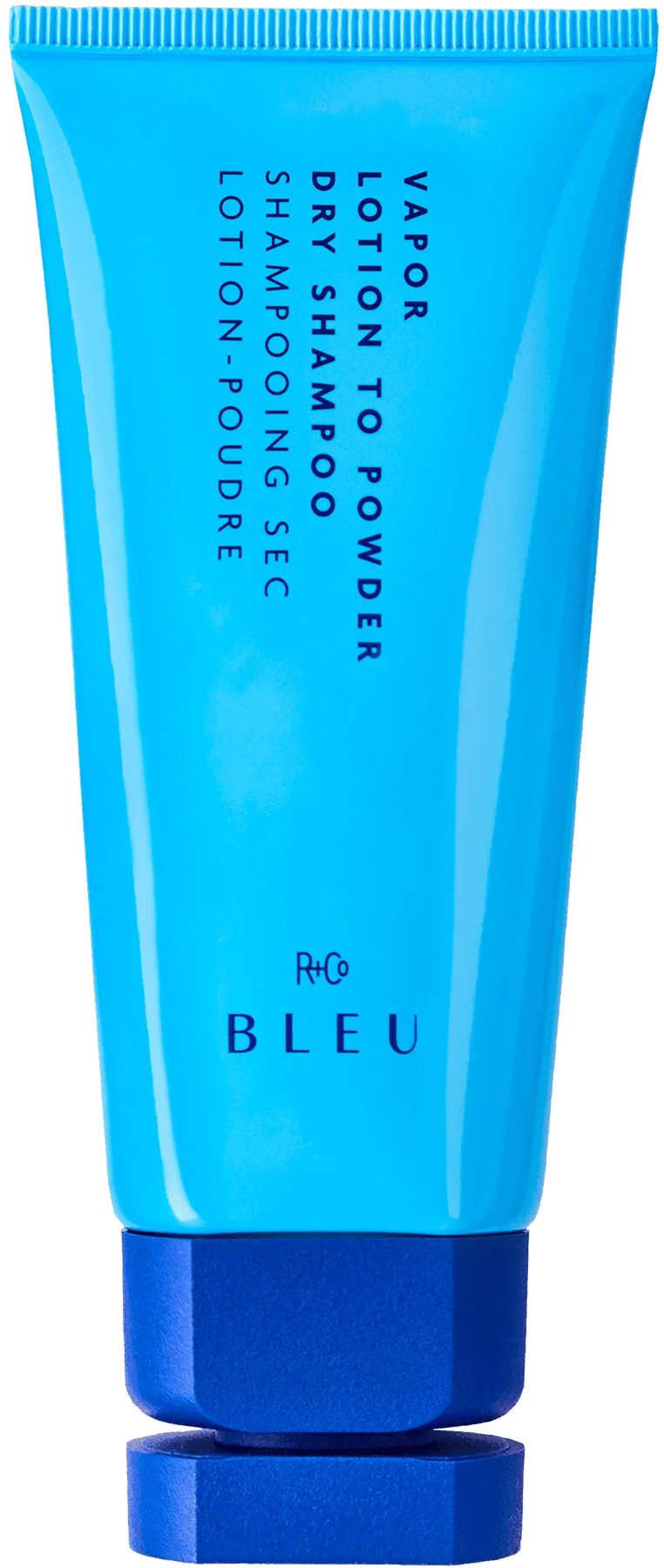
VAPOR LOTION TO POWDER DRY SHAMPOO
-
VAPOR LOTION TO POWDER DRY SHAMPOO: Available in a 3 OZ size. The 3 OZ size is the only variant listed, so you can plan how much to dispense per use without guessing about other sizes.
How to apply VAPOR without a white cast
The catalog does not supply step-by-step instructions, so the sequence below is a practical application method built around the product's lotion-to-powder behavior. It is not a manufacturer protocol.
- Start with dry, styled hair: Dry shampoo works on hair that is already dry. Apply VAPOR to the areas that need refreshing rather than soaking the whole head.
- Dispense a small amount into your palms: Because VAPOR is a lotion, you can see and control the quantity. Start with less than you think you need; you can always add more.
- Work it into the roots with your fingers: Focus on the scalp and root area where oil and buildup collect. Massage the lotion through until it begins to feel powdery rather than wet.
- Let the lotion-to-powder transition finish: Give it a moment to set before styling. This is when the weightless lotion turns into the powder that refreshes your style.
- Brush or tousle to blend: Blend through with your fingers or a brush so no concentrated patch remains. The goal is an even, polished finish with your shine intact.
Application tips for dark hair and fine hair
- Use less on dark hair: Dark hair shows powder most easily. A smaller amount of VAPOR, worked in thoroughly, is easier to blend invisibly than a heavy application.
- Section your hair for even distribution: Parting hair into sections lets you reach the scalp directly and avoid depositing too much lotion in one spot.
- Build in thin layers: If you need more refreshment, add another small amount rather than starting over with a large pump.
- Keep it off the lengths unless needed: The roots usually need the most attention. Applying VAPOR mainly at the scalp helps preserve shine and movement through the ends.
What to expect from the finish
The catalog describes VAPOR as leaving hair and scalp clean, polished and residue-free. That means the intended result is not a matte, chalky texture but a refreshed look that keeps your shine. If you are used to aerosol dry shampoos, the biggest difference is control: you place the product where you want it rather than spraying and hoping.
Because the product is a lotion, it may feel different in your hands than a spray. Work it in until the powdery finish develops, then style as usual.
What the supplied information does not cover
The catalog does not include a full ingredient list, specific usage frequency, or compatibility guidance for sensitive scalps. It also does not provide a manufacturer step-by-step application method. If you have a scalp condition or known sensitivities, check the full product packaging or consult a professional before use. The absence of these details in the catalog is not a claim that the product lacks them; it simply means they are not confirmed by the information available here.