More pet parents are exploring plant-based diets for their dogs, driven by concerns about sustainability, ethics, and potential health benefits. But is vegan dog food truly healthy, or could it put your pup at risk? This comprehensive guide breaks down the science, the nutrients your dog needs, and how to make an informed choice.
Dogs are omnivores, not strict carnivores like cats. While meat has traditionally been the cornerstone of commercial dog food, a well-planned vegan diet can meet all of a dog's nutritional requirements. However, it requires careful attention to protein quality, amino acid profiles, vitamins, and minerals. Let's dive into the details.
What Does a Plant-Based Dog Diet Look Like?
A vegan dog diet excludes all animal products, including meat, dairy, eggs, and fish. Instead, it relies on plant-based protein sources like peas, lentils, chickpeas, soy, and quinoa. Carbohydrates from sweet potatoes, oats, and brown rice provide energy, while fruits and vegetables add fiber, antioxidants, and phytonutrients. Fats can come from flaxseed, coconut oil, or algae oil, which are rich in omega-3 fatty acids.
Commercial vegan dog foods are formulated to be complete and balanced, meaning they meet AAFCO (Association of American Feed Control Officials) standards. These products typically include synthetic taurine, L-carnitine, vitamin D3, and B vitamins to compensate for nutrients usually found in meat. Homemade vegan diets are riskier and should only be attempted under veterinary guidance.
- Always choose a commercial vegan dog food that states 'complete and balanced' on the label.
Key Nutrients to Watch in a Vegan Dog Diet
Protein is the most critical macronutrient. Dogs need 22 essential amino acids, and while they can synthesize many, 10 must come from food. Plant proteins are often lower in methionine and cysteine, so a blend of sources (e.g., pea protein plus rice) is necessary. High-quality vegan dog foods use precise ratios to ensure adequate protein quality.
Taurine is another concern. Although dogs can produce taurine from methionine and cysteine, some breeds (like Golden Retrievers and Cocker Spaniels) are prone to taurine deficiency. Commercial vegan foods often add synthetic taurine. Vitamin D3 (cholecalciferol) is typically from lanolin (sheep's wool) but can be derived from lichen for vegan formulations. Vitamin B12 must always be supplemented, as it's not found naturally in plants. Iron and zinc from plant sources are less bioavailable, so levels are boosted in vegan formulas.
- Look for added taurine, L-carnitine, vitamin D3, and B12 in any vegan dog food.
Potential Benefits of Vegan Dog Food
Some studies suggest that vegan diets may reduce the risk of certain health issues. For example, a 2023 study published in the journal *PLOS ONE* found that dogs fed a vegan diet had fewer veterinary visits and lower rates of obesity, dental disease, and gastrointestinal problems compared to those on conventional meat-based diets. The high fiber content can promote regular bowel movements and may help with weight management.
Additionally, vegan diets eliminate common allergens like beef, chicken, and dairy, which can trigger skin and digestive issues. For dogs with food sensitivities, a plant-based diet might be a game-changer. Environmental benefits are also a strong motivator: livestock production has a high carbon footprint, and choosing vegan dog food can reduce your pet's ecological pawprint.
- Vegan diets may help with weight control thanks to lower calorie density and higher fiber.
Risks and Considerations
The biggest risk of a vegan dog diet is nutritional deficiency, especially if the food is not properly formulated. Homemade vegan diets are particularly dangerous—studies show that over 90% of homemade dog food recipes (vegan or not) are nutritionally incomplete. Even with commercial foods, not all brands are created equal. Some may have insufficient protein, imbalanced amino acids, or low bioavailability of minerals.
Dogs with certain medical conditions—such as kidney disease, pancreatitis, or urinary crystals—may not be suitable candidates for a vegan diet. Always consult your veterinarian before making the switch. Regular blood work and urine tests can help monitor your dog's health. Puppies, pregnant or nursing dogs, and senior dogs have higher nutritional demands and may require extra caution.
- Work with a veterinarian or a board-certified veterinary nutritionist when transitioning to vegan dog food.
How to Transition Your Dog to a Vegan Diet
Switching your dog's food abruptly can cause digestive upset. Start by mixing 25% new vegan food with 75% old food for 2–3 days. Gradually increase the proportion to 50/50 for another 2–3 days, then 75/25, and finally 100% vegan. Monitor your dog's stool consistency, energy levels, and coat condition during the transition. If you notice vomiting, diarrhea, or lethargy, slow down the process or consult your vet.
Some dogs may turn up their nose at plant-based food initially. You can enhance palatability by warming the food slightly, adding a small amount of unsalted vegetable broth, or mixing in a spoonful of pumpkin puree. Be patient—it can take up to two weeks for a dog to accept a new diet. Once your dog is fully transitioned, consider rotating between different vegan formulas to provide variety and a broader nutrient profile.
- Keep a journal of your dog's appetite, energy, and stool quality during the first month.
Choosing a High-Quality Vegan Dog Food
When selecting a vegan dog food, check the ingredient list for a named protein source (e.g., pea protein, potato protein) rather than vague terms like 'plant protein.' Look for the AAFCO nutritional adequacy statement, which confirms the food is complete for your dog's life stage. Avoid foods with artificial colors, flavors, or excessive fillers.
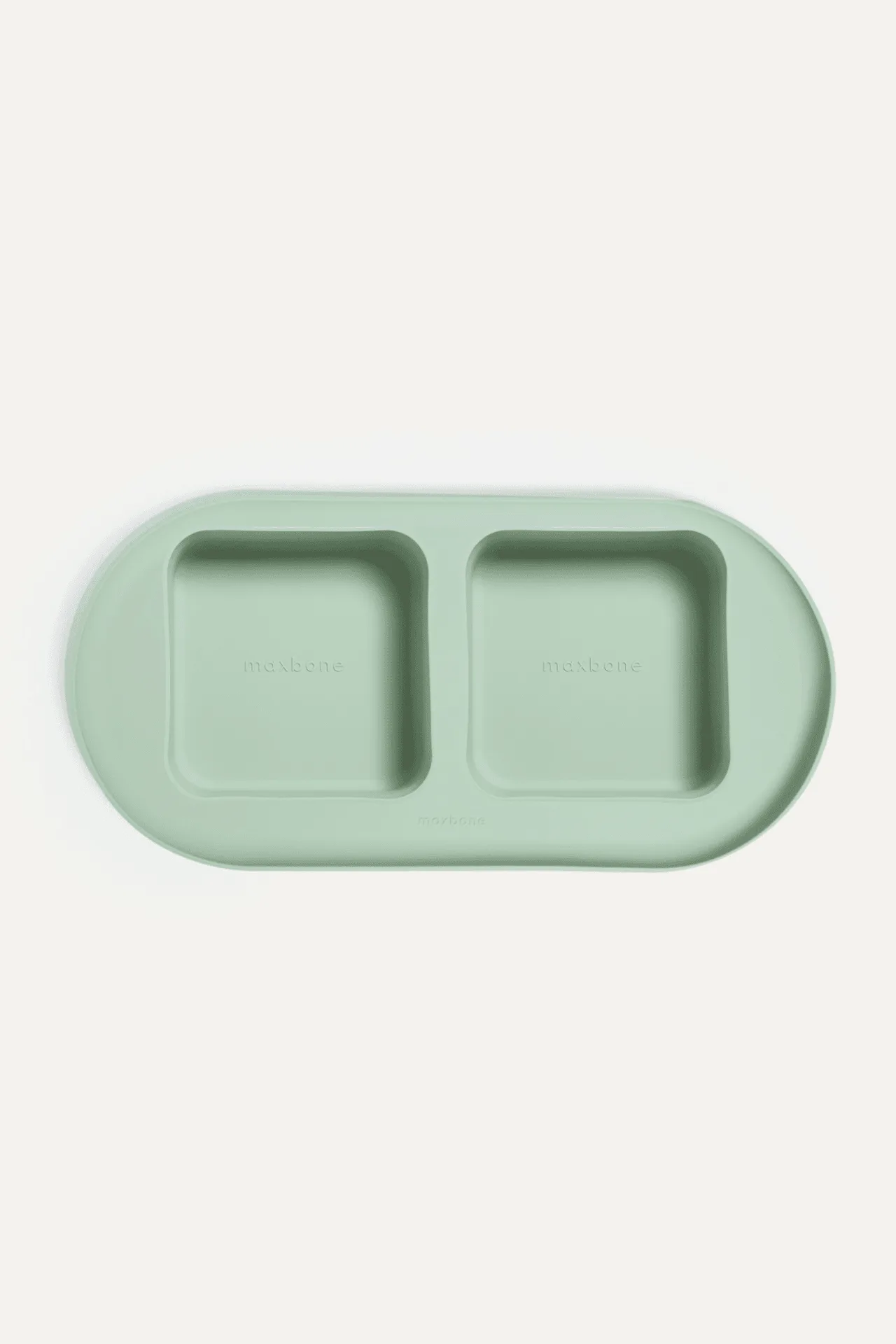
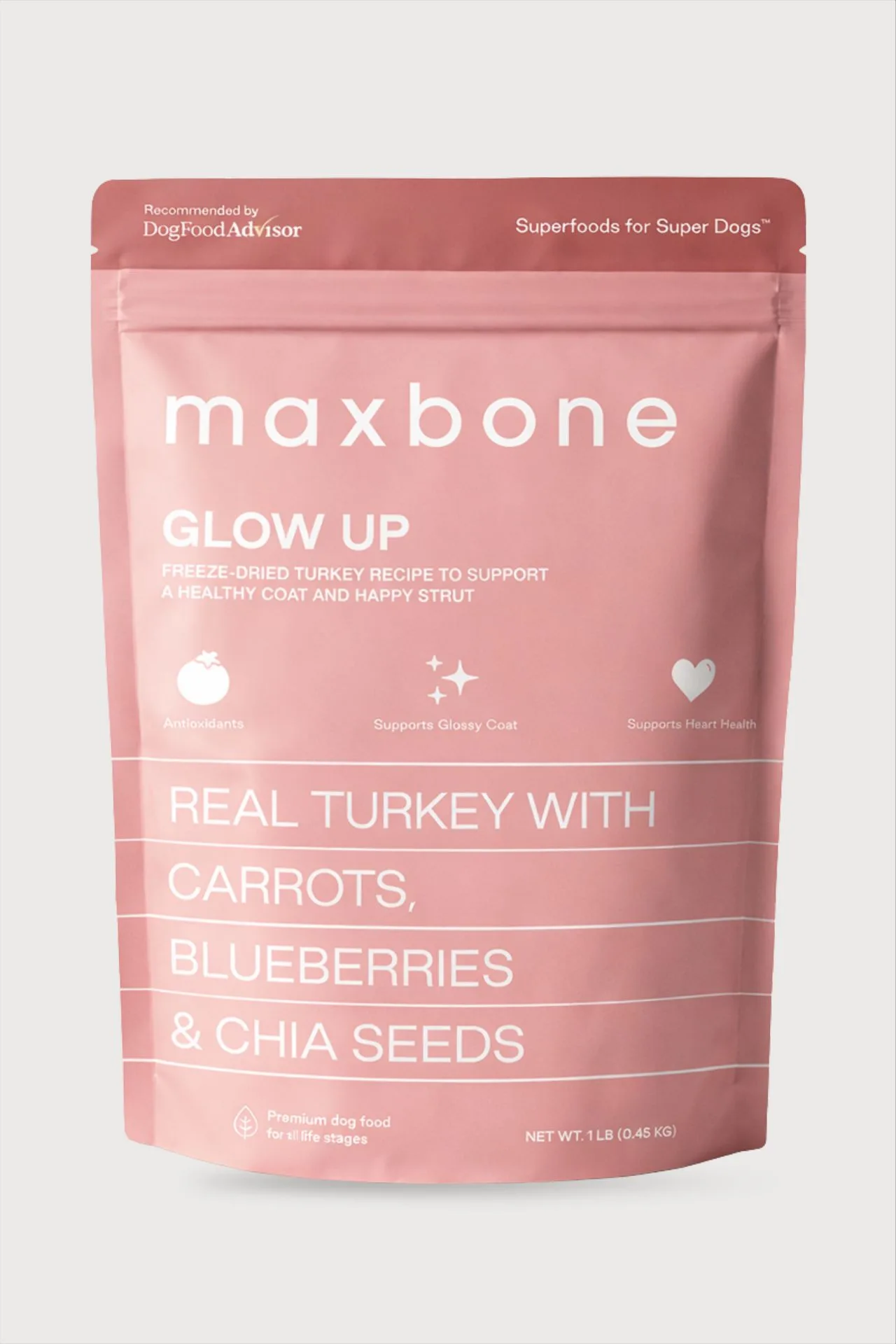
Consider your dog's individual needs. For active dogs, a higher protein content (25–30% on a dry matter basis) may be beneficial. For seniors or dogs with joint issues, formulas with added glucosamine and chondroitin (often derived from plant sources like algae) can be helpful. Brands like Maxbone offer thoughtfully crafted options that prioritize nutrition and sustainability. For instance, the Freeze-dried Raw Turkey Recipe is a protein-rich choice, but if you're committed to a plant-based path, look for their vegan-friendly alternatives. You might also appreciate the Go! Portable Bowls for easy feeding on the go, paired with a balanced vegan kibble.

Go! Portable Bowls
- Check for third-party testing or certification from organizations like the Vegan Society or AAFCO.
Vegan dog food can be a healthy, ethical, and sustainable choice when done right. The key is choosing a complete and balanced commercial formula, consulting your vet, and monitoring your dog's health. If you're ready to explore plant-based options, check out Maxbone's selection of high-quality dog food and accessories to support your dog's wellness journey.