Quick answer
Coconut milk gives vegan pumpkin soup a naturally sweet, lightly tropical flavour and a creamy body without dairy. If you want that balance without cooking from scratch, a ready-made vegan pumpkin and coconut soup is the most reliable route, because the coconut milk is already blended in and seasoned. Heat it gently on the stovetop and taste before adding anything.
What does vegan pumpkin and coconut soup actually taste like?
Expect two layers. The pumpkin brings a soft, earthy sweetness; the coconut milk brings a round, slightly nutty creaminess that softens the edges. It is not a spicy soup unless something else in the recipe adds heat, and it is not dessert-sweet either. The finish is usually mild and comforting, which is why it works as a starter or a light lunch rather than a heavy dinner on its own.
The biggest variable is the pumpkin itself. Varieties differ in water content and natural sugar, so one batch can taste deeper and denser than another. That is normal, not a fault. If you are buying ready-made, the recipe has already balanced that for you, so the flavour should be consistent from pouch to pouch.
Does coconut milk make the soup taste like coconut?
It can, and how much depends on the ratio and the type of coconut milk used. Full-fat coconut milk carries a stronger coconut aroma; lighter versions or coconut milk diluted with water are subtler. In a pumpkin soup, the pumpkin usually leads and the coconut sits underneath as a creamy note rather than a dominant flavour.
If you are cooking at home and want less coconut, start with less and add more only if the texture feels thin. If you are buying ready-made, read the ingredients list to see where coconut milk sits. Ingredients are listed by weight, so a coconut milk that appears after pumpkin and water is likely a supporting player, not the headline.
Is coconut milk soup safe for dairy-free and nut-free diets?
Coconut milk is naturally dairy-free, so it suits lactose-free and vegan diets. Coconut is botanically a fruit, not a tree nut, but some people with tree nut allergies are still advised to avoid it, so treat that as a personal medical question rather than a blanket rule.
For a ready-made soup, the reliable move is to read the allergen statement on the pack rather than assume. Coconut itself is the obvious one to check, but soups can also contain soy, celery, or traces from shared production lines. If you have a serious allergy, contact the manufacturer directly for the current allergen information before buying.
How should you heat a ready-made vegan pumpkin soup?
Gently, and on the stovetop if you can. Coconut milk soups can split or turn grainy when they are boiled hard, and pumpkin soups can catch on the base of the pan. Pour it into a saucepan over medium-low heat, stir occasionally, and pull it off the heat as soon as it is hot through.
A microwave works if you go in short bursts and stir between them, but you get less control. Avoid reducing the soup down to thicken it; you will concentrate the salt and lose the creamy texture. If it feels too thick after heating, loosen it with a splash of water or unsweetened plant milk rather than more coconut milk.
What can you add to make it a fuller meal?
Pumpkin and coconut soup is light, so build around it rather than expecting it to carry a whole meal. Toasted pumpkin seeds add crunch and a little protein. A slice of crusty bread or a grain like rice or quinoa turns it into something more substantial. A swirl of olive oil or a pinch of chilli flakes lifts the flavour without changing its character.
Keep additions simple. Strong flavours like heavy spice blends or sharp cheese will fight the coconut. If you are serving it as a starter, a small portion is enough; if it is the main event, plan a side that brings protein and texture.
How long does it keep, and can you freeze it?
Follow the storage instructions on the pack, since these vary by product and by whether it is chilled or shelf-stable. As a general rule, once heated, treat leftovers like any cooked soup: cool them quickly, refrigerate, and use within a few days.
Freezing is possible but comes with a texture trade-off. Coconut milk can separate during freezing and thawing, so the soup may look grainy when reheated. It is still safe to eat, and a gentle whisk over low heat usually brings it back together, but the texture will not be quite as smooth as fresh.
Quick answers to the questions people ask most
Does it taste strongly of coconut?
Usually no. Pumpkin leads and coconut milk sits underneath as a creamy note. Full-fat coconut milk is more noticeable than a lighter version, and in a ready-made soup the ingredient order tells you how prominent it is. If you dislike coconut, taste a spoonful before committing to a full bowl.
Is it gluten-free?
The soup base is typically gluten-free, but check the pack. Thickeners, stocks, or shared production lines can introduce gluten, and the label is the only reliable source. Read the allergen and ingredient statement rather than assuming.
Can I make it spicy?
Yes, and it takes heat well. A pinch of chilli flakes, a little grated ginger, or a drizzle of chilli oil added after heating keeps the coconut and pumpkin balance intact. Add heat at the bowl, not the pan, so you can adjust per serving.
Why did my soup split or look grainy?
Coconut milk separates when it is boiled hard or frozen and thawed. Reheat gently over medium-low heat and whisk; the texture usually comes back, though it may not be perfectly smooth. Never boil a coconut milk soup to speed up heating.
Is it filling enough on its own?
Not usually. It is light and vegetable-based, so pair it with bread, grains, or seeds for a complete meal. If you want something more substantial, a vegetable-heavy pad thai or a savoury broth works as an alternative. Treat the soup as a base and build the meal around it.
Product facts worth knowing
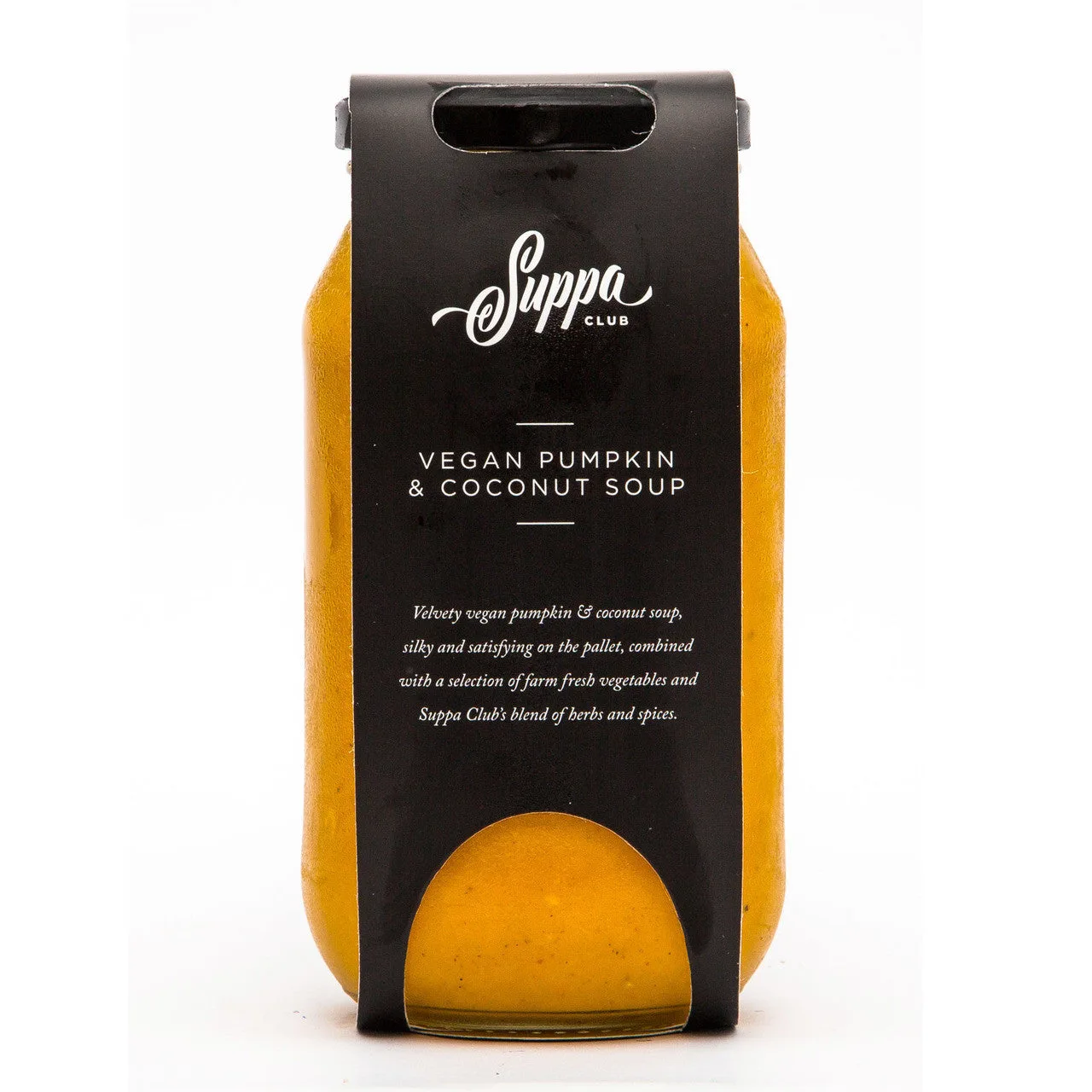
- Vegan Pumpkin and Coconut Soup: Vegan Pumpkin and Coconut Soup, USD 8.68 (catalog comparison price USD 12.95). The catalog notes pumpkin is high in beta-carotene, a precursor to vitamin A, and describes it as nutrient dense and low in calories. Useful if you want a light, vegetable-forward soup rather than a heavy cream-based one, and the price makes it easy to keep on hand.
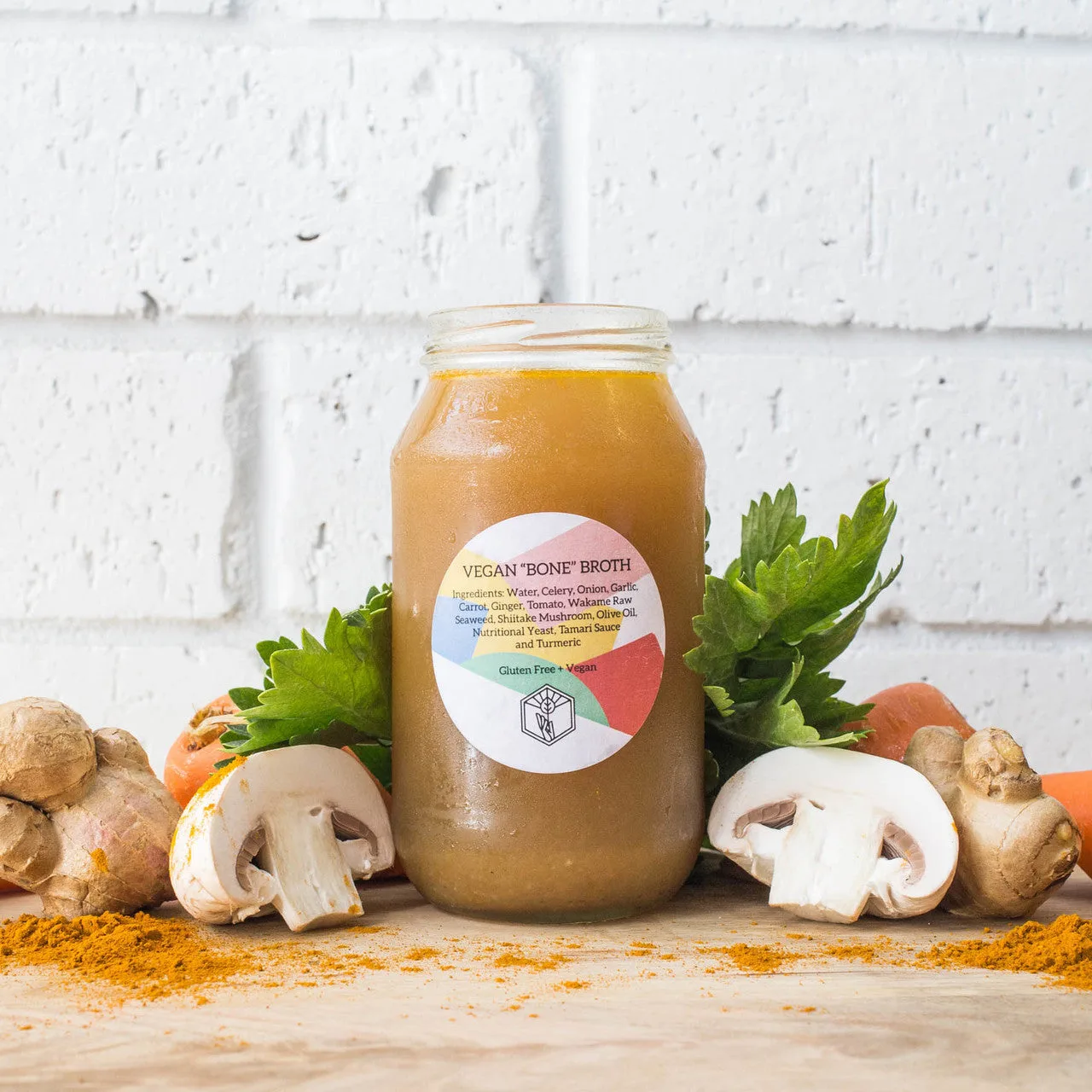
- Vegan "Bone" Broth: Vegan "Bone" Broth, USD 8.94 (catalog comparison price USD 12.95), made with antioxidant-rich vegetables, ginger, turmeric, and wakame seaweed, and described as high in B vitamins including B12. A warming, savoury option if you want something broth-like rather than creamy, and a way to add B12 to a plant-based day.
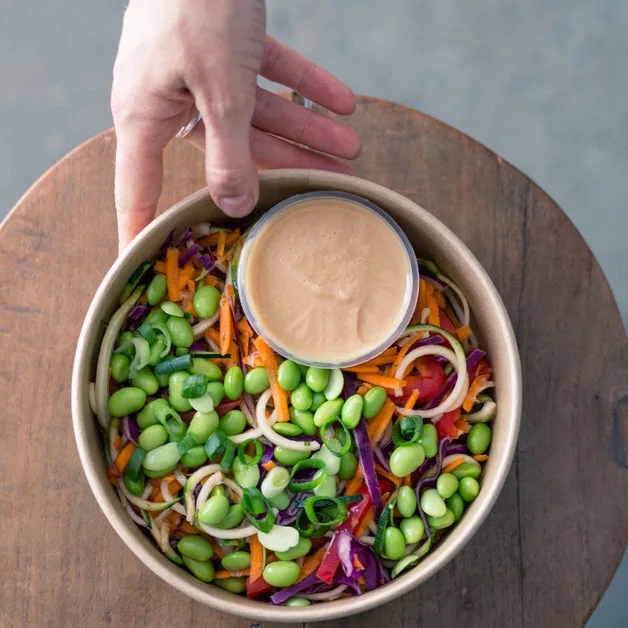
- Plant Based Pad Thai: Plant Based Pad Thai, USD 10.56 (catalog comparison price USD 16.50), described as high in vegetables and a good hydrator for skin, helping you reach five servings of vegetables a day. A heartier choice when soup alone will not fill you up, and a way to add vegetable volume to lunch or dinner.