Start with what makes these balls cleanable
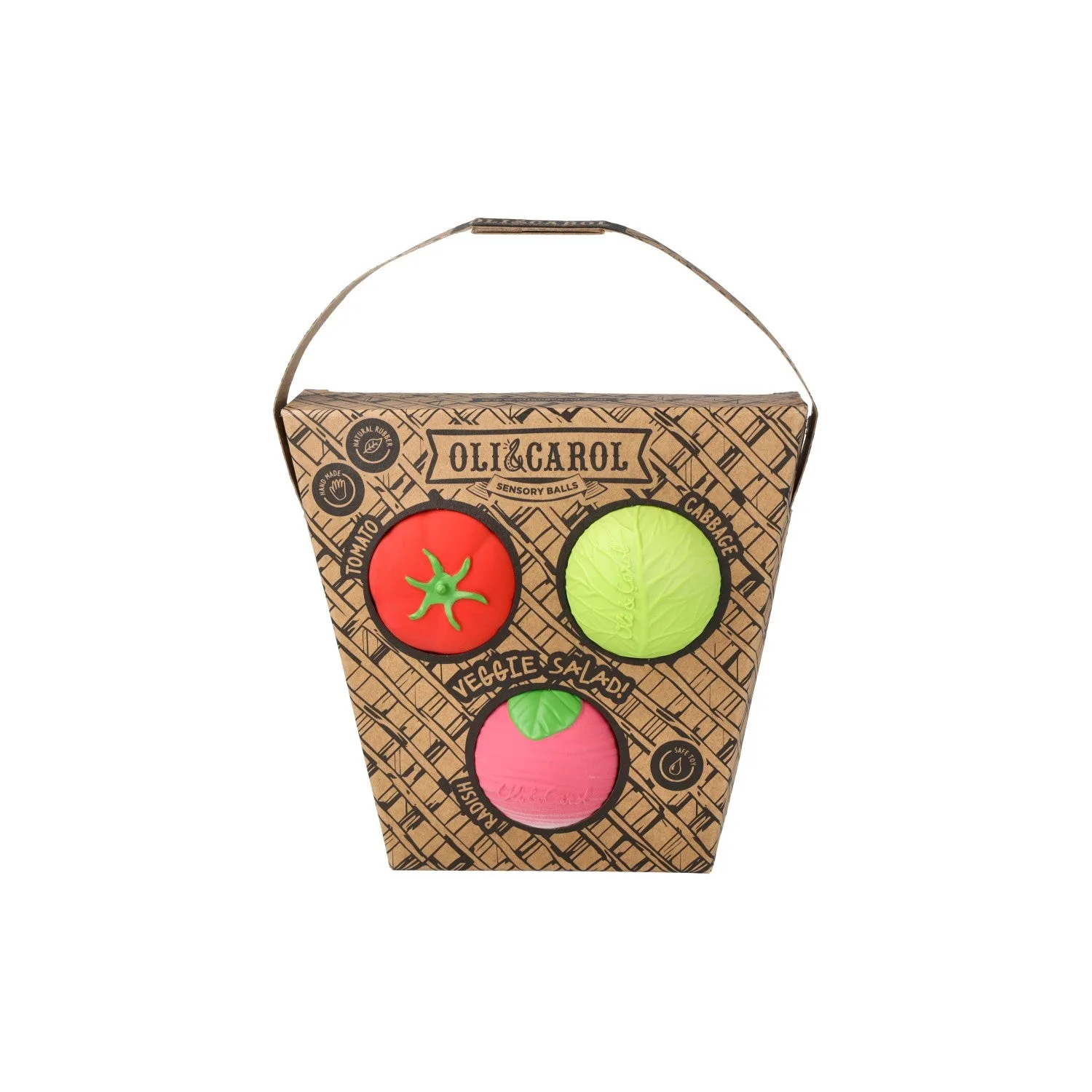
The Veggie Salad Baby Sensory Balls are made from 100% natural rubber from Hevea trees and are hand painted with natural pigments. The record also states they are made with no holes, which helps prevent the creation of bacteria and mold. That closed surface is the key reason a simple surface-wash routine works well for these sensory balls.
Because each piece is uniquely handmade, slight variations in color and shape are normal. Treat each ball as an individual item and check it before and after washing rather than assuming all three will behave identically.
Product details that shape your care routine
-
Veggie Salad Baby Sensory Balls: Made from 100% natural rubber from Hevea trees; hand painted with natural pigments. Natural rubber and hand-painted surfaces need gentle handling, so avoid harsh scrubbing or abrasive cleaners that could dull the paint.
Veggie Salad Baby Sensory Balls
-
Veggie Salad Baby Sensory Balls: Made with no holes, preventing the creation of bacteria and mold. A hole-free design means water and residue cannot get trapped inside, so surface washing is the logical approach.
-
Veggie Salad Baby Sensory Balls: Each sensory ball is 5 cm in diameter; the set includes radish, tomato, and cabbage designs. The small size makes them easy to rinse and inspect, but also means they should be checked regularly for wear.
A simple washing routine for sensory balls
The supplied record does not include manufacturer cleaning instructions, so the steps below are a conservative, general approach for natural-rubber toys. Always follow any care information that comes with your set.
- 1. Rinse after play: Wipe or rinse the balls with plain water after each use, especially after they have been mouthed or used in the bath. The record confirms they float safely on water, so a quick rinse is practical.
- 2. Use a mild soap if needed: For a deeper clean, use a small amount of mild, fragrance-free soap and rub the surface gently with your fingers or a soft cloth. Avoid abrasive sponges that could scratch the hand-painted finish.
- 3. Rinse thoroughly: Rinse again with clean water to remove any soap residue, since babies may put the balls in their mouths.
- 4. Shake off excess water and air-dry: Shake off excess water and leave the balls to air-dry completely on a clean towel or drying rack. Because they have no holes, water does not get trapped inside, but the surface should still be fully dry before storage.
- 5. Inspect before storing: Check for any signs of wear, such as cracks, paint loss, or a sticky surface. If you notice damage, stop using that piece and replace it.
Everyday habits that keep the set hygienic
- Designate the set for clean play: The record lists these as teethers, bath toys, sensory toys, and decorative objects. Keep a separate routine for bath use: rinse and dry after every bath to prevent soap residue or mildew.
- Store dry and uncovered: Store the balls in a dry, well-ventilated spot rather than a sealed, damp container. The hole-free design helps, but trapped moisture on the surface can still encourage mold.
- Check the age range: The record states an age range of 0+ certified and recommends the set for babies 7 months and older. Always supervise play, especially with younger babies.
What the supplied information does not cover
The product record does not include specific cleaning instructions, such as whether the balls are dishwasher-safe, what water temperature to use, or which cleaning agents are recommended or prohibited. It also does not confirm sterilisation methods. For those details, check the packaging or contact the manufacturer. The absence of this information in the record is not evidence that the balls cannot be cleaned in a particular way; it simply means those specifics are not confirmed here.
Similarly, the record does not provide guidance on how often to replace the set. Inspect regularly and use your judgement based on wear and tear.