Quick Answer
A vented engine cover is the better choice for most trail and dune riders because it lets hot air escape the engine bay instead of trapping it around the drive belt. A solid cover still makes sense if you ride in deep mud, water crossings, or heavy dust and want maximum shielding. If your machine runs a turbo or you ride slow technical terrain, start with a vented cover and pair it with a fresh heavy-duty belt.
Your UTV engine cover does two jobs that pull against each other: it shields the engine bay from debris, and it traps the heat that builds up inside. On a Polaris RZR or a Yamaha YXZ, that trapped heat is what shortens drive belt life, so the vent question matters more than most riders expect.
This comparison looks at vented versus solid covers on the facts we can actually verify, explains what vents do and do not fix, and gives fit guidance so you can pick the right setup for how you ride.
What Engine Bay Vents Actually Do
Vents give hot air a path out of the engine bay. In a belt-driven UTV, the CVT and drive belt generate serious heat under load, and a sealed cover holds that heat right next to the belt. A vented cover lets some of it escape while still blocking larger debris, which is the compromise most trail riders want.
Vents are not a cure-all. They do not replace belt maintenance, correct clutch setup, or the right belt for your machine. Think of a vented cover as one part of engine bay cooling, not the whole system.
- Check your belt and clutch first if you are fighting repeated belt failures.
- Vents help most in slow, hot, high-load conditions like technical trails and sand.
Solid Covers: Where They Still Win
A solid cover's strength is sealing the engine bay off from mud, water, and heavy dust. If you regularly ride deep mud or cross water, an open vent can let debris and moisture in, which is a real trade-off rather than a marketing point.
The cost is heat retention. A solid cover keeps hot air in the bay, so riders in hot climates or on turbo machines may see belt temperatures climb faster during slow going. If you keep a solid cover, plan on more frequent belt inspection.
- Solid covers suit wet, muddy, or extremely dusty environments.
- If you stay solid, inspect the belt more often and carry a spare.
Vented Covers and the Rest of the Cooling System
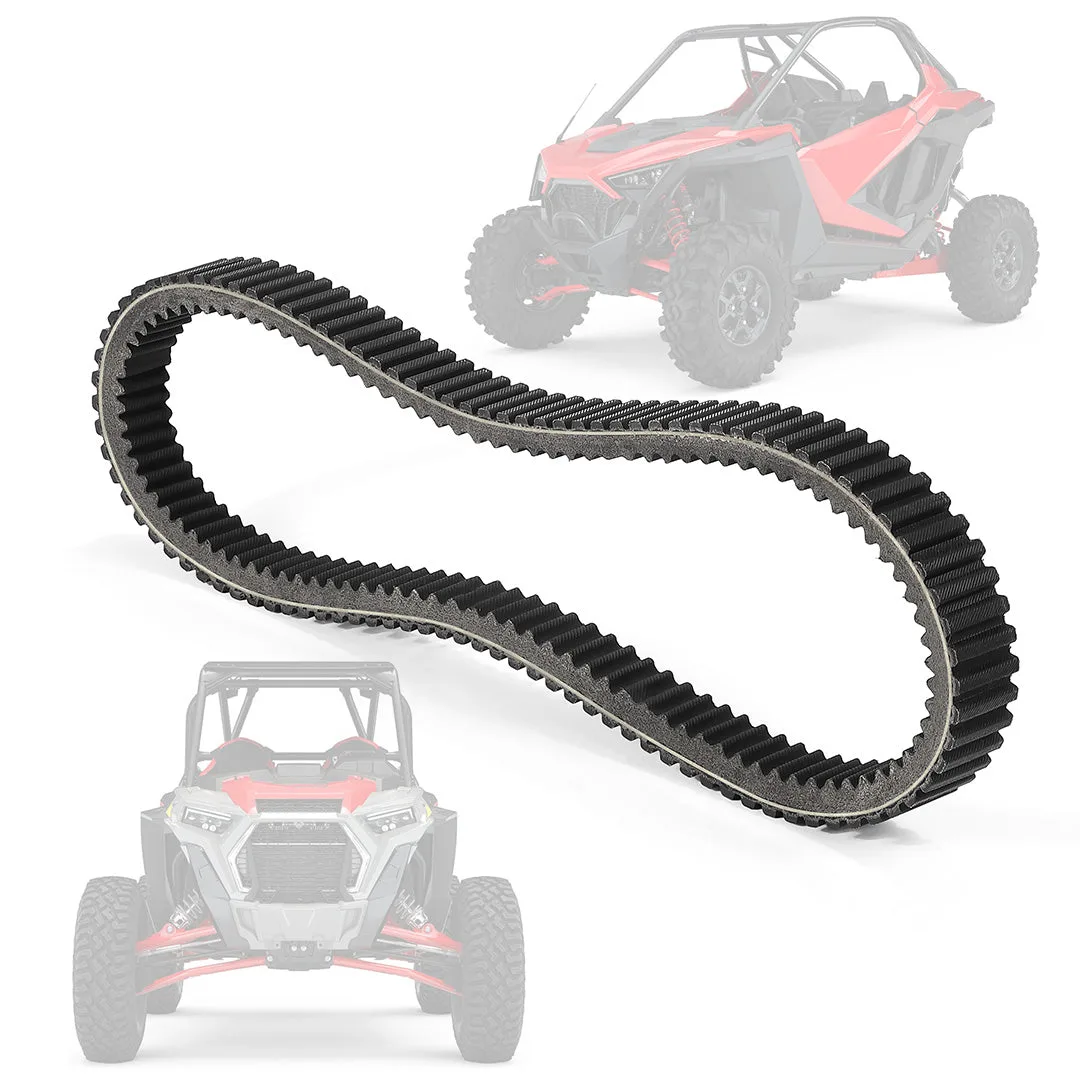
A vented cover only removes part of the heat problem. The drive belt itself has to resist heat and stretch, which is why belt construction matters. The Kemimoto Drive Belt for Polaris RZR PRO XP / XP 4 Turbo uses chloroprene rubber and aramid cord for heat resistance and lists a 45000N tensile strength, so it is built to hold up under the friction of high-speed operation.
Pairing a vented cover with a belt rated for heat and stretch gives you two layers of protection: less heat trapped in the bay, and a belt better able to handle what remains.
- Match the belt to your exact model before buying.
- Replace a glazed or worn belt rather than relying on vents alone.
Fit Guidance Before You Buy
Fitment is the most common mistake in this category. Covers and windshields are model-specific, and a part listed for a Yamaha YXZ will not fit a Polaris RZR. Check your model, year, and trim against the listing before ordering, and confirm whether the cover is designed for your machine's factory mounting points.
If you are adding a vented windshield at the same time, note that the Kemimoto UTV Vented Windshield for YAMAHA YXZ uses a sliding vent you open on warm days and close for wind and rain, with no tools required. It is a different part than an engine cover, but it shows the same vented-versus-sealed trade-off in practice.
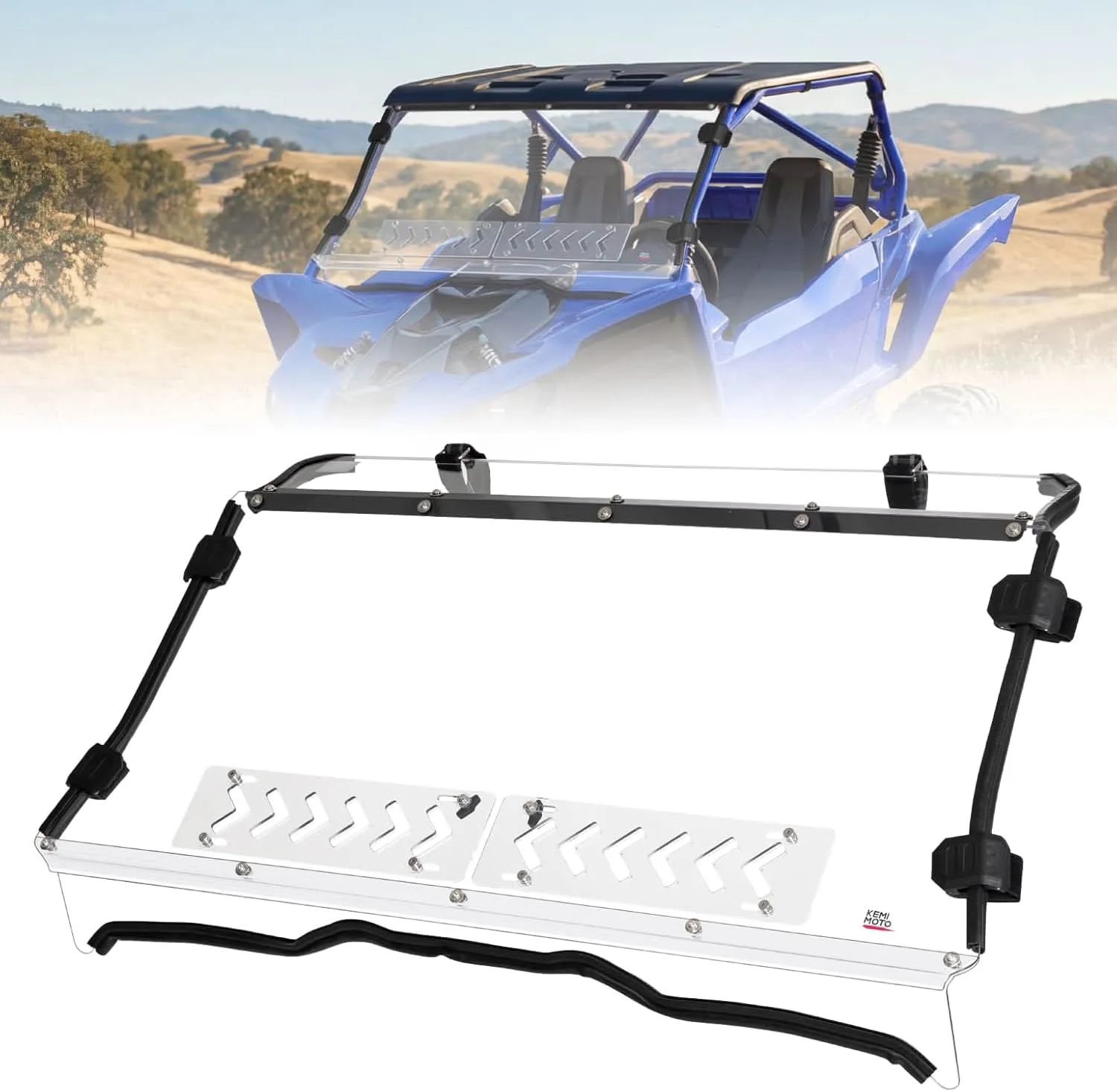
UTV Vented Windshield for YAMAHA YXZ
- Confirm model, year, and trim in the listing fitment notes.
- Do not assume a cover for one brand fits another.
Vented vs Solid: The Trade-Offs
- Heat escape: Vented covers let hot air leave the engine bay, which helps belt life in slow, hot, high-load riding. Solid covers trap that heat next to the belt. Choose vents if heat and belt life are your main concern.
- Debris and water shielding: Solid covers block mud, water, and heavy dust more effectively. Vents can let some debris and moisture in. Choose solid if you ride deep mud or water crossings regularly.
- Maintenance load: Vented covers may need more cleaning around the vents. Solid covers need more frequent belt inspection because heat stays in the bay. Pick the maintenance routine you will actually keep up with.
- Belt choice: Regardless of cover type, a heat-resistant belt like the Kemimoto Drive Belt for Polaris RZR PRO XP / XP 4 Turbo supports the cooling you are trying to gain. Match the belt to your model and riding conditions.
Product Facts That Matter Here
- Drive Belt, Heavy Duty Engine Belt for Polaris RZR PRO XP / XP 4 Turbo: Made of chloroprene rubber and aramid string cord for heat resistance and heat dissipation, with 45000N stretch resistance and tensile strength. A belt built for heat and stretch is the right partner for a vented cover, because vents reduce trapped heat but do not eliminate belt stress.
- UTV Vented Windshield For YAMAHA YXZ: Features a sliding vent you can open on warm days and close for wind and rain, with no tools required; made from double-sided hard-coated polycarbonate for scratch resistance. It shows the vented-versus-sealed trade-off in a different part of the machine, and reminds you that vented parts are model-specific.
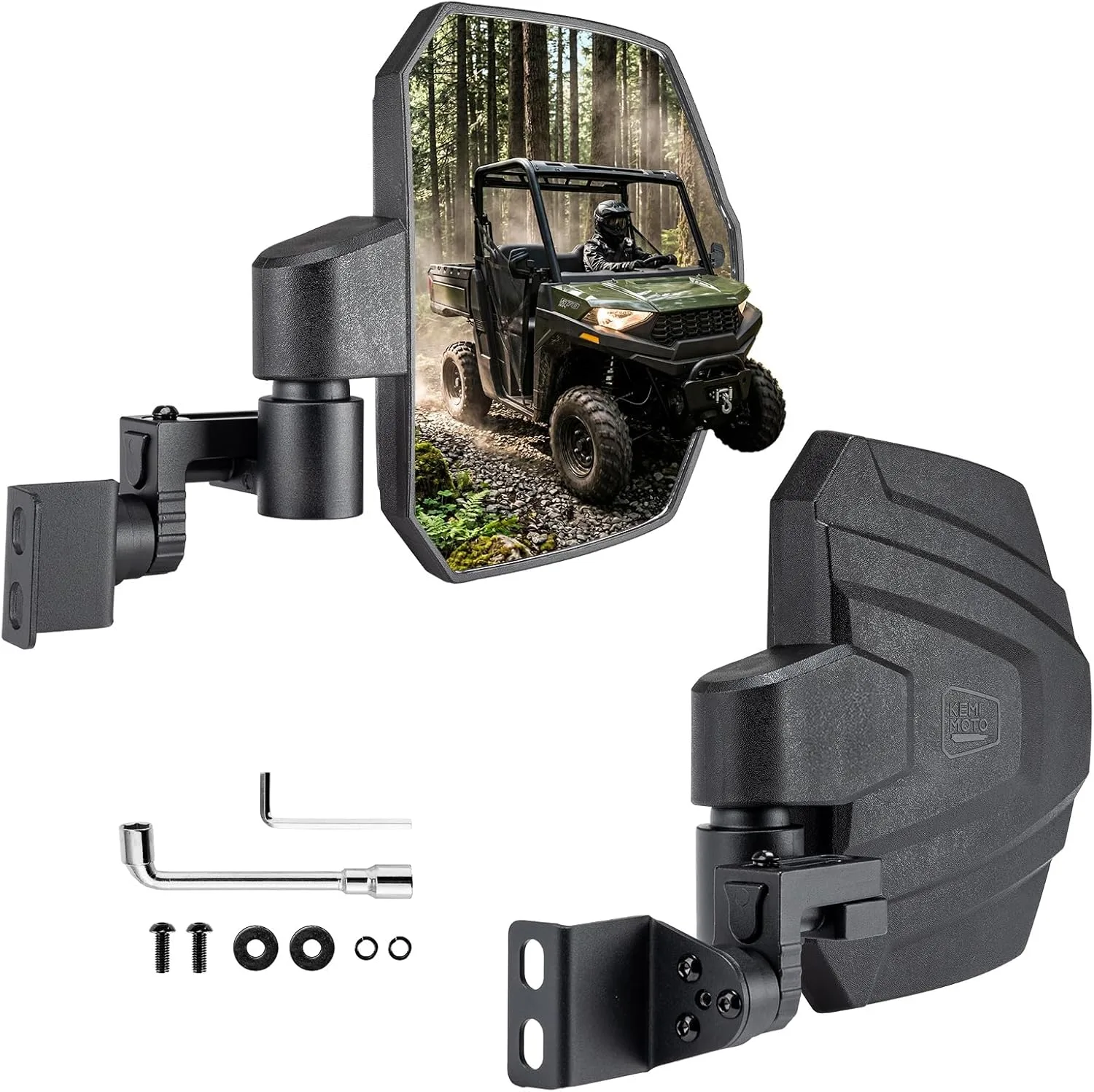
- UTV Side View Mirrors for Polaris Ranger 570/500/900 XP 2014-2026: Telescopic bracket extends from 2.4 to 4.33 inches, with an 8.66" x 6.3" lens for a wider view. If you ride technical trails where you are watching for obstacles at low speed, better visibility helps you manage heat-producing stop-and-go riding.
Which Setup Fits Your Riding
Best for
- Trail and dune riders on Polaris RZR or similar belt-driven UTVs who deal with heat and belt wear
- Turbo owners and riders in hot climates doing slow technical terrain
- Riders willing to clean vents and inspect belts regularly
Not for
- Riders who spend most of their time in deep mud or water crossings and need maximum sealing
- Owners who want a bolt-on fix without checking fitment or belt condition first
- Anyone expecting vents alone to solve repeated belt failures
Vented covers win for most trail and turbo riders because they give trapped heat somewhere to go, while solid covers remain the right call for mud and water. Whichever you choose, confirm fitment for your exact model and back it up with a belt built for heat and stretch.