Quick answer
Choose the VEO 3 263AB aluminum tripod for a budget-friendly, stable option that weighs 2.1kg. Opt for the VEO 3 263CB carbon fiber tripod if you need a lighter 1.9kg build for easier carrying without sacrificing stability.
Material difference and its impact
The primary difference between these two tripods is the leg material. The 263AB uses aluminum, while the 263CB uses carbon fiber. This affects weight, vibration damping, and cost. Aluminum is heavier but more affordable and durable against impacts. Carbon fiber is lighter and absorbs vibrations better, making it ideal for sharp images with long lenses, but it can be more expensive and less resistant to sharp impacts.
Trade-offs between aluminum and carbon
- Weight: The 263CB carbon tripod is 1.9kg, 0.2kg lighter than the 263AB aluminum tripod. This difference matters for backpacking or all-day carrying.
- Stability and vibration damping: Both tripods share the same leg diameter (26mm) and load capacity (15kg). Carbon fiber naturally absorbs more vibration than aluminum, which can lead to sharper images in windy conditions or with long lenses.
- Price: The 263AB aluminum tripod is significantly more affordable (catalog price USD 124.00 vs USD 170.00 for the carbon version). The price difference reflects the material cost. If budget is a primary concern, the aluminum model offers excellent value without compromising on load capacity.
Product facts
-
VEO 3 263CB Traditional Carbon Tripod with dual axis ball head - 15kg capacity: Weighs 1.9kg, uses carbon fiber legs with 3-section, 26mm diameter legs. The lighter weight and carbon fiber construction reduce fatigue during long hikes and help dampen vibrations for sharper images with telephoto lenses.
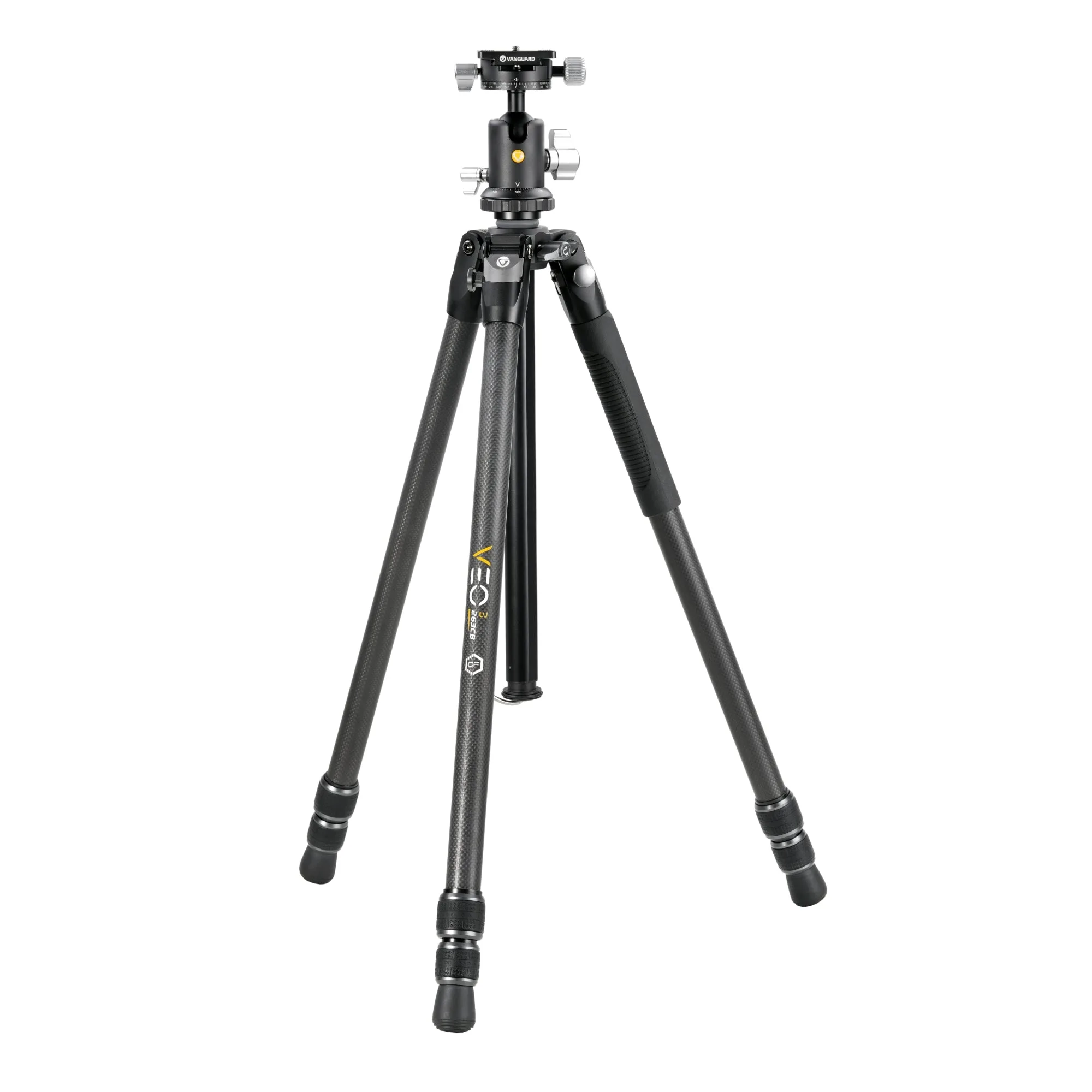
VEO 3 263CB Traditional Carbon Tripod with dual axis ball head - 15kg capacity
-
VEO 3 263AB Traditional Aluminium Tripod with dual axis ball head - 15kg capacity: Weighs 2.1kg, uses aluminum legs with 3-section, 26mm diameter legs. The extra 200g provides a more budget-friendly price while still offering the same stability and load capacity (15kg) as the carbon version.
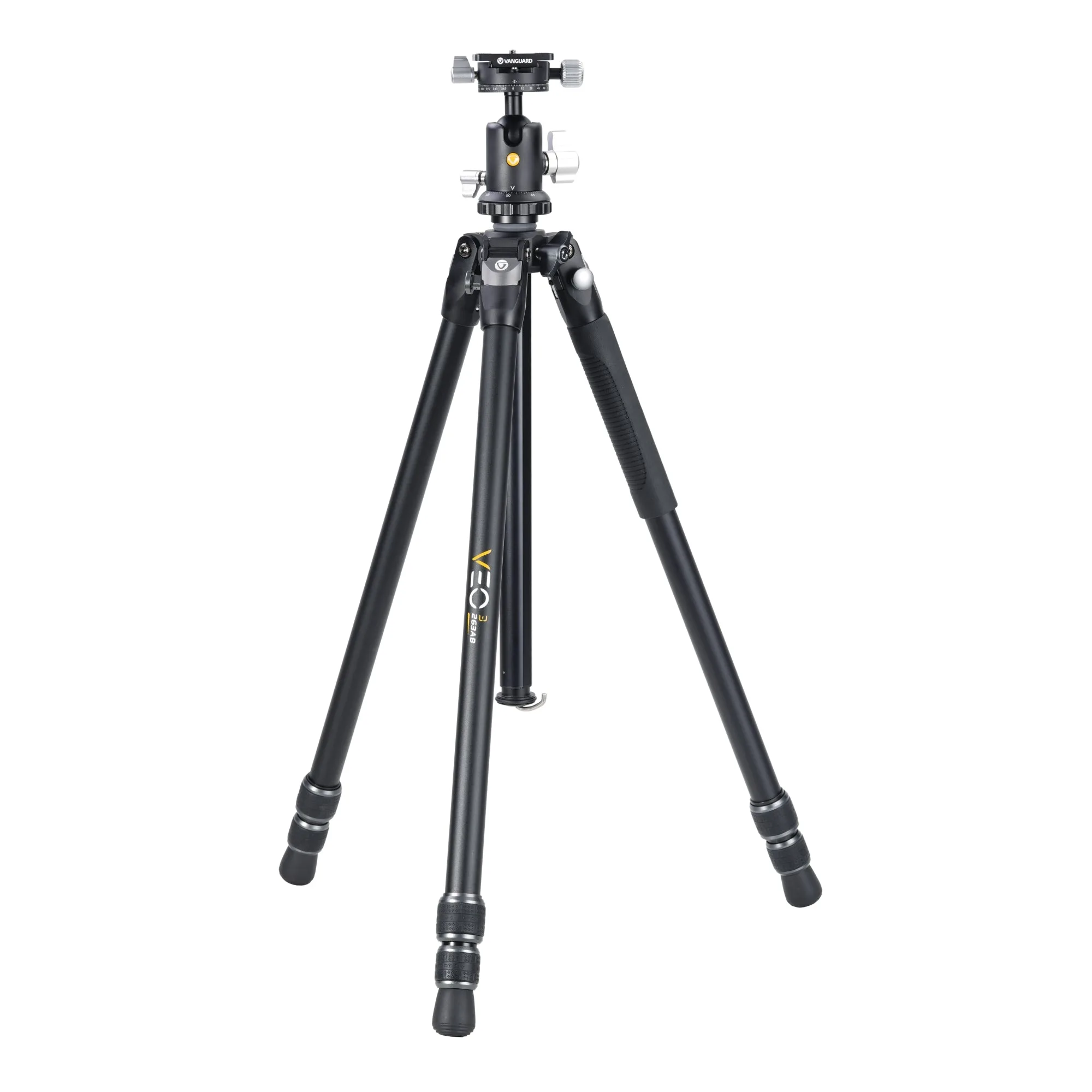
VEO 3 263AB Traditional Aluminium Tripod with dual axis ball head - 15kg capacity
Which tripod fits you?
Best for
- Budget-conscious photographers who need a stable tripod for landscape or studio work and don't mind the extra 200g weight.
- Photographers who prioritize impact resistance and durability over weight savings.
Not ideal for
- Ultralight backpackers or wildlife photographers who carry gear long distances and want the lightest possible setup.
- Photographers who frequently shoot with long telephoto lenses in windy conditions and need maximum vibration damping.