What Makes a Cat Shelter Weatherproof?
When you need a reliable outdoor cat house, weatherproofing goes beyond just keeping rain out. A truly weatherproof shelter protects against moisture, wind, and temperature swings while giving your cat a dry, secure place to rest. The VEVOR outdoor cat house addresses these needs with materials and design choices that make it a practical option for feral cats, community cats, or your own outdoor-loving pet.
Key Weatherproof Features of the VEVOR Cat House
-
VEVOR Outdoor Cat House Weatherproof, Feral Cat Shelter with Large Side Door: Made from high-quality fir wood and coated with water-based paint, this outdoor cat house offers multi-layer protection, which is corrosion-proof. Fir wood resists warping and rot better than many softwoods, and the water-based paint adds a durable barrier against rain and snow. This combination helps the shelter last through multiple seasons without deteriorating.
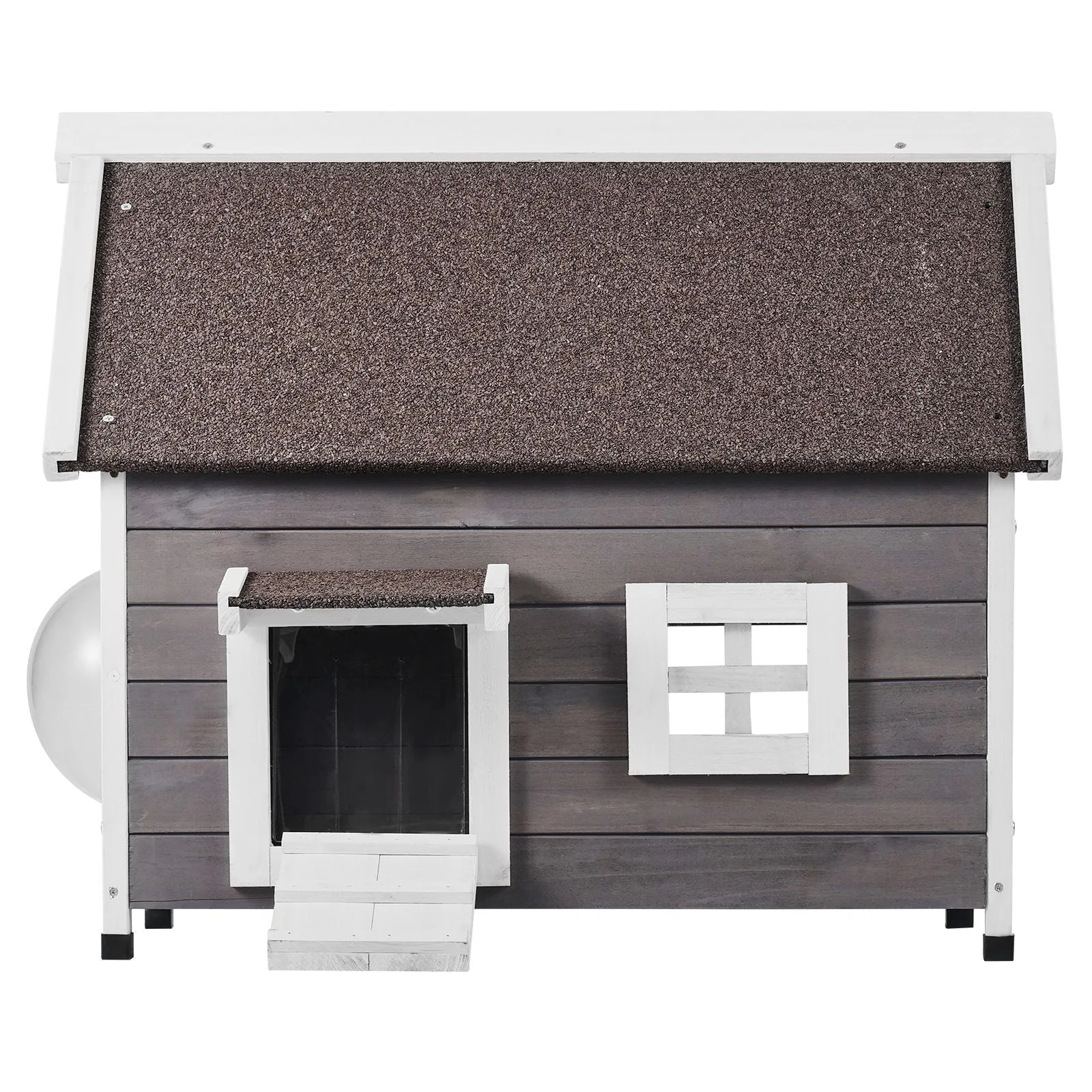
VEVOR Outdoor Cat House Weatherproof, Feral Cat Shelter with Large Side Door
-
VEVOR Outdoor Cat House Weatherproof, Feral Cat Shelter with Large Side Door: Four waterproof foot pads enhance waterproof features. Lifting the house off the ground prevents moisture wicking from wet grass or mud, keeping the interior floor dry and reducing the risk of mold or mildew.
-
VEVOR Outdoor Cat House Weatherproof, Feral Cat Shelter with Large Side Door: The sloped roof prevents water accumulation and provides a comfortable resting space for your cat. A sloped roof sheds rain and snow rather than pooling, which is critical for a shelter that stays outdoors year-round. It also gives cats a dry surface to lounge on when the sun returns.
Placement Tips for Maximum Weather Protection
Even the best-built outdoor cat house works better when placed thoughtfully. Position the shelter on a level, slightly elevated spot—against a wall, fence, or under an eave if possible—to shield it from prevailing winds. The waterproof foot pads already lift the base, but adding a layer of straw or a rubber mat underneath can provide extra insulation and drainage. Avoid placing the house in low areas where water collects after rain. Also, keep the entrance away from wind direction to reduce drafts inside.
When a Wooden Cat House Is the Right Choice
Wooden shelters like this VEVOR model offer natural insulation that plastic or fabric houses can't match. Fir wood holds warmth better in winter and stays cooler in summer, making it suitable for cats that live outdoors full-time. The water-based paint and corrosion-proof treatment mean you don't have to worry about frequent refinishing. However, wood is heavier than plastic, so plan for a permanent or semi-permanent location. If you need a portable shelter for travel, a lighter material might be easier to move.
What the Supplied Information Does Not Cover
The available product details confirm the materials, roof design, and foot pads, but do not specify interior dimensions, door size, assembly steps, or weight capacity. These details can affect whether the house fits a large cat or multiple cats. If those measurements are important for your situation, check the full product listing or contact the seller before purchasing. The shelter is described as sturdy for everyday use indoors or out, but the absence of assembly instructions in the supplied evidence means you may need to rely on the included manual or online guides.