Quick Answer
Vinegar is a versatile, low-cost tool for both cleaning and wellness. For cleaning, use white vinegar diluted with water to cut grease and remove odors. For wellness, choose raw, unfiltered apple cider vinegar and always dilute it before consuming to protect your teeth and throat.
Vinegar has been a household staple for centuries, and for good reason. It is inexpensive, non-toxic, and surprisingly effective for a range of tasks—from wiping down countertops to supporting digestion. But not all vinegar is the same, and using it incorrectly can cause more harm than good.
This guide walks you through practical ways to use vinegar for cleaning and wellness, with clear steps, common mistakes to avoid, and honest notes on what vinegar can and cannot do.
Understanding Vinegar Types and Strengths
White distilled vinegar is the go-to for cleaning because it is clear, inexpensive, and has a consistent acidity level—usually around 5%. This acidity helps dissolve mineral deposits, cut through grease, and neutralize odors. It is safe on most surfaces, but avoid using it on natural stone, waxed wood, or aluminum.
Apple cider vinegar, especially raw and unfiltered, is the popular choice for wellness. It contains a cloudy substance called the 'mother,' which is a mix of beneficial bacteria and enzymes. While many people use it for digestion and blood sugar support, the evidence is mixed. Use it as a food ingredient or diluted drink, not as a medicine.
- Check the label for acidity percentage—higher acidity is not always better for household use.
How to Clean with Vinegar: Step-by-Step
Start with a basic all-purpose cleaner: mix one part white vinegar with one part water in a spray bottle. This works well on glass, tiles, and most kitchen surfaces. For tougher grease, add a few drops of dish soap. For mineral deposits on faucets or showerheads, soak a cloth in full-strength vinegar and wrap it around the area for 15–30 minutes.
Vinegar is also a natural deodorizer. Leave a small bowl of vinegar in a room to absorb odors, or wipe down trash cans and cutting boards. Always test on an inconspicuous area first, and never mix vinegar with bleach or hydrogen peroxide—this creates toxic fumes.
- Never mix vinegar with bleach or hydrogen peroxide—toxic fumes can result.
Wellness Uses: What Works and What Doesn't
For wellness, the most common use is as a diluted drink. Mix 1–2 tablespoons of apple cider vinegar in a large glass of water, and optionally add a little honey to improve the taste. Some people find this helps with mild indigestion or as a refreshing alternative to sugary drinks. There is limited scientific evidence for major health claims, so treat it as a dietary addition, not a cure.
You can also use vinegar in cooking—as a salad dressing base, a marinade tenderizer, or a tangy addition to sauces. This is a safe and enjoyable way to incorporate vinegar into your diet. If you have acid reflux, stomach ulcers, or take certain medications, talk to your doctor before using vinegar regularly.
- Always dilute vinegar before drinking—undiluted vinegar can damage tooth enamel and irritate the throat.
5-Step Vinegar Routine for Home and Health
- Choose the right vinegar: Use white distilled vinegar for cleaning tasks and raw, unfiltered apple cider vinegar for wellness purposes. Read labels to confirm acidity and ingredients. Checkpoint: If the label lists anything besides vinegar and water, it may contain additives you don't need.
- Dilute properly: For cleaning, mix one part vinegar with one part water. For drinking, mix 1–2 tablespoons of apple cider vinegar into a large glass of water. Common mistake: Using undiluted vinegar can damage surfaces or harm your teeth and throat.
- Test on a small area first: Before using vinegar on any surface, apply it to a hidden spot to ensure it doesn't discolor or damage the material. Checkpoint: Avoid vinegar on natural stone, waxed wood, and aluminum.
- Use vinegar in your daily routine: Add vinegar to salad dressings, marinades, or a glass of water with a little honey. This is a safe way to enjoy its tangy flavor and potential wellness benefits. Common mistake: Expecting vinegar to be a miracle cure—treat it as a simple, healthy addition.
- Store and replace correctly: Keep vinegar in a cool, dark place with the lid tightly closed. While vinegar doesn't spoil quickly, its quality can degrade over time. Checkpoint: If the vinegar develops an off smell or sediment changes dramatically, replace it.
Vinegar and Complementary Products at Haramain
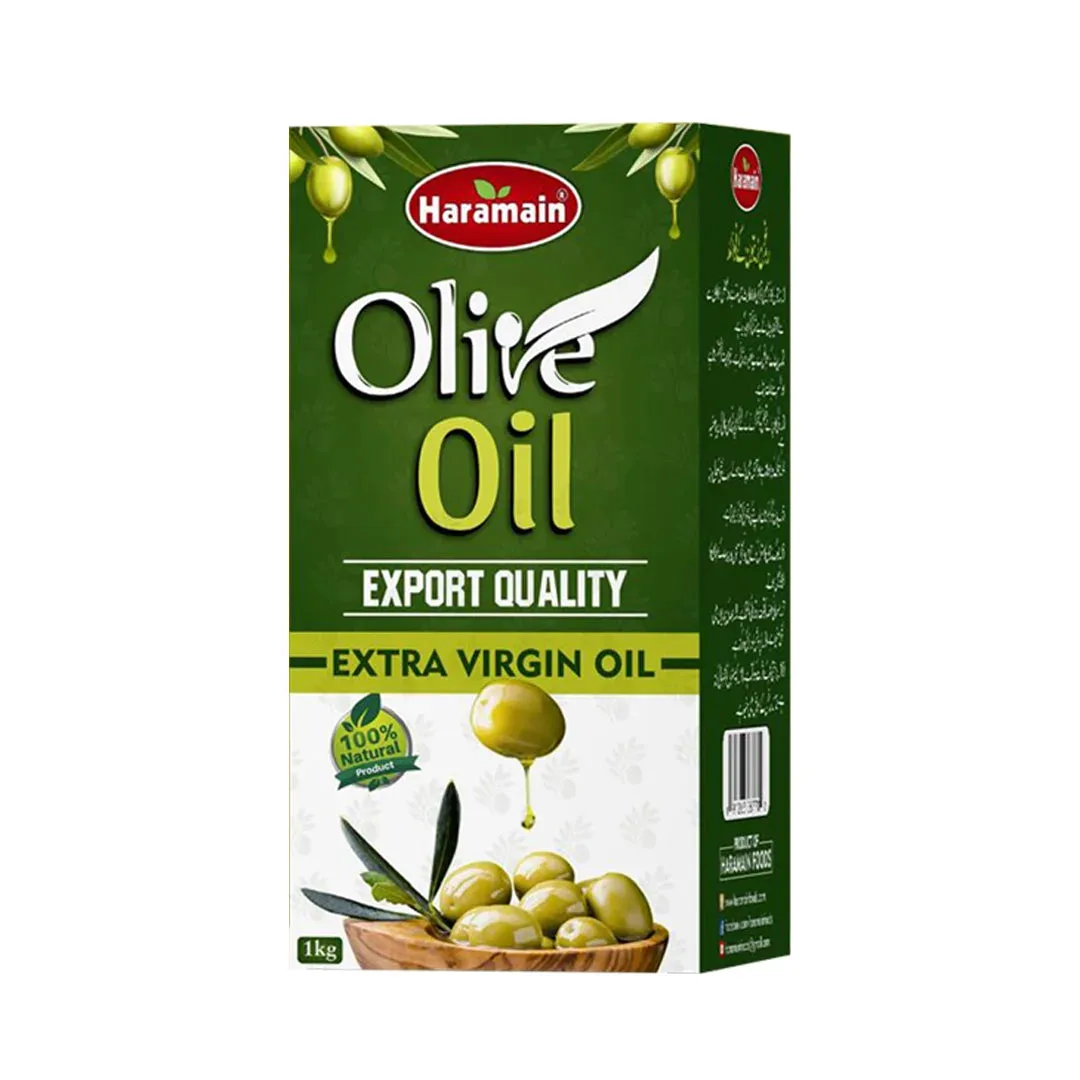
- Olive Oil – Extra Virgin: Extra virgin olive oil, available at Haramain Foods, brings health, taste, and tradition into your kitchen: it is vivid golden, aromatic, and good for untold things. Pair vinegar with extra virgin olive oil for a simple, healthy salad dressing that avoids processed condiments.
- Mango Honey: Made with premium-quality honey and infused with the rich, tropical taste of ripe mangoes, this blend delivers a smooth, golden sweetness you’ll love in every spoon. A touch of mango honey can balance the sharpness of vinegar in dressings or wellness drinks, making them more palatable.
Vinegar is a simple, affordable addition to your cleaning and wellness routines. Use the right type, dilute it properly, and always test surfaces. For a tasty way to enjoy vinegar, pair it with quality ingredients like extra virgin olive oil or a touch of mango honey from Haramain.