When shopping for a new pool float, one of the first decisions you'll face is choosing the material. The two most common options are vinyl and fabric, and each has distinct advantages and trade-offs. Your choice can affect everything from comfort and longevity to how easy it is to store and clean.
In this guide, we break down the key differences between vinyl and fabric pool floats, including durability, comfort, maintenance, and price. Whether you're looking for a rugged river tube or a plush lounger for all-day floating, understanding float material will help you make the right purchase.
Vinyl Pool Floats: Classic Durability and Affordability
Vinyl has been the standard material for inflatable pool floats for decades. It is a type of plastic that is lightweight, waterproof, and relatively inexpensive to produce. Most vinyl floats are made from multiple layers of PVC (polyvinyl chloride) that are heat-sealed or glued together, creating an airtight barrier that holds air well.
One of the biggest advantages of vinyl is its resistance to punctures and abrasions when compared to thinner materials. A high-quality vinyl float can withstand regular use on rough pool surfaces or even on sandy beaches. However, vinyl can become brittle over time when exposed to prolonged sunlight, so proper storage and UV protection are important.
- Vinyl is typically more affordable than fabric alternatives.
- Easy to clean with mild soap and water.
- Can be repaired with patch kits if punctured.
- May feel sticky or hot in direct sun.
Fabric Pool Floats: Premium Comfort and Breathability
Fabric pool floats, often made from polyester or nylon mesh wrapped over a foam or inflatable core, offer a more luxurious lounging experience. The breathable fabric allows water and air to pass through, keeping you cool and preventing that sticky feeling you sometimes get with vinyl. Many fabric floats also have a softer, more towel-like texture that feels gentle on the skin.
A popular example is the Fabric Tube Float, which combines the classic tube shape with a soft fabric cover for added comfort. For those who prefer a full-body lounger, the https://pickkind.shop/products/fabric-pool-hammock-113603https://pickkind.shop/products/fabric-pool-hammock-113604https://pickkind.shop/products/fabric-pool-hammock-113605https://pickkind.shop/products/fabric-pool-hammock-113623Fabric Pool Hammock provides a supportive, breathable surface that cradles you while you float. Fabric floats tend to be more durable against UV rays because the fabric blocks direct sunlight from degrading the inner material.
- Fabric covers are often machine-washable for easy cleaning.
- More breathable and comfortable for long floating sessions.
- Typically more resistant to sun damage than vinyl.
- May take longer to dry and can be heavier when wet.
Durability Comparison: Which Float Material Lasts Longer?
Durability depends on how you use and store your float. Vinyl floats are tough against punctures from sharp objects, but they can degrade from UV exposure and heat. Fabric floats, on the other hand, are more resistant to sunlight but can be prone to tearing if snagged on rough surfaces. The inner bladder of a fabric float is usually made of vinyl or PVC, so the weak point is often the outer fabric cover.
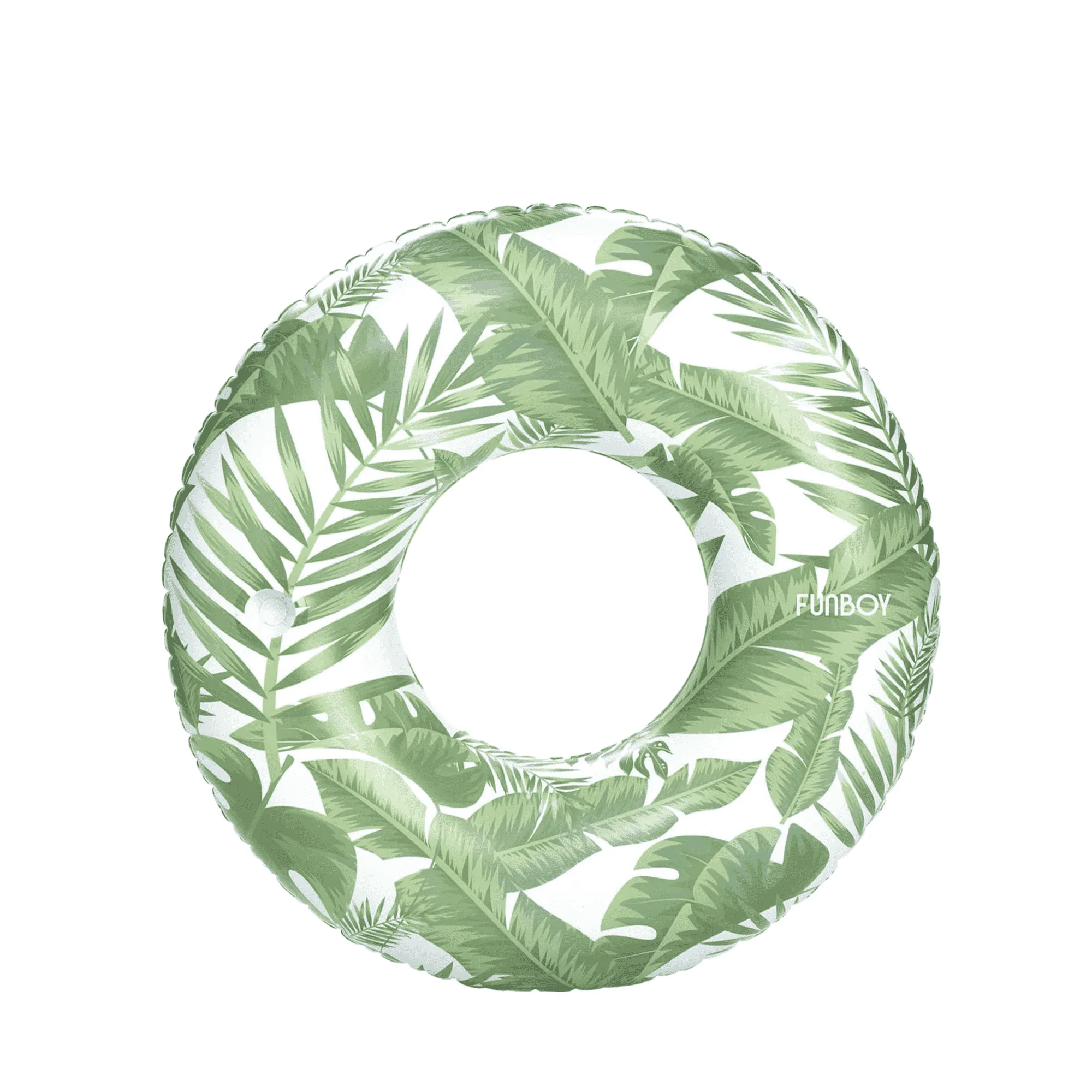
For heavy-duty use, such as in a pool with rough edges or around pets, a high-quality vinyl float like the Vintage Lux Tube Float may be a better choice. Its thick vinyl construction can handle more abuse. If you prioritize comfort and plan to use your float mostly in a clean pool, a fabric option will likely provide a longer lifespan because the cover protects the inner bladder from UV rays.
- Vinyl: Best for rough environments, but needs UV protection.
- Fabric: Best for sun exposure and comfort, but avoid rough surfaces.
- Both materials can last multiple seasons with proper care.
Comfort and Feel: Vinyl vs. Fabric on the Water
Comfort is subjective, but most people find fabric floats more pleasant for extended periods. Vinyl can become uncomfortably hot when left in the sun, and some people dislike the sticky sensation. Fabric floats stay cooler and dry faster to the touch, making them ideal for hot summer days.
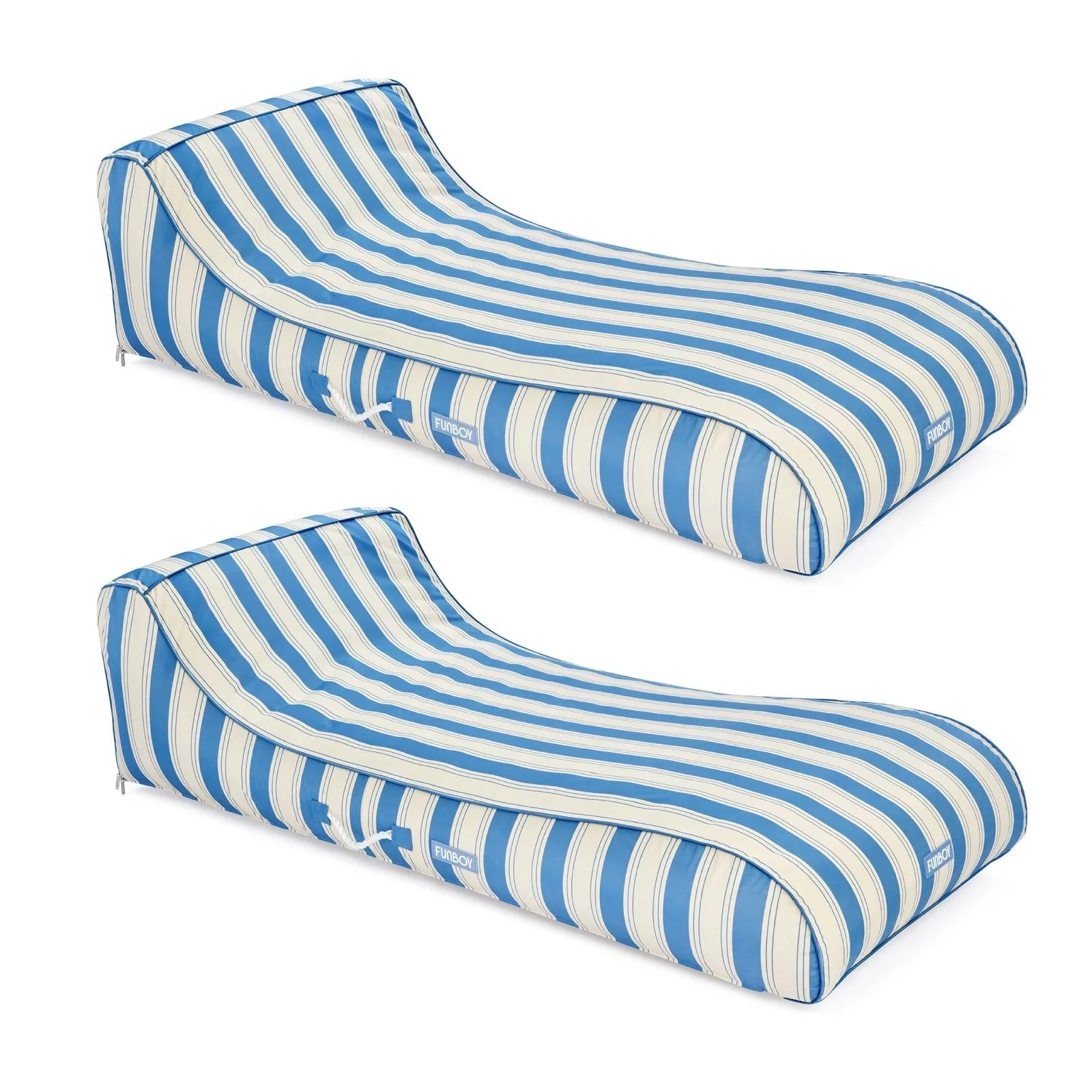
For lounging and napping, a fabric float like the Flat Lounger offers a plush, supportive surface that conforms to your body. Vinyl loungers can also be comfortable but may require you to adjust your position more often to avoid slipping. If you enjoy floating with a drink in hand, consider a float with built-in cup holders, which are available in both materials.
- Fabric feels cooler and more breathable in direct sun.
- Vinyl can be slippery when wet.
- Fabric floats often have a more luxurious, towel-like texture.
Maintenance and Care Tips for Both Materials
To extend the life of your pool float, proper maintenance is key. For vinyl floats, rinse them with fresh water after each use to remove chlorine, salt, and dirt. Dry them completely before storing to prevent mold and mildew. Store them in a cool, dark place away from direct sunlight. Small punctures can be repaired with a vinyl patch kit.
Fabric floats require a bit more care. Remove the fabric cover (if detachable) and wash it according to the manufacturer's instructions, usually in cold water on a gentle cycle. The inner bladder should be rinsed and dried separately. Always let the fabric air dry completely before storing to avoid musty odors. A Mesh Chair Float, for example, has a removable mesh cover that is easy to clean and quick to dry.
- Always rinse floats after use in chlorinated or salt water.
- Store floats deflated and in a cool, dry place.
- Use a repair kit for small punctures in vinyl floats.
- Wash fabric covers regularly to prevent mildew.
Which Material Should You Choose?
Your choice ultimately depends on your priorities. If you want an affordable, durable float that can handle rough use and you don't mind the feel of vinyl, go with a vinyl float. It's a classic choice that works well for most pool and beach environments. If comfort and breathability are your top concerns, and you're willing to invest a bit more, a fabric float will provide a superior lounging experience.
Consider where you'll use the float most. For a beach day with sand and surf, a vinyl float might be more practical. For a backyard pool where you plan to relax for hours, a fabric float is hard to beat. Either way, FUNBOY offers a wide selection of high-quality floats in both materials, so you can find the perfect match for your floating style.
- Vinyl: Best for budget-conscious buyers and rough use.
- Fabric: Best for comfort, UV resistance, and luxury feel.
- Both materials are available in various shapes and sizes.
Whether you choose a durable vinyl float or a plush fabric model, the right material can make all the difference in your pool experience. For a premium option that combines comfort and style, check out the Fabric Tube Float — it offers the best of both worlds with a soft cover and reliable construction. Explore FUNBOY's full collection today and find your perfect float.