Quick Verdict
For outdoor use, vinyl stickers are the clear winner because they resist water, UV light, and tearing far better than paper stickers. Paper stickers may look nice indoors but they degrade quickly when exposed to the elements.
When you need a sticker to survive rain, sunshine, and the occasional scrape, the material matters more than the design. Vinyl and paper are the two most common bases, each with distinct strengths and weaknesses.
This comparison breaks down the key durability factors—material construction, weather resistance, and longevity—using real product examples from Art by Megan Wang.
Material Construction
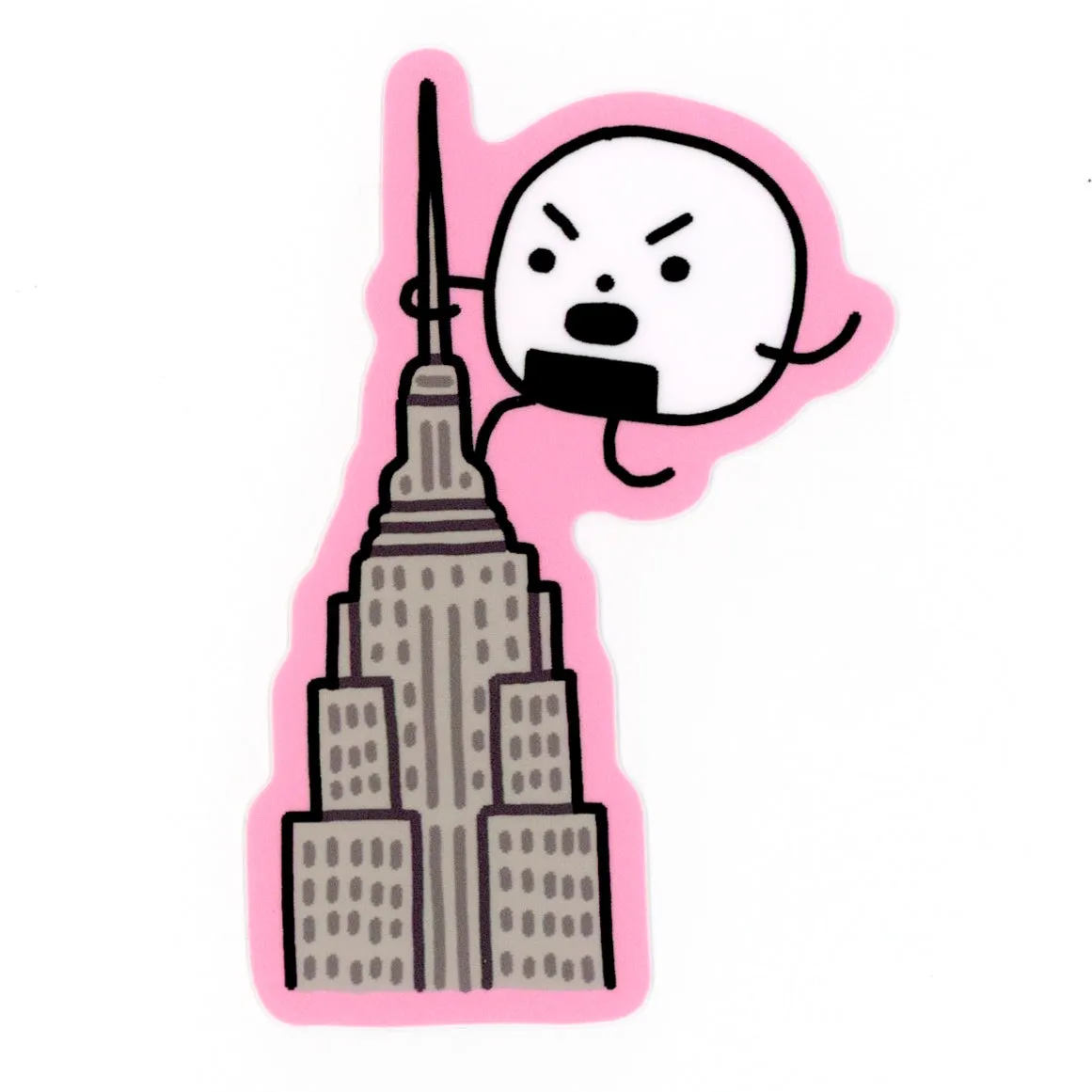
Vinyl stickers, like the Onigiri Empire State Building Sticker and the NYC Sticker Sheet, are made from matte vinyl that provides a smooth, non‑glossy finish. The vinyl layer is inherently flexible and water‑resistant, which helps the printed design stay vibrant even after repeated exposure to moisture.
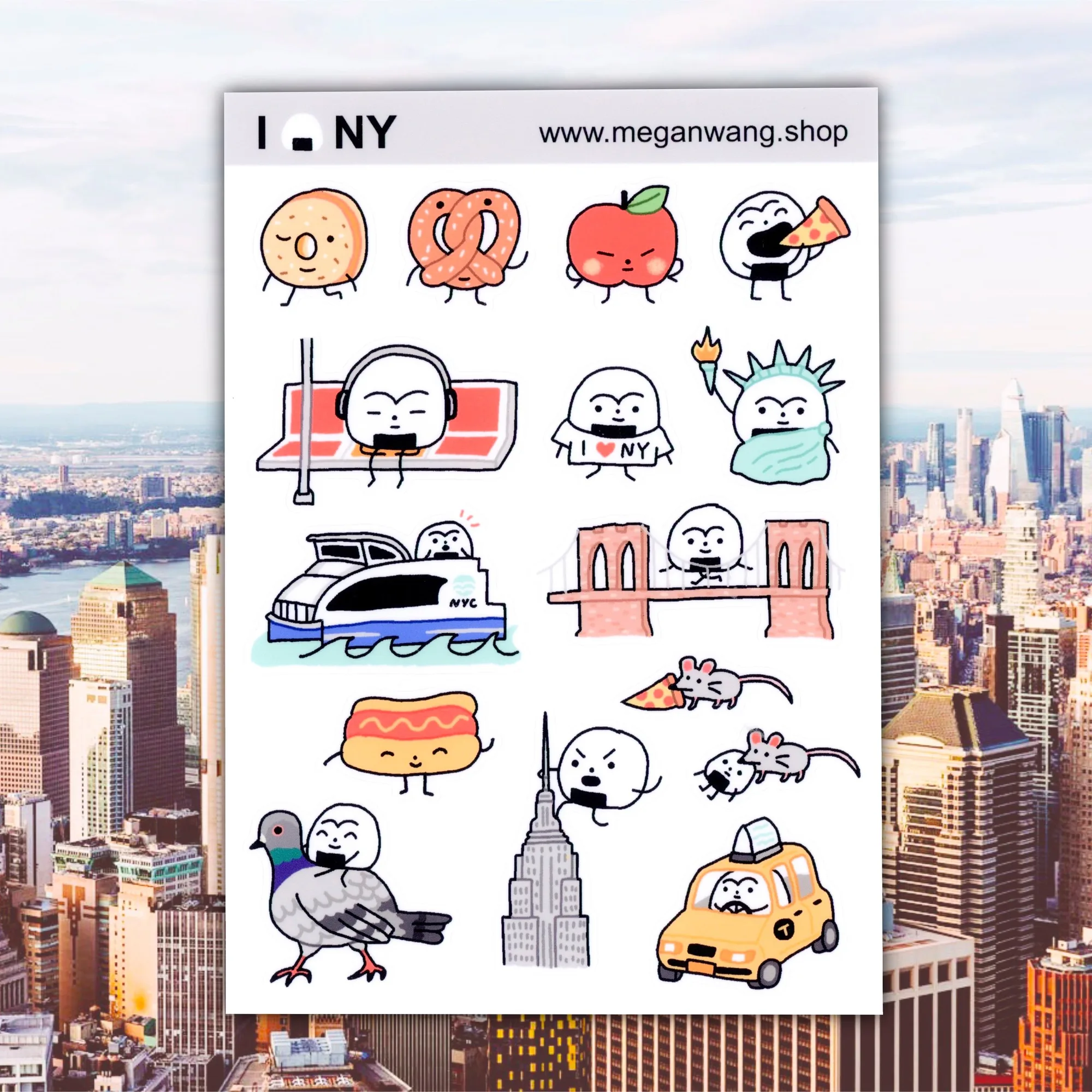
NYC Sticker Sheet
Paper stickers lack that protective layer. While they can be coated, the base material is still prone to swelling, tearing, and ink bleeding when it gets wet or is left in direct sunlight for long periods.
- Vinyl: flexible, water‑resistant, UV‑stable.
- Paper: rigid, absorbs moisture, fades faster.
Weather Resistance
In real‑world tests, vinyl stickers remain adhered to surfaces like laptops, water bottles, and outdoor notebooks without bubbling or peeling. The matte vinyl construction also resists fading, keeping colors sharp after weeks of sun exposure.
Paper stickers may initially stick well, but rain or high humidity can cause the adhesive to weaken and the paper to curl or disintegrate. UV rays break down the ink, leading to noticeable fading after just a few days outdoors.
- Vinyl stickers survive rain and spray.
- Paper stickers are best kept dry and shaded.
Tradeoffs Summary
- Durability: Vinyl outlasts paper in rain, sun, and temperature changes. Choose vinyl when the sticker must endure the elements.
- Cost: Paper stickers are often cheaper per unit. If budget is tight and the sticker stays indoors, paper may be acceptable.
- Aesthetic Flexibility: Paper can be printed with matte or glossy finishes that some designers prefer. Opt for paper only for decorative indoor projects where durability isn’t critical.
Product Facts from Art by Megan Wang
- Onigiri Empire State Building Sticker: Matte vinyl construction for a smooth, non‑glossy finish; measures roughly 2.5 × 3.5 inches; durable material helps the design stay vibrant over time. The vinyl base ensures the sticker can be placed outdoors without quickly fading or peeling, and its compact size fits many surfaces.
- NYC Sticker Sheet: 5 × 7‑inch matte vinyl sheet; durable construction holds up well on surfaces that get frequent handling; matte finish provides a subtle, non‑glossy appearance. A larger vinyl sheet offers more design space while maintaining the same weather‑resistant properties, making it suitable for outdoor gear like water bottles.
Which Sticker Type Fits Your Needs?
Best for Outdoor Durability
- Artists who need stickers on water bottles, laptops, or outdoor journals
- Anyone looking for long‑lasting color and adhesion in rainy or sunny conditions
Not Ideal For
- Short‑term indoor decorations where cost is the primary concern
- Projects that require a paper texture or specialty finishes unavailable on vinyl
In short, vinyl stickers deliver the weather resistance and longevity needed for outdoor applications, while paper stickers remain a budget‑friendly choice for indoor, short‑term use. Match the material to the environment, and your stickers will stay vibrant and stuck where you need them.