Quick answer
Choose the Viparita Karani Box if you want a dedicated, low-profile prop for legs-up-the-wall and restorative inversions at home. Choose the Viparita Dandasana Bench if you also need a taller, broader surface for supported backbends and full-spine extension. The bench costs more and takes up more floor space, but it opens up a wider range of postures.
Height and shape: what each prop actually supports
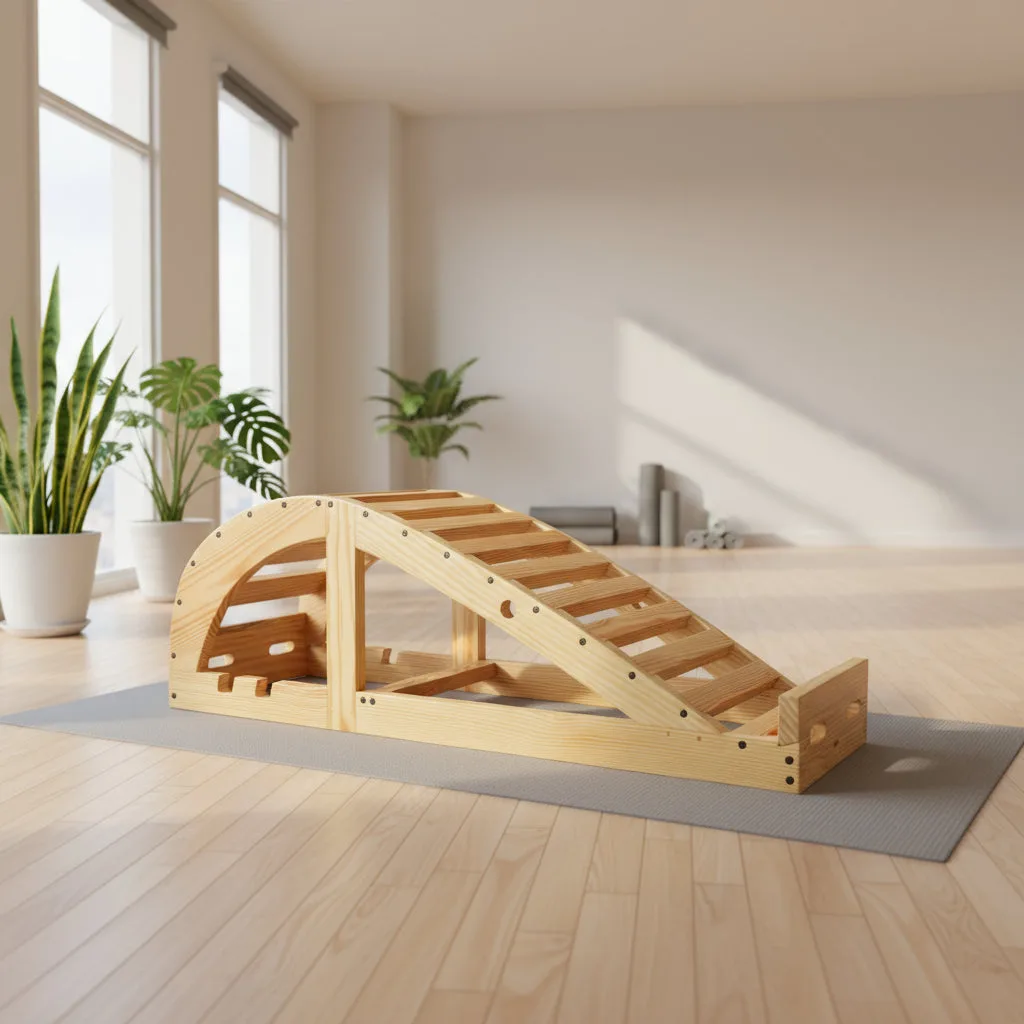
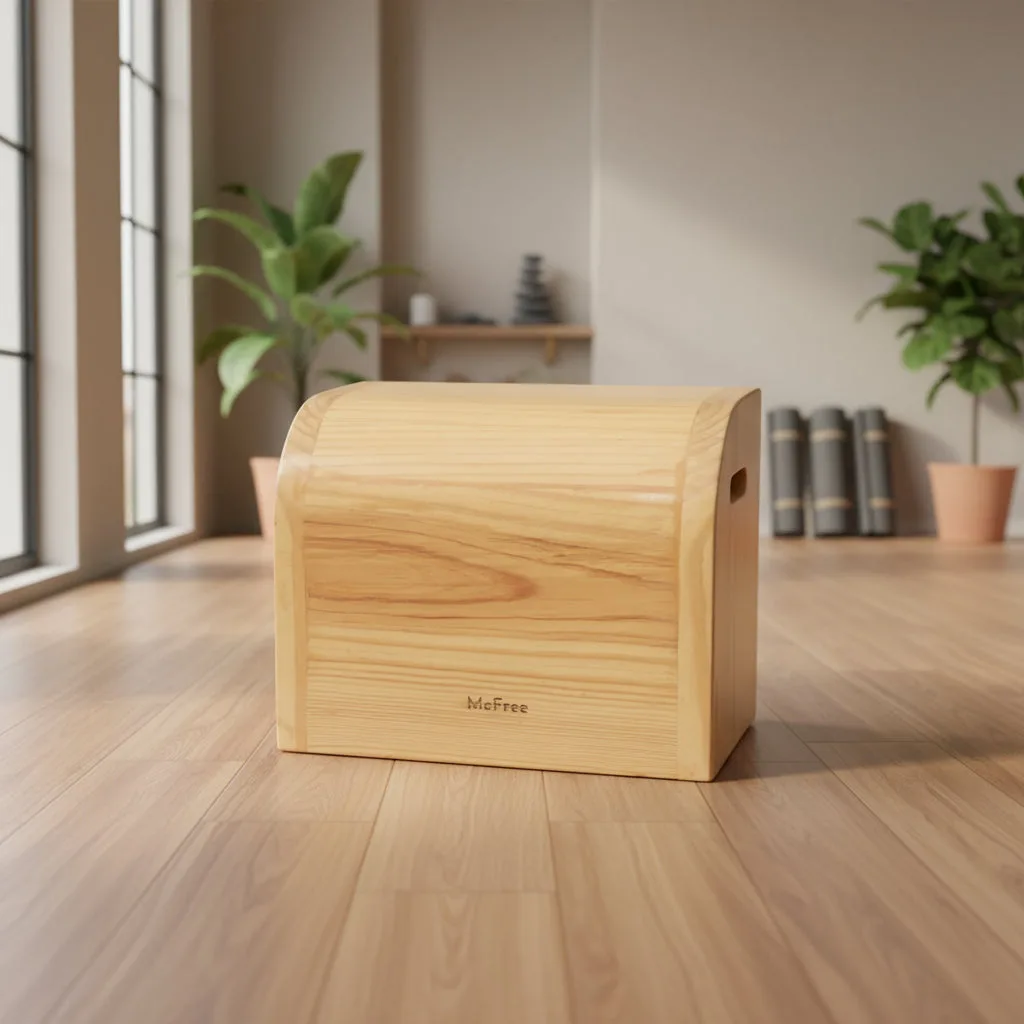
The Viparita Karani Box is designed as a low, stable platform for legs-up-the-wall and similar restorative inversions. Its rounded edges and pinewood construction let you rest the pelvis and lower back without sharp pressure points, and the height is intended to keep the legs elevated while the spine stays neutral. The Viparita Dandasana Bench is a taller, broader backbend tool. It supports the thoracic and lumbar spine in extension, making it suitable for supported backbends, chest-opening, and postures that need a longer surface. If your main goal is legs-up-the-wall, the box gives you the height you need without the bulk. If you want to add supported backbends to your routine, the bench is the more versatile choice.
Stability and materials: pinewood construction
Both props are made from pinewood, which keeps them relatively light for their size while providing a solid, non-squishy base. The box has a smooth, rounded finish, so it is comfortable against the skin during passive holds. The bench is built as a stable companion for correcting posture and extending the spine, and its larger footprint gives it a planted feel during backbends. Neither prop relies on foam or inflatable parts, so you do not have to worry about air loss or compression over time. The trade-off is that wood is firmer than a blanket or bolster, so you may want a thin blanket on top for longer restorative holds.
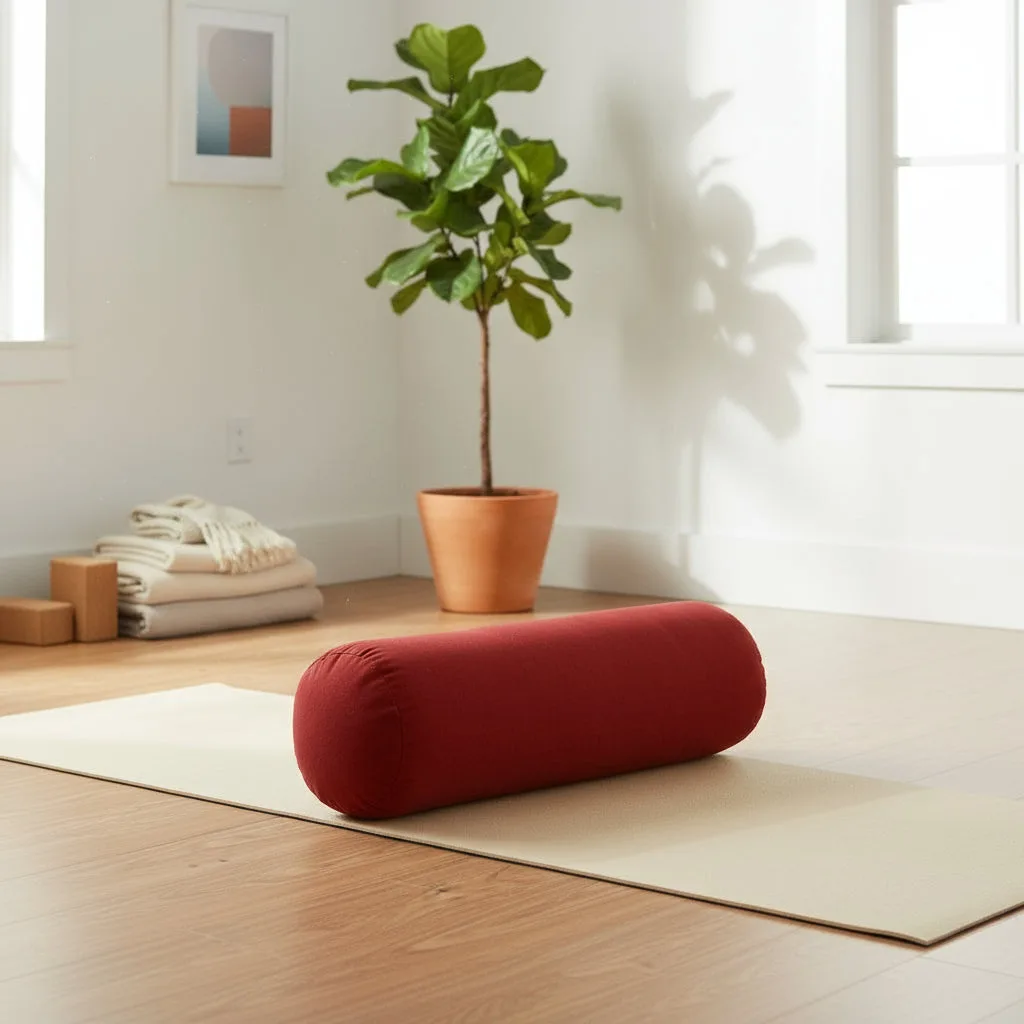
bolster
Space, storage, and cost
The Viparita Karani Box is the smaller and less expensive option, which makes it easier to store against a wall or under a shelf. The Viparita Dandasana Bench is larger and priced higher, and it needs a dedicated spot in your practice area. If you are renting, short on floor space, or building a prop collection gradually, the box is the more practical first purchase. If you already have a dedicated yoga room and want one piece that covers both restorative inversions and backbends, the bench justifies its size and cost. A simple way to decide: measure the wall space where you plan to keep the prop, then choose the one that fits without blocking walkways.
How to use each prop safely
For legs-up-the-wall with the box, sit sideways next to a wall, place the box close to the wall, then swing your legs up as you lower your back onto the box. Keep your hips supported and your shoulders on the floor. For the bench, lie back with the bench under your mid-back, letting your head rest toward the floor and your arms open. In both cases, start with shorter holds and build up. If you feel pinching in the lower back, reduce the time or place a folded blanket under your hips. These props support relaxation and extension, but they do not replace medical advice for chronic pain.
Trade-offs at a glance
- Height vs. versatility: The box gives you a low, dedicated height for legs-up-the-wall. The bench is taller and broader, so it also supports backbends and chest-opening. Pick the box for one clear job; pick the bench if you want one prop to do more.
- Footprint vs. storage: The box is smaller and easier to tuck away. The bench needs more floor space and a semi-permanent spot. Measure your wall space before buying the bench.
- Price vs. long-term use: The box costs less upfront. The bench costs more but can replace several smaller props for backbends. If budget is tight, start with the box and add the bench later.
Product facts
- Viparita Dandasana Bench - DIY: Hand-crafted pinewood bench designed to correct posture, extend the spine, and provide relief from chronic back pain and migraines. If you want a multi-purpose backbend and restorative tool, this bench covers more postures than a low box.
- Viparita Karani Box: Pinewood box with a smooth, rounded finish, designed to support the body's natural contours for inversions. The rounded edges make longer legs-up-the-wall holds more comfortable, especially on the pelvis and lower back.
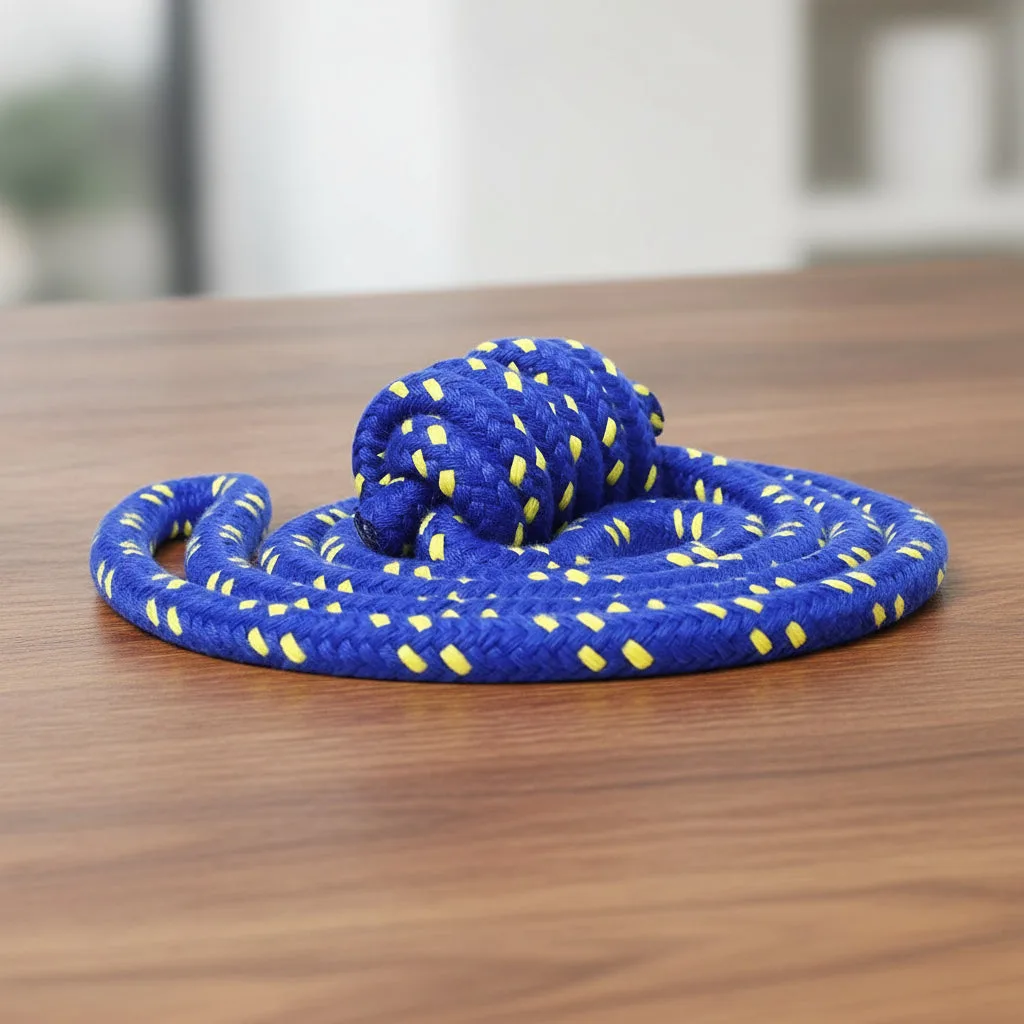
- Yoga Wall Ropes Set of 2: Yoga wall ropes made for durability and a soft touch, available in multiple colors and sizes. If you later add wall ropes, these pair with hooks to expand your traction and inversion options beyond a single prop.
Which should you buy?
Best for
- Practitioners who mainly want legs-up-the-wall and gentle restorative inversions
- Small homes or shared spaces where storage is limited
- Buyers who want a lower-cost entry into supported inversion props
Not for
- Practitioners who need a taller, broader surface for supported backbends
- Anyone with a dedicated yoga room who wants one prop for multiple backbend postures
- Buyers who prefer a single, larger investment piece over several smaller props