When it comes to achieving a radiant, even-toned complexion, two ingredients dominate the conversation: vitamin C and niacinamide. Both are celebrated for their brightening abilities, but they work in very different ways. If you've ever stood in the skincare aisle wondering which one to add to your routine—or whether you can use both—you're not alone.
In this guide, we break down the science behind vitamin C and niacinamide, compare their key benefits, and help you decide which brightening powerhouse deserves a spot in your daily regimen. We'll also explore how to layer them safely for maximum glow without irritation.
What Is Vitamin C and How Does It Brighten Skin?
Vitamin C is a potent antioxidant that protects skin from environmental aggressors like UV rays and pollution. In terms of brightening, it works by inhibiting the enzyme tyrosinase, which is responsible for melanin production. By slowing down melanin synthesis, vitamin C helps fade dark spots, hyperpigmentation, and post-acne marks over time.
Most vitamin C serums use L-ascorbic acid, the most bioavailable form, which requires a low pH (around 3.5) to penetrate effectively. This makes it a powerful option for morning use under sunscreen. For best results, look for stable formulations that include vitamin E or ferulic acid to boost efficacy.
- Best for: fading dark spots, preventing photoaging, boosting sunscreen protection
What Is Niacinamide and How Does It Brighten Skin?
Niacinamide, also known as vitamin B3, is a multi-tasking ingredient that strengthens the skin barrier, reduces inflammation, and regulates oil production. For brightening, it works by blocking the transfer of melanin to skin cells, rather than stopping its production. This makes it especially effective at preventing new dark spots from forming.
Unlike vitamin C, niacinamide is pH-neutral and pairs well with a wide range of other actives. It is also less likely to cause irritation, making it a great choice for sensitive or acne-prone skin. Many users notice a more even skin tone and reduced redness within a few weeks of consistent use.
- Best for: preventing new hyperpigmentation, calming redness, oil control
Vitamin C vs. Niacinamide: Key Differences at a Glance
To help you decide which ingredient fits your needs, here is a side-by-side comparison of their primary attributes:
- Mechanism: Vitamin C inhibits melanin production; Niacinamide blocks melanin transfer
- Best time of day: Vitamin C in the morning; Niacinamide in either AM or PM
- Skin type: Vitamin C works for most but can irritate sensitive skin; Niacinamide is gentle and suitable for all types
- Stability: Vitamin C is unstable and requires careful formulation; Niacinamide is very stable
- Additional benefits: Vitamin C boosts collagen and antioxidant protection; Niacinamide strengthens barrier and reduces pore appearance
Can You Use Vitamin C and Niacinamide Together?
Yes—contrary to outdated advice, you can absolutely use vitamin C and niacinamide in the same routine. Early concerns about niacinamide converting vitamin C into a useless form have been debunked by modern research. In fact, using them together can provide complementary brightening benefits: vitamin C fades existing spots while niacinamide prevents new ones from forming.
For best results, apply vitamin C first on clean, dry skin, wait a few minutes for it to absorb, then follow with niacinamide. If your skin is sensitive, you can alternate them by using vitamin C in the morning and niacinamide at night. Always finish with a moisturizer and sunscreen during the day.
- Tip: If you experience tingling, use niacinamide in the AM and vitamin C in the PM instead of layering
Which One Should You Choose?
Your choice depends on your primary skin concern and tolerance. If your main goal is to target stubborn dark spots and protect against environmental damage, vitamin C is your best bet. Look for a stable, well-formulated serum like Liposomal Retinol Peptide Serum, which combines the brightening power of retinol with peptides for added anti-aging benefits.
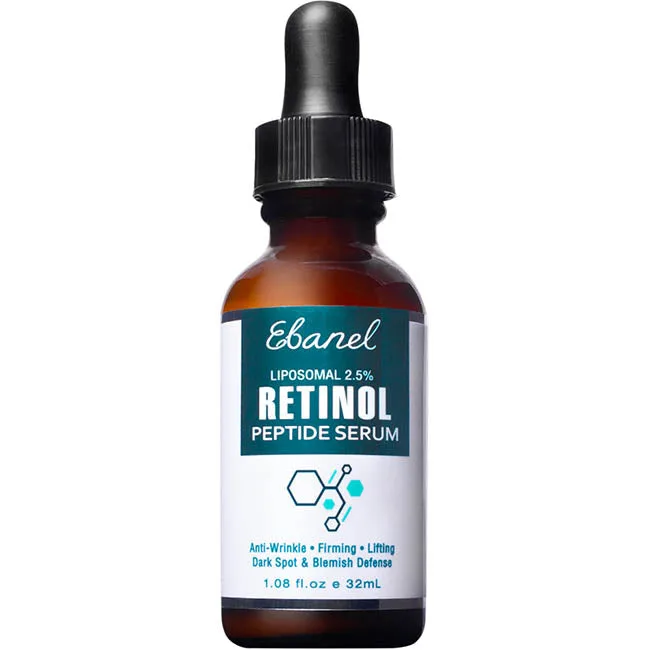
Liposomal Retinol Peptide Serum
If you struggle with redness, oiliness, or want a gentle all-rounder that prevents hyperpigmentation, niacinamide is ideal. For a complete brightening routine, consider using both ingredients on different days or in separate steps. And don't forget to support your skin barrier with a rich moisturizer like Dr Brightening Ultra-Potent Facial Cream, which delivers deep hydration and additional brightening actives.
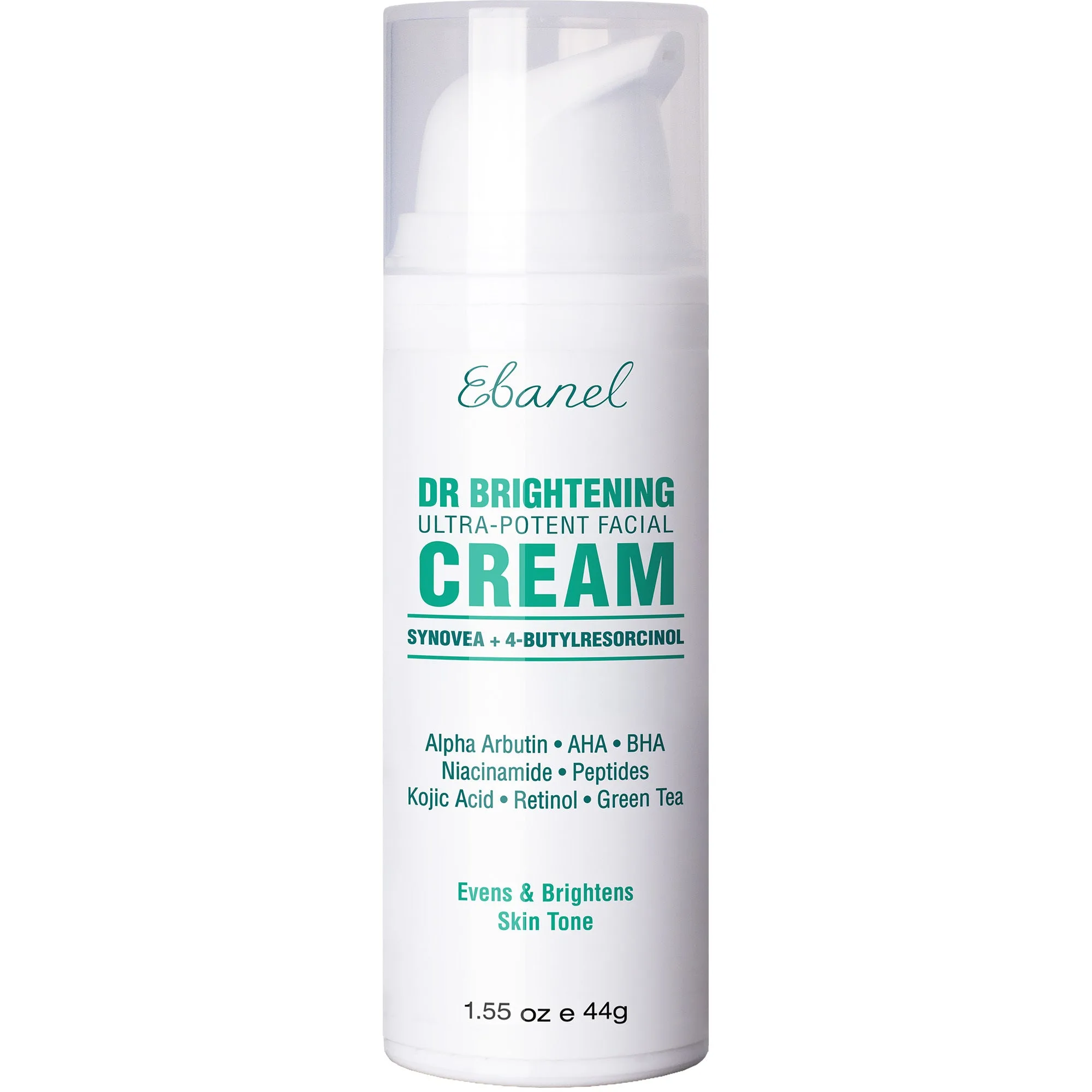
Dr Brightening Ultra-Potent Facial Cream
- For dark spots and sun damage: start with vitamin C
- For redness and oil control: start with niacinamide
- For maximum results: use both in a well-planned routine
Whether you choose vitamin C, niacinamide, or both, consistency is key to seeing real results. Start with one ingredient, introduce the second slowly, and always protect your skin with sunscreen. Ready to upgrade your brightening routine? Explore our collection of targeted serums and moisturizers, including the Liposomal Retinol Peptide Serum, to find the perfect match for your skin.