Vitamin C serums have earned a permanent spot in skincare routines for good reason. As a potent antioxidant, vitamin C helps protect the skin from environmental damage, brightens dull complexion, and supports collagen production for a firmer, more youthful appearance. But with so many options on the market, choosing the right one for your specific skin type can feel overwhelming.
In this guide, we’ll break down what to look for in a vitamin C serum, how to match it to your skin type, and highlight some standout products like the Glow-C Vitamin C 20% Serum and the Glow-C Eye Cream to help you achieve that coveted glow.
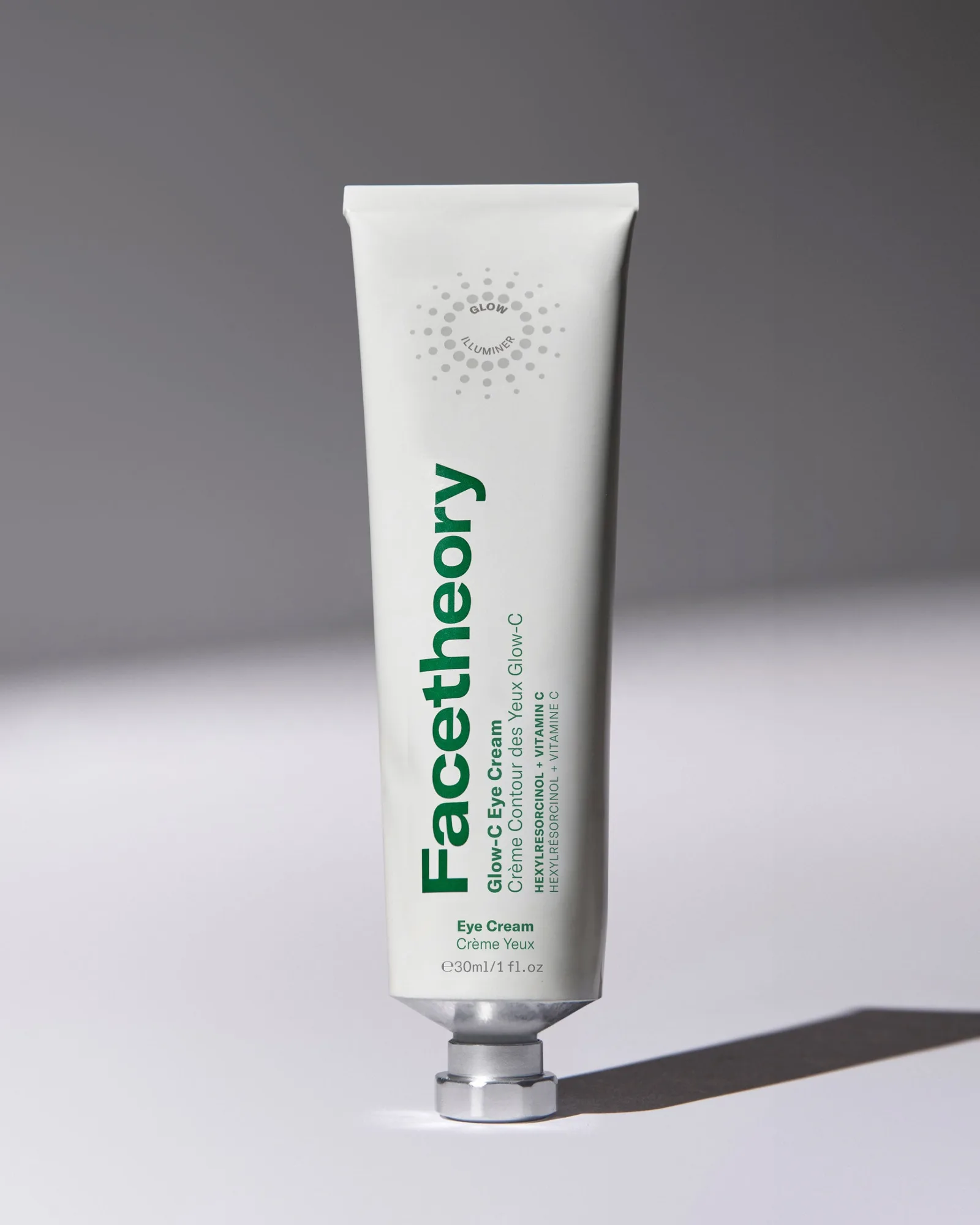
Glow-C Eye Cream
Why Vitamin C is a Skincare Essential
Vitamin C is a water-soluble vitamin that plays a key role in the synthesis of collagen, a protein that gives skin its structure and elasticity. When applied topically, it helps neutralize free radicals generated by UV exposure and pollution, thereby preventing premature aging. It also inhibits melanin production, which can fade dark spots and even out skin tone over time.
The challenge is that vitamin C is notoriously unstable. Many serums use L-ascorbic acid, the purest form, but it can oxidize quickly when exposed to light and air. Look for serums in opaque, airtight packaging or those that use stabilized derivatives like ascorbyl glucoside or tetrahexyldecyl ascorbate for longer shelf life.
- Look for serums with a pH between 3.0 and 3.5 for maximum efficacy of L-ascorbic acid.
- Store your vitamin C serum in a cool, dark place to slow down oxidation.
Choosing a Vitamin C Serum for Oily and Acne-Prone Skin
If you have oily or acne-prone skin, you want a vitamin C serum that is lightweight, non-comedogenic, and ideally contains additional ingredients to control excess sebum and refine pores. A water-based gel or serum texture works best, as it absorbs quickly without leaving a greasy residue.
The Glow-C Vitamin C 20% Serum is an excellent choice for this skin type. It combines a high concentration of stabilized vitamin C with ferulic acid and vitamin E to boost antioxidant protection while remaining lightweight. For added pore-refining benefits, consider pairing it with the Porebright Niacinamide 20% Refining Serum, which helps reduce the appearance of pores and balance oil production.
Avoid serums with heavy oils or butters, as these can clog pores. Instead, look for formulas that include niacinamide, salicylic acid, or hyaluronic acid for a multitasking boost.
- Apply vitamin C serum after cleansing and before moisturizer for best absorption.
- If you use a BHA or AHA exfoliant, apply vitamin C in the morning and exfoliants at night.
The Best Vitamin C Serums for Dry and Dehydrated Skin
Dry and dehydrated skin needs a vitamin C serum that not only brightens but also provides hydration and barrier support. Look for serums that include humectants like hyaluronic acid or glycerin, and soothing ingredients like aloe vera or ceramides to prevent irritation.
The Glow-C Eye Cream is a targeted option for the delicate under-eye area, where dryness and fine lines are common. It delivers vitamin C along with peptides and squalane to hydrate and firm the skin. For the rest of the face, a serum with a slightly richer consistency can help lock in moisture without feeling heavy.
You can also layer a vitamin C serum under a nourishing moisturizer. Avoid formulas with high alcohol content, as they can strip the skin and worsen dryness.
- Apply vitamin C serum to slightly damp skin to enhance hydration.
- Follow with a moisturizer containing ceramides or fatty acids to seal in the serum.
Vitamin C for Sensitive and Reactive Skin
Sensitive skin requires extra care when introducing active ingredients like vitamin C. High concentrations of L-ascorbic acid can cause stinging, redness, or irritation. Instead, opt for serums with lower concentrations (10-15%) or stabilized derivatives that are gentler on the skin.
Look for formulations that include soothing ingredients like allantoin, panthenol, or green tea extract. The Glow-C Vitamin C 20% Serum is potent, so if you have sensitive skin, start by using it every other day and always patch test first. Alternatively, consider a serum with ascorbyl glucoside, which is less acidic and better tolerated.
Avoid layering vitamin C with strong exfoliants or retinoids in the same routine until your skin builds tolerance. A simple routine of cleanser, vitamin C serum, moisturizer, and sunscreen is ideal for sensitive skin.
- Always do a patch test on your inner arm before applying a new vitamin C serum to your face.
- If you experience irritation, reduce frequency to twice a week and gradually increase.
How to Incorporate Vitamin C into Your Morning Routine
The best time to use a vitamin C serum is in the morning, as it works synergistically with sunscreen to provide enhanced protection against UV damage and environmental pollutants. Apply it after cleansing and before moisturizer and sunscreen.
Start with a gentle cleanser like the Glow-C Cleansing Balm to remove impurities without stripping the skin. Then, apply a few drops of your chosen vitamin C serum to your face and neck, gently pressing it in. Wait a minute for it to absorb, then follow with a moisturizer and a broad-spectrum sunscreen of at least SPF 30.
Consistency is key. You’ll typically see noticeable improvements in brightness and skin tone after 4-6 weeks of daily use.
- Don’t forget to apply vitamin C to your neck and chest, as these areas also show signs of aging.
- Store your serum away from direct sunlight to maintain its potency.
Finding the right vitamin C serum for your skin type doesn’t have to be complicated. Whether you have oily, dry, or sensitive skin, there’s a formulation that can deliver the brightening, anti-aging benefits you’re looking for. Start by identifying your skin’s needs, choose a serum with a stable form of vitamin C, and introduce it gradually into your routine. For a potent yet versatile option, the Glow-C Vitamin C 20% Serum is a fantastic choice that works well for most skin types. Explore it today and take the first step toward a more radiant complexion.