The short answer: one softgel, once a day, with a meal
Vitamin E-400 IU Naturally Sourced comes with a straightforward label direction: for adults, take one softgel daily, preferably with a meal. That single line answers most of the timing question. You do not need to split the dose or take it at a specific hour. Pick a meal you eat consistently and make the softgel part of that routine.
The label does not explain why it suggests taking the softgel with food, and the supplied information does not include a manufacturer statement about absorption. What the label does establish is the daily amount: one softgel. That is the checkpoint to follow rather than adding extra softgels to make up for a missed day.
What one softgel actually delivers
-
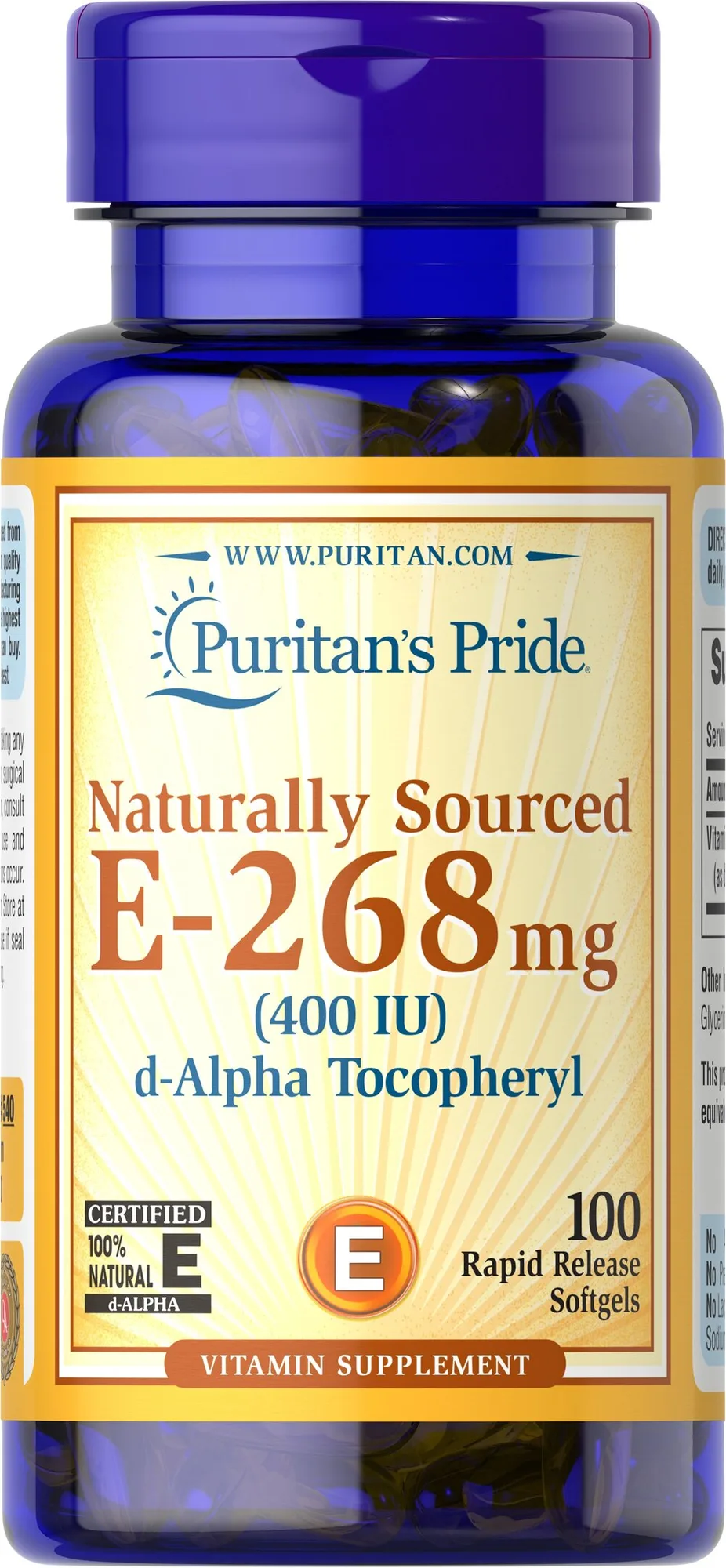
Vitamin E-400 iu Naturally Sourced: Serving size is one softgel, providing 268 mg of Vitamin E, equivalent to 400 IU, as d-Alpha Tocopheryl Acetate. This connects the 400 IU name on the bottle to the milligram figure on the Supplement Facts panel, so you know what one daily softgel contains.
Vitamin E-400 iu Naturally Sourced
-
Vitamin E-400 iu Naturally Sourced: The product is described as 100% natural Vitamin E in a softgel, with other ingredients of gelatin, soybean oil, and vegetable glycerin. If you avoid gelatin or soybean oil, this ingredient list is the practical checkpoint before you buy.
A simple daily routine that follows the label
The label gives one daily amount and one timing preference. Build your routine around those two facts instead of around a more elaborate schedule.
- Choose a meal you already eat every day: The label says preferably with a meal. Breakfast, lunch, or dinner all qualify as long as you actually eat it consistently. The point is to attach the softgel to an existing habit rather than to a particular clock time.
- Take one softgel, not more: The serving size is one softgel daily for adults. The supplied information does not describe a higher daily amount, so there is no supported reason to double up.
- Keep the bottle at room temperature: The label instructs storing the product at room temperature and keeping it out of reach of children. A kitchen cabinet near where you eat is a practical spot.
- Check the seal before the first softgel: Do not use the product if the seal under the cap is broken or missing.
- Stop and ask if something changes: The label says to discontinue use and consult your doctor if any adverse reactions occur.
When to take Vitamin E: morning or evening?
The supplied label does not specify a time of day, so the honest answer is that the label leaves the hour open. What it does specify is the meal. If you take the softgel with food, you have followed the manufacturer's stated preference.
A practical way to decide is to look at your own schedule. If your most reliable meal is breakfast, take it then. If dinner is the meal you never skip, take it with dinner. Consistency matters more than the specific hour, and the label does not support a claim that one time of day is better than another.
Why the label says to take it with food
The label's preference for taking the softgel with a meal is stated as a direction, not with an explanation. The supplied information does not include the manufacturer's reasoning, so it would be misleading to describe a specific absorption mechanism or a required amount of fat at the meal.
What you can rely on is the direction itself. Pairing the softgel with a meal you already eat is the simplest way to follow it without turning timing into a project.
Who should check with a doctor before starting
The label carries a broad warning: if you are pregnant, nursing, taking any medications, planning any medical or surgical procedure, or have any medical condition, consult your doctor before use. That covers a wide range of situations, and it is worth taking literally rather than assuming Vitamin E is exempt because it is sold over the counter.
The product description also notes that some people, including those on low-fat diets, may not be meeting the recommended daily intake for Vitamin E. That is context for why someone might consider a supplement, not a reason to skip the conversation with a doctor about whether this product fits your situation.
What the label supports and what it leaves open
The supplied information is specific about some points and silent on others. Keeping those two categories separate prevents you from turning a label direction into a rule it does not actually state.
- Supported by the label: One softgel daily for adults; preferably with a meal; store at room temperature; keep out of reach of children; do not use if the seal is broken; discontinue and consult a doctor if adverse reactions occur.
- Not specified in the supplied information: A particular time of day, a required amount of dietary fat with the meal, and any instruction for splitting or increasing the daily amount. The label gives one daily serving and does not describe alternatives.
- Stated on the label as a caution: Consult your doctor before use if you are pregnant, nursing, taking medications, planning a medical or surgical procedure, or have a medical condition.
A realistic look at the trade-offs
A single daily softgel is easy to keep up with, and the label's meal preference gives you a natural anchor. The trade-off is that the softgel format and the ingredient list will not suit everyone: the product contains gelatin and soybean oil, and the label directs certain people to consult a doctor first.
The 400 IU figure is also worth reading carefully. The Supplement Facts panel lists 268 mg, equivalent to 400 IU, which is the amount in one softgel. That is the daily amount the label describes, not a starting point to build on.
Product details for your routine
- Vitamin E-400 iu Naturally Sourced: Vitamin E-400 IU Naturally Sourced is sold as 100 softgels, with a catalog price of USD 21.65 and a catalog comparison price of USD 30.49. The bottle size and price help you judge how long a one-softgel-a-day routine will last and what it costs at the listed catalog price.
- Vitamin E-400 iu Naturally Sourced: The formula is described as containing no artificial color, flavor, or sweetener, no preservatives, no sugar, no starch, no milk, no lactose, no gluten, no wheat, no yeast, no fish, and is sodium free. These exclusions are useful if you are checking the label against dietary preferences or ingredient sensitivities.