Quick answer
Vitamin K is a fat-soluble nutrient that plays a key role in bone metabolism and blood clotting. A 100 mcg daily dose of vitamin K-2, such as MenaQ7, is a reasonable starting point for supporting bone and heart health, but always check with your healthcare provider to tailor the dose to your needs.
Vitamin K often flies under the radar compared to vitamins D and C, but it’s essential for keeping your bones strong and your heart healthy. If you’ve seen 'vitamin K 100 mcg' on a supplement label and wondered what it does and whether it’s right for you, this guide breaks down the benefits, dosage, and how to take it effectively.
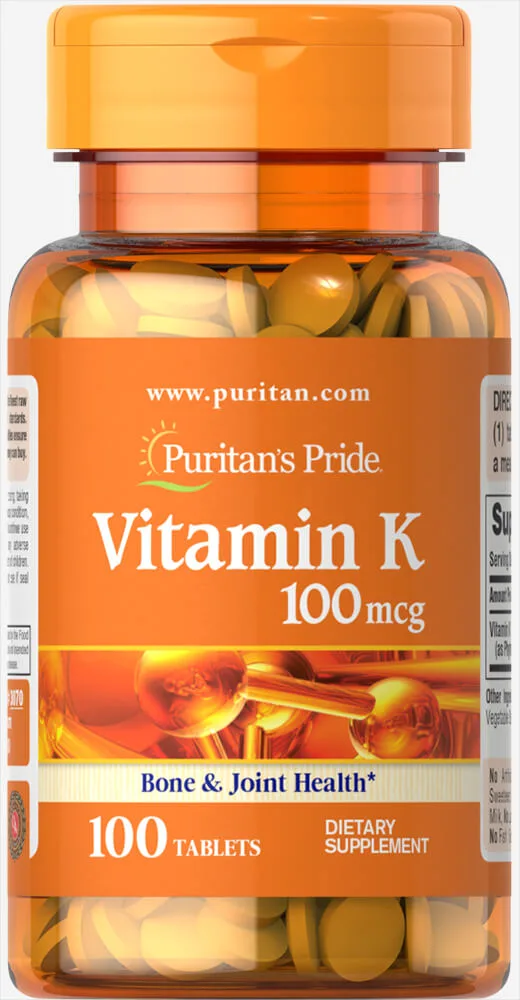
vitamin K 100 mcg
We’ll also cover food sources and practical tips to help you make an informed choice—without the hype.
Why Vitamin K Matters for Bone Health
Vitamin K is a fat-soluble vitamin that exists in two main forms: K-1 (phylloquinone) found in leafy greens, and K-2 (menaquinone) found in fermented foods and animal products. Both forms support bone health by activating proteins that help bind calcium to the bone matrix.
Research suggests that vitamin K-2, specifically the MenaQ7 form, may be particularly effective. A clinical trial conducted in China looked at the effects of vitamin K2 on bone density in adults aged 50 to 75. Participants received 90 mcg of K2 or a placebo daily for one year, and the results indicated a positive impact on bone density.
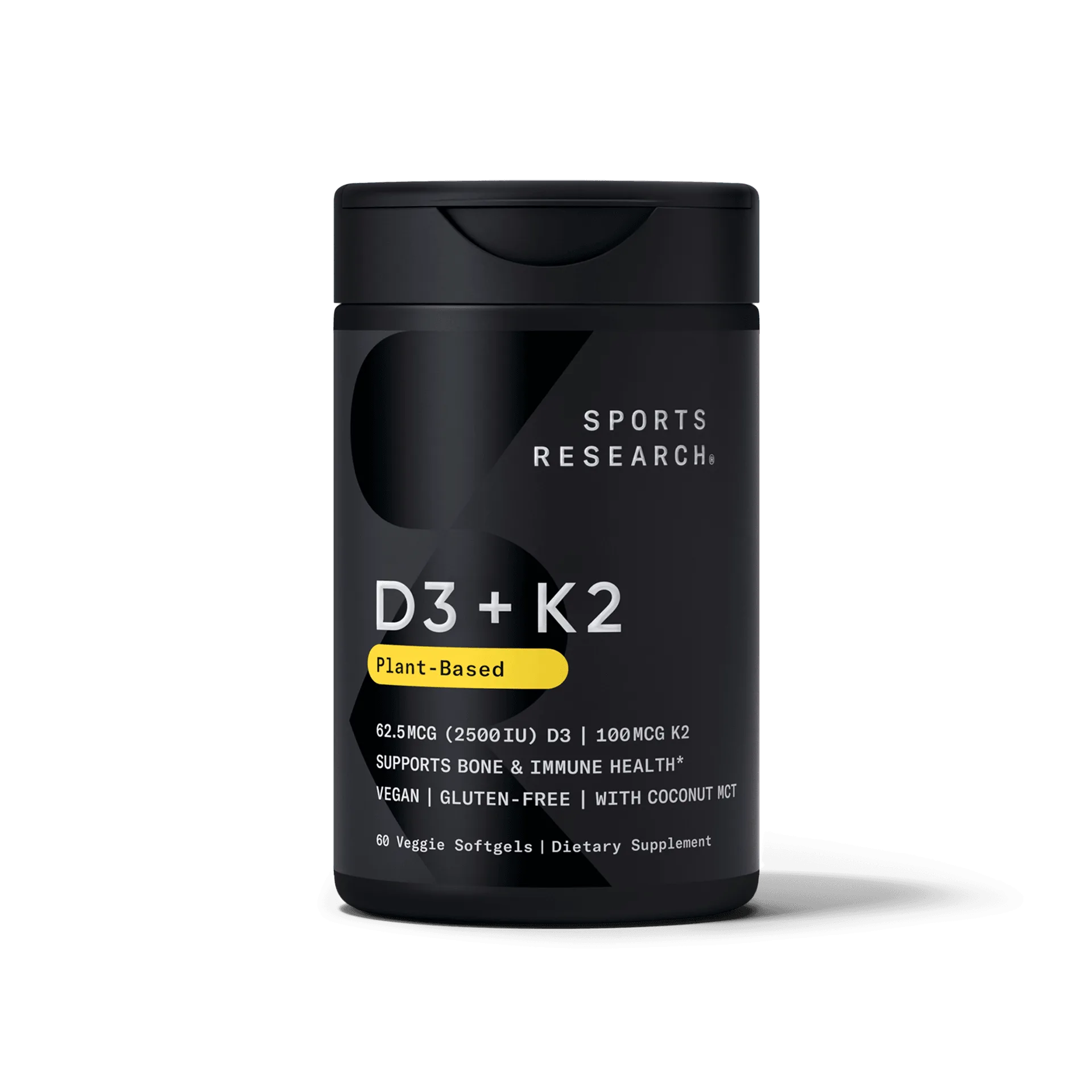
This is why many bone health supplements combine vitamin K with vitamin D—vitamin D helps absorb calcium, while vitamin K helps direct it to the bones.
If you’re focusing on bone health, aim for a consistent daily intake of vitamin K, whether from food or supplements. A 100 mcg dose is a common starting point, but your individual needs may vary based on age, diet, and health status.
- Pair vitamin K with vitamin D and calcium for a complete bone-support routine.
Vitamin K and Heart Health: The Connection
Vitamin K also plays a role in heart health by helping to regulate calcium in the arteries. Certain proteins, such as matrix Gla protein, depend on vitamin K to prevent calcium from depositing in arterial walls, which can contribute to stiffening and cardiovascular issues.
While more research is needed to fully understand the long-term effects, getting adequate vitamin K is considered a sensible part of a heart-healthy lifestyle. Because vitamin K-2 is more bioavailable and stays in the body longer than K-1, many supplements focus on K-2 for this purpose.
A 100 mcg daily dose of vitamin K-2 can be a convenient way to support your cardiovascular system, especially if your diet is low in fermented foods like natto or certain cheeses.
How Much Vitamin K Do You Need? A Dosage Guide
The adequate intake (AI) for vitamin K varies by age and sex. For adult men, it’s about 120 mcg per day; for adult women, it’s about 90 mcg per day. These recommendations are based on vitamin K-1, but K-2 is often used in supplements at doses like 100 mcg.
When choosing a supplement, look for the form of vitamin K. MenaQ7 is a well-studied form of vitamin K-2 that is often used in clinical research. A 100 mcg capsule is a common and reasonable dose for general wellness.
Keep in mind that vitamin K can interact with blood-thinning medications like warfarin. If you take any anticoagulant, consult your doctor before adding a vitamin K supplement.
Food Sources of Vitamin K
If you prefer to get vitamin K from food, you have plenty of options. Vitamin K-1 is abundant in leafy greens such as kale, spinach, broccoli, and Brussels sprouts. Vitamin K-2 is found in fermented foods like natto, sauerkraut, and certain cheeses, as well as in egg yolks and meat.
Eating a varied diet rich in these foods can help you meet your daily needs. However, if you have dietary restrictions or simply want a consistent dose, a supplement can fill the gap.
How to Take Vitamin K Supplements Effectively
Vitamin K is fat-soluble, so it’s best absorbed when taken with a meal that contains some fat. A meal with olive oil, avocado, nuts, or animal fats will help your body absorb the vitamin efficiently.
Consistency matters more than timing. Choose a time of day that works for you and stick with it. Many people take their vitamin K alongside breakfast or dinner.
If you’re also taking vitamin D and calcium, you can combine them into one routine. Vitamin D aids calcium absorption, and vitamin K helps direct that calcium to the right places.
Always read the label to see the exact dose and form of vitamin K. Some supplements list K-2 as MK-4 or MK-7; both are effective, but MK-7 (like MenaQ7) has a longer half-life, allowing for once-daily dosing.
Your Step-by-Step Guide to Adding Vitamin K
- Check your current vitamin K intake: Review your diet to see how much vitamin K you get from food. If you eat leafy greens regularly, you may already be getting enough K-1. If not, a supplement can help. A quick food diary for a few days can reveal gaps.
- Choose the right form and dose: Decide between vitamin K-1 and K-2. For bone and heart health, K-2 (especially MenaQ7) is often preferred. A 100 mcg daily dose is a reasonable starting point. Read labels carefully—look for 'MenaQ7' or 'MK-7' to ensure you're getting a bioavailable form.
- Take it with a meal that contains fat: Since vitamin K is fat-soluble, take your supplement with a meal that includes healthy fats like olive oil, avocado, or nuts to enhance absorption. Pairing it with breakfast or dinner is an easy habit to form.
- Monitor your routine and adjust as needed: Keep track of how you feel and any changes in your health. If you have specific concerns, consult a healthcare provider to fine-tune your dosage. Your needs may change over time, so periodic check-ins are wise.
Vitamin K Supplements to Consider
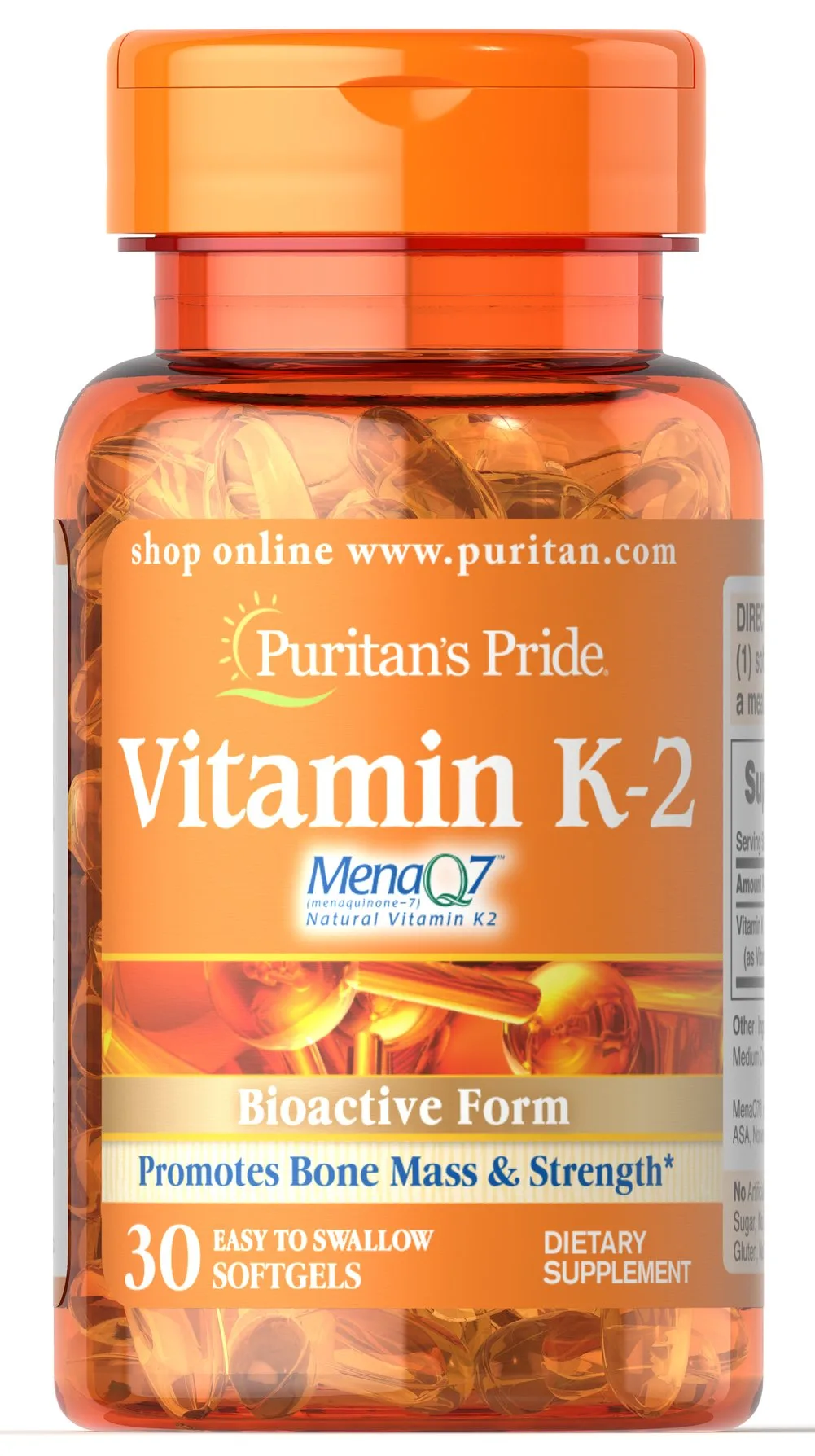
- Vitamin K-2 (MenaQ7) 100 mcg: This supplement provides 100 mcg of vitamin K-2 in the MenaQ7 form, which has been studied for its effects on bone density in adults aged 50 to 75. If you're looking for a targeted vitamin K-2 supplement to support bone and heart health, this product offers a clinically studied dose.
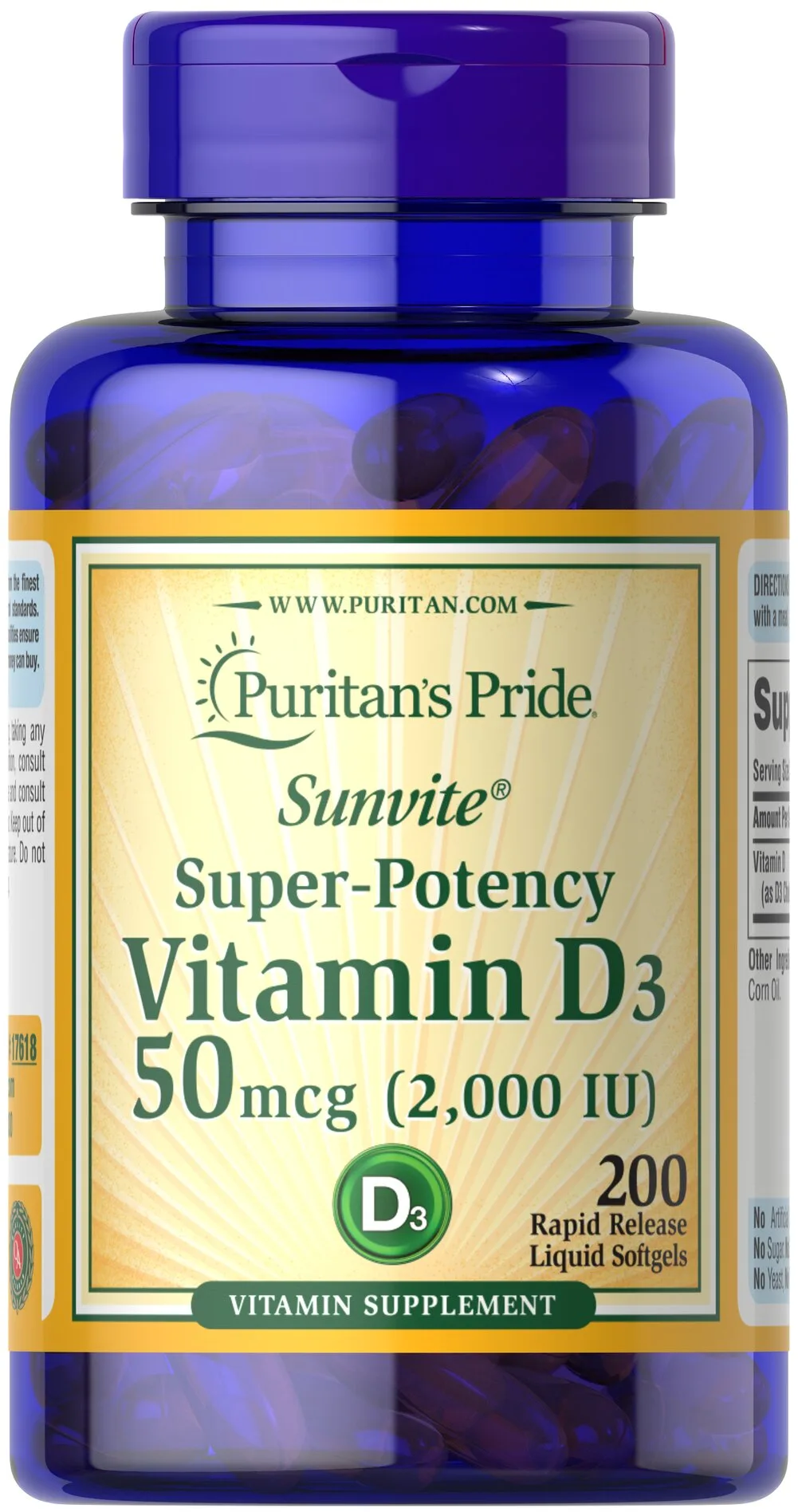
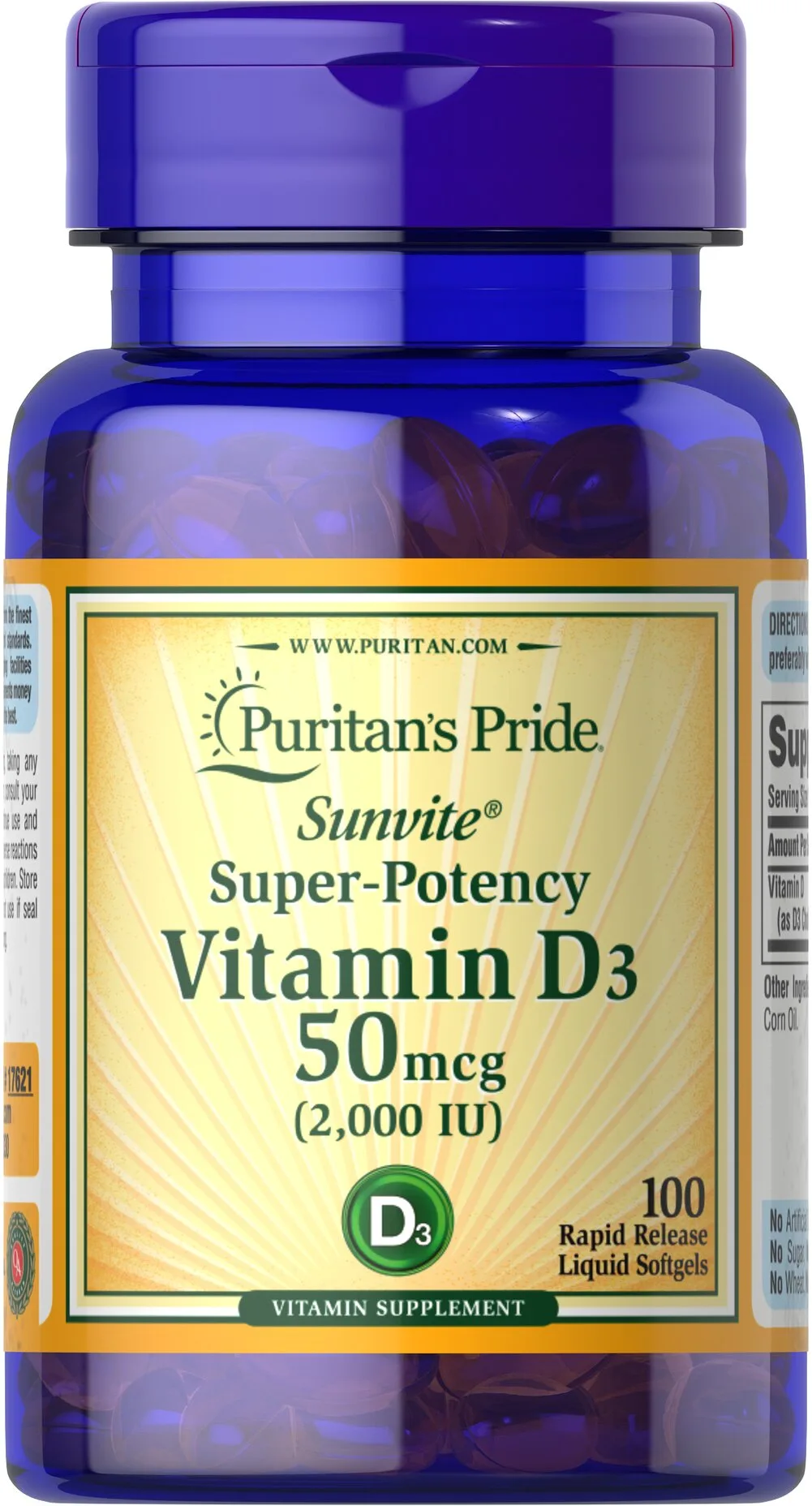
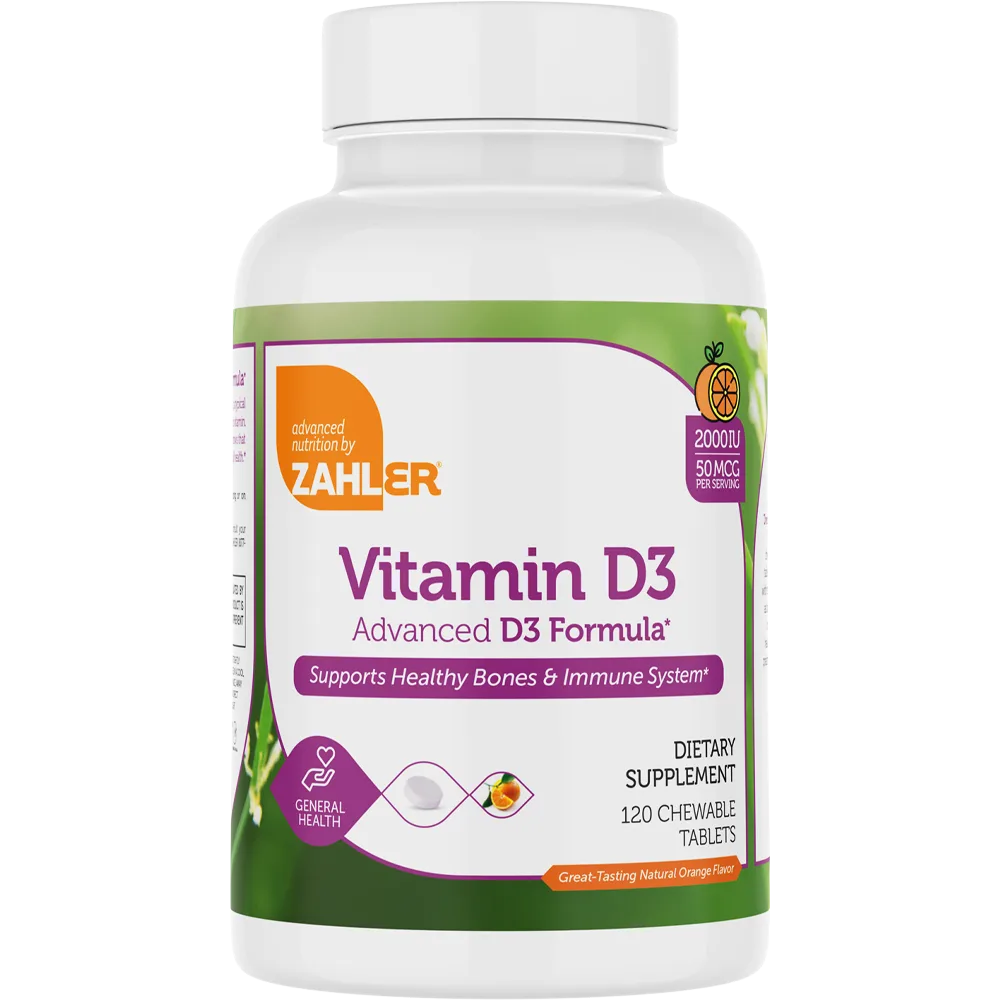
- https://puritanei.com/products/vitamin-d3-2000-iu-017621-448537Vitamin D3 50 mcg (2000 IU): Vitamin D3 supports healthy bones and teeth and assists in immune system health. Vitamin D works hand-in-hand with vitamin K to help your body use calcium effectively, making it a smart addition to your bone-health routine.
Vitamin K is a small but mighty nutrient that supports your bones and heart in important ways. Whether you choose to get it from food or a supplement like Vitamin K-2 (MenaQ7) 100 mcg, consistency is key. As always, talk to your healthcare provider before starting any new supplement, especially if you take medications. With the right approach, you can make a simple, effective addition to your wellness routine.