Choosing the right mounting method for your bird feeder can make a big difference in how often birds visit and how much you enjoy watching them. With smart feeders like the Birdbuddy Pro, the mount you select affects everything from stability to camera angles. Whether you're mounting on a house wall, a fence, a pole, or hanging from a branch, each option has its own strengths and trade-offs.
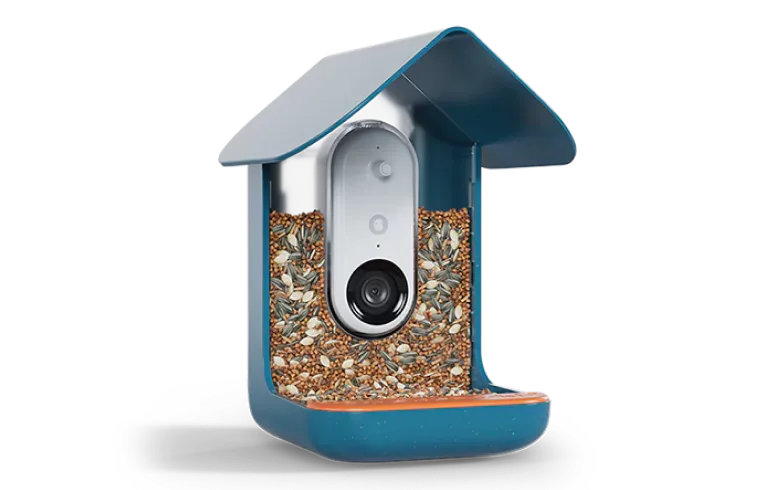
Birdbuddy Pro
In this guide, we'll compare the Birdbuddy Wall Mount with other common mounting alternatives, including pole mounts, hanging hooks, and ground stakes. We'll cover ease of installation, durability, bird safety, and how accessories like the Perch Extender work with each setup. By the end, you'll know exactly which mounting method suits your yard and lifestyle.
Why the Right Mount Matters for Your Bird Feeder
The mounting system of your bird feeder is not just about holding it in place – it directly influences bird activity, feeder maintenance, and your viewing experience. A wobbly or inaccessible feeder may deter shy species, while a poorly placed mount can leave the feeder vulnerable to squirrels or harsh weather. With smart feeders that include cameras and sensors, stability becomes even more critical: a shaky mount can ruin video quality and trigger false motion alerts.
The Wall Mount is designed specifically for Birdbuddy feeders, offering a secure, low-profile attachment to vertical surfaces. In contrast, pole mounts and hanging options give you flexibility to place the feeder in open areas or near natural perches. Understanding these differences helps you pick the best setup for your specific backyard conditions.
- Stability reduces camera shake and improves bird identification accuracy.
Wall Mount: Built for Solid, Close-Up Views
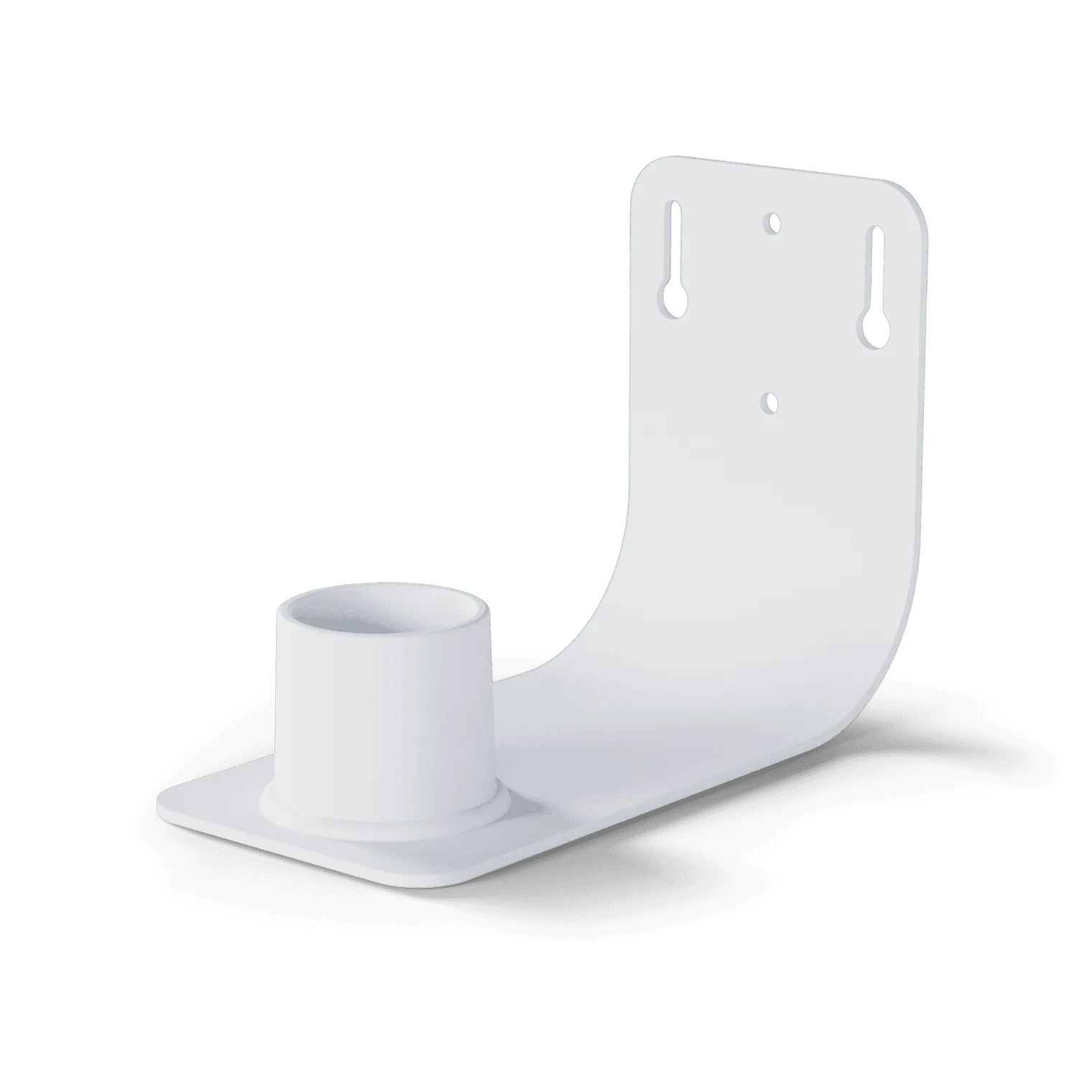
The Wall Mount is an excellent choice if you want your feeder attached directly to the side of your house, a sturdy fence, or a shed. Its design keeps the feeder firmly against the wall, minimizing movement even in strong winds. This mount requires only a few screws and can be installed on wood, brick, or composite surfaces. Once mounted, the feeder sits at a height that makes refilling and cleaning easy, and the camera has a clear view of birds coming and going.
One of the biggest advantages of the Wall Mount is its ability to support additional accessories. For example, you can attach a Perch Extender to create more perching space, making the feeder more inviting for multiple birds. The stable base also works well with a Solar Roof if you want to power the feeder with sunlight. The main limitation is that you’re tied to a wall location, which may not be ideal if you want the feeder in the center of your garden or near specific trees.
- Low maintenance: easy to reach for refilling and cleaning without bending or climbing.
- Weather protection: the wall provides some shelter from rain and wind.
Alternative Mounting Options: Pole, Hanging, and Ground Stakes
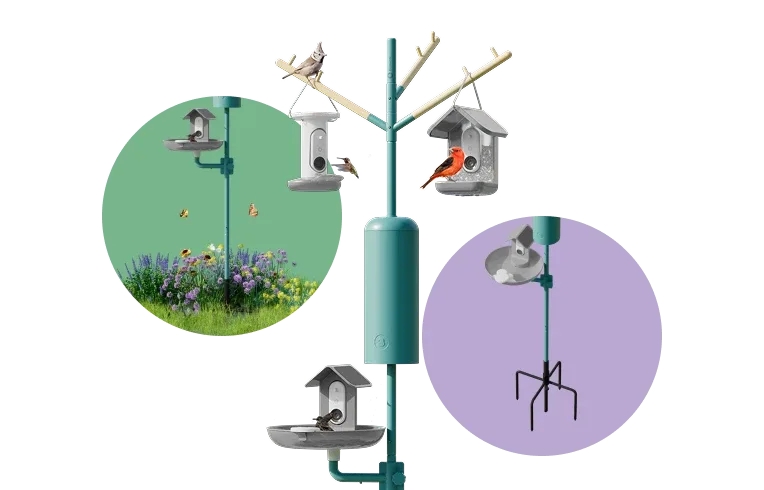
Pole mounts are a popular alternative for Birdbuddy feeders because they offer flexibility in placement. You can install a pole in the ground (often with a ground stake) or use a deck railing mount to position the feeder at eye level. Pole mounts allow you to move the feeder to different parts of the yard as seasons change, and they keep the feeder away from structures where predators might hide. However, poles can sway in strong winds unless well-anchored, and they require a bit more installation effort.
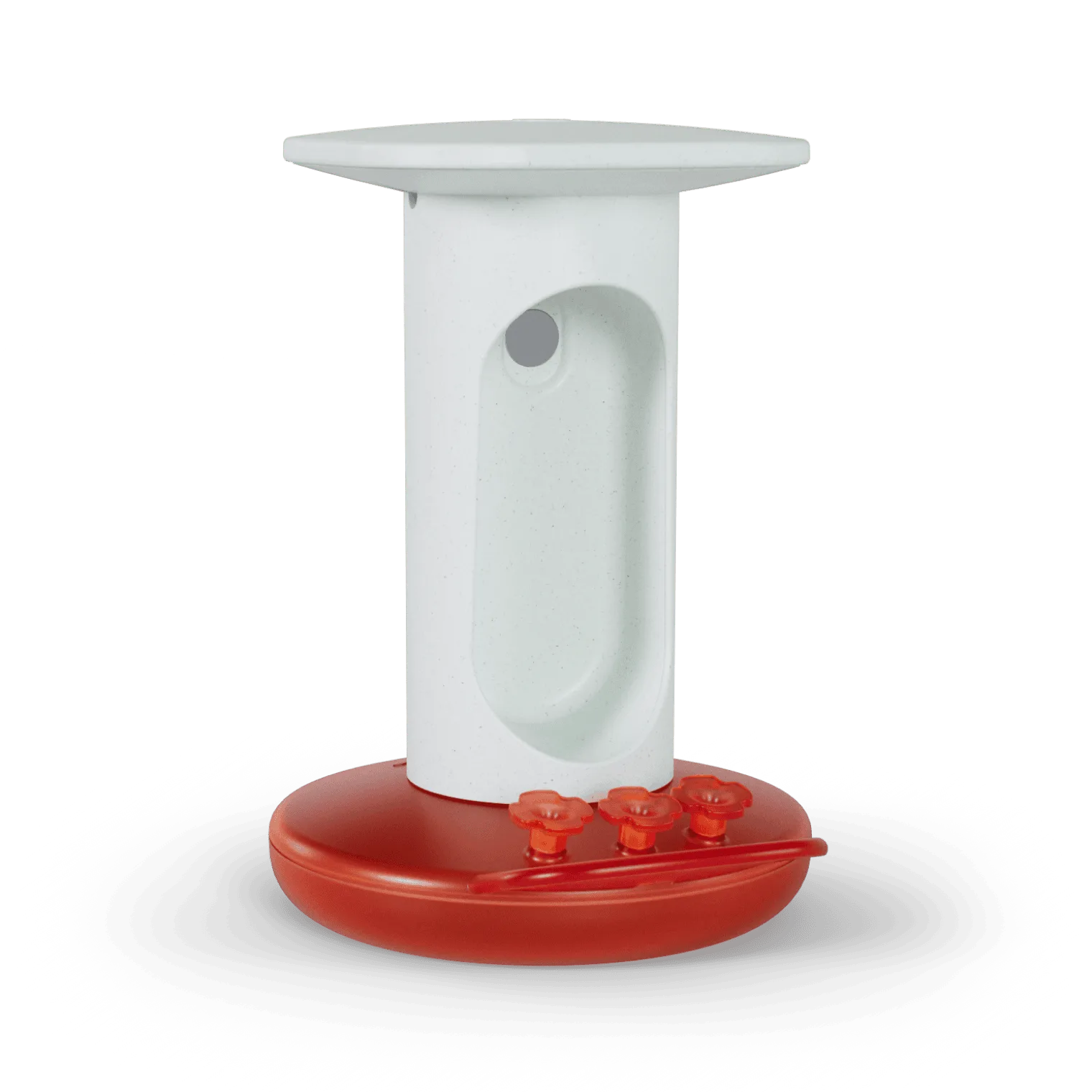
Hanging mounts – using a shepherd's hook or a branch hook – are the easiest to set up and let you adjust the feeder height quickly. They are ideal for renters or those who want a no-drill solution. The trade-off is less stability, which can affect the feeder's camera and motion sensors. Ground stakes are a hybrid option, offering some stability while keeping the feeder low to the ground. For hummingbird feeders, a dedicated housing like the Smart Hummingbird Feeder Housing often works best when mounted on a pole or wall with a small bracket.
- Pole mounts: best for open-yard placement but require digging or clamping.
- Hanging mounts: quick and adjustable but less stable for smart feeders.
- Ground stakes: simple and low-profile, but limit viewing height.
Key Factors to Compare: Stability, Placement, and Bird Access
Stability is the number one factor for smart feeder performance. The Wall Mount offers superior rigidity because it is fastened directly to a solid surface. Pole mounts, when properly secured with a heavy base or concrete, can also be very stable. Hanging mounts are the least stable – even a moderate breeze can cause the feeder to swing, leading to blurry photos and false motion events.
Placement flexibility favors pole and hanging mounts. With a pole, you can position your Birdbuddy Pro in a sunny spot for solar charging or near a bird bath. The Wall Mount restricts you to existing walls, but it often provides the best camera angle because the feeder is close to your window or patio. Bird access is another consideration: some species prefer feeders that are away from walls, while others feel safer approaching a feeder attached to a familiar structure. Adding a Perch Extender can help by giving birds more landing options regardless of the mount.
- For squirrel deterrence, wall mounts make it harder for squirrels to jump onto the feeder.
- For bird photography, the wall mount's stability reduces camera shake and improves image clarity.
Accessory Compatibility and Long-Term Value
The Wall Mount is designed to work seamlessly with other Birdbuddy accessories. You can easily add a Solar Roof to power the feeder's camera and heating elements, or attach a Perch Extender to accommodate larger birds. The mount's bracket includes mounting holes that align with these add-ons, ensuring a snug fit. Pole mounts may require additional adapters to attach such accessories, and hanging mounts often lack the stability needed for solar panels.
From a long-term perspective, the Wall Mount is a one-time installation that requires little upkeep. It's made from durable materials that resist rust and UV damage. If you move homes, you can remove it and patch the screw holes. Pole mounts may need occasional tightening or replacement of ground stakes, especially in freeze-thaw climates. Consider your long-term plans: if you want a permanent, worry-free setup, the Wall Mount is a solid investment. If you enjoy rearranging your yard often, a pole mount might offer more flexibility.
- Use a level when installing the Wall Mount to keep the feeder perfectly horizontal.
- Check that the mounting surface can support the weight of a fully filled feeder plus accessories.
When it comes to mounting your Birdbuddy feeder, the Wall Mount stands out for its stability, ease of installation, and seamless accessory compatibility. While pole and hanging mounts offer placement flexibility, they cannot match the rock-solid performance of a wall-mounted setup for smart feeders. For a reliable, long-term solution that gets you the best bird-watching experience, the Wall Mount is an excellent choice. Explore the Wall Mount on Birdbuddy Home to see how it can transform your backyard birding.