Quick answer
A wall sconce that looks dim is almost always limited by the bulb, the shade, or where it sits on the wall. Start by matching the bulb to the fixture's rating and swapping a dark or heavy shade for a translucent one. If the sconce still underperforms after those fixes, it's a fixture-level limitation, and choosing a model with an open design or a glass diffuser is the better move.
Check the bulb before you blame the fixture
The fastest fix is also the most overlooked: the bulb itself. A sconce rated for a higher wattage will look dull with a low-output LED, and a bulb with a narrow beam angle throws light in a tight cone instead of washing the wall. Replace the bulb with one that matches the fixture's maximum wattage and has a wide beam angle, then compare the two side by side before deciding anything else is wrong.
Color temperature matters more than most people expect. A 2700K bulb reads warm and soft, which can feel dim even at full brightness, while a 3000K or 4000K bulb of the same lumen output looks noticeably brighter on the same wall. If you want the fixture to feel brighter without changing hardware, moving up the Kelvin scale is the cheapest experiment you can run.
- Match bulb wattage to the fixture's rating, never exceed it.
- Choose a wide beam angle for wall washing, a narrow one only for accenting art.
- Try one step warmer or cooler in color temperature before replacing the fixture.
Shades and diffusers absorb more light than you think
An opaque or heavily tinted shade can cut perceived brightness dramatically even with a strong bulb inside. If your sconce has a solid metal or dark enamel shade, most of the output is trapped. Swapping to a translucent shade, an open frame, or a glass diffuser lets more light reach the wall and the room.
This is also where placement interacts with shade choice. A sconce mounted too high on a wall sends light up toward the ceiling where it does little for reading or tasks. A sconce mounted too low can glare. The sweet spot for most bedside or vanity use is roughly at eye level when seated or standing, so the light lands where you actually need it.
- Translucent or open shades release far more usable light than solid ones.
- Mount bedside sconces near seated eye level, not near the ceiling.
- For art lighting, aim the beam at the piece rather than the room.
When the problem is the fixture, not the bulb
Some sconces are designed for mood, not illumination, and no bulb swap will turn them into task lights. If you have already corrected wattage, beam angle, color temperature, and shade material and the wall still reads dark, the fixture's design is the limiting factor. At that point, replacing it is more sensible than continuing to troubleshoot.
If you are replacing, look for a sconce with an open or glass-forward design and confirm the maximum wattage before buying. A fixture with a higher ceiling for bulb output gives you room to tune brightness later without changing hardware again.
- Stop troubleshooting once bulb, shade, and placement are all corrected.
- Choose replacements with open designs or glass diffusers for more usable light.
- Confirm the fixture's maximum wattage before purchase.
Sconce dimness diagnosis
- Symptom: light is weak but even across the wall: The bulb is likely underpowered or too warm in color temperature for the room. Replace the bulb with one matching the fixture's maximum wattage and try a slightly cooler Kelvin rating.
- Symptom: bright spot on the wall, dark everywhere else: A narrow beam angle is concentrating light instead of washing the wall. Switch to a wide-beam bulb, or reposition the sconce if the spot is in the wrong place.
- Symptom: bulb is correct but the wall still reads dark: The shade or diffuser is absorbing most of the output before it reaches the room. Swap to a translucent or open shade; if the fixture has no such option, this is your stopping point and a new fixture is the better investment.
Fixtures worth considering when a swap is the answer
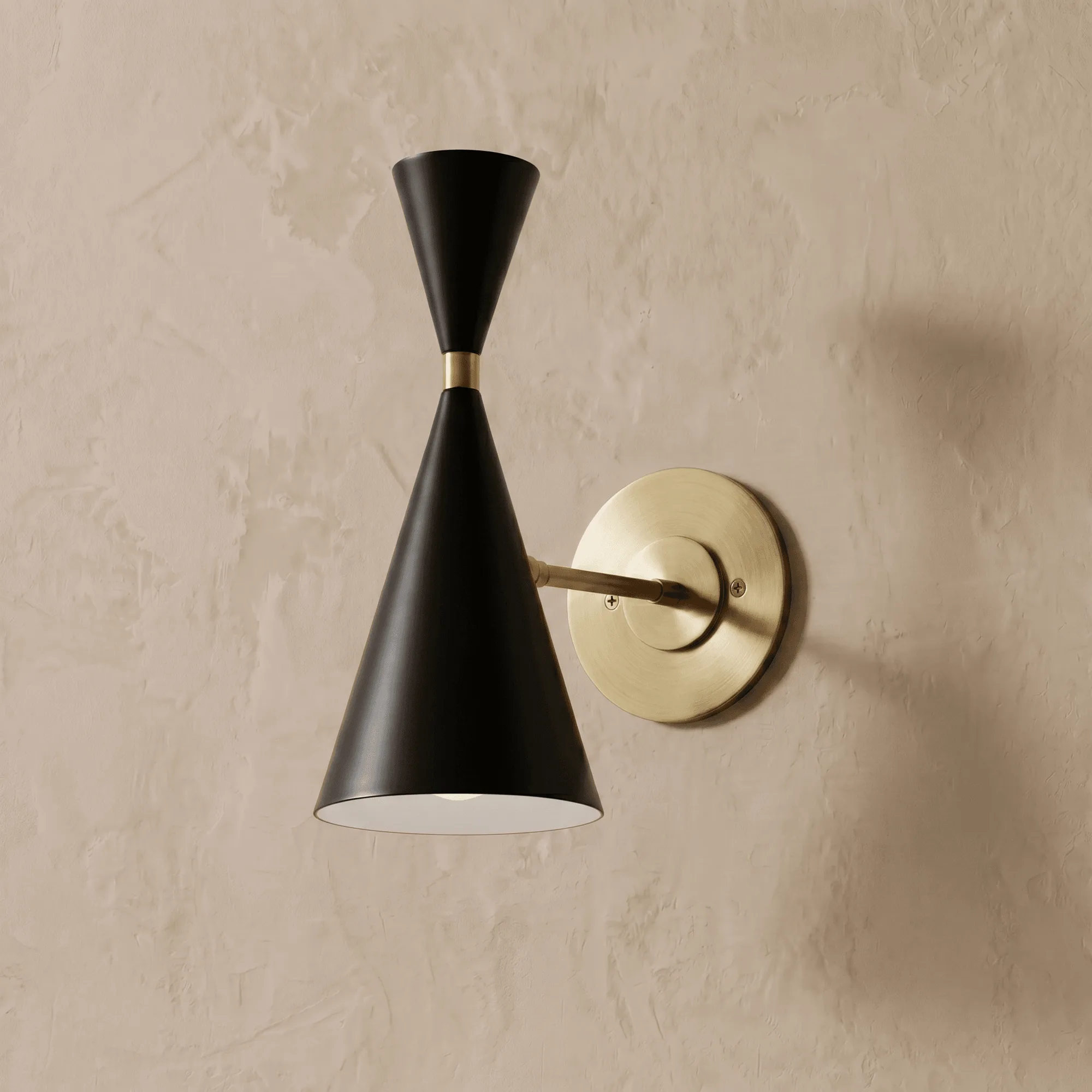
- Monolith Wall Sconce: The Monolith Wall Sconce is a commanding statement piece with design elements in the style of both Italian and French modernism, and it works well as a bedside lamp, over a mantle, in a bathroom or powder room, or punctuating a painting. Its versatility across rooms means you can solve a dim bedside or art-lighting problem with one fixture instead of buying separate sconces for each spot.
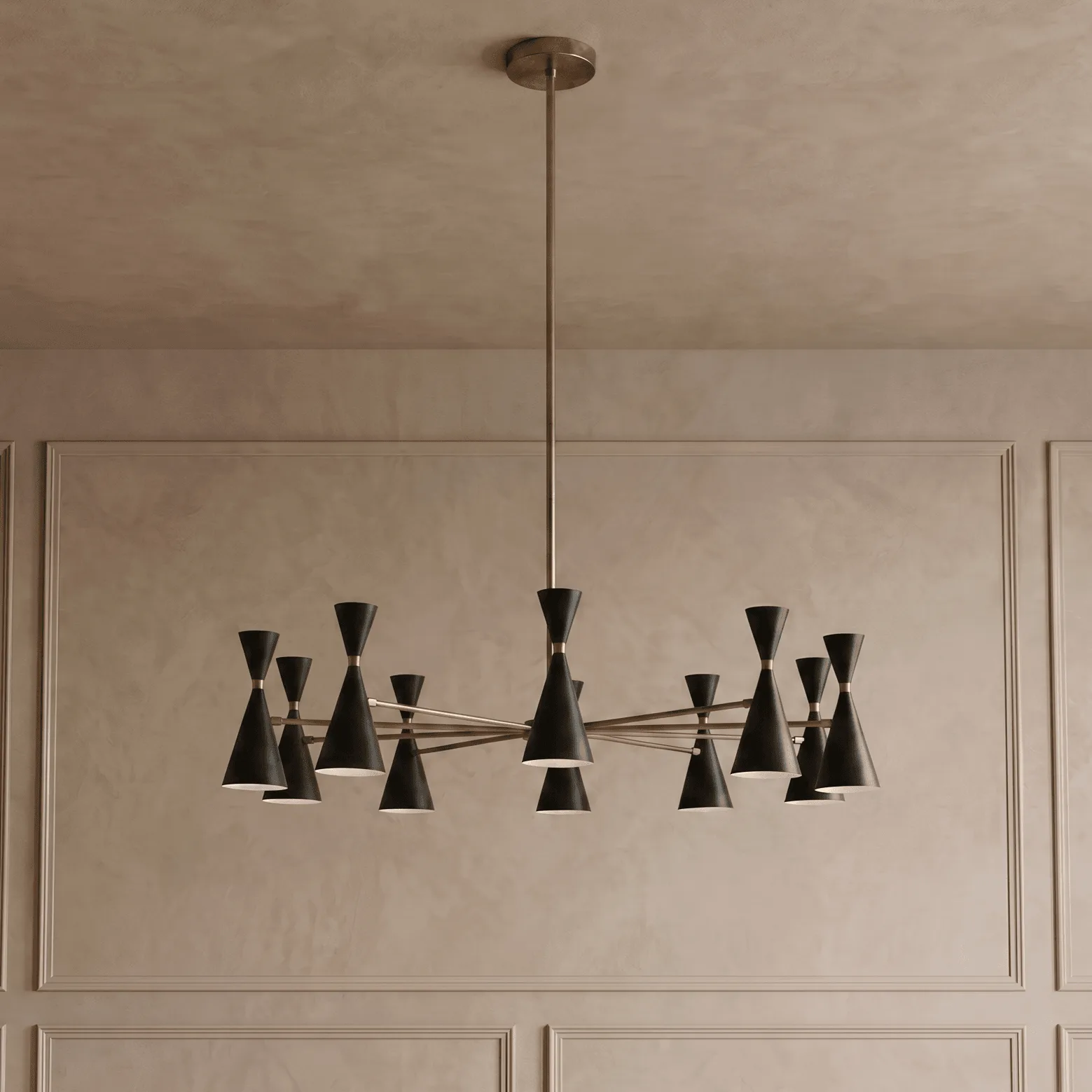
Monolith
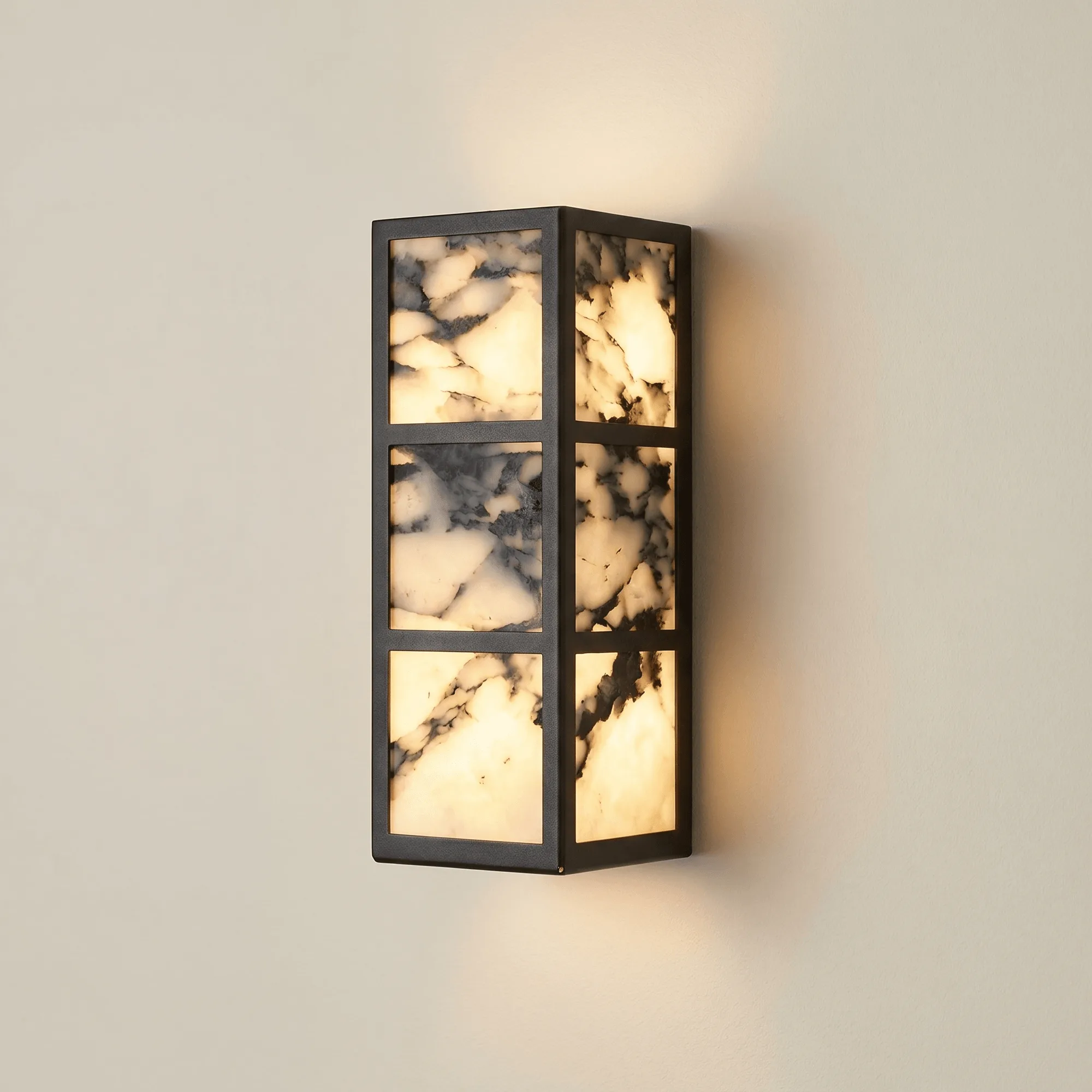
- Queens 3 Wall Sconce: The Queens 3 Wall Sconce uses an enamel-over-steel frame with solid Calacatta marble panels, and each piece has a unique veining pattern. The marble panels are solid, not translucent, so this sconce is better for mood and accent lighting than for maximum brightness on a task wall.
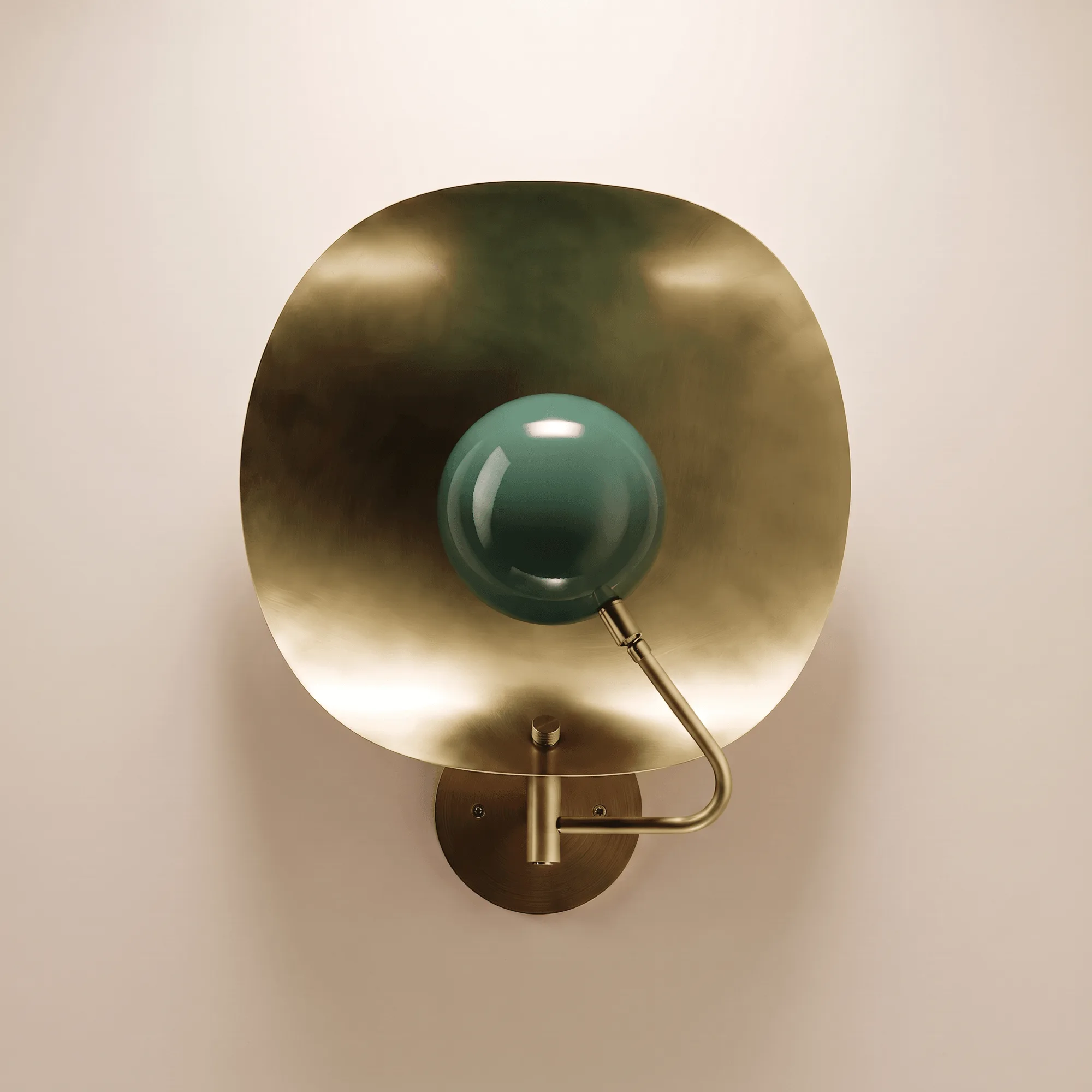
- Jenny Brass: Jenny Brass is a solid brass Art Deco-inspired sconce that lets you choose between a hand-spun metal shade with enamel finishes or a blown glass globe that diffuses light with a soft glow. The glass globe option is the brighter of the two and is the better pick if your current sconce looks dim because of a solid shade.