Quick Answer
For most hallways, wall sconces are the better choice because they save floor space and provide even, eye-level illumination—especially if you choose a plug-in model that avoids hardwiring. Choose a pendant light only if your hallway has high ceilings and you want a dramatic focal point.
Space and Ceiling Height
Hallways are usually narrow, so wall sconces are a natural fit: they mount flush against the wall, keeping the walking path clear. Pendant lights hang from the ceiling, so they require enough clearance—at least 7 feet from the floor—to avoid bumping heads. If your hallway has standard 8-foot ceilings, a pendant may feel cramped, whereas a sconce works fine.
In a two-story entry or a hallway with a vaulted ceiling, a pendant can fill the vertical space and become a striking architectural feature. But in a typical single-story corridor, the lower profile of a sconce is more practical.
Light Distribution and Ambiance
Wall sconces cast light outward and upward, creating a soft, ambient glow that flatters the walls and makes the hallway feel wider. They are ideal for setting a calm, welcoming mood. Pendant lights, especially those with a downward shade, concentrate light on the floor, which can create pools of brightness and shadows—less even for a long corridor.
If you need task lighting for reading nooks or artwork, a sconce placed at eye level is more effective. A pendant can highlight a specific spot, like a console table, but it won't illuminate the entire hallway evenly.
Installation and Flexibility
Hardwiring a new light in a hallway can be disruptive, especially if you're renovating or renting. Plug-in wall sconces solve this: they simply plug into an outlet, and the cord can be discreetly routed along the wall. This makes them a flexible, low-commitment option.
Pendant lights typically require ceiling wiring, which may involve an electrician. However, they often come with adjustable cords, so you can fine-tune the hanging height to suit your ceiling—a feature that's handy in hallways with varying heights.
Decision Trade-offs
- Space: Wall sconces mount on the wall, leaving the floor clear—ideal for narrow hallways. Pendants hang from the ceiling and need at least 7 feet of clearance. Measure your hallway width and ceiling height before choosing.
- Lighting Effect: Sconces provide soft, ambient light that illuminates the walls and makes the space feel wider. Pendants create focused pools of light, which can cause shadows in a long corridor. For even lighting, choose sconces; for a dramatic accent, consider a pendant.
- Installation: Plug-in sconces are simple to install without hardwiring, making them a flexible choice for renters or quick updates. Pendants usually require ceiling wiring and may need a professional. If you're not ready for electrical work, a plug-in sconce is the lower-effort option.
Product Facts
-
Aurelia Globe Plug-In Wall Sconce: The Aurelia Globe Plug-In Wall Sconce pairs a slim aged-brass vertical stem with a soft white glass globe, and its plug-in design adds flexibility where hardwiring is not preferred. This sconce is easy to install in a hallway without rewiring, and its warm glow adds a refined accent without taking up floor space.
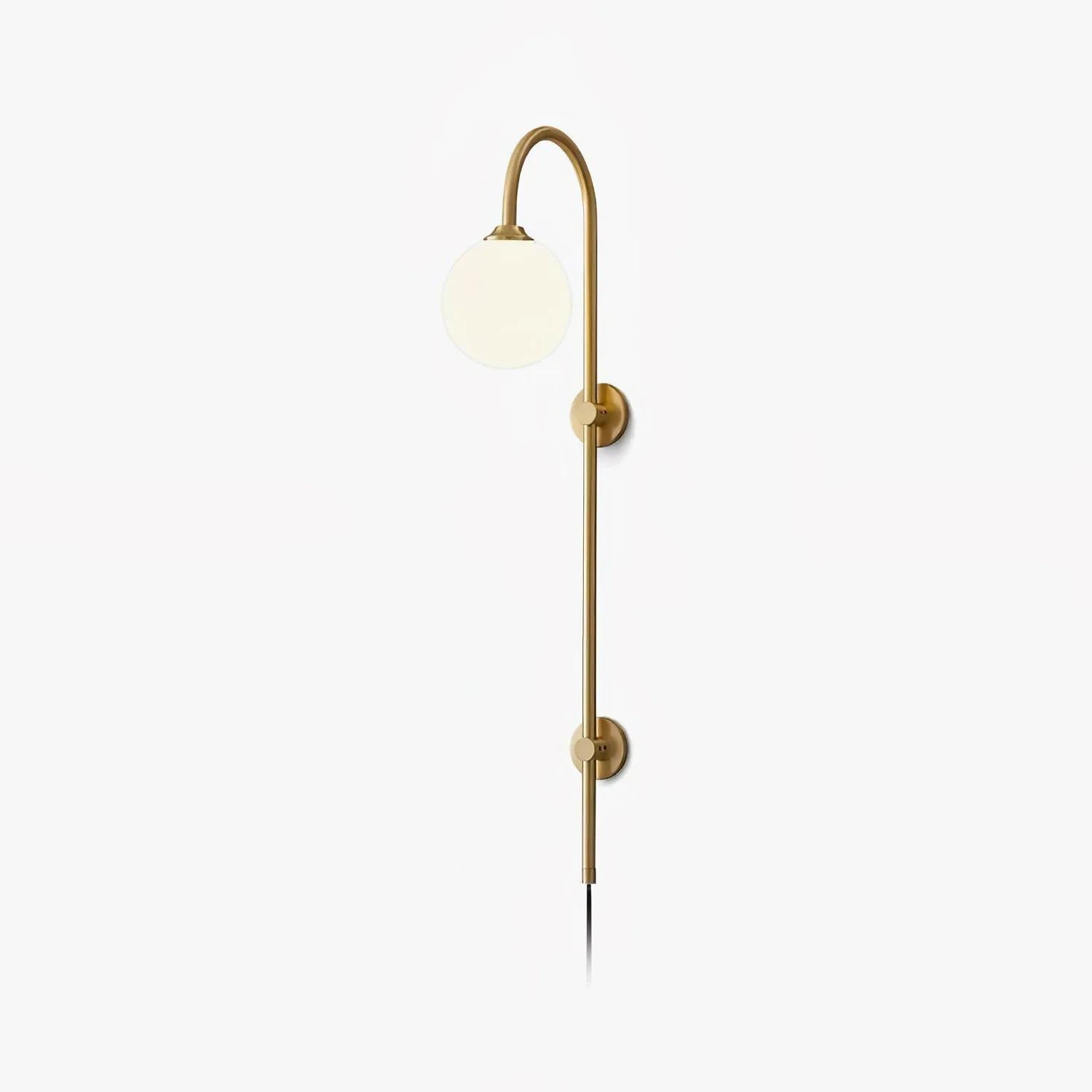
Aurelia Globe Plug-In Wall Sconce
-
Harlow Alabaster LED Pendant: The Harlow Alabaster LED Pendant features two round vintage-brass discs with alabaster lenses on an adjustable stem, and the adjustable rod and 144-inch wire suit almost any ceiling height. If you have a tall hallway or entry, this pendant can be adjusted to hang at the perfect height, creating a dramatic focal point with its natural stone glow.
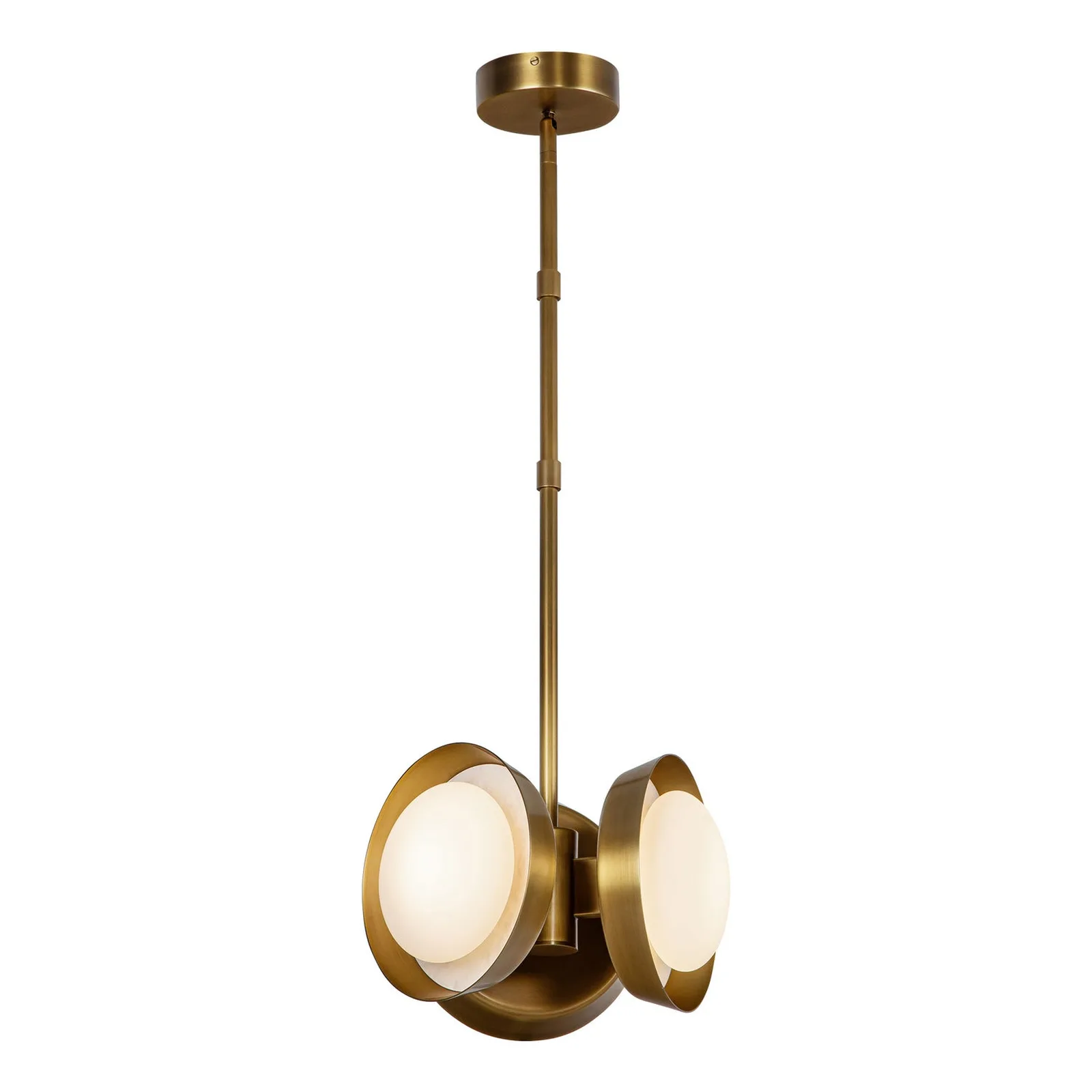
Harlow Alabaster LED Pendant
Which Should You Choose?
Best for
- Narrow hallways with standard ceilings where space is tight
- Renters or anyone avoiding hardwiring—try a plug-in wall sconce
- Creating a calm, ambient glow that flatters the walls
Not for
- High-ceiling hallways or entries where you want a dramatic statement piece—consider a pendant instead
- Hallways where you need focused task lighting on a specific spot, like a reading nook