Warehouses that handle bulk cleaning products face unique safety challenges. From corrosive chemicals to flammable solvents, improper storage can lead to accidents, contamination, and regulatory fines. Whether you run a wholesale distribution center or a storage facility for commercial cleaning supplies, understanding the fundamentals of chemical safety is critical. This guide covers key strategies for storing and handling bulk cleaning products safely, with practical advice you can implement immediately.
In Sweden, warehouses often stock a diverse range of products—from cleaning agents to food and beverages. For example, it’s common for a facility to store both multi-surface cleaners and edible goods like Ramlösa Naturell 24x50cl or Fazer Tutti Frutti Rings 24x120g in the same warehouse. Proper segregation and handling procedures ensure that no cross-contamination occurs, protecting both your inventory and your team.
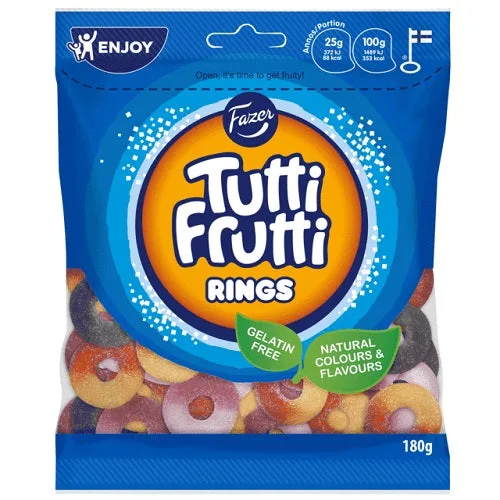
Fazer Tutti Frutti Rings 24x120g
Understanding Chemical Hazards and Safety Data Sheets
Every bulk cleaning product comes with a Safety Data Sheet (SDS) that outlines its hazards, handling requirements, and emergency measures. Before storing any chemical, warehouse managers should review the SDS to understand flammability, corrosiveness, reactivity, and toxicity. For instance, some all-purpose cleaners may be classified as irritants while degreasers can be flammable. Keeping a binder of SDS documents accessible to all staff is a legal requirement in many countries and a cornerstone of workplace safety.
Training your team to interpret SDS symbols and hazard statements reduces the risk of mishandling. In a mixed warehouse environment where products like Toblerone Milk 24x50g are stored nearby, it’s especially important to know which chemicals require separate ventilation or bunding. Regular safety briefings and drills help maintain awareness and preparedness.
- Always store chemicals upright and in original containers with intact labels.
- Ensure SDS sheets are available in both digital and physical formats.
- Provide personal protective equipment (PPE) such as gloves and goggles for staff handling chemicals.
Proper Storage Conditions: Temperature, Ventilation, and Segregation
Controlling the storage environment is crucial for chemical stability. Most bulk cleaning products should be kept in a cool, dry area with temperatures between 10°C and 25°C. Direct sunlight and heat sources can degrade chemicals or increase pressure in containers, leading to leaks or explosions. Good ventilation prevents the buildup of harmful fumes, especially in enclosed warehouse spaces. Installing explosion-proof fans or natural ventilation systems can significantly reduce risks.
Segregation is perhaps the most important rule. Cleaning chemicals must be stored away from food items, beverages, and any consumable goods. For example, a warehouse that stocks both cleaning agents and snack products like Marabou Daim Rulle 28x67g must use separate aisles or bins with physical barriers. This prevents accidental contamination through spills or airborne particles. Use clearly color-coded shelving or floor markings to differentiate chemical zones from food storage areas.
- Store incompatible chemicals (e.g., acids and bases) in separate cabinets or areas.
- Keep at least one hour’s worth of absorbent spill material available in the chemical zone.
Handling and Spill Response Procedures
Even with the best storage practices, spills can happen. Having a clear spill response plan minimizes harm and downtime. Every warehouse should have a spill kit containing absorbent pads, neutralizers, gloves, and disposal bags. Staff should be trained to contain spills immediately, avoid breathing fumes, and report incidents to a supervisor. For large spills, evacuation may be necessary.
In mixed-use warehouses, spills can affect nearby inventory. For example, a leaking cleaning product could damage cases of Ramlösa Naturell 24x50cl if they are stored too close. Regular inspections and proper spill containment measures protect both your equipment and your other stock. Document all spills and near-misses to improve future safety protocols.
- Designate a spill response team and conduct annual drills.
- Ensure all staff know the location of eyewash stations and emergency showers.
- Keep neutralizing agents specific to the chemicals you store (e.g., baking soda for acids).
Labeling and Inventory Management for Bulk Chemicals
Clear labeling is essential for safe handling. Every container—whether original or a secondary container—must display the product name, hazard pictograms, and relevant warnings. For bulk quantities, consider adding a batch number and expiration date to track shelf life. An organized inventory system helps rotate stock and avoid holding onto old chemicals that may become unstable.
Modern warehouse management software can integrate chemical inventory tracking, alerting you when products near their expiry or when a certain chemical type is overstocked. This is particularly useful when your warehouse also holds fast-moving items like Fazer Tutti Frutti Rings 24x120g. By keeping a separate but coordinated inventory for chemicals, you streamline picking and reduce the chance of accidental mixing during reordering or restocking.
- Use a barcode or RFID system to instantly check chemical details.
- Label secondary containers with the same information as the original.
- Conduct quarterly audits to remove expired or damaged chemicals.
Implementing these storage and handling guidelines will dramatically reduce the risk of accidents and ensure compliance with Swedish workplace safety standards. For a reliable hydration option for your warehouse staff, consider stocking Ramlösa Naturell 24x50cl from our store. It’s a perfect complement to your safety-conscious operation, keeping your team refreshed and ready to handle tasks with care.