When it comes to pulling a hot casserole from the oven or grabbing a sizzling sheet pan, the right oven mitt can mean the difference between a safe grab and a burnt palm. Two popular options dominate the kitchen: classic washed linen oven mitts and modern silicone oven mitts. Each material brings different strengths to the table, and the best choice depends on your cooking habits and priorities.
In this comparison, we’ll look at how washed linen oven mitts stack up against silicone in terms of heat protection, comfort, grip, and long-term durability. Whether you’re a home baker who reaches for a hot Dutch oven daily or an occasional cook who wants one reliable mitt, understanding these differences will help you make a confident purchase.
Heat Protection and Temperature Ratings
The primary job of any oven mitt is to shield your hands from heat. Silicone oven mitts are typically rated for continuous dry heat up to around 450–500°F (230–260°C), and they can handle brief spikes higher. Their thick, solid silicone layer creates a barrier that doesn’t absorb moisture, so they stay effective even if they get a little wet. This makes silicone a strong performer for high-heat tasks like broiling or grabbing cast iron handles.
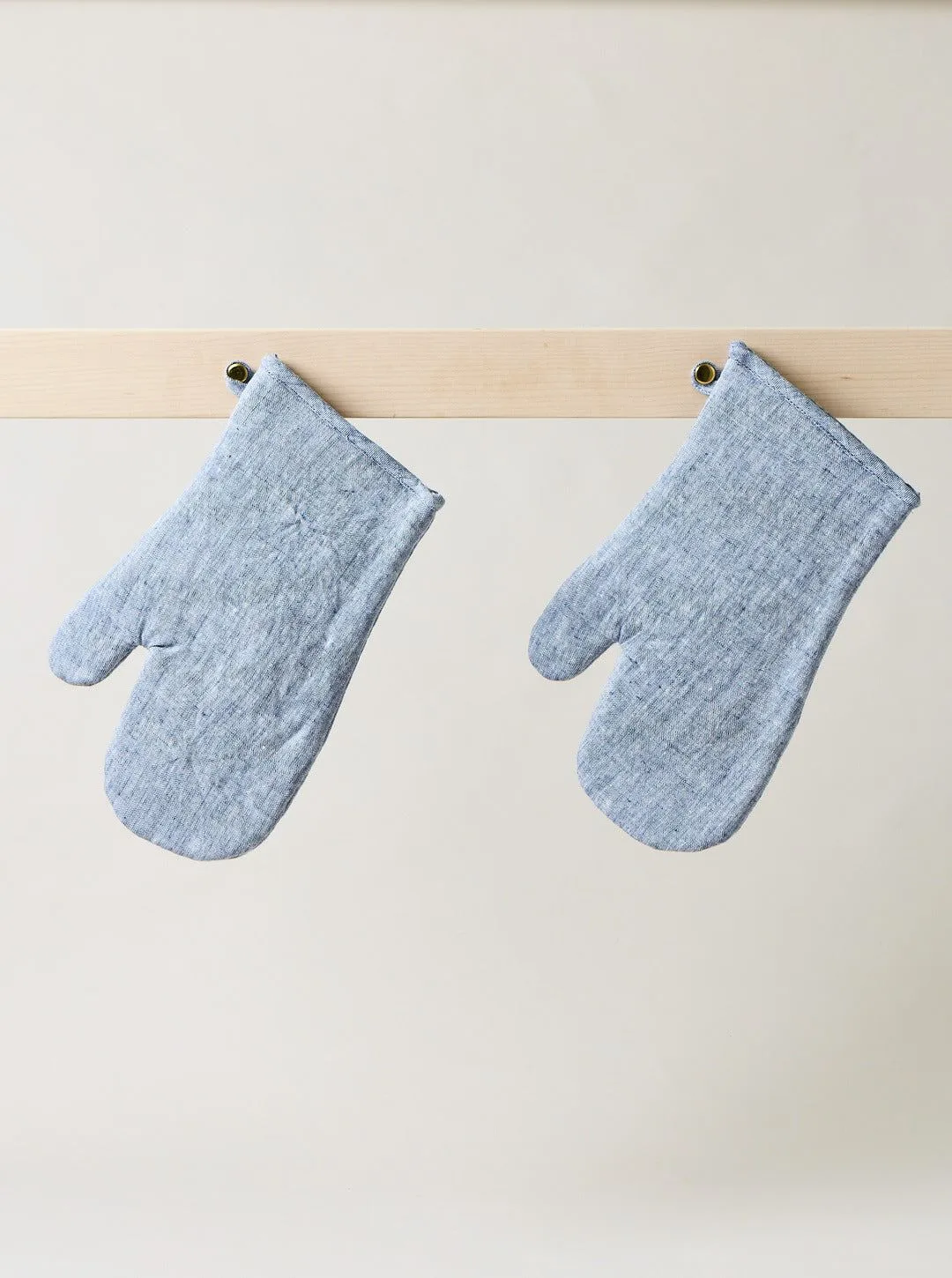
Washed linen oven mitts, like the Washed Linen Oven Mitt, rely on multiple layers of natural fabric for insulation. Linen is a poor conductor of heat, and when layered it can provide excellent protection up to similar temperatures, though performance depends on the thickness and construction. Linen breathes, so it won’t trap steam the way some synthetics do, but it can absorb grease or liquid over time, which may slightly reduce heat resistance. Neither material is truly fireproof, so always keep mitts away from open flames.
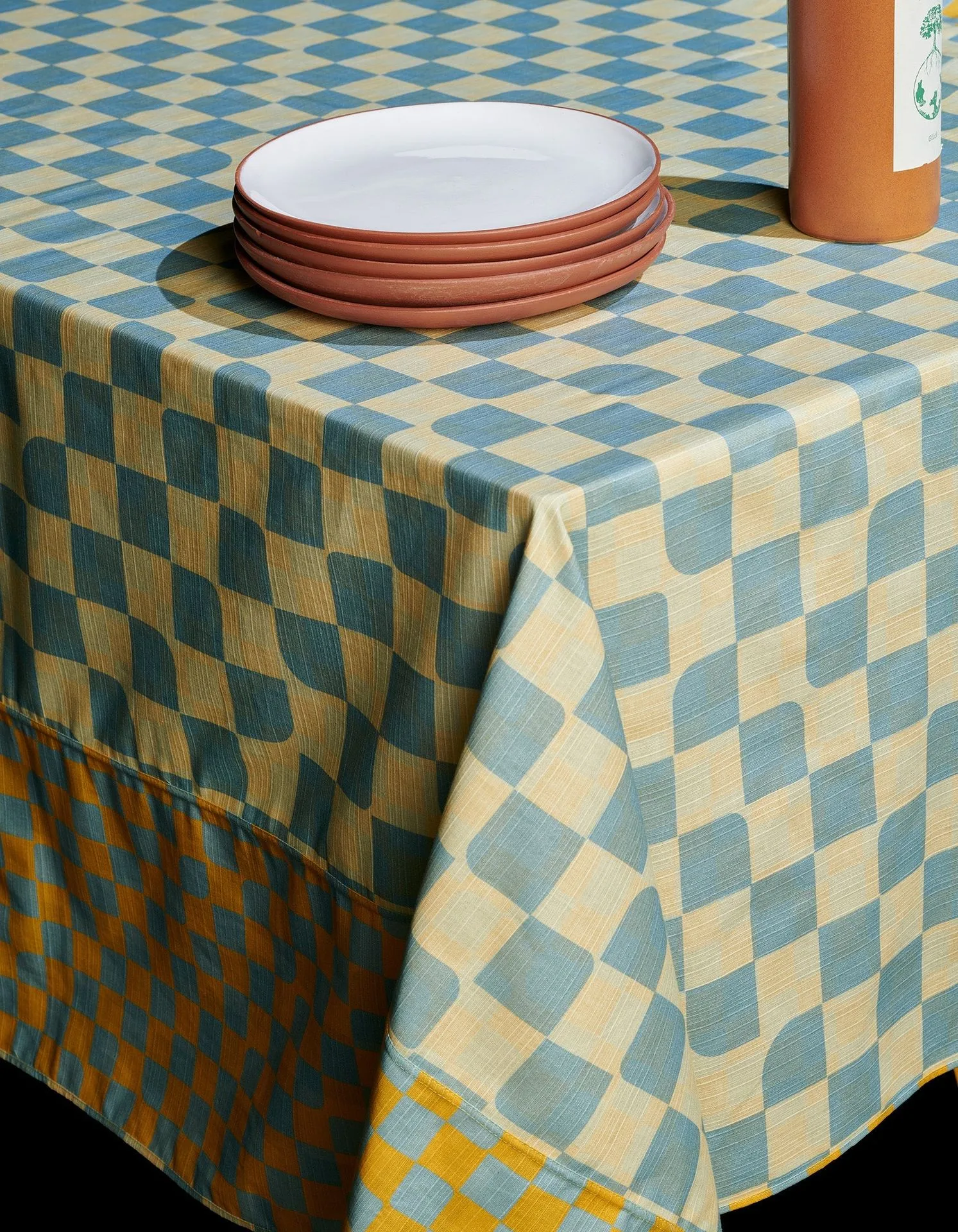
Washed Linen Oven Mitt
- For tasks above 500°F, silicone often offers a higher safety margin.
- Linen mitts with a quilted or padded interior can rival silicone in insulation comfort.
Comfort and Dexterity
Comfort matters when you’re handling multiple hot dishes in a row. Silicone mitts tend to be stiffer, especially in the fingers, which can make it harder to grip small handles or pick up a hot lid. Some users find them bulky and less flexible, leading to fatigue during extended use. However, silicone mitts are often designed with textured finger grooves or extend cuffs that add wrist protection.
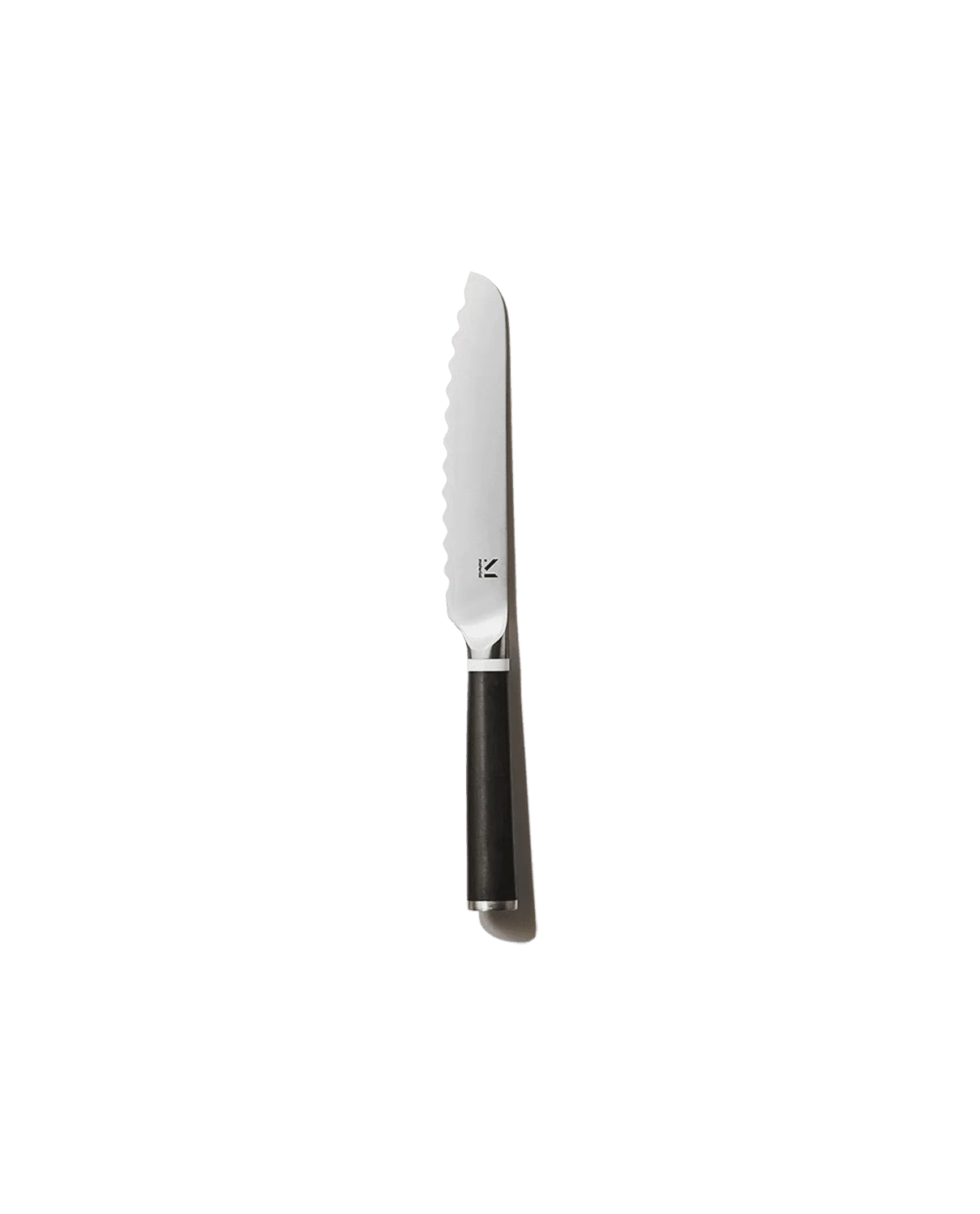
Washed linen mitts, by contrast, are much more flexible and form-fitting. The natural fabric softens with use and conforms to your hand, allowing you to grip tongs, pot handles, or even a hot handle on a knife like The Tomato Knife Set with more precision. The Washed Linen Oven Mitt, for example, offers a comfortable, relaxed fit that doesn’t restrict movement. The trade-off is that linen may not provide the same instant heat barrier as thick silicone—you’ll feel the heat sooner if you hold a very hot pan for a long time.
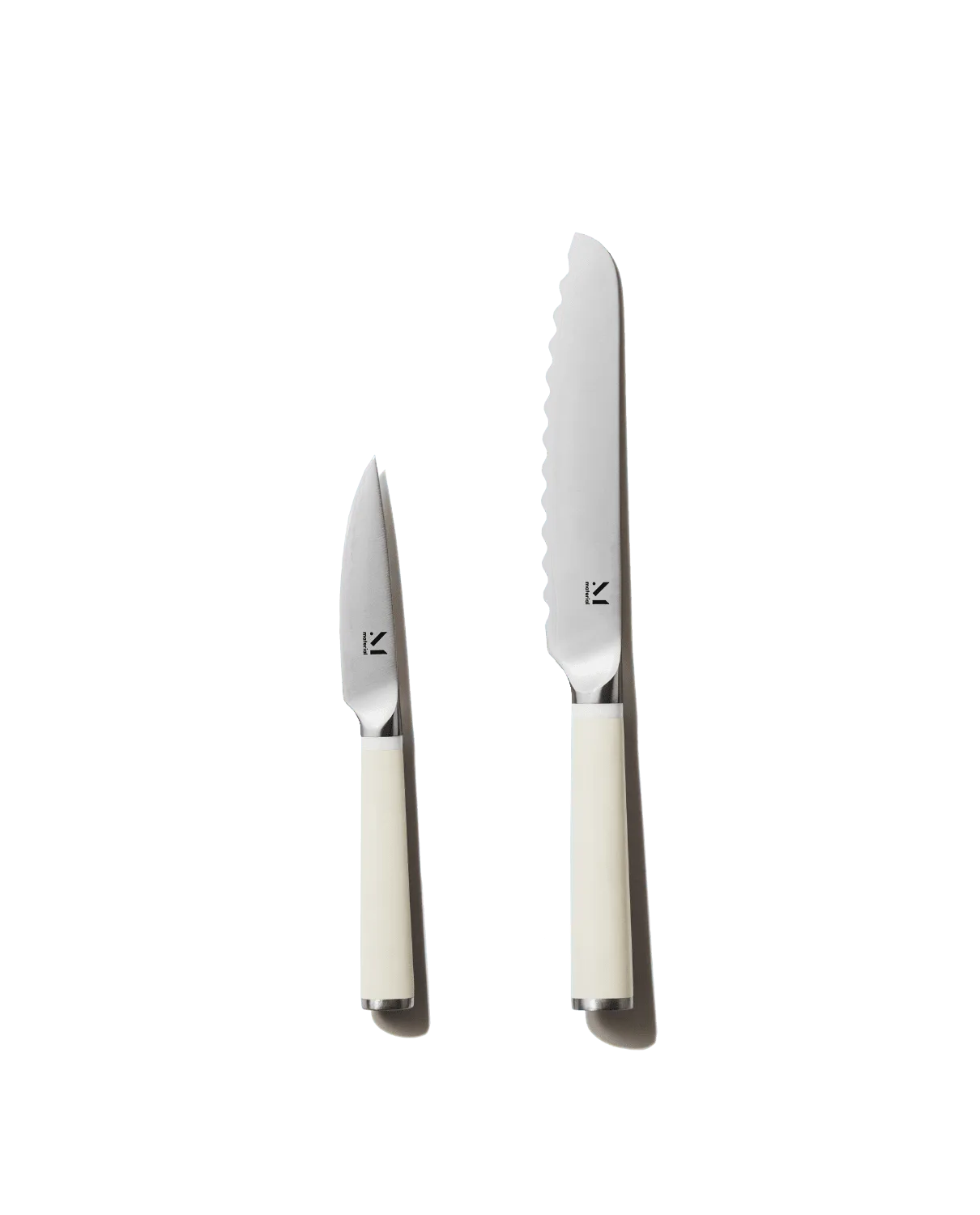
The Tomato Knife Set
- If you frequently switch between hot and cold tasks, linen’s breathability helps keep your hands dry.
Grip and Handling
Silicone oven mitts excel at grip thanks to their rubbery texture. They won’t slip on smooth glass baking dishes or glossy casserole lids, and they provide a secure hold even when your hands are slightly damp. This makes them ideal for tasks where control is critical, like pouring hot liquid from a saucepan or rotating a roasting pan.
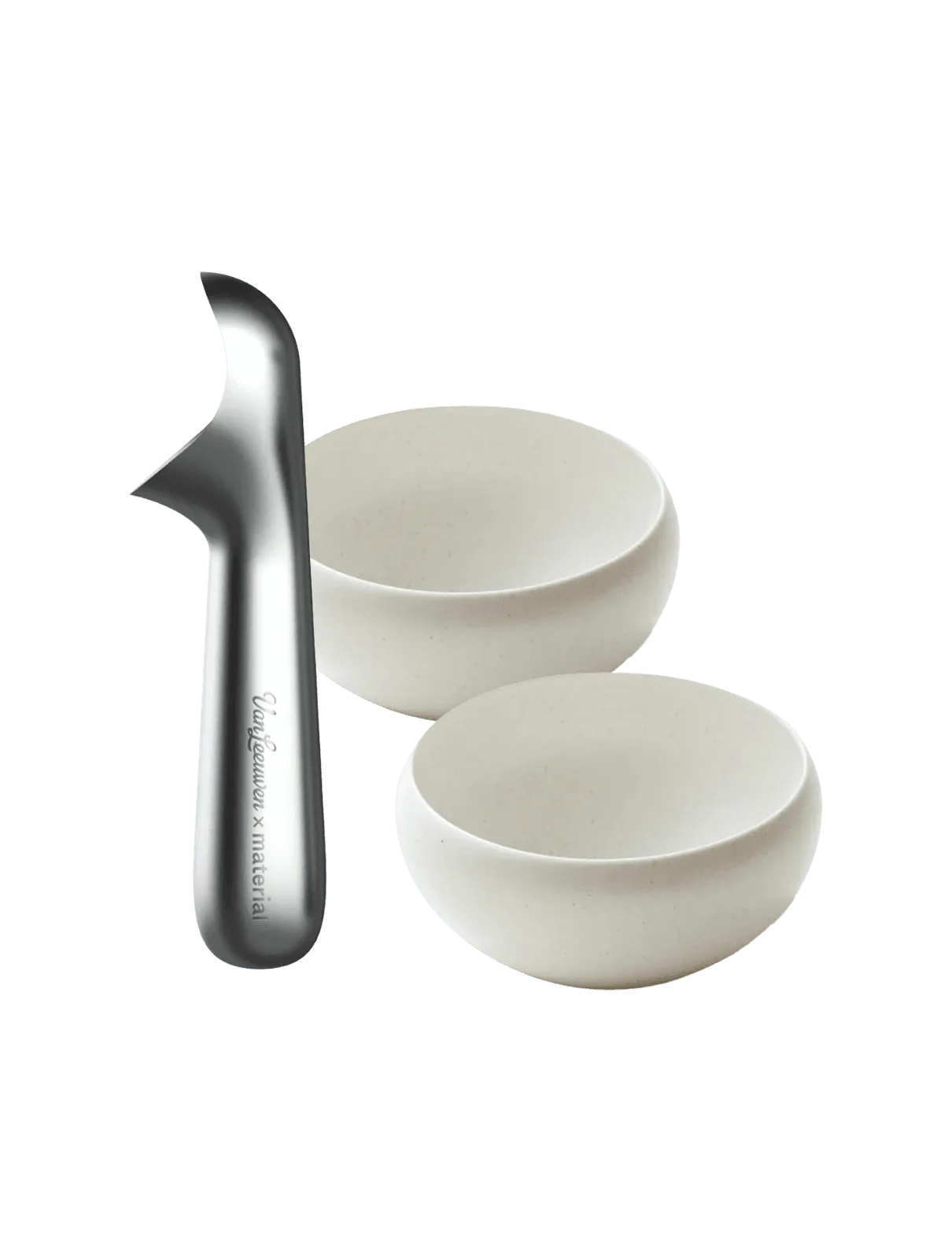
Linen mitts rely on the fabric’s natural friction and any added silicone dots or quilted patterns for grip. Pure linen can be less grippy on wet or greasy surfaces, so you may need to be more careful. Many cooks pair a linen mitt with a dry towel for extra purchase. For everyday tasks like placing a Dinner Plate Single in the oven or carrying a Serve Platter, linen’s moderate grip is more than sufficient.
- For wet or oily hands, silicone provides superior slip resistance.
Durability and Care
Silicone mitts are nearly indestructible in normal use—they won’t burn, fray, or stain, and they can be washed in the dishwasher or simply wiped clean. The main drawback is that silicone can degrade over time if exposed to high heat repeatedly, developing a tacky surface or small cracks. They also don’t breathe, so they can trap moisture if stored wet.
Linen oven mitts require more care but can last for years if maintained properly. The Washed Linen Oven Mitt is machine-washable, which helps remove built-up grease and food particles. Linen fibers actually strengthen when wet, so washing actually protects the fabric. However, stains are more visible, and repeated high-heat exposure can cause the fabric to thin. For everyday use, linen offers a good balance of longevity and eco-friendliness.
- Wash linen mitts in cold water and air dry to preserve the fibers.
- Silicone mitts should be stored dry and flat to avoid creases.
Which One Should You Choose?
The best oven mitt for heat protection depends on your cooking style. If you often work with extremely hot cast iron, broiling, or sugar work, a silicone mitt gives you a higher immediate heat threshold and a secure, non-slip grip. For everyday roasting, baking, and handling hot dinnerware, a washed linen oven mitt offers superior comfort, dexterity, and a more natural feel. Many cooks find having both types useful: a silicone mitt for heavy-duty tasks and a linen mitt for quick, frequent grabs.
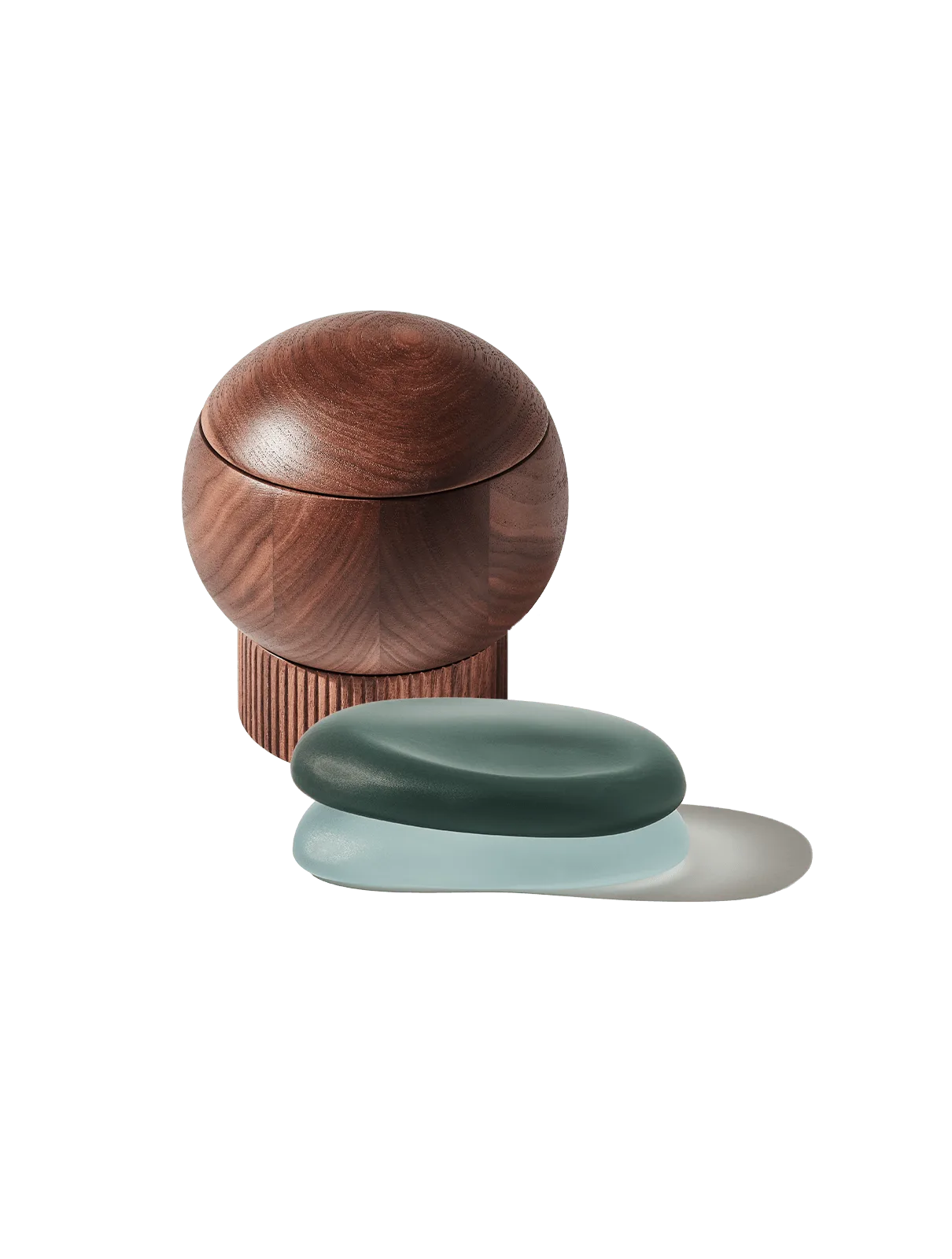
Consider your kitchen setup as well. If you use tools like The MK Free Set for precise cutting, a flexible linen mitt lets you handle hot pans and then reach for a knife without swapping gloves. And for those building a complete tabletop, items like The Host Set or Dinner Plate Single pair nicely with a neutral linen mitt that won’t clash with your place settings.
- For safety and versatility, keep one linen and one silicone mitt in your kitchen.
Both washed linen and silicone oven mitts have their place in a well-equipped kitchen. Linen wins on comfort, breathability, and a natural look, while silicone leads on heat resistance and grip. For the best heat protection, choose based on the tasks you do most often—and don’t be afraid to own one of each.