Quick answer
Match the washer to the sealing surface first, then to the fluid and temperature. Use copper or aluminum crush washers on banjo bolts and flat flange ports, and use the O-ring or olive included with AN and PTFE hose ends instead of adding a flat washer. If you cannot confirm the port size, thread type, and sealing style, buy a kit or measure before ordering.
A washer is the cheapest part in your fuel system and one of the most common causes of a leak. The right one compresses, seals, and stays put. The wrong one bottoms out, cracks, or never seals because the surfaces it is squeezed between were never meant to mate.
This guide gives you decision rules for fuel system washers, AN fitting washers, and fuel line washers. It covers sizes, materials, and the fit checks that keep you from guessing at the counter.
Start with the sealing style, not the washer
Fuel systems use several sealing methods, and only some of them take a washer. A banjo bolt uses two crush washers, one on each side of the banjo eye. A flat flange port with a center bolt may use a single sealing washer. An AN flare fitting seals metal-to-metal on the flare and should not use a flat washer at all. A PTFE hose end seals with an olive insert and a swaged connection.
If you add a flat washer to a flare or an O-ring joint, you change the stack height and the sealing geometry. That is how leaks start. Identify the sealing style first, then decide whether a washer belongs there.
- Banjo fitting: two crush washers, one per side.
- Flat flange port: one sealing washer unless the manufacturer states otherwise.
- AN flare: no flat washer; the flare does the sealing.
- PTFE hose end: use the supplied olive insert, not a washer.
Match washer size to the port, not the wrench
Washer sizes are given by inside diameter, outside diameter, and thickness. The inside diameter must clear the bolt or banjo fitting shank and still cover the sealing surface. If the inside diameter is too large, the washer will not cover the port edge. If it is too small, it will not slide over the fastener. Outside diameter matters too: too wide and it can interfere with a nearby boss or hose end; too narrow and it may not reach the sealing face.
Thickness affects crush. A thin washer crushes easily and seals on a slightly uneven surface, but it has less material to fill a gap. A thick washer resists deformation and can handle higher torque, but it may not conform to a rough casting. When in doubt, match the original washer dimensions rather than upsizing.
- Measure inside diameter, outside diameter, and thickness with calipers.
- Compare against the port or banjo fitting, not the hose size.
- Keep spare washers in the two or three sizes your car actually uses.
Choose washer material for the fluid and the heat
Copper crush washers are the common choice for fuel and oil banjo fittings. They deform to fill small surface imperfections and handle heat well, but they work-harden and should be replaced after a few torque cycles. Aluminum crush washers are softer, seal at lower torque, and are less likely to damage a soft aluminum port, but they are easier to over-crush and less tolerant of high heat cycles.
Fiber, rubber-coated, and bonded sealing washers appear on some fuel system components, but they are less common in high-pressure AN plumbing. If your component came with a specific washer type, use that type. Do not substitute a copper washer for a rubber-bonded washer on a plastic or composite housing, because the torque needed to crush copper can crack the housing.
- Copper: good heat tolerance, replace after removal.
- Aluminum: gentle on soft ports, lower torque, easier to over-crush.
- Bonded or rubber-coated: use only where the component specifies it.
- Never reuse a crush washer that has already been torqued.
Fit checks before you torque
Dry-fit the washer on the fastener and against the port. It should sit flat with no rocking. The fastener should thread in by hand at least a few turns before it seats. If the washer prevents the fastener from seating, it is too thick or the wrong inside diameter. If the washer spins freely but does not cover the sealing surface, it is too large.
Torque in small steps and watch the washer. A crush washer should deform slightly and stop. If it keeps compressing, you are past the sealing point and may be stretching the fastener. If it splits or extrudes outward, it was the wrong material or size.
- Hand-thread the fastener before final torque.
- Look for even contact around the full washer face.
- Stop if the washer splits, extrudes, or never feels like it seats.
Washer kits versus single washers
If you are building or refreshing a fuel system, a kit with several sizes saves repeat shipping and guessing. A kit also gives you spares for the next time you remove a banjo bolt. If you are replacing one washer on a known port, buy the exact size and material. Buying a kit for a single known port is convenient but leaves you with sizes you may never use.
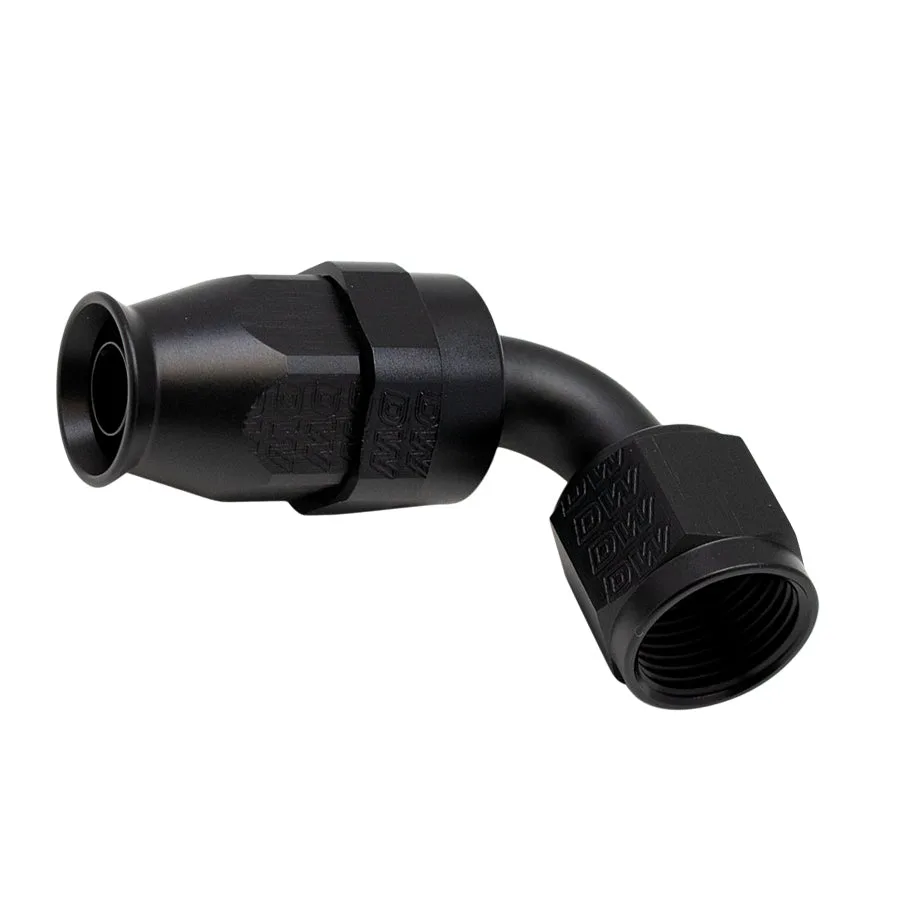
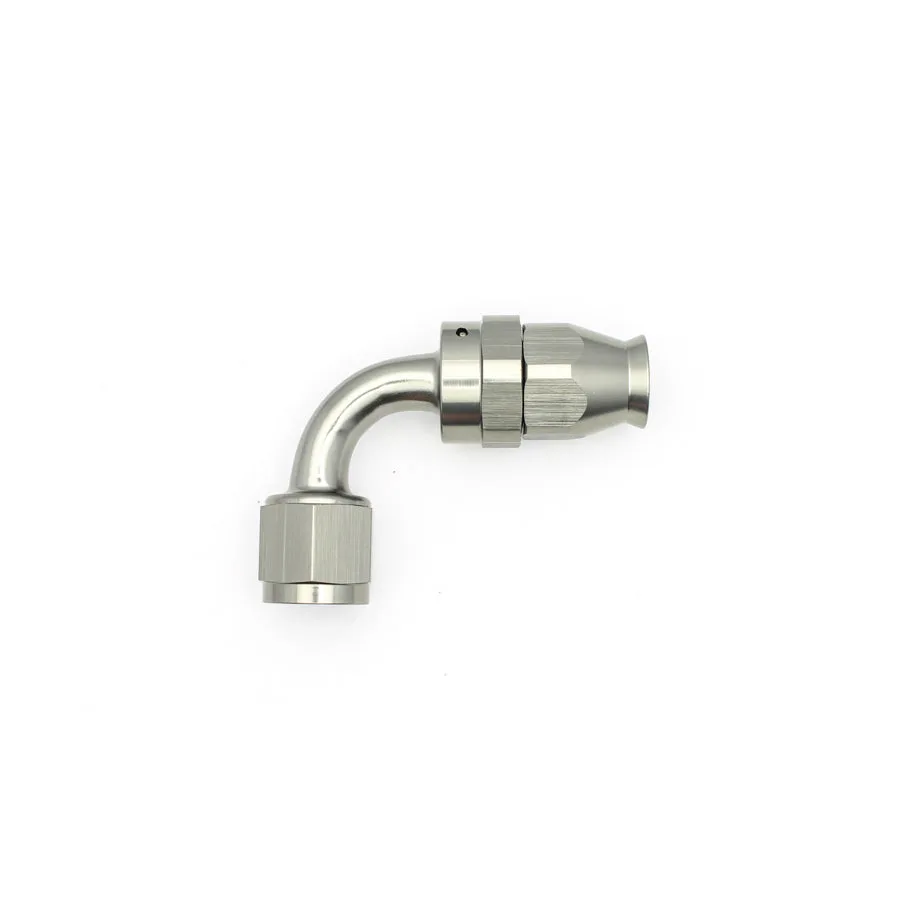
For AN and PTFE hose assemblies, the sealing parts are usually included with the hose end. The https://deatschwerksevz.com/products/6-02-0856-b-89e5bcd179426509dcad65d9-267811490-Deg. 8AN Swivel PTFE Hose End includes one olive insert, which is the sealing component for that hose end. Do not add a flat washer to that joint. For threaded adapters, the seal is made by the flare or the NPT thread sealant, not by a washer.
- One known port: buy the exact washer.
- Full build or multiple ports: buy a kit with common sizes.
- AN and PTFE hose ends: use the included olive or O-ring, not a flat washer.
Decision rules for buying fuel system washers
- Banjo bolt or flat flange port: Use a crush washer in copper or aluminum. Match inside diameter to the bolt shank and outside diameter to the sealing surface. Replace after every removal. Buy two washers per banjo fitting so you have a spare.
- AN flare or inverted flare: Do not use a flat washer. The flare surfaces seal the joint. Confirm the flare angle and thread size, then torque to the fitting manufacturer's spec. If it leaks, inspect the flare for damage before adding a washer.
- PTFE hose end: Use the included olive insert. The 90-Deg. 8AN Swivel PTFE Hose End includes one olive insert, and that is the sealing component. Order a spare olive if you plan to reassemble the hose end.
- NPT threaded port: Seal the threads with a fuel-compatible thread sealant. Do not rely on a washer to stop an NPT leak. Leave washers out of NPT joints.
- Soft aluminum or composite housing: Use an aluminum or bonded sealing washer and torque in small increments. Copper can require more torque than the housing can take. When the housing is soft, the washer material matters as much as the size.
Product facts that affect washer and fitting choices
- 90-Deg. 8AN Swivel PTFE Hose End: 8AN female swivel hose end, 90-degree configuration, for PTFE hose, includes 1 olive insert, anodized matte black finish. This hose end seals with the included olive insert, so a flat washer is not used and would interfere with the seal. If you are plumbing a PTFE line, plan for the olive, not a washer.
- 6AN Male Flare to 1/2"-20 Male Inverted Flare: Connects a 6AN male flare end to a 1/2"-20 male inverted flare end, listed under Hose & Hose End Fittings. This adapter joins two flare-style connections. Flare joints seal on the flare surfaces, so no washer is required. Adding one would change the thread engagement and could cause a leak.
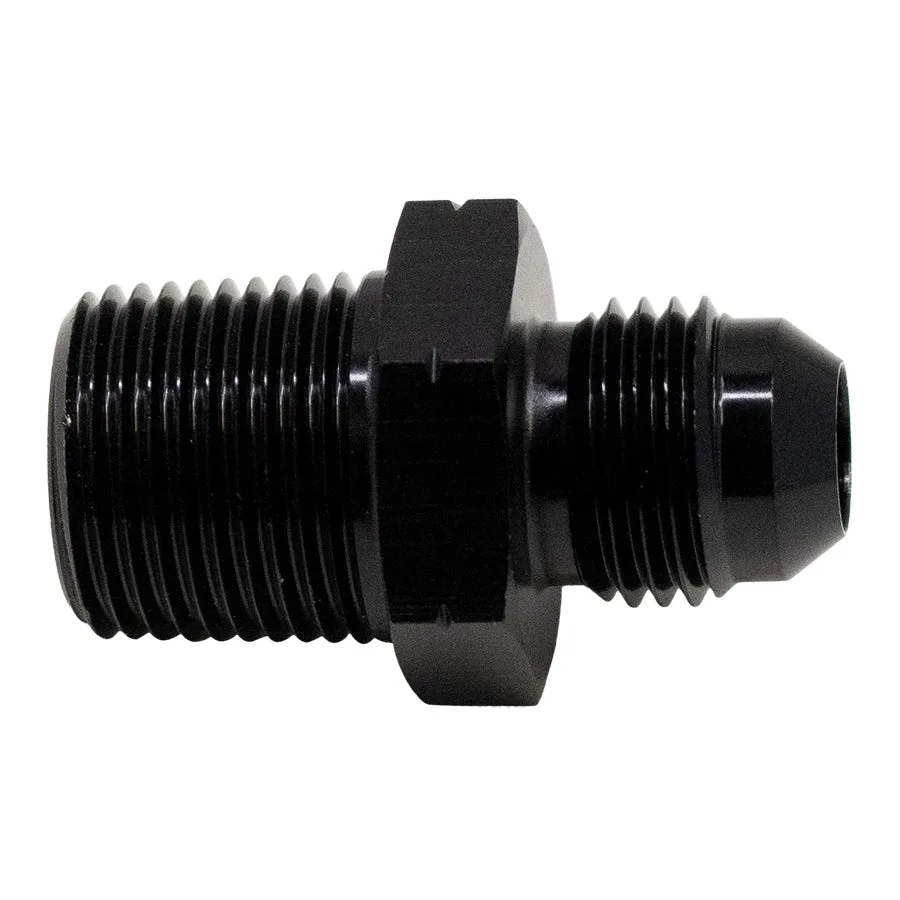
- https://deatschwerksevz.com/products/6-02-0902-2e98c426f591819a5a936cff-26780976AN to 3/8 in NPT Adapter: Connects a 6AN male flare to a 3/8 inch male NPT port, anodized matte black finish. The 6AN side seals on the flare. The 3/8 inch NPT side seals on the threads with a thread sealant, not a washer. Use the correct sealant for fuel and leave washers out of this joint.
- 550cc - Skyline RB20DET: Matched set of 6 550cc injectors for Nissan Skyline RB20DET 89-94. Injectors seal with O-rings or insulators at the rail and intake, not with flat washers. If you are replacing injectors, check the O-ring kit rather than adding a washer to the rail.
Who should choose which washer approach
Best for
- DIY fuel system builders who need a repeatable rule for banjo, flare, and NPT joints.
- Owners replacing a leaking banjo washer on a known port and wanting the exact size.
- Anyone refreshing a fuel system who wants a small kit of common crush washers on hand.
Not for
- Anyone trying to fix a leaking AN flare by adding a flat washer; fix the flare instead.
- High-pressure PTFE hose assemblies that should use the included olive insert, not a washer.
- NPT ports, which seal on the threads with sealant rather than a washer.
Pick the washer by sealing style first, then by size and material. Keep a few copper and aluminum crush washers in the sizes your car uses, use the olive or O-ring where the fitting calls for it, and leave flat washers out of flare and NPT joints. That approach prevents most fuel leaks before they start.