Quick answer
For all-day temperature control and durability, choose insulated stainless steel. For taste purity and easy cleaning at a desk, choose glass. For the lightest bottle at the lowest cost, choose plastic, but check for a BPA-free claim and replace it when scratched or cloudy.
Most water bottle advice skips the part that actually matters: the material decides how the bottle feels in your bag, how long your drink stays cold, and how often you need to replace it. Stainless steel, glass and plastic each solve a different problem, and none of them wins every category.
This comparison walks through the real trade-offs between the three materials, then covers lid types and BPA-free labeling so you can match a reusable bottle to your routine instead of guessing in the store aisle.
Stainless steel: insulation and durability
Stainless steel is the default choice for anyone who wants a drink to stay cold through a commute, a workout or a long afternoon. Double-wall vacuum insulation is what does the work, and it also stops condensation from forming on the outside, which keeps the inside of your bag dry. The trade-off is weight: a filled stainless steel bottle is noticeably heavier than glass or plastic, and you cannot see how much is left without opening it.
Steel also handles knocks well. It dents rather than shatters, so it survives being dropped on concrete in a way glass simply will not. If you carry a bottle in a backpack or lunch bag every day, that durability is usually worth the extra grams.
- Look for double-wall vacuum insulation if temperature retention matters; single-wall steel sweats and transfers heat.
- Avoid putting carbonated drinks in a sealed insulated bottle unless the manufacturer says it is safe.
Glass: taste purity and easy cleaning
Glass water bottle pros cons usually come down to one clear benefit and one clear risk. The benefit is taste: glass is non-porous, so it does not hold onto flavors from yesterday's iced tea or leave any metallic note behind. It is also easy to see through, so you always know how much you have left and whether the inside is actually clean.
The risk is breakage. Glass is heavier than plastic and can crack if it is knocked against a desk edge or dropped on tile. If you want glass, choose a bottle with a protective silicone sleeve and treat it as a desk or table bottle rather than something you toss loose into a bag.
- A silicone sleeve reduces impact damage and gives you a better grip.
- Hand-wash if the bottle has a narrow neck; a bottle brush reaches further than rinsing alone.
Plastic: light, affordable and worth checking
Plastic is the lightest and usually the cheapest option, which makes it the practical pick for kids, short trips and anyone counting grams in a daypack. The stainless steel vs plastic water bottle decision often comes down to this: steel keeps temperature, plastic keeps weight down. Plastic does neither insulation nor taste purity especially well, and it can absorb odors over time.
If you choose plastic, look for a BPA-free water bottle label and treat the bottle as a consumable. Scratched, cloudy or lingering-smell plastic is a sign to replace it rather than scrub harder. Reusable does not mean permanent.
- Check the base or packaging for a BPA-free claim before buying.
- Replace plastic bottles once the interior becomes scratched or retains smells.
Lid types change how you actually use the bottle
Water bottle lid types matter as much as the material. A screw cap is the simplest and least likely to leak, but you have to unscrew it one-handed. A flip-top or straw lid is faster for desk and car use, though the hinge and straw are the parts most likely to collect residue. A wide-mouth opening is easier to fill and clean but harder to drink from without a spout insert.
Match the lid to the setting. A leakproof screw cap suits a backpack. A straw lid suits a desk. A wide mouth suits anyone who adds ice or uses a bottle brush. If a bottle is sold with one lid style, check whether the brand offers compatible alternates before you commit.
- Test the lid seal with water before trusting it in a bag with electronics.
- Clean straw and flip lids more often than the bottle body; they trap moisture.
How to run your own reusable bottle comparison
Before buying, weigh three things against each other: how long you need a drink to stay cold, how much weight you are willing to carry, and how you will clean it. If cold retention is the priority, steel wins. If taste and visibility matter most, glass wins. If weight and price matter most, plastic wins.
Then check the details that decide long-term satisfaction: does the lid seal, does the opening fit ice, and can you reach the bottom with a brush. A bottle that fails any of those will end up in a cupboard regardless of how good the material is.
- Fill it at home and carry it for a day before deciding it is the right size.
- Buy one bottle that fits your most common routine rather than three that fit none.
Material trade-offs at a glance
- Stainless steel: Best temperature retention and impact resistance, but heavier than the alternatives and opaque, so you cannot see the fill level. Choose it if cold drinks and durability matter more than weight.
- Glass: Best taste neutrality and easiest to inspect for cleanliness, but heavier and breakable without a protective sleeve. Choose it for desk or table use, not for a bag tossed in a car.
- Plastic: Lightest and most affordable, with the weakest insulation and a tendency to absorb odors and scratches over time. Choose it for kids or short trips, and replace it once it clouds or smells.
- Lid type: Screw caps leak least; straw and flip lids are fastest but trap residue; wide mouths clean easiest but drink awkwardly. Match the lid to your setting before you buy the bottle.
Product facts worth knowing
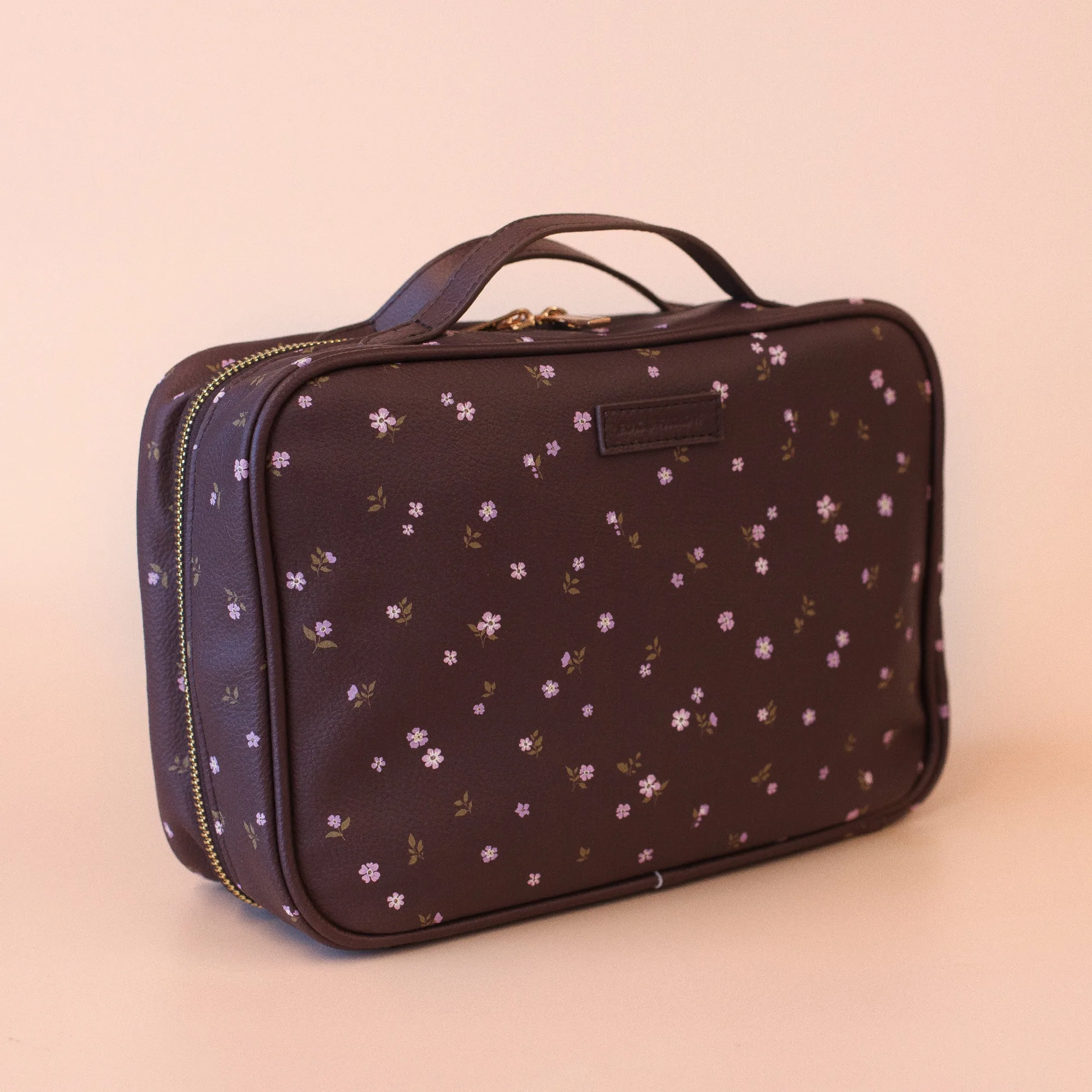
- Wisteria Cosmetic Bag: The bag includes a removable clear bag that pops out of the main bag, sized for makeup and skincare essentials so you can see them through the clear plastic sides. If you carry a water bottle alongside toiletries, a bag with a removable clear section keeps spills and condensation away from the rest of your kit and makes the contents visible at a glance.
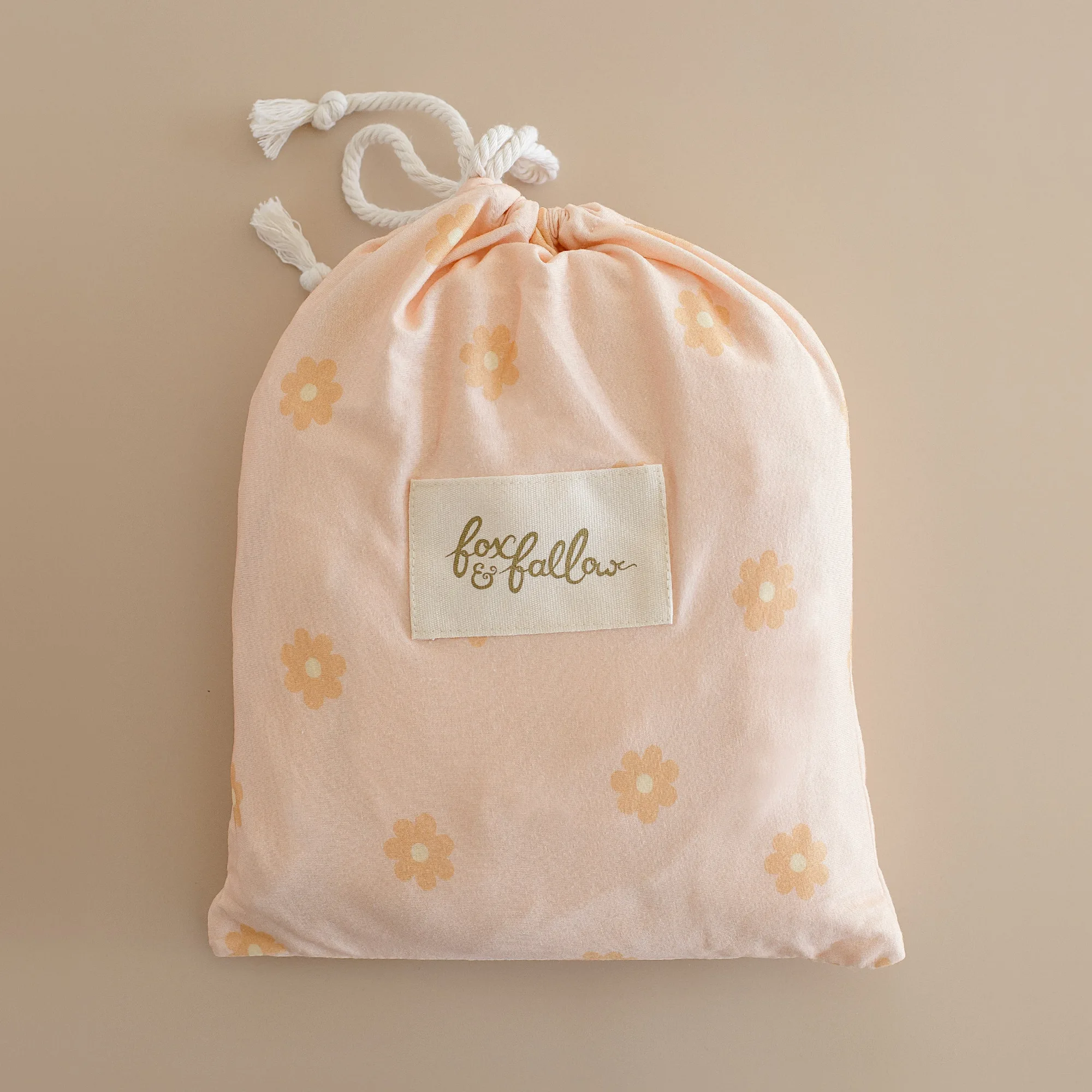
- Daisy Chain Organic Fitted Cot Sheet: Made from a super soft and stretchy organic cotton jersey blend that is GOTS and Oeko-Tex Standard 100 certified, and machine washable. It shows how a certification claim is stated plainly on a product page. Apply the same standard to bottles: look for a specific, named claim rather than a vague safety phrase.
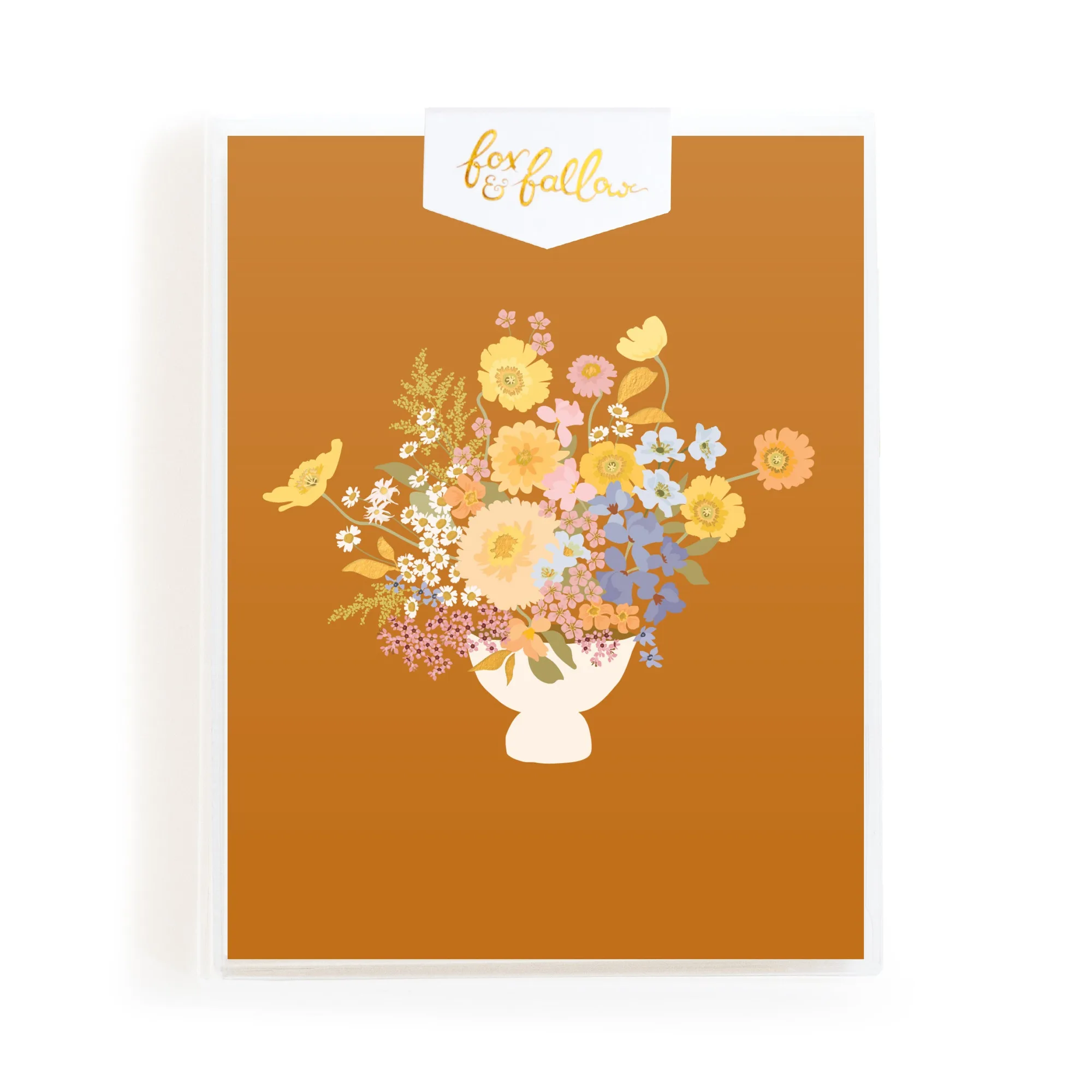
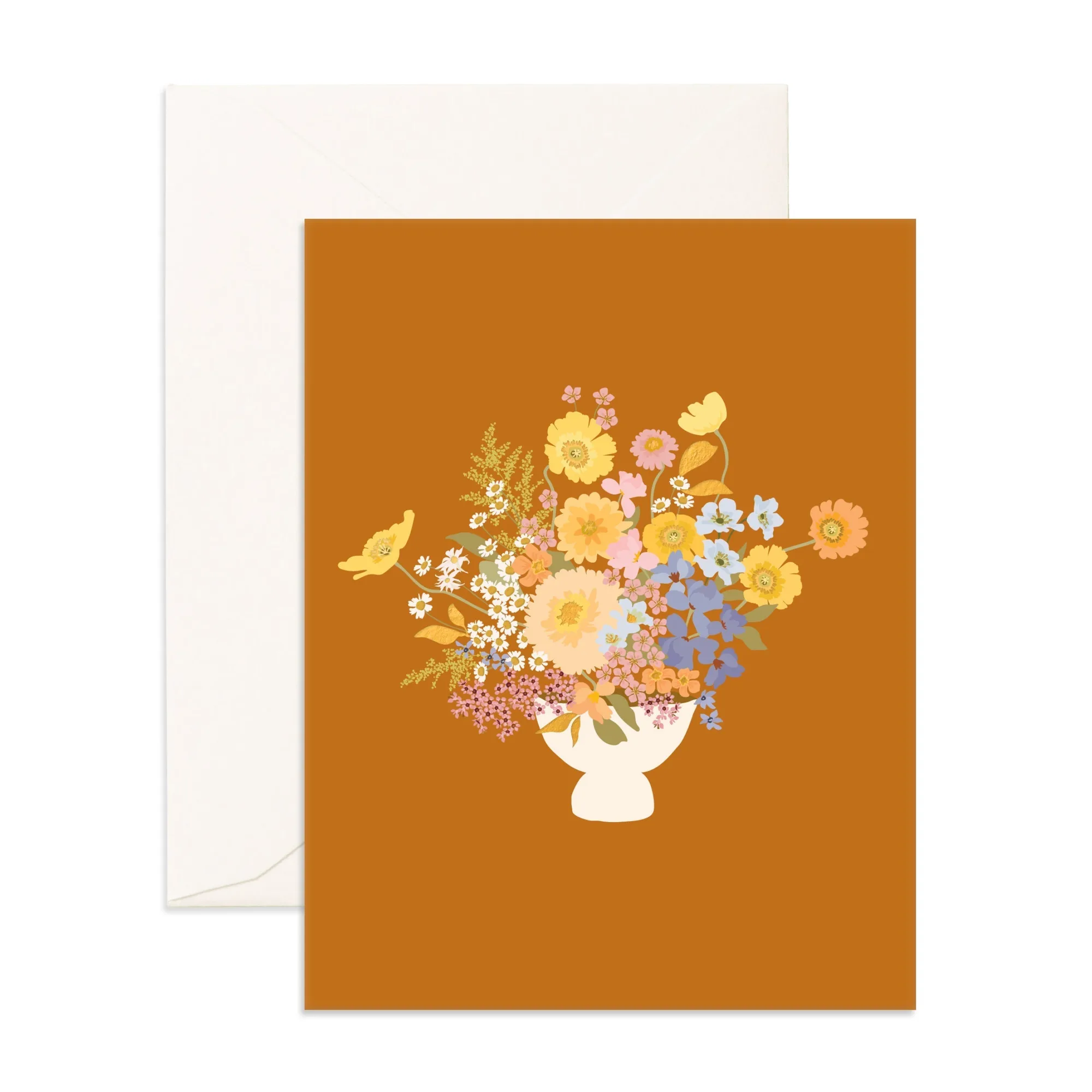
- https://foxandfallows.com/products/spring-bouquet-rust-greeting-card-boxed-set-ad9e9dac3e987d868796f19c-2620401Spring Bouquet Rust Greeting Card Boxed Set: The set contains 8 greeting cards and 8 matching envelopes, printed on FSC-certified warm white uncoated card stock and made in Australia. A reminder that material and certification details are usually listed when they are meaningful. If a bottle listing does not name its material or BPA-free status, treat that as missing information, not a guarantee.
Which bottle fits your routine
Best for
- Commuters and gym-goers who need a drink to stay cold for hours
- Desk workers who want a glass bottle with no lingering taste
- Parents buying a light, low-cost bottle for a child's lunch bag
Not for
- Anyone who wants a single bottle to do everything, since each material trades one benefit for another
- People who need a bottle to survive being dropped on hard surfaces, unless they choose steel
- Buyers who want a guaranteed BPA-free claim without checking the label
Pick the material that matches your heaviest-use scenario, then confirm the lid seals and the opening is cleanable. Steel for temperature, glass for taste, plastic for weight, and a BPA-free label whenever you choose plastic.