Quick Answer
Water-powered weeders use a high-pressure stream of water to remove weeds from cracks and crevices without chemicals. They are effective for small weeds in tight spaces but may not be suitable for large areas or deep-rooted weeds. Based on our evaluation, they are a handy tool for maintenance but not a complete replacement for traditional weeding methods.
Water-powered weeders have gained popularity as an eco-friendly alternative to chemical herbicides. But how do they work, and are they truly effective? In this article, we'll explore the mechanics, benefits, and limitations of these tools, and help you decide if they deserve a spot in your garden shed.
We've also compared them with traditional weeding tools and provided practical insights from our product catalog to guide your purchase.
How Does a Water-Powered Weeder Work?
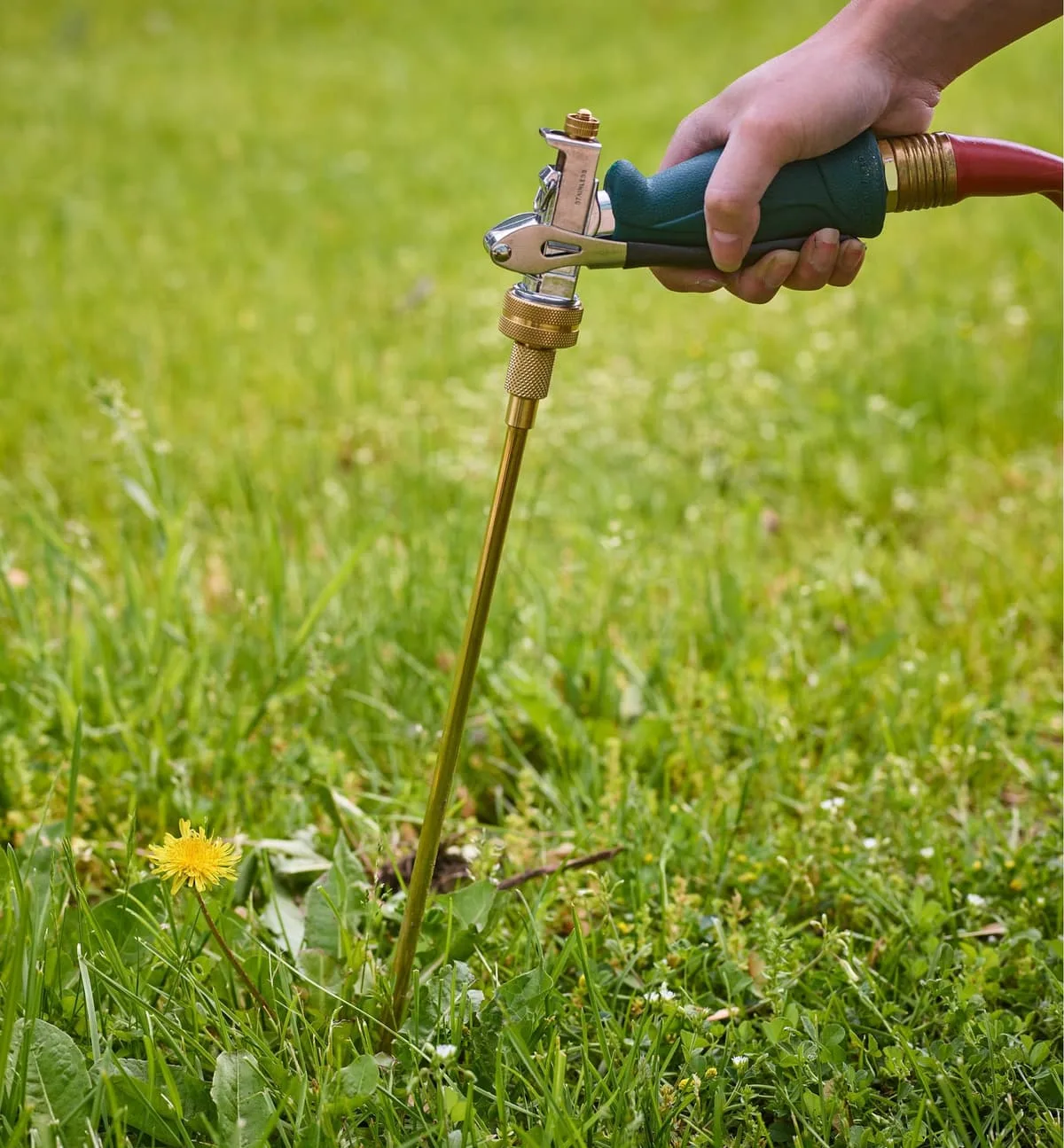
Water-Powered Weeder
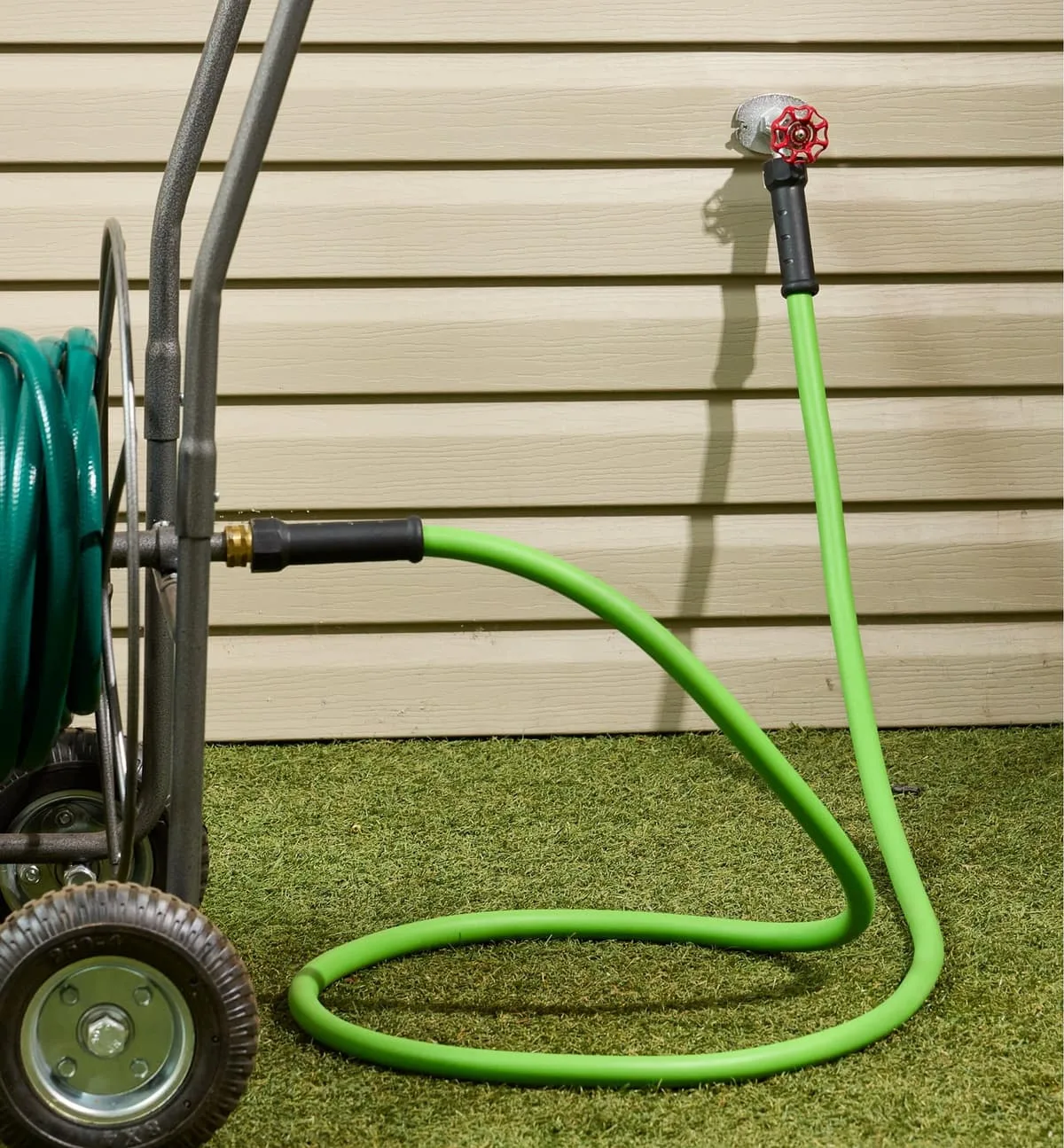
A water-powered weeder connects to a standard garden hose and uses a concentrated jet of water to dislodge weeds from soil. The high-pressure stream targets the base of the weed, loosening the soil and uprooting the plant. This method is particularly effective for weeds growing in cracks in driveways, patios, and sidewalks.
The key advantage is that it eliminates the need for chemicals, making it safe for pets and children. However, it's important to note that the effectiveness depends on water pressure and the type of weed. Young weeds with shallow roots are easily removed, while established perennials may require multiple treatments.
- Ideal for weeds in hard-to-reach areas like between pavers and along fences.
- Requires a garden hose with adequate water pressure.
- No chemicals, making it environmentally friendly.
Water-Powered vs. Traditional Weeding Tools
Traditional weeding tools like hand trowels and hoes are effective for removing weeds with deep roots, but they can be labor-intensive and may disturb surrounding soil. Water-powered weeders offer a quicker, less physical alternative for surface weeds, but they may not be as effective on deeply rooted weeds.
For instance, a tool like the Cire ProtecTool can be used for general maintenance tasks, but it's not designed for weed removal. On the other hand, the Flex Shaft for Rikon 16" Scroll Saw is for woodworking, not gardening. Therefore, a water-powered weeder fills a specific niche in your garden toolkit.
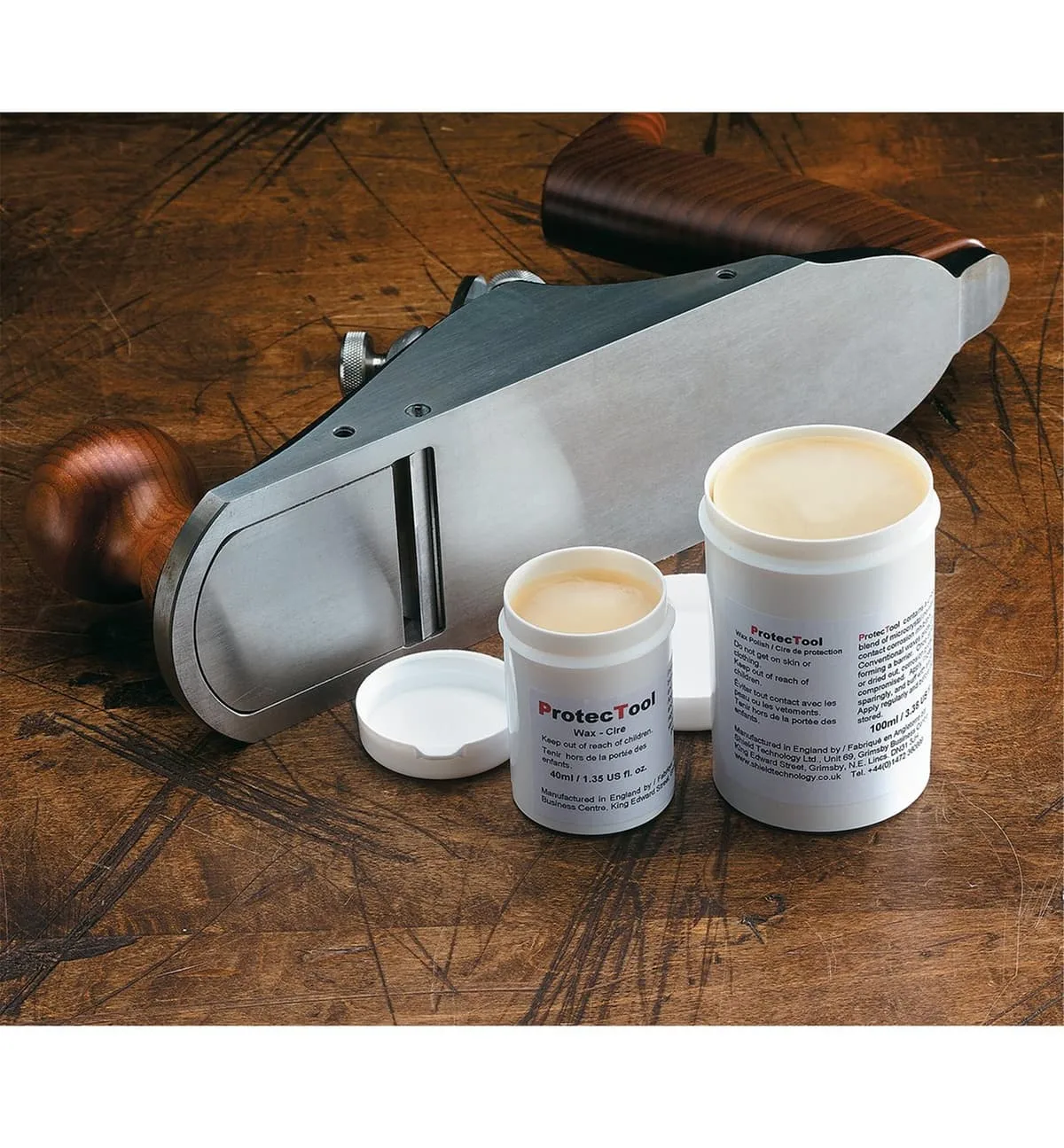
Cire ProtecTool
- Water-powered weeders are best for quick clean-ups, not deep weeding.
- Traditional tools give more control and are better for precision work.
Pros and Cons of Water-Powered Weeders
Pros: They are chemical-free, easy to use, and effective on small weeds in cracks. They also save time compared to manual weeding and reduce physical strain.
Cons: They require a good water supply, may not work on all weed types, and can be messy if not used carefully. Additionally, they are not suitable for large garden beds where you need to avoid over-watering.
What to Look for in a Water-Powered Weeder
When choosing a water-powered weeder, consider the length of the wand, the type of nozzle, and the connection to your hose. A longer wand helps reach awkward spots, while an adjustable nozzle allows you to control the water pressure.
Also, check for durability and warranty. Since these tools are often used outdoors, they should be made of sturdy materials that can withstand frequent use.
Verdicts on Common Claims
- Claim: Water-powered weeders are 100% effective on all weeds.: False. They work best on small, shallow-rooted weeds. Deep-rooted weeds may need multiple applications or manual removal. Manage expectations; use for maintenance, not heavy weeding.
- Claim: They are completely chemical-free and safe for the environment.: True. They use only water, so there's no chemical runoff. However, they consume water, which may be a concern in drought-prone areas. Eco-friendly but mindful of water usage.
- Claim: They save time compared to manual weeding.: Mostly true for small weeds in tight spaces. For larger areas, traditional methods might be faster. Best for targeted spot weeding.
Related Products from Lee Valley Tools
- Cire ProtecTool: A versatile addition to your workshop, designed to help you maintain and protect your equipment with ease. While not a weeder, this tool is useful for general maintenance tasks around the home or shop, complementing your gardening toolkit.
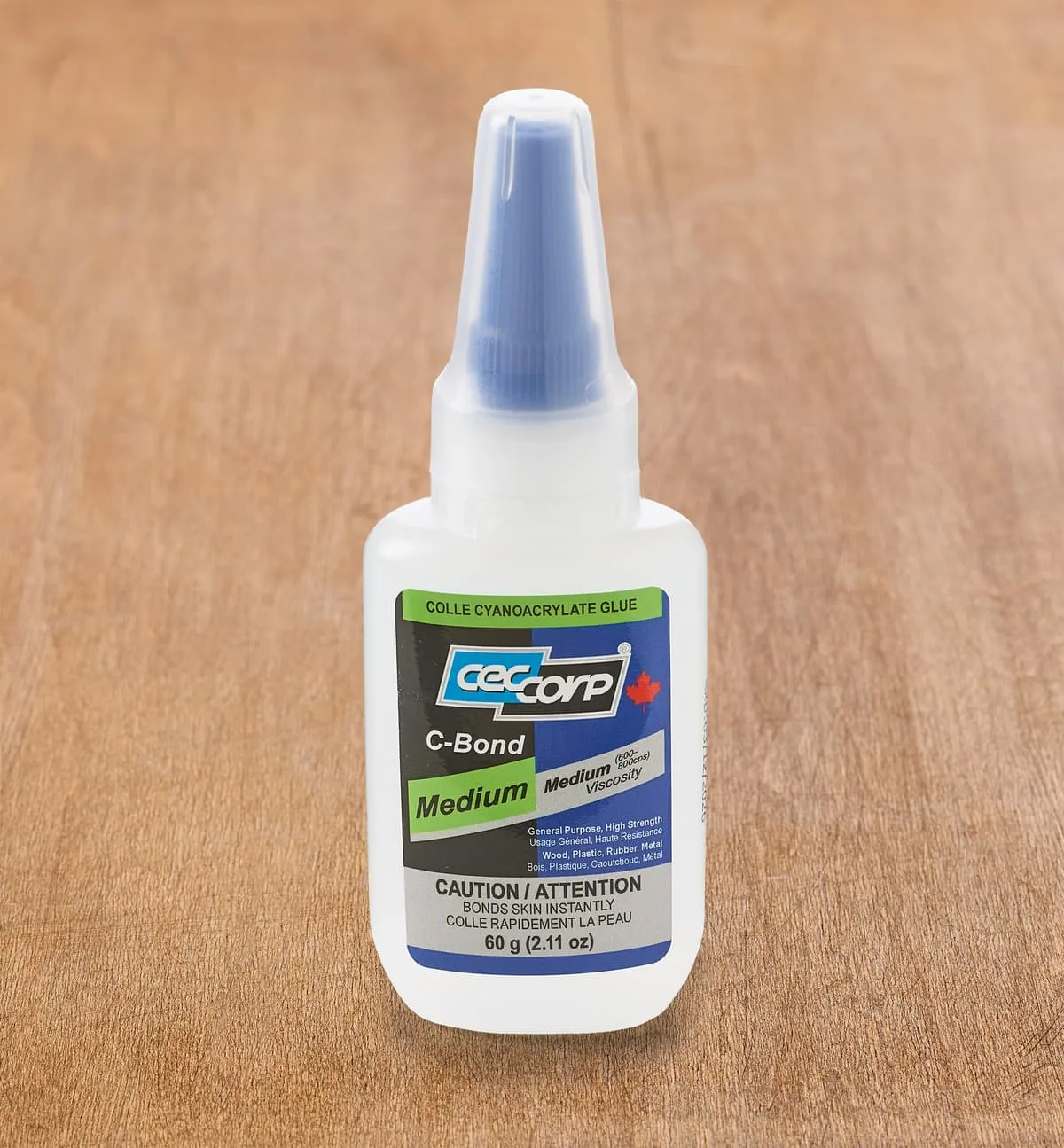
- Colle cyanoacrylate C-Bond moyennement fluide: A medium-viscosity cyanoacrylate adhesive for strong, quick bonding on suitable surfaces. Useful for repairing garden tools or furniture, making it a practical addition to your workshop.
Water-powered weeders are a convenient, eco-friendly tool for tackling weeds in cracks and small areas. While they won't replace your trusty trowel for deep-rooted weeds, they are a worthwhile addition to your garden arsenal. For more gardening and workshop solutions, explore our range of products like the Cire ProtecTool to keep your tools and space in top shape.