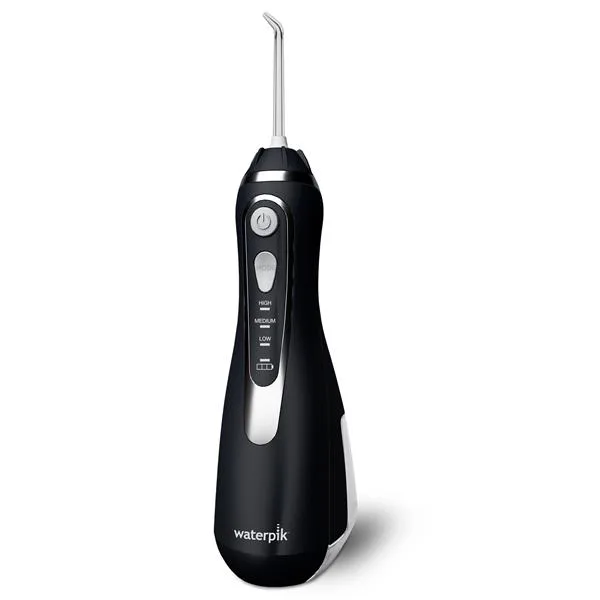
When it comes to oral hygiene, brushing alone isn't enough to remove plaque and food particles from between your teeth and along the gumline. For decades, traditional string floss has been the go-to method, but in recent years, water flossers like Waterpik have gained popularity as a modern alternative. If you're wondering whether to stick with string floss or switch to a water flosser, this comparison will help you make an informed decision.
We'll explore the effectiveness, ease of use, and overall benefits of each method, and highlight some of the best Waterpik models available to suit different needs and lifestyles.
How Traditional Flossing Works
Traditional flossing involves using a thin piece of string to manually scrape plaque and debris from the sides of your teeth and under the gumline. It's a technique that requires practice to master, and when done correctly, it can be highly effective at removing plaque and preventing gum disease.
However, string floss has its drawbacks. It can be difficult to reach the back teeth, and many people find it uncomfortable or messy. If you have braces, bridges, or dental implants, traditional floss can be especially challenging to use effectively.
- Requires dexterity and technique to use properly
- May cause bleeding or discomfort if not done gently
- Ineffective for cleaning around braces, implants, or wide gaps
What Is a Water Flosser and How Does It Work?
A water flosser, such as the ION Professional Cordless Water Flosser – Black (WF-12CD022-4), uses a pulsating stream of water to remove plaque and food particles from between teeth and below the gumline. The water pressure can be adjusted to suit your comfort level, and many models come with multiple tips for different oral care needs.
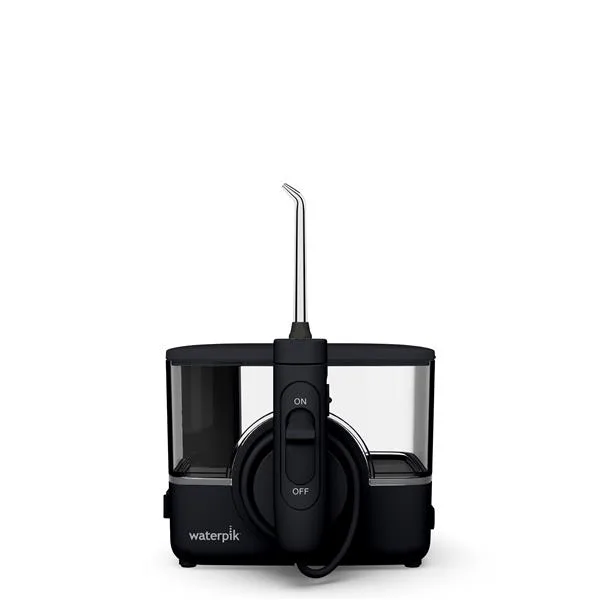
ION Professional Cordless Water Flosser – Black (WF-12CD022-4)
Water flossers are particularly beneficial for people with braces, implants, or periodontal pockets, as the water can reach areas that string floss simply cannot. They are also easier to use for those with limited dexterity, such as seniors or individuals with arthritis.
- Gentle on gums and ideal for sensitive mouths
- Easy to use, especially for those with braces or implants
- Provides a deep clean that stimulates gum health
Effectiveness: Waterpik vs. String Floss
Clinical studies have shown that water flossers are as effective as traditional floss at reducing plaque and gingivitis. In fact, many dental professionals recommend water flossers for patients with gum disease or those who struggle with string floss. The pulsating action of a water flosser can flush out bacteria and debris from deep pockets, which is something string floss often misses.
If you're looking for a model that delivers powerful yet gentle cleaning, consider the Modern Gray Aquarius Water Flosser – Gray (WP-667). It features 10 pressure settings and a large reservoir, making it a great choice for a thorough daily clean.
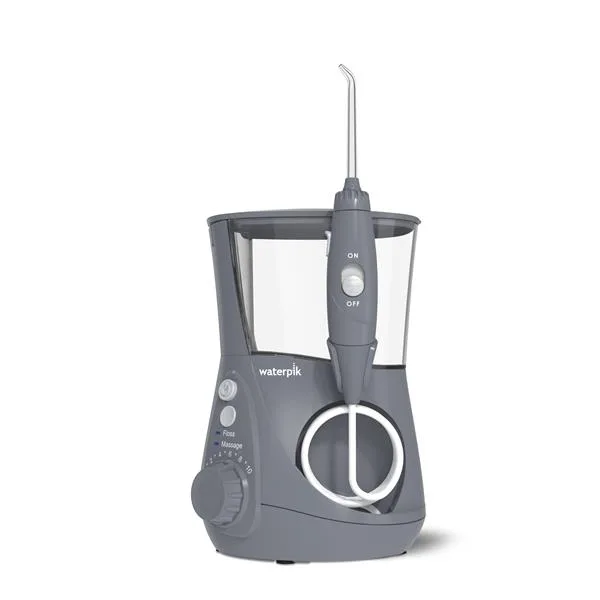
Modern Gray Aquarius Water Flosser – Gray (WP-667)
- Water flossers reduce plaque and gingivitis effectively
- Ideal for cleaning around orthodontic appliances
- String floss may be less effective for deep gum pockets
Ease of Use and Convenience
Traditional flossing requires time, patience, and a mirror to get it right. In contrast, water flossers are straightforward: simply aim the tip between your teeth and let the water do the work. Most people find water flossing quicker and more pleasant, which means they're more likely to stick to their daily routine.
If you're often on the go, a cordless model like the Black Cordless Advanced 2.0 Water Flosser – Black (WP-582) offers portability and convenience without sacrificing performance. It's rechargeable and comes with a travel case, making it easy to maintain your oral care routine anywhere.
- Water flossers are easier for beginners and those with braces
- Cordless models are perfect for travel and small bathrooms
- String floss requires more manual dexterity and time
Which Should You Choose?
The choice between a Waterpik and traditional floss ultimately depends on your personal needs and preferences. If you have healthy gums, good dexterity, and no dental work, string floss can be an affordable and effective option. However, if you struggle with flossing, have braces, implants, or gum disease, a water flosser is likely the better choice.
Many people find that combining both methods—using a water flosser for daily cleaning and string floss for occasional deep cleaning—provides the best results. Whichever you choose, consistency is key to maintaining optimal oral health.
- Consider your dental needs, dexterity, and lifestyle
- Water flossers are excellent for braces, implants, and sensitive gums
- Combining both methods can offer comprehensive cleaning
Both Waterpik water flossers and traditional string floss can effectively clean between your teeth, but water flossers offer superior convenience and are often more comfortable to use. If you're ready to upgrade your oral care routine, explore the range of Waterpik models available to find the perfect fit for your needs.