When you're heading into the great outdoors, the last thing you want is a soaked, unusable first aid kit. Whether you're kayaking, hiking in the rain, or just want peace of mind at home, a waterproof first aid kit is a smart investment. But with so many options on the market, how do you choose the right one? This guide breaks down the essential features to look for and highlights some of the best waterproof kits from My Medic.
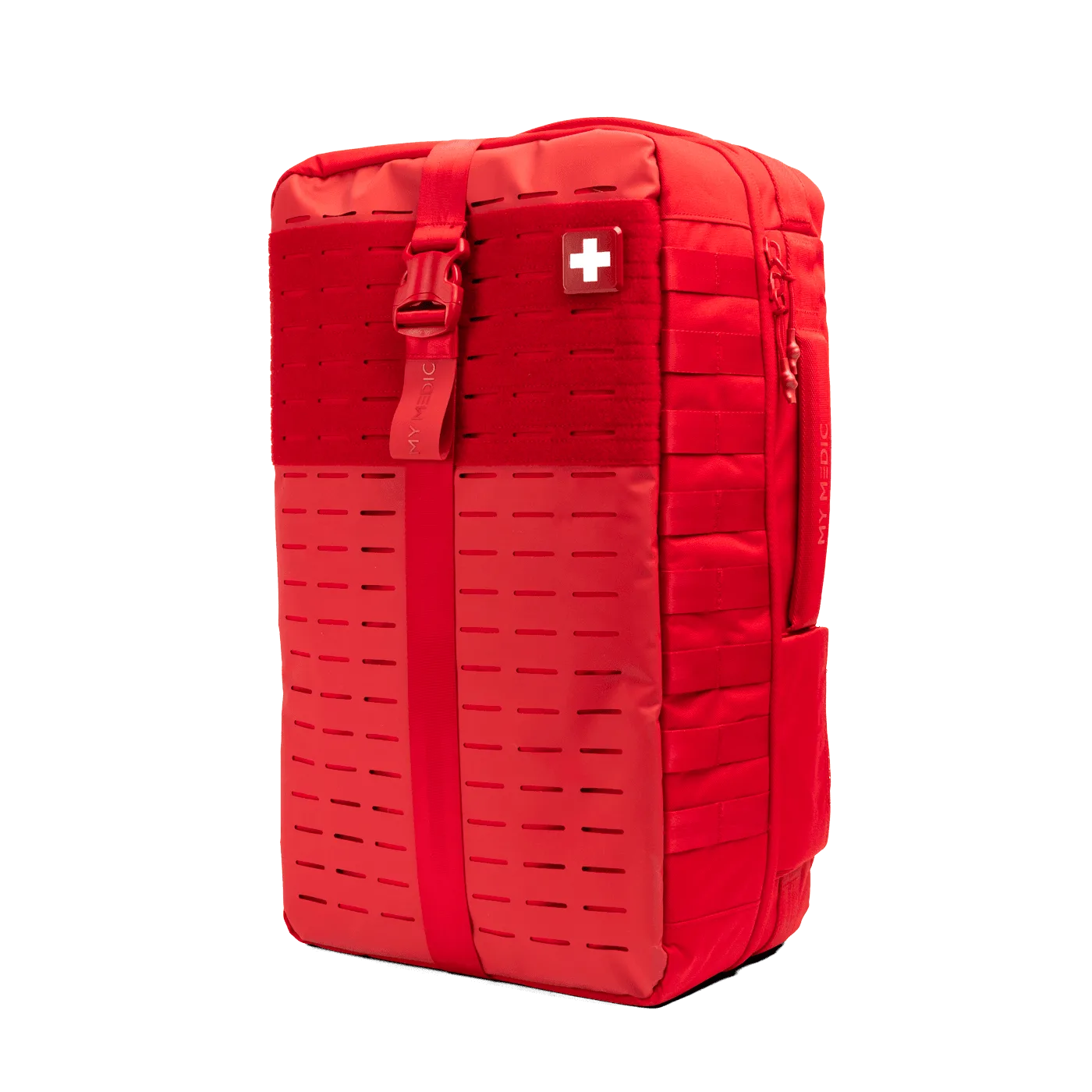
Medic
Water damage can ruin bandages, compromise medications, and make tools rust, rendering your kit useless in an emergency. That's why understanding what makes a kit truly waterproof is crucial. From IPX ratings to material quality, we'll cover everything you need to know to make an informed decision.
Why Waterproofing Matters in a First Aid Kit
A standard first aid kit might survive a light drizzle, but it's no match for a sudden downpour, a capsized canoe, or an accidental drop in a stream. Waterproofing ensures that your supplies remain dry and sterile, ready for use when you need them most. For outdoor enthusiasts, this is non-negotiable—wet gauze can harbor bacteria, and a rusted pair of scissors is useless in an emergency.
Beyond emergencies, moisture can degrade adhesive bandages, cause pills to dissolve, and create an environment for mold and mildew. Investing in a waterproof kit—or upgrading your current one with waterproof storage—protects your health and your wallet in the long run.
- Always check the kit's waterproof rating before purchase.
Key Features to Look For in a Waterproof First Aid Kit
Not all waterproof kits are created equal. Here are the critical features to consider when shopping for the best waterproof first aid kit for your needs.
First, look for a high IPX rating. IPX stands for Ingress Protection, and the number following it indicates the level of water resistance. For example, IPX7 means the kit can be submerged in up to 1 meter of water for 30 minutes, while IPX8 is suitable for continuous submersion. For most outdoor activities, an IPX7 rating is sufficient, but if you plan on diving or heavy water exposure, opt for IPX8.
Second, consider the material and construction. Durable, water-resistant fabrics like TPU-coated nylon or PVC are excellent choices. Look for welded seams and waterproof zippers, which prevent water from seeping through even under pressure. Additionally, a roll-top closure, similar to dry bags, offers superior protection compared to standard zippers.
- Check the IPX rating: IPX7 is ideal for most outdoor activities.
- Look for welded seams and waterproof zippers.
- Consider a roll-top closure for maximum water resistance.
Top Waterproof Picks from My Medic
My Medic offers a range of first aid kits designed with durability and water resistance in mind. Here are some of the top choices that stand out for their waterproof features and comprehensive supplies.
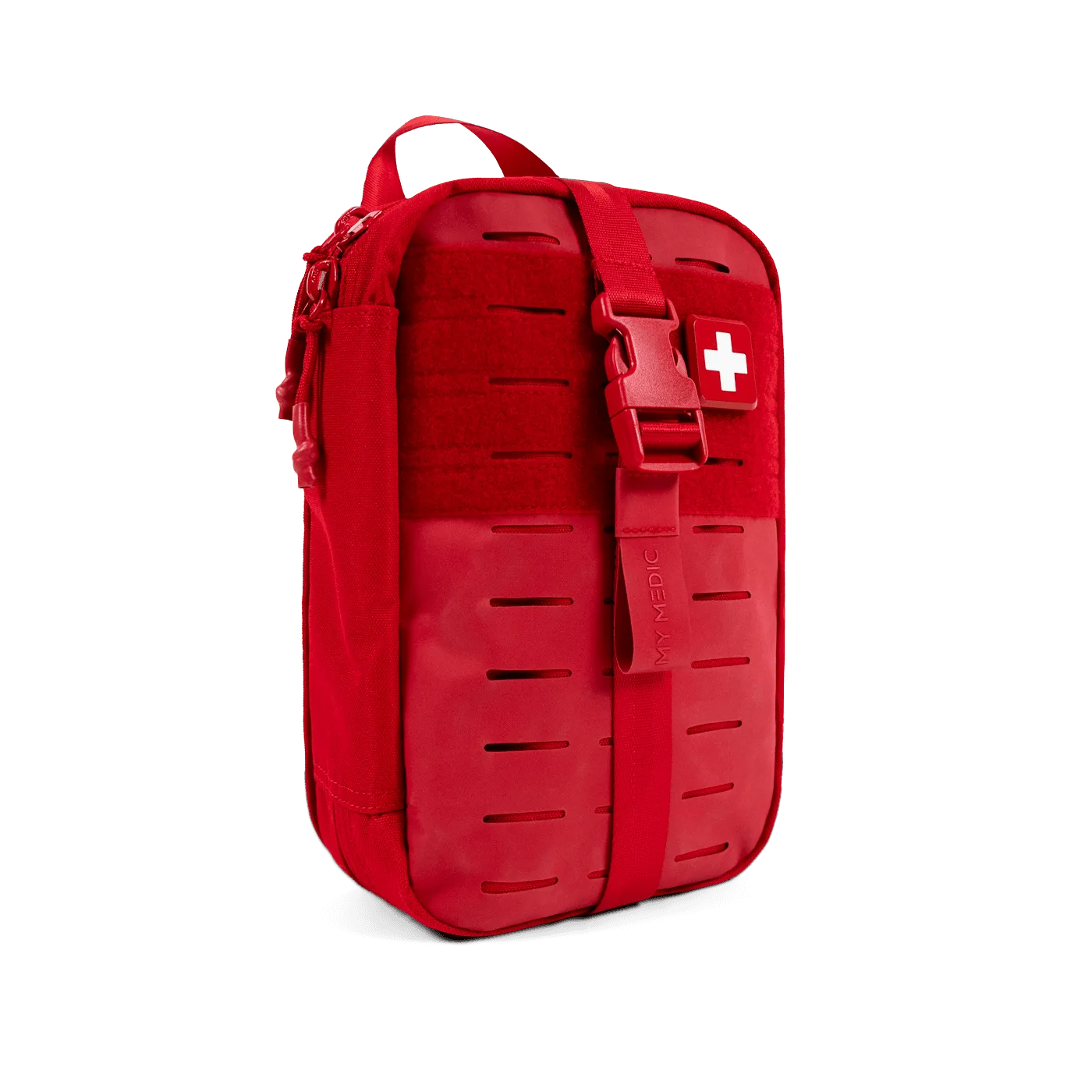
The MyFAKTM is a compact yet fully loaded kit that fits easily into any backpack or glovebox. Its rugged exterior is designed to withstand the elements, making it a reliable companion for hiking, camping, and other outdoor adventures. With a wide array of supplies, including bandages, antiseptics, and a trauma dressing, the MyFAKTM ensures you're prepared for minor injuries and more serious emergencies alike.
For those who prefer a lightweight option, the MyFAKTM Mini | Bag Only is perfect. This smaller version offers the same quality construction but in a more compact size, ideal for day trips or as a backup kit. Pair it with a waterproof pouch or dry bag for added protection if you're heading into particularly wet environments.
- MyFAKTM: versatile and rugged, perfect for outdoor use.
- MyFAKTM Mini | Bag Only: compact and lightweight for quick adventures.
Enhancing Your Kit's Waterproofing
Even if you already own a first aid kit that isn't waterproof, you can upgrade it with waterproof storage solutions. Waterproof pouches, dry bags, and cases can transform a standard kit into a water-resistant one. Look for options with roll-top closures or heavy-duty zippers to ensure maximum protection.
Additionally, consider adding waterproof accessories to your kit. For instance, the Hydration MOD is a handy addition for outdoor enthusiasts, providing a compact water filtration system that stays dry and accessible. While not a first aid item per se, it complements your kit by ensuring you have safe drinking water, which is crucial in emergency situations.
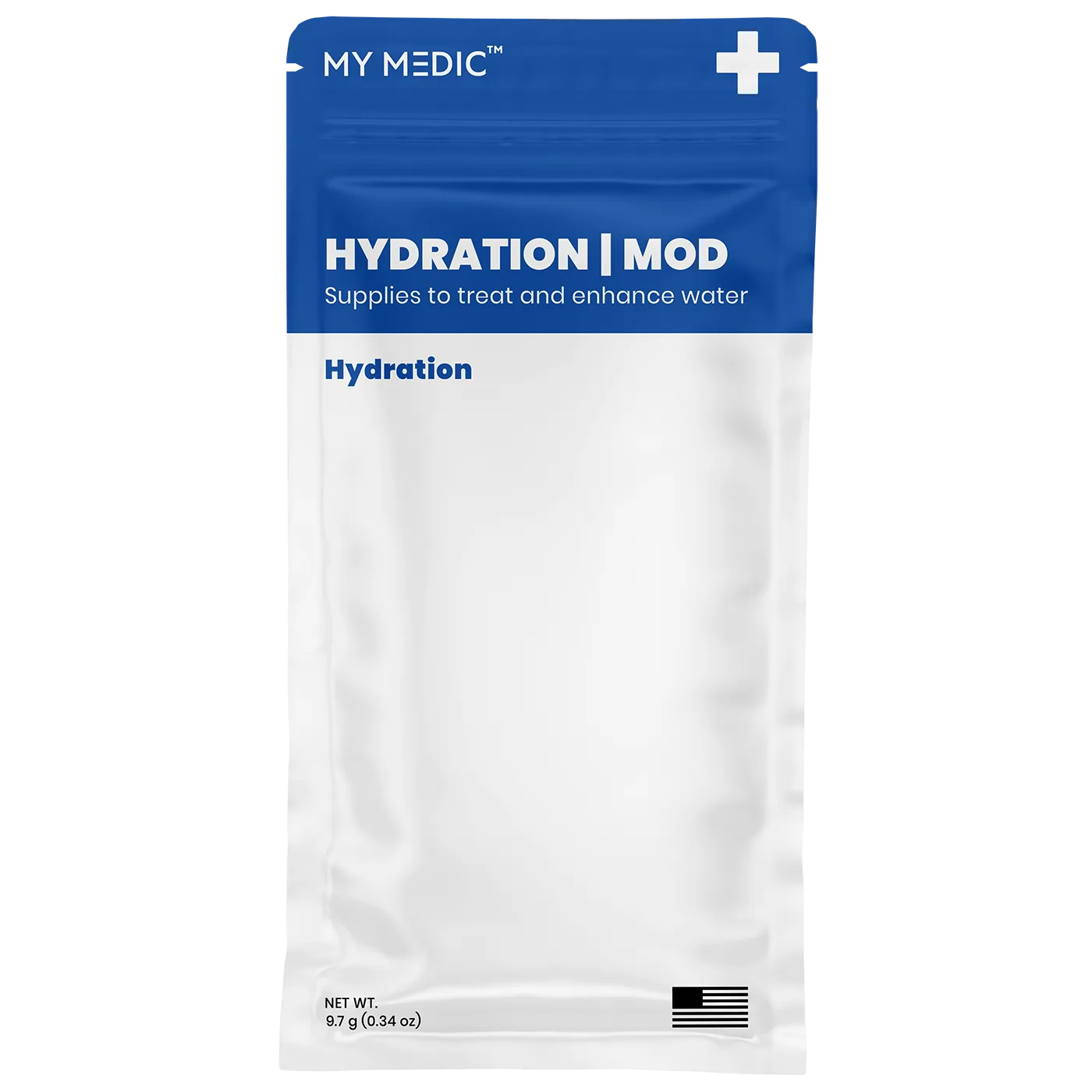
Hydration MOD
- Use waterproof pouches or dry bags to protect non-waterproof kits.
- Add a Hydration MOD to ensure access to clean water in the wild.
Maintenance Tips for Waterproof Kits
To ensure your waterproof first aid kit remains effective, regular maintenance is essential. After each trip, inspect the kit for any signs of water damage or wear. Check the seals and zippers for debris that could compromise waterproofing, and clean them with a damp cloth if necessary.
It's also a good idea to periodically test your kit's waterproofing by submerging it in water for a few minutes (if rated for submersion). This helps you catch any potential issues before you're in a real emergency. Additionally, replace any used or expired supplies promptly to keep your kit fully stocked.
- Inspect seals and zippers after each use.
- Test waterproofing periodically by submerging the kit if rated for it.
Choosing the right waterproof first aid kit is about understanding your needs and the kit's capabilities. With the right features and maintenance, you can ensure your supplies stay dry and ready for any adventure. Explore My Medic's range of durable kits, like the MyFAKTM, and add waterproof accessories to build a kit that's truly prepared for the elements.