Quick Answer
Choose a waterproof mattress pad if you want maximum protection and easy washing; choose a mattress protector if you prefer a thinner, quieter layer that still guards against spills. For most parents, a pad offers better value and hygiene for kids' beds.
When setting up a crib or a big-kid bed, you'll likely face a choice: a waterproof mattress pad or a mattress protector. Both shield the mattress from accidents, but they work differently. Understanding these differences helps you pick the right layer for your child's sleep and your peace of mind.
This guide compares pads and protectors across key factors like thickness, washability, and breathability. We'll also highlight how products like Newton's Kids' Twin Mattress and Bassinet & Bedside Sleeper bundles fit into the picture.
What Is a Waterproof Mattress Pad?
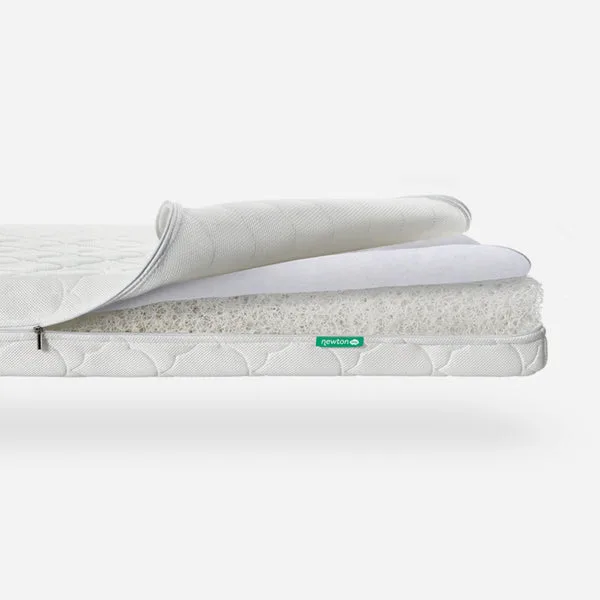
A waterproof mattress pad is a thick, quilted layer that sits on top of the mattress and provides both cushioning and protection. It typically has a soft top surface and a waterproof backing, often made of polyurethane or vinyl. The pad adds a bit of plushness to the bed, which some kids find more comfortable.
Because pads are thicker, they can trap heat. However, many modern pads use breathable materials to mitigate this. They are also usually machine-washable, making cleanup straightforward after nighttime accidents.
- Adds a layer of softness
- Full waterproof barrier
- Machine-washable for easy cleanup
What Is a Mattress Protector?
A mattress protector is a thinner, fitted sheet-like cover that encases the mattress top and sides. It provides a barrier against spills, dust mites, and allergens without adding bulk. Protectors are often quieter and less noticeable under regular sheets, making them a popular choice for older kids who don't want a crinkly feel.
The trade-off is that protectors offer less cushioning and may not be as absorbent. They are still machine-washable, but they can be tighter to fit and may not cover the entire mattress depth, depending on the design.
- Thin and quiet
- Protects against spills and allergens
- Easy to fit under regular sheets
Key Differences at a Glance
The main differences boil down to thickness, comfort, and level of protection. Pads are thicker and add cushioning, while protectors are slim and unobtrusive. Pads often have a more absorbent top layer, which can help with larger spills, whereas protectors rely on a waterproof membrane to keep moisture away from the mattress.
Breathability is another factor. A thick pad can reduce airflow, but many brands now use breathable materials like Newton's Wovenaire technology to keep sleep cool. Protectors, being thinner, may allow better air circulation, but not always—some vinyl-backed protectors can trap heat.
- Pads: thicker, more absorbent, add softness
- Protectors: thinner, quieter, less bulk
- Both are machine-washable, but pads may require more drying time
How to Choose Based on Your Needs
For a baby in a crib, a waterproof pad is often the go-to because it provides an extra layer of comfort and protection during those frequent nighttime changes. The pad can be easily removed and washed, keeping the mattress fresh. For a toddler transitioning to a twin bed, a pad continues to offer reliable protection, especially if your child is prone to bedwetting.
If your child is older and rarely has accidents, a mattress protector might be sufficient. It guards against spills and allergens without changing the feel of the bed. However, if you want the peace of mind that comes with a thicker barrier, a pad is the safer bet.
- For babies and toddlers: choose a pad for extra protection
- For older kids: a protector may be enough
- Consider your child's age and accident frequency
Trade-Offs to Consider
- Thickness vs. Feel: Pads add cushioning but can feel bulkier under sheets. Protectors are slim and maintain the mattress's original feel. If your child is sensitive to texture, a protector might be more comfortable.
- Washability vs. Drying Time: Both are machine-washable, but pads are thicker and may take longer to dry. Protectors dry quickly but may need more frequent washing if they lack absorbency. For busy parents, a pad's absorbency can reduce the need for daily washing.
- Breathability vs. Protection: Some pads use breathable materials like Wovenaire to keep cool, but thicker layers can still trap heat. Protectors are thinner but may have non-breathable vinyl backs. Look for breathable options in both categories to avoid nighttime overheating.
How Newton Products Fit In
- Kids' Twin Mattress + Waterproof Organic Mattress Pad: This bundle pairs the Kids' Twin Mattress with the Waterproof Organic Twin Mattress Pad, combining breathability and protection. If you're outfitting a twin bed, this bundle gives you a washable mattress and a pad that works together to handle spills and keep sleep cool.
- Bassinet & Bedside Sleeper + Original Crib Mattress: This bundle includes the Bassinet & Bedside Sleeper and the Original Crib Mattress, both featuring ultra-breathable Wovenaire technology. For a nursery that grows with your baby, this set covers early bassinet use and later crib sleep with breathable, washable surfaces that reduce heat buildup.
- Kids' Twin Mattress: The Kids' Twin Mattress is GREENGUARD Gold certified, ultra-breathable, and features a washable cover and core in three pieces for easier cleaning. If you prefer a standalone mattress, this option already offers washability and breathability, reducing the need for a separate pad—but adding one can still extend its life.
Which Should You Choose?
Best for
- Parents of babies and toddlers who need maximum protection and easy cleanup
- Children who are prone to bedwetting or frequent spills
Not for
- Older kids who rarely have accidents and prefer a thin, quiet layer
- Those who want to preserve the exact feel of the mattress without added cushioning
Ultimately, the choice between a waterproof mattress pad and a protector depends on your child's age, accident frequency, and comfort preferences. For most families, a pad offers superior protection and peace of mind, especially when paired with a breathable mattress like Newton's. Consider your priorities and choose the layer that keeps both your child and your mattress in great shape.