Quick answer
To avoid ingrown hairs after waxing or sugaring, start with 24–48 hours of gentle care: avoid heat, friction, and tight clothing. Then exfoliate gently twice a week and moisturize daily. If you are prone to ingrowns, consider a professional treatment like Espresso Mud to smooth and firm skin while flushing out toxins.
Why Ingrown Hairs Happen After Hair Removal
Waxing and sugaring remove hair from the root, but the new hair can curl back into the skin or get trapped by dead skin cells. This is more likely if you have coarse or curly hair, or if you don't exfoliate regularly. The first 48 hours are critical: your skin is sensitive and pores are open, so harsh products or friction can push bacteria in and cause irritation.
The First 48 Hours: What to Do and Avoid
For the first two days, treat your skin like a fresh wound. Skip hot showers, saunas, and intense workouts that make you sweat. Wear loose, breathable clothing to reduce rubbing. Apply a soothing, fragrance-free moisturizer or aloe vera gel to calm redness. Do not exfoliate yet—your skin needs to heal.
Exfoliation: The Key to Prevention
After 48 hours, start gentle exfoliation to remove dead skin cells that can trap hairs. Use a soft washcloth or a chemical exfoliant with lactic or salicylic acid—avoid harsh scrubs with walnut shells or salt, which can tear the skin. Exfoliate twice a week, and always moisturize afterward. If you have sensitive skin, start with once a week and adjust.
Moisturize Daily to Keep Skin Smooth
Hydrated skin is less likely to form ingrown hairs because it stays flexible and allows hairs to grow out freely. Choose a lightweight, non-comedogenic moisturizer and apply it morning and night. For extra smoothing, look for ingredients like urea or ceramides. If you want a professional boost, a treatment like Espresso Mud combines exfoliation with a mineral-rich wrap to help smooth and firm skin.
What to Do If an Ingrown Hair Appears
If you spot a red bump or a hair trapped under the skin, resist the urge to squeeze or pick—this can cause infection and scarring. Instead, apply a warm compress for a few minutes to soften the skin, then gently exfoliate. If the hair is visible, you can use sterilized tweezers to lift it, but never dig. If the area becomes painful, swollen, or pus-filled, see a dermatologist.
Your Step-by-Step Aftercare Routine
- Step 1: Cool Down and Soothe (First 24 Hours): Apply a cold compress or soothing gel to reduce redness and inflammation. Avoid heat, sweating, and tight clothing. Checkpoint: Skin should feel calm, not hot or irritated.
- Step 2: Gentle Cleansing (Days 1–2): Wash the area with a mild, fragrance-free cleanser and lukewarm water. Pat dry with a soft towel—don't rub. Mistake to avoid: Using harsh soaps or scrubbing the area.
- Step 3: Start Exfoliating (After 48 Hours): Use a gentle chemical exfoliant (like lactic acid) or a soft washcloth twice a week. Avoid physical scrubs with rough particles. Checkpoint: If skin stings, wait another day and use less pressure.
- Step 4: Moisturize Daily: Apply a lightweight, non-comedogenic moisturizer morning and night. Look for ingredients like ceramides or urea. Mistake to avoid: Skipping moisturizer because you have oily skin—hydration helps prevent ingrowns.
- Step 5: Handle Ingrowns Carefully: If a bump appears, use a warm compress and gentle exfoliation. Do not squeeze or pick. If it persists, consult a professional. Checkpoint: See a doctor if the area becomes painful or infected.
Professional Treatment to Support Aftercare
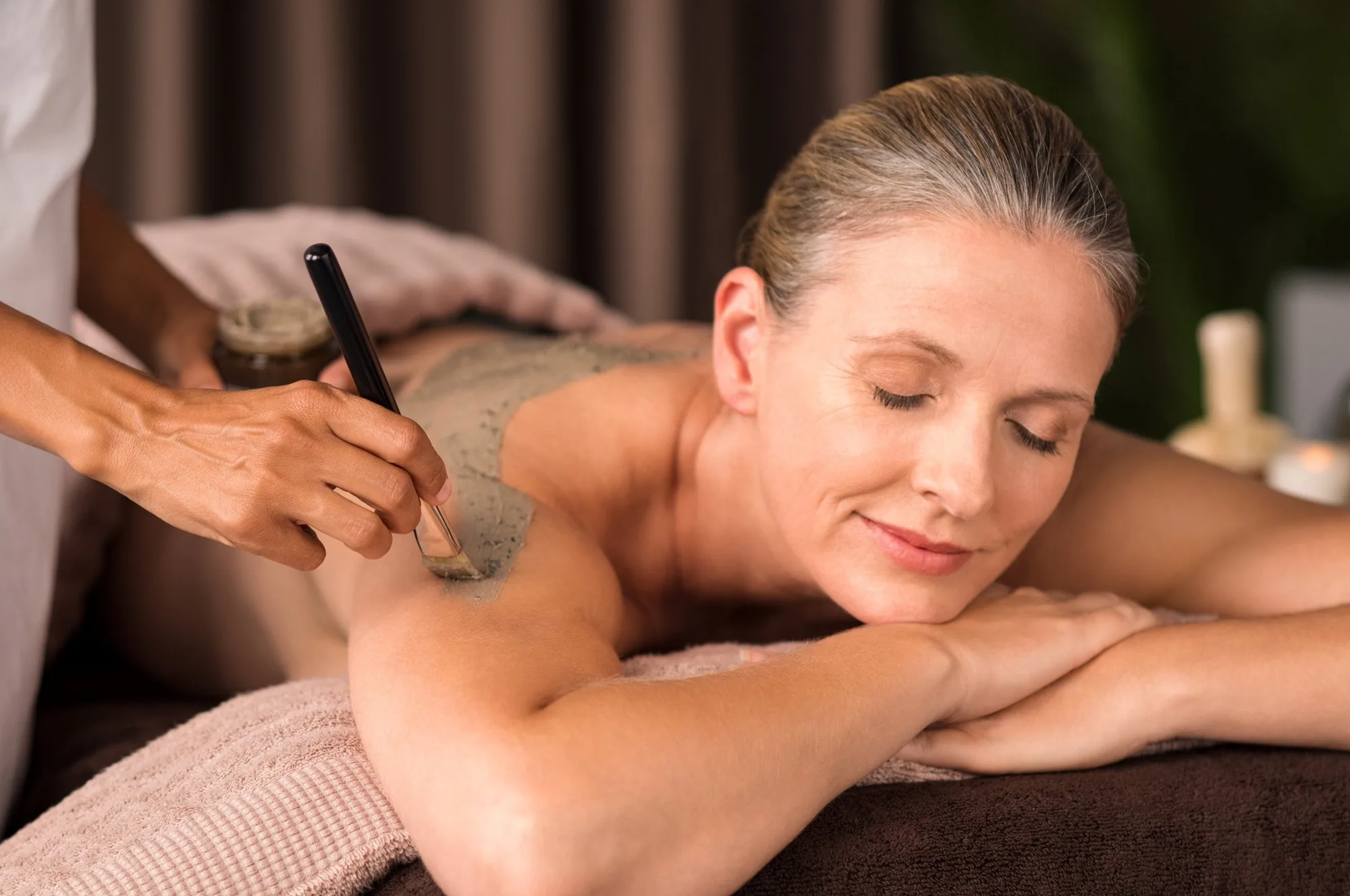
- Espresso Mud: Espresso Mud is a fusion of massage and body treatment that gently exfoliates with volcanic Pumice and Coffee Arabica, followed by a warm wrap with mineral-rich Black Silt Clay and herbal extracts of Indian Sarsaparilla and Honey, and includes a full body moisture application. This treatment can help smooth and firm skin while flushing out toxins, complementing your at-home aftercare to reduce ingrown hairs.