Quick answer
Divide the case into three piles: baking, cooking, and fresh eating. Bake the firmest apples first, cook the softer ones into sauce or soup, and keep the rest chilled for snacking.
Why Granny Smith apples work so well in the kitchen
Their crisp, tart flavor with a subtly sweet finish holds up in baked goods and savory dishes where sweeter apples turn mushy. That same firmness means they release less juice when cooked, so pies and tarts set cleanly. For savory cooking, the acidity balances rich meats and cheeses without extra lemon.
How to store a whole case so it lasts
Apples keep longest in the refrigerator crisper drawer, ideally between 32°F and 40°F. Keep them away from strong-smelling foods because apples absorb odors. If refrigerator space is tight, store half the case cold and keep the rest in a cool, dark spot for up to a week. Check weekly and remove any bruised apples before they affect the others.
When to choose a different apple
Granny Smith is not the best choice for recipes that rely on soft, sweet apples, such as applesauce meant to be eaten straight or apple butter where you want deep caramel notes. For those, a sweeter variety works better. Also, if you prefer snacking apples with low acidity, this case may be too tart for you.
Step-by-step plan for using a case of Granny Smith apples
- Sort and inspect the case: Empty the case onto a clean surface and remove any apples with cuts or soft spots. Set aside bruised apples for immediate cooking and keep firm ones for baking or storage. Common mistake: leaving apples in the box, where hidden bruises spread. Check the whole case on arrival and separate damaged fruit right away.
- Assign apples to three uses: Divide the firmest, unblemished apples for baking (pies, crisps, tarts). Choose slightly softer apples for sauces, soups, or slaws. Keep the best-looking apples for fresh snacking. Common mistake: using your best apples for sauce and leaving imperfect ones for baking, which can lead to uneven texture. Match apple condition to the recipe: firm for baking, soft for sauce.
- Bake a batch of pies or crisps: Peel and slice enough apples for two pies or one large crisp. Toss with sugar and spice, then bake according to your recipe. Common mistake: underbaking; Granny Smith apples need to soften fully, so test with a knife. Cool completely before storing. Bake in bulk and freeze one pie for later.
- Cook a savory dish: Use tart apples in a slaw with cabbage and a sharp vinaigrette, or roast them alongside pork or chicken. Their acidity cuts richness. Common mistake: overcooking in a sauté; add apples near the end so they retain some bite. Add apples late in stovetop cooking to keep texture.
- Make and preserve applesauce: Simmer peeled, chopped apples with a splash of water until soft, then mash or blend. For a smoother sauce, peel first; for more texture, leave skins on. Common mistake: adding too much water, which makes the sauce runny. Start with just enough to prevent sticking. Freeze sauce in small containers for up to three months.
- Store the remainder properly: Place uncooked apples in the refrigerator crisper drawer, loosely covered. Keep them away from strong-smelling foods. Common mistake: storing apples in a sealed bag without ventilation, which traps moisture and speeds spoilage. Label the storage date and use within four to six weeks.
Product facts
-
Case of Granny Smith Apples: Sold as a case of Granny Smith apples. A full case gives you enough apples to batch several recipes at once, so you can cook once and store portions for later.
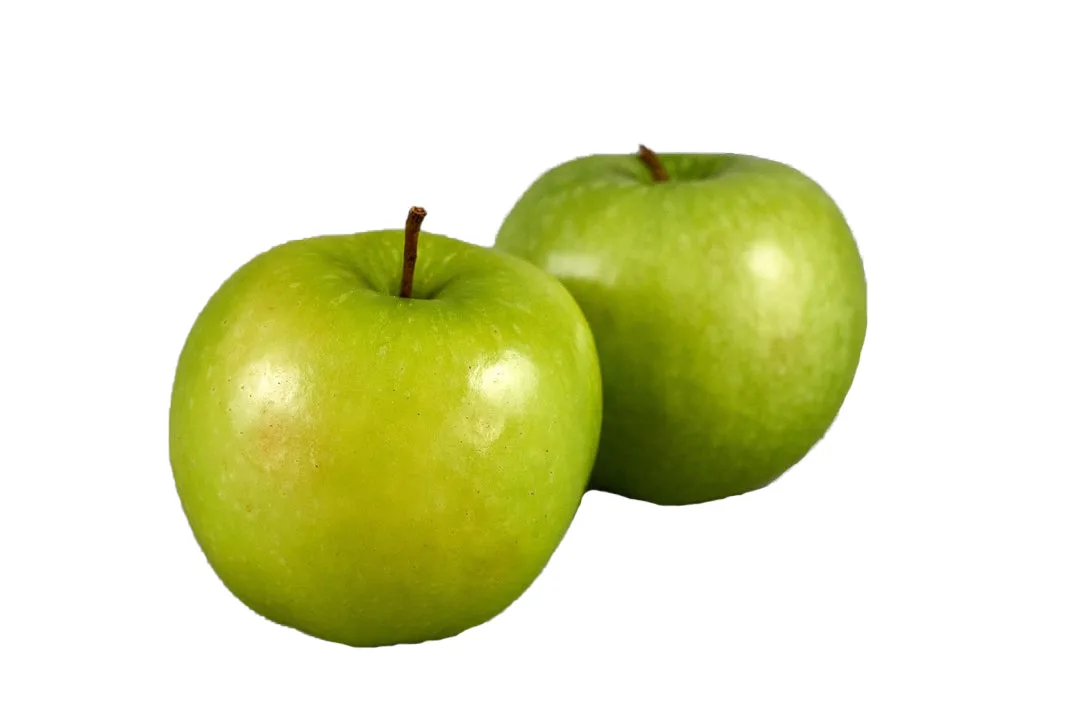
Case of Granny Smith Apples