Quick answer
Most wearable breast pump suction problems come from an air leak, not a dead motor. Re-seat the diaphragm and valve, check that the flange tunnel is fully dry and locked in, and confirm the cup is sealed against your breast before you assume the pump needs replacing. If suction is still weak after those three checks, the part that wears out is usually the valve or diaphragm, both of which are inexpensive to replace.
Rule out the simplest causes first
Before you touch any parts, run through the basics. Charge the pump fully — a low battery can reduce suction strength before it dies completely. Make sure the cup is centered on your breast with no folds in the silicone, and that you are not leaning so far forward that the seal breaks. If you are using a bra to hold the pump, check that the bra is not pressing the cup out of position. These three things account for a surprising share of 'my wearable pump stopped working' moments, and they cost nothing to fix.
Check the diaphragm and valve for wear
The diaphragm and valve are the parts that actually create and hold suction, and they are also the parts that wear out fastest. Stretch the valve gently and look for small tears, cloudiness, or a rim that no longer sits flat. A valve that has lost its shape will let air back in, which shows up as weak or pulsing suction. The diaphragm should sit flush in its housing with no pinching. If either part looks stretched, cracked, or discolored, replace it before trying anything else — this is the single most common fix for low suction.
Reassemble and test the seal
After cleaning, let every part air-dry completely. A drop of water trapped in the valve or diaphragm housing can block airflow and mimic a suction failure. Reassemble according to your pump's instructions, pressing each part firmly until it clicks or seats fully. Then run the pump on a low setting with the cup held against your palm — you should feel steady pull. If you feel nothing, or the pull stutters, the leak is inside the assembly, not at your breast.
When the problem is flange fit, not the pump
If the pump holds suction against your palm but feels weak on your breast, the issue is usually flange or tunnel fit rather than the motor. A tunnel that is too large lets air in around the nipple; too small can pinch and reduce milk flow, which feels like low suction. Check that your nipple moves freely in the tunnel without rubbing the sides, and that no areola is being pulled in. Fit problems do not show up in a palm test, so this is the step to revisit if the pump passes every other check.
Diagnose your suction problem
- No suction at all, even against your palm: The pump is running but producing no pull. This points to a fully displaced diaphragm, a valve that has come loose, or a battery too low to drive the motor. Re-seat the diaphragm and valve, charge fully, and retest against your palm. If there is still nothing, the assembly is the problem — not your breast.
- Weak or pulsing suction that fades during a session: Suction starts but drops off. This is the classic signature of a worn valve or a small air leak at the diaphragm housing. Replace the valve first, then the diaphragm. Both are low-cost parts, so this is worth doing before considering a new pump.
- Strong suction against your palm but weak on the breast: The pump passes the palm test but underperforms in use. That usually means the tunnel is too large or too small, or the cup is shifting inside your bra. Recheck flange and tunnel fit and your bra position. If fit is correct and suction is still weak, the pump is the remaining variable.
- Stop and choose another option when: You have replaced the valve and diaphragm, confirmed a clean dry assembly, verified good fit, and charged the pump fully — and suction is still weak or absent. At that point, stop troubleshooting and treat it as a pump-level issue rather than a parts issue.
Parts and pumps worth knowing
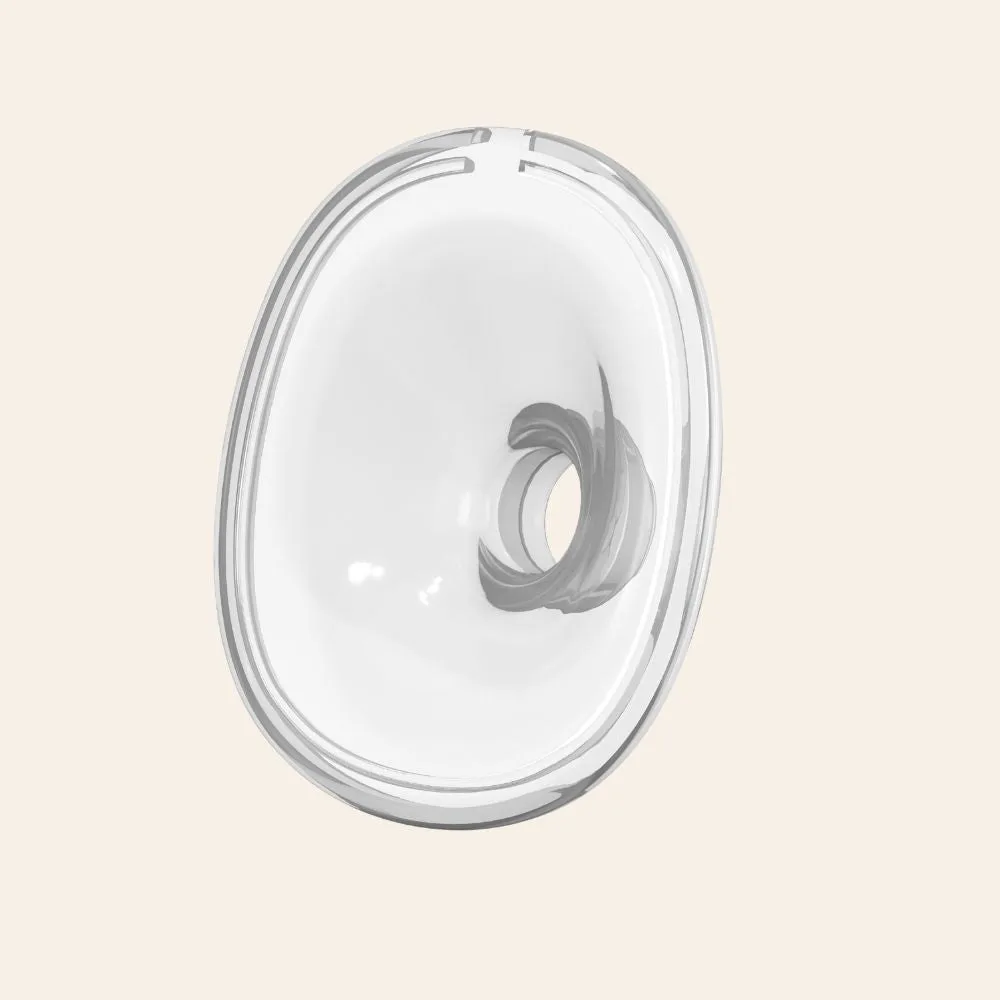
- Thrive 2-in-1 Breast Pump Diaphragm for PowerPump & Wearable Kit: A spare set of parts when you need them, useful when you are pumping away from home and need an extra set of clean parts or want to replace parts that wear over time. Keeping a spare diaphragm on hand means a worn seal does not sideline a pumping session while you wait for a replacement.
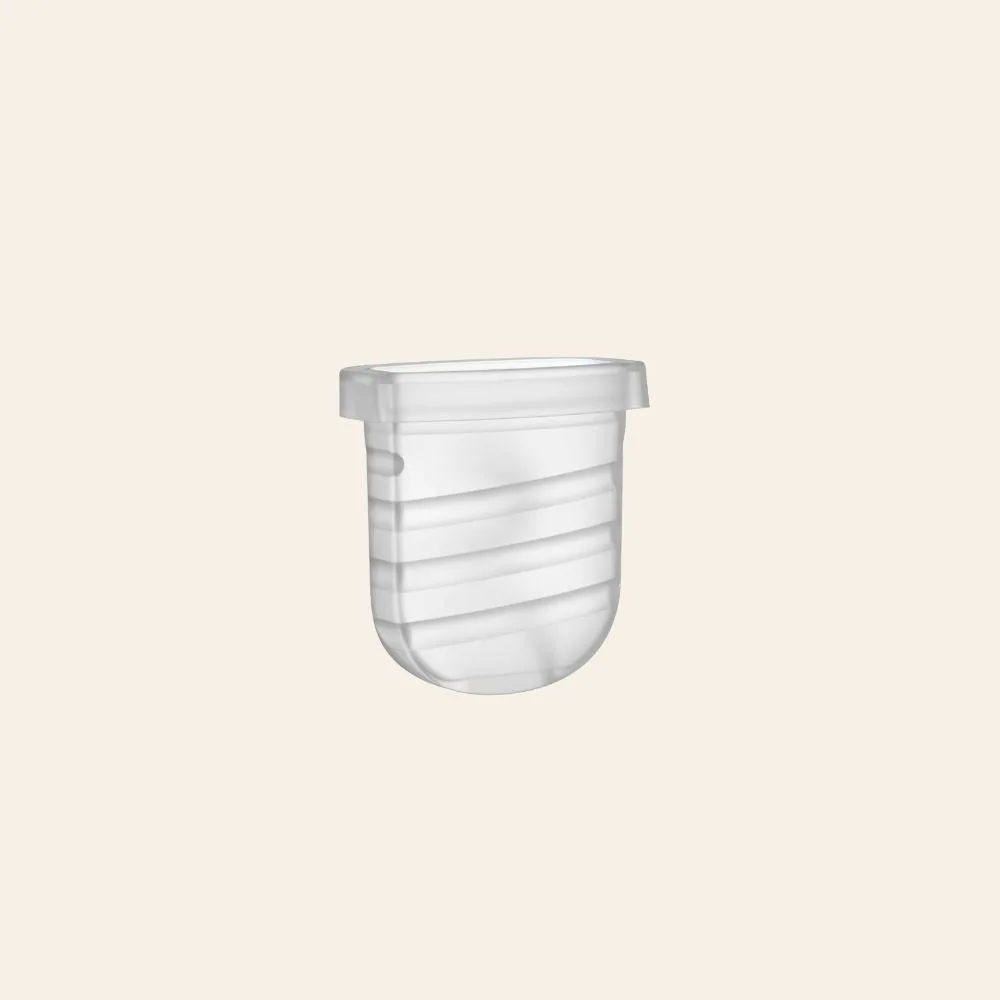
- Thrive 2-in-1 Breast Pump Valve for PowerPump & Wearable Pump: A spare valve designed for the PowerPump and Wearable Pump, available in different sizes. The valve is the cheapest part to swap when suction drops, so it is the first replacement to try before assuming the pump itself has failed.
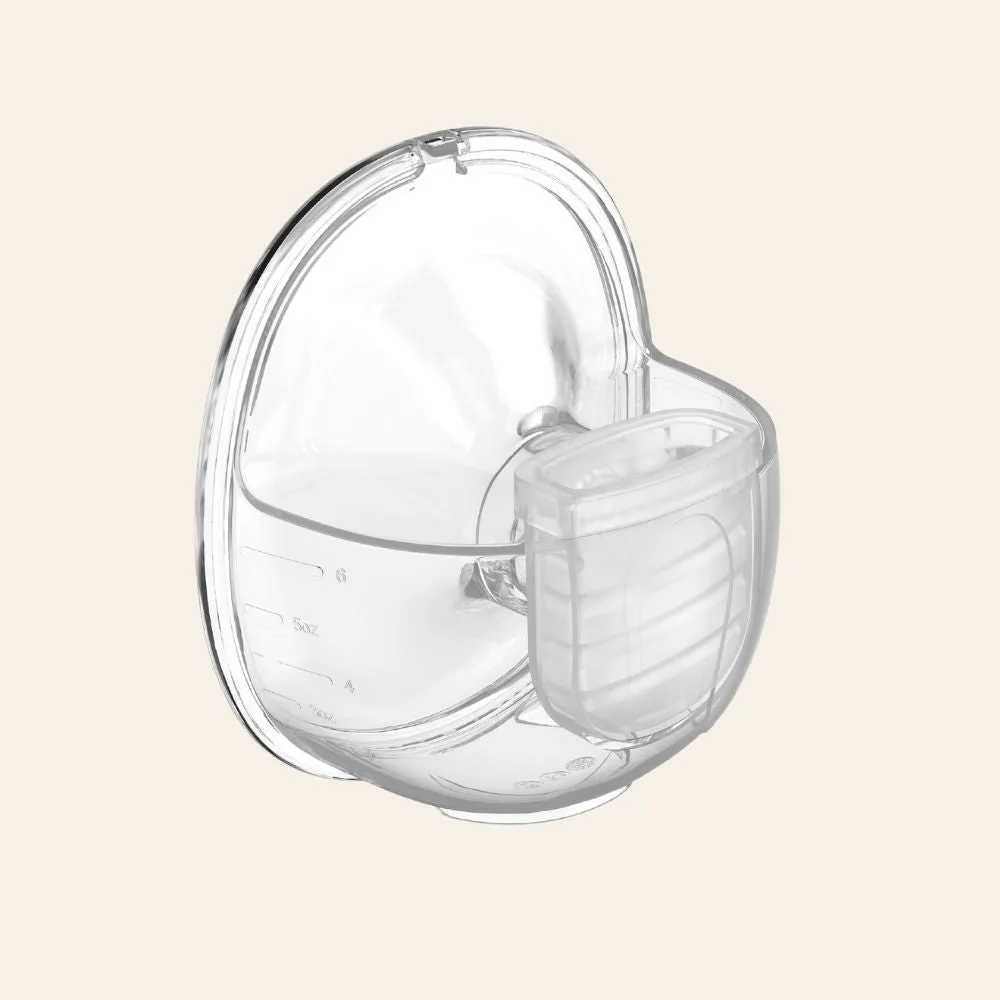
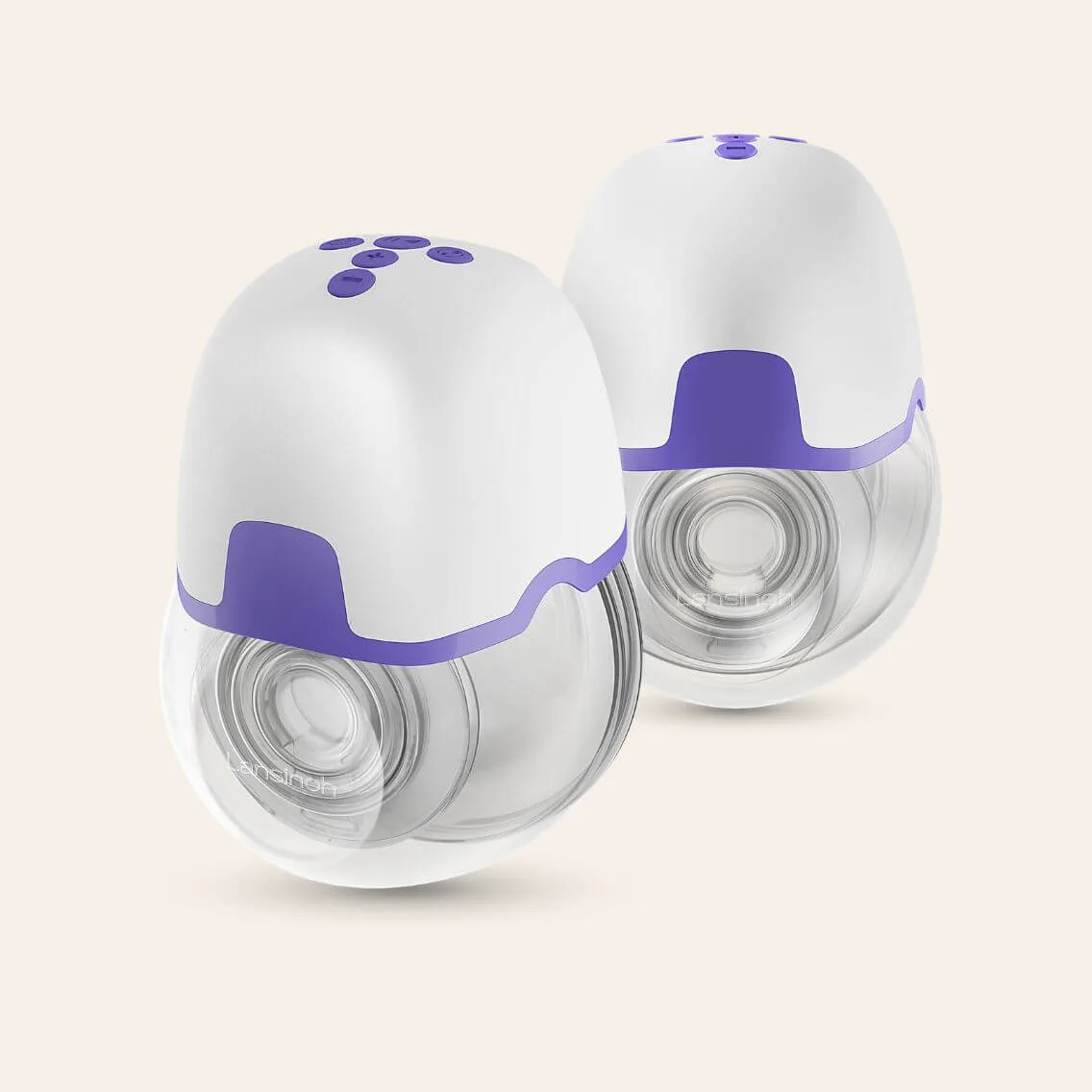
- Wearable Breast Pump: The Lansinoh Wearable Pump has hospital-strength suction and is small, quiet, and easy to use. If you have replaced the valve and diaphragm, confirmed a good seal, and suction is still weak, the pump itself is the remaining variable rather than your technique.