Quick Answer
Buy a wearable tickler pendant only if the chain drop puts the tickler tip exactly where you want it, the piece is light enough to forget you have it on, and the material suits your skin. If you cannot confirm the drop length before ordering, wait — a pendant that hangs wrong is a pendant you will never wear.
A jewelry tickler pendant does one job well: it hides a discreet sensory toy in plain sight. You wear it like any necklace, and the tickler tip rests against skin, delivering a light, constant brush of sensation that only you know about. That is the whole appeal, and it is also the whole risk — if the drop length is wrong, the tip lands somewhere useless and the piece becomes ordinary jewelry.
This guide is for shoppers weighing a wearable sex toy jewelry purchase, including anyone searching for a bijoux indiscrets magnifique review or a magnifique tickler pendant breakdown. We do not carry that piece, so we cannot test it or quote its specs. Instead, here are the decision rules that apply to any tickler pendant, plus two grounded alternatives from our catalog that solve the same problems — sensation and comfort — in different ways.
What a Tickler Pendant Actually Does (and Does Not Do)
A tickler pendant is a necklace with a small textured or feathered tip that hangs against the chest, collarbone, or neckline. The sensation is light and continuous rather than intense — think of a fingertip brushing skin, not a vibrator. That makes it a subtle kink accessory for wearing to dinner, on a date, or under a work shirt. It is not a substitute for a vibrator, and it will not produce strong or escalating stimulation.
Because the sensation is mild, the fit matters more than the mechanism. A tip that rests against a collarbone gives a different feeling than one that hangs lower against a sternum. Before buying, decide which spot you want the tip to touch, then measure the distance from the back of your neck to that spot. That number is your target drop length. Without it, you are guessing.
- Measure from the nape of your neck to the spot where you want the tip to rest. That is your target drop.
- A pendant that swings freely gives intermittent contact; one that sits close to the body gives constant contact.
- Light sensation is the point — do not expect vibration or pressure from a passive tickler.
The Three Specs That Decide Whether You Will Wear It
Weight comes first. Anything heavy enough to pull at your neck or leave a mark after an hour will end up in a drawer. If a listing does not state the pendant weight, treat that as a real limitation — you cannot judge it from a photo, and you should not assume it is light. Second is chain length and adjustability. A fixed chain only works if its drop matches your measurement; an adjustable chain covers a range and is the safer buy when you are unsure.
Third is material and skin contact. Metal alloys can irritate sensitive skin, and plated finishes wear over time. Silicone and soft leather are common in body-safe accessories for good reason: they are easy to clean, gentle on skin, and hold up to repeated handling. If you have known metal sensitivities, prioritize non-metal contact points or a piece with a silicone tip.
- If weight is not listed, ask before buying — do not assume a pendant is lightweight.
- Adjustable chains forgive a wrong measurement; fixed chains do not.
- Silicone and soft leather tips are the easiest to clean and the gentlest on sensitive skin.
Fit Guidance: Getting the Drop Right the First Time
Use a soft tape measure or a piece of string. Run it from the nape of your neck, over your shoulder, down the front to the exact spot you want the tip to touch. Write that number down. If a pendant's drop is within about an inch of it, you are in range. If it is two inches or more off, the tip will rest somewhere you did not intend, and no amount of adjusting the clasp will fix a chain that is simply the wrong length.
Neck size matters too. A shorter neck needs a shorter overall chain to reach the same contact point, so two people with the same target spot may need different chain lengths. If you are between sizes, choose the longer adjustable option and shorten it — you can always take up slack, but you cannot add length to a fixed chain.
- Write down your target drop in inches before you shop.
- Within one inch of your target is a good fit; two inches off is a pass.
- When in doubt, buy adjustable and shorten it.
When a Pendant Is the Wrong Tool
If you want strong, controllable sensation, a passive tickler will disappoint you. The same is true if you want something you can use during sex rather than wear beforehand — a pendant stays on your neck and does not adapt to changing positions. In those cases, a handheld toy or a wearable that stays in place during movement serves you better.
The other common mismatch is public wear. A pendant is discreet only if it looks like jewelry at a glance. Oversized charms, dangling hardware, or obviously kink-styled pieces invite questions. If your goal is a subtle kink accessory for everyday wear, choose something that reads as a plain necklace first and a toy second.
- Want intensity or control? Skip the pendant and choose a handheld toy.
- Want to wear it during sex? Choose something that stays in place during movement.
- Want true discretion? Favor simple shapes over statement hardware.
Two Grounded Alternatives for Sensation and Comfort
If the pendant idea appeals but you want a different kind of sensation, a soft flogger delivers a playful tingle without harsh sting — the opposite end of the spectrum from a passive tickler. It is not wearable, but it is a better fit if you want active, hands-on sensation with a partner rather than a constant background brush.
If your real goal is comfort during intimacy, the problem may not be jewelry at all. Pain during sex is common and often treatable, and a book like Healing Painful Sex addresses causes and treatment from both physical and psychological angles. That is a more useful purchase than any accessory if discomfort is what is limiting you. Neither option replaces a pendant, but both solve adjacent problems honestly.
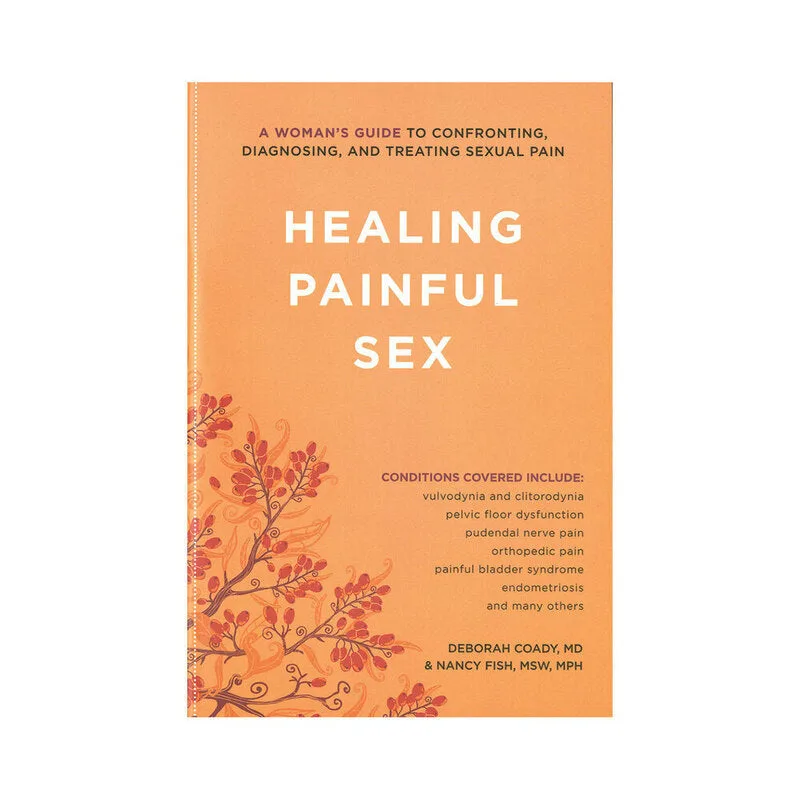
Healing Painful Sex
- Choose a flogger for active sensation; choose a pendant for passive, constant sensation.
- If pain is the issue, address the cause before buying more accessories.
- One well-chosen piece beats three that sit unused.
Decision Rules for Buying a Tickler Pendant
- Drop length is unknown or fixed: If the listing does not state the chain drop and the chain is not adjustable, you cannot predict where the tip will rest. Pass unless you can confirm the drop matches your measurement within an inch.
- Weight is not listed: Pendant weight determines whether you can wear it for an hour or five minutes, and it cannot be judged from photos. Ask the seller before ordering; if there is no answer, choose a different piece.
- You want intensity or control: A passive tickler gives light, continuous contact and nothing more. It does not vibrate, escalate, or adapt. Choose a handheld toy or a soft flogger instead.
- You have metal sensitivities: Metal alloys and plated finishes can irritate skin, especially on the neck where contact is constant. Prioritize silicone or soft leather contact points.
Catalog Facts That Inform This Decision
- Soft Flogger 12 in.: Made of soft leather, which gives it a more fun and playful tingle, without too much sting or harshness. If you want active sensation rather than a passive tickle, a soft leather flogger is the gentler end of impact play and a reasonable first piece.
- Healing Painful Sex: Written by Deborah Coady, MD, and Nancy Fish, who use their combined expertise as doctors and therapists specializing in sexual pain to explain its many causes and how to treat them, physically and psychologically. If discomfort rather than boredom is why you are shopping for sensation, this addresses the cause instead of the symptom.
- CleanStream Comfort Nozzle Silicone Tip: Pure silicone nozzle that attaches to CleanStream metal shower systems or CleanStream bag systems, adding length, flexibility, and soft silicone comfort. A concrete example of why silicone contact points matter: soft, flexible, and easy to clean, which is the same logic you should apply to any wearable accessory.
Who Should Buy a Tickler Pendant
Best for
- People who want a subtle kink accessory they can wear under everyday clothing
- Shoppers who already know their target drop length and can match it to a listed chain measurement
- Anyone who prefers light, constant sensation over strong or controllable stimulation
Not for
- Shoppers who want vibration, intensity, or adjustable power
- Anyone who cannot confirm chain drop or pendant weight before ordering
- People with metal sensitivities who cannot verify the contact material
A tickler pendant works when the drop, weight, and material all line up with your body and your habits. Measure first, buy adjustable when you are unsure, and be honest about whether you want a passive brush or real intensity. If it is intensity you want, a soft flogger or a handheld toy will serve you better — and if discomfort is the underlying issue, read Healing Painful Sex before spending on accessories.