The packing decision comes down to where and how you pump
If you are deciding which pump to put in your bag, the choice is less about one being better and more about matching the pump to the setting. A wearable pump is built to keep your hands free and your routine moving. A manual pump is built to be simple, compact, and easy to clean. The Lansinoh Wearable Pump and the Lansinoh Manual Breast Pump sit at different ends of that spectrum, and the supplied information makes the tradeoffs fairly clear.
This comparison sticks to what the product records confirm. Where a detail is not supplied, such as exact battery life or full wearable cleaning steps, treat that as a gap to check before you rely on the pump for a full day out.
What each pump is designed for
-
Wearable Breast Pump: The Lansinoh Wearable Pump is described as small, quiet, and easy to use, with hospital-strength suction. That combination points to hands-free pumping in a busy setting, such as a workday or a longer outing, where discretion and portability matter.
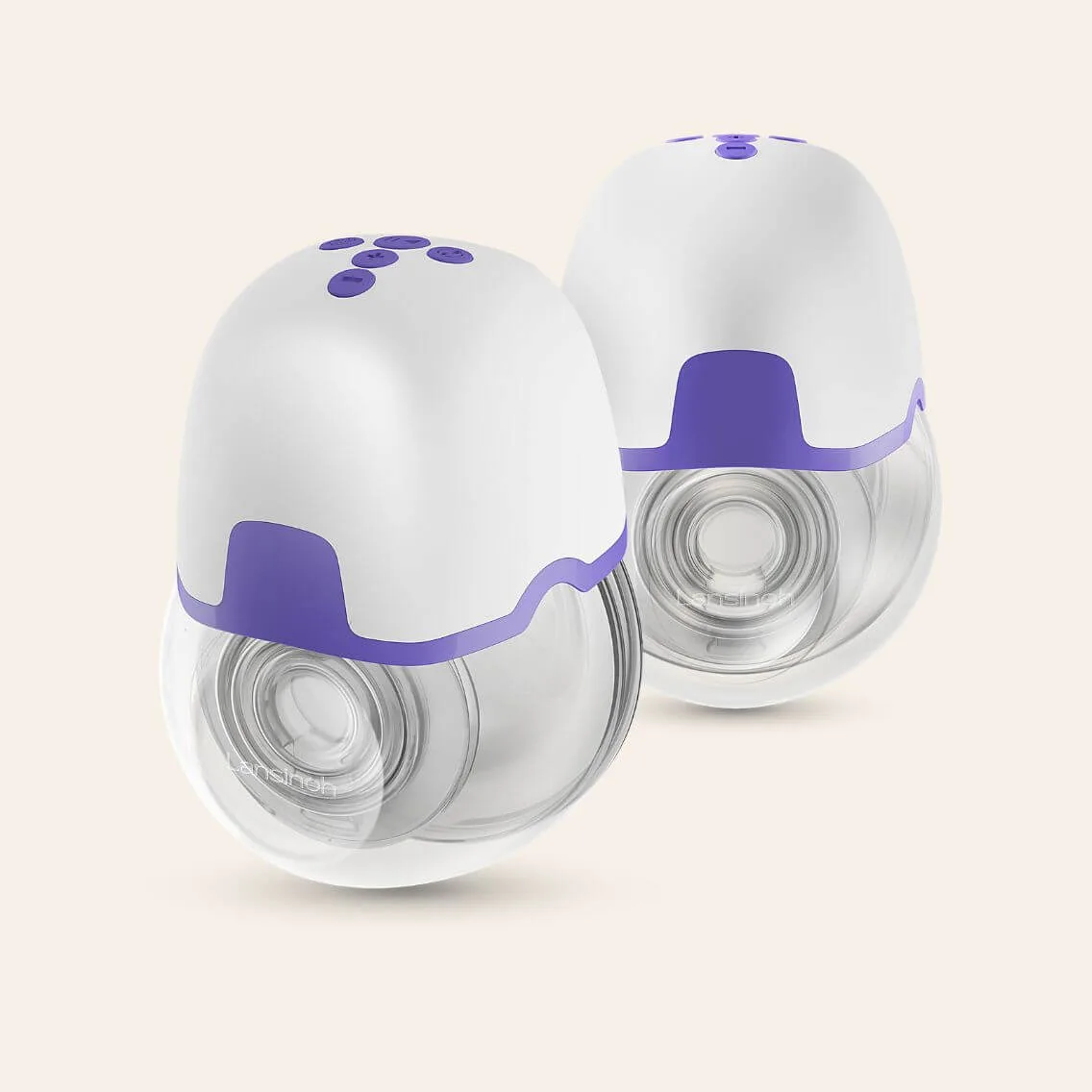
Wearable Breast Pump
-
Manual Breast Pump: The Lansinoh Manual Breast Pump is described as comfortable, convenient, and portable, and ideal for occasional use at home or on the go. The manual pump is positioned for occasional or travel use rather than all-day pumping, which helps you decide whether it is enough for your trip.
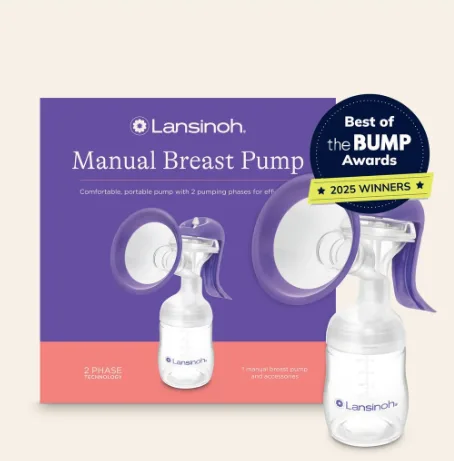
Manual Breast Pump
Wearable vs manual: how they compare on the details that affect packing
The two pumps differ most in how much they ask of you during and after a session. Use this side-by-side to weigh the practical differences.
- Hands-free use: The Wearable Pump is designed to be small and quiet for easy use. The Manual Pump requires one hand to operate the easy-express handle, though that handle is designed to reduce hand fatigue.
- Suction and control: The Wearable Pump is described as having hospital-strength suction. The Manual Pump offers two modes, Stimulation and Expression, to aid let-down and support pumping efficiency, and is designed not to exceed 250mmHg.
- Fit options: The Manual Pump includes two ComfortFit flange sizes, standard (25mm) and large (30.5mm), to help with suction and comfort. The supplied information does not list flange sizes for the Wearable Pump, so check fit details before you pack it.
- Cleaning and parts: The Manual Pump is noted for having fewer parts, making it easy to use and simple to clean. Cleaning guidance for the Wearable Pump is not included in the supplied information, so confirm those steps before a workday or trip.
- Bottle compatibility: The Manual Pump is designed specifically for Lansinoh brand bottles and will not fit bottles from other brands. Bottle compatibility for the Wearable Pump is not confirmed in the supplied information.
When the wearable pump makes more sense for work
If your pumping sessions happen at a desk, in a shared office, or between meetings, the Wearable Pump's small, quiet design and hospital-strength suction are the features that matter most. It is built for hands-free use, so you are not tied to a handle or a separate bottle setup during the session.
The tradeoff is that the supplied information does not include cleaning steps, flange sizes, or battery details for the Wearable Pump. Before you rely on it for a full workday, confirm those details so you can pack any spare parts or cleaning supplies you need.
When the manual pump is the better travel companion
For a short trip, an occasional outing, or a backup pump that lives in your bag, the Manual Pump's simplicity is a real advantage. It has fewer parts, is easy to clean, and includes two flange sizes in the box. The two pumping modes give you a way to work with let-down rather than against it.
The manual pump is not described as a hands-free or all-day solution, and it is designed for occasional use. If your travel includes long workdays with multiple sessions, the manual pump may be more effort than you want. Also note that it only fits Lansinoh brand bottles, so pack accordingly.
Care details that affect which pump you pack
- Manual Breast Pump: The white valve, silicone diaphragm, stem, and ComfortFit flange may be washed in the dishwasher, but hand washing is recommended to prevent loss and extend usefulness. If you will not have a dishwasher while traveling, the manual pump's hand-wash-friendly parts are a practical advantage.
- Manual Breast Pump: The Manual Pump can be sanitized by disassembling and boiling all parts in water for five minutes, and all parts should be completely air-dried before assembly or use. This gives you a clear sanitizing routine for travel, provided you have a pot and time to air-dry.
- Wearable Breast Pump: The Wearable Pump is described as having hospital-strength suction in a small, quiet design. That suction level may matter if you are used to a stronger pump, but the supplied information does not include sanitizing or drying steps, so plan to confirm them.
A simple way to decide what goes in the bag
Pack the Wearable Pump when your day involves hands-free sessions, you want discretion, and you have confirmed the cleaning and fit details you need. Pack the Manual Pump when you want a compact, simple backup for occasional use, and you are comfortable with hand-operated pumping and hand washing.
Many parents end up carrying both: the wearable for planned sessions and the manual as a lightweight backup. The supplied information supports that pairing because the two pumps serve different moments rather than competing for the same one.