Weave poles are one of the most challenging and rewarding obstacles in dog agility. They test your dog's flexibility, focus, and your ability to communicate clearly. Whether you're a beginner or looking to refine your dog's technique, this guide covers everything from equipment to advanced training methods.
In this article, we'll explore the benefits of weave pole training, how to choose the right poles, step-by-step training techniques, common mistakes, and tips for advanced skill development. By the end, you'll have a solid foundation to help your dog master the weave poles with confidence and speed.
Why Weave Pole Training Matters
Weave poles are a staple in dog agility competitions. They consist of a series of poles (typically 6 to 12) that your dog must weave through in a zigzag pattern. This obstacle improves your dog's body awareness, coordination, and flexibility. It also strengthens the bond between you and your dog as you learn to work together with precision and trust.
Beyond competition, weave pole training offers mental stimulation and physical exercise, which are essential for high-energy breeds. It's a great way to channel your dog's energy into a productive and fun activity. Plus, mastering this skill boosts your dog's confidence, making them more eager to tackle other challenges.
- Improves flexibility and body control
- Enhances focus and problem-solving skills
- Strengthens the human-canine bond
Choosing the Right Weave Poles
When starting weave pole training, the right equipment can make a significant difference. Look for poles that are sturdy yet flexible, with a base that keeps them upright without being too rigid. Adjustable spacing is a valuable feature, allowing you to start with wider gaps and gradually narrow them as your dog improves.
If you're training at home, consider investing in a quality set that can withstand outdoor conditions. For those who prefer professional training, many clubs offer access to competition-grade equipment. Remember, the goal is to create a safe and effective training environment for your dog.
- Choose poles with adjustable spacing for progressive training
- Ensure the base is stable but not too rigid to avoid injury
- Consider portable options for training on the go
Step-by-Step Training Techniques
Before introducing your dog to the full set of poles, start with just two or three poles. This helps your dog understand the concept without becoming overwhelmed. Begin by luring your dog through the poles with a treat, rewarding them for each successful pass. Gradually increase the number of poles as your dog becomes more confident.
Once your dog is comfortable with the luring method, start adding verbal cues and hand signals. The 'weave' command should be consistent, and your body language should guide your dog through the poles. Practice in short, frequent sessions to maintain your dog's interest and prevent fatigue.
As your dog masters the basics, introduce the 'channel' method. This involves setting up the poles in a V-shape or using guide wires to encourage your dog to weave without luring. This technique helps your dog learn to weave independently, which is essential for competition.
- Start with 2-3 poles and gradually increase
- Use high-value treats for positive reinforcement
- Incorporate verbal cues and hand signals early on
- Practice in short sessions to keep your dog engaged
Common Mistakes to Avoid
One of the most common mistakes is rushing the process. Dogs need time to build muscle memory and confidence. If you introduce too many poles too quickly, your dog may become frustrated and lose interest. Patience and consistency are key.
Another mistake is inconsistent cueing. If you change your verbal or physical cues, your dog may become confused. Stick to the same commands and body language every time. Additionally, avoid training when your dog is tired or distracted; a focused dog learns much faster.
Finally, don't forget to reward your dog for small successes. Positive reinforcement is crucial for maintaining motivation. Celebrate every step of progress, no matter how small.
- Don't rush; progress gradually
- Keep cues consistent
- Train when your dog is alert and focused
- Always reward small victories
Advanced Tips and Techniques
Once your dog has mastered the basic weave, you can work on speed and accuracy. Set up a timer and challenge your dog to complete the poles faster, but always prioritize proper form over speed. Use a target or a toy to encourage your dog to move forward quickly through the poles.
Incorporate weave poles into a full agility course to simulate competition conditions. This helps your dog learn to transition smoothly between obstacles. Practice in different environments to ensure your dog can perform well anywhere.
For dogs that struggle with the entrance or exit, focus on those specific parts. Use a 'collect' cue to help your dog slow down and position correctly before entering the poles. With patience and targeted practice, your dog will become a weave pole pro.
- Use timing to build speed without sacrificing form
- Practice in full course settings for realism
- Target weak points like entrance and exit
Equipment and Accessories to Enhance Training
While weave poles are the main focus, having the right accessories can improve your training sessions. For example, a durable toy like the Kong Extreme Dog Toy can be used as a reward or target during training. Its durability ensures it can withstand rigorous play, making it a great motivator for your dog.
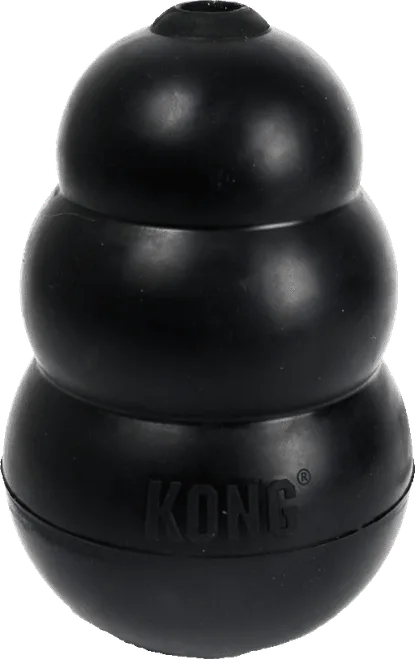
Kong Extreme Dog Toy
Additionally, a hands-free leash can be helpful during early training stages. The ActiveDogs Fleece Hands Free Leash allows you to keep your dog close while having your hands free to guide them through the poles. This can be especially useful for beginners who need to focus on both the leash and the poles.
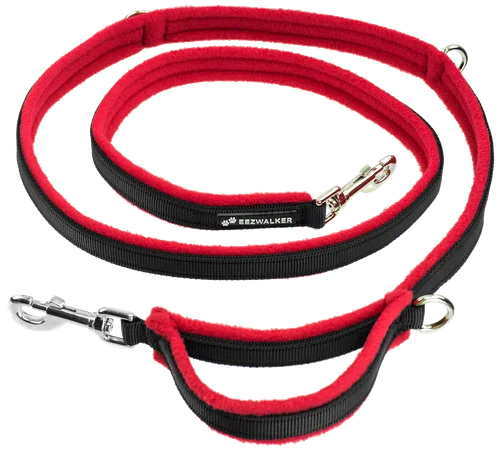
ActiveDogs Fleece Hands Free Leash
For dogs that need extra encouragement, a comfortable and secure harness can make training sessions more enjoyable. Consider a harness that provides good support and doesn't restrict movement, allowing your dog to move freely through the poles.
- Use durable toys like the Kong Extreme Dog Toy for rewards
- Hands-free leashes allow better guidance during training
- A well-fitted harness ensures comfort and mobility
Weave pole training is a journey that requires patience, consistency, and the right equipment. By following these tips and techniques, you'll help your dog become a confident and skilled weaver. Remember to keep training sessions fun and positive, and always celebrate your dog's progress. For more training tools and accessories, explore our collection and find everything you need to support your dog's agility journey.