Start with the part that does the work
The Web Toe is built around a UHMPE tow strap fitted with a locking carabiner. That strap is the piece most exposed to grit, salt, mud and repeated wet-and-dry cycles, so it deserves the first pass in any cleaning routine. Treat the strap and carabiner as the priority, then work outward to the rest of the sandal.
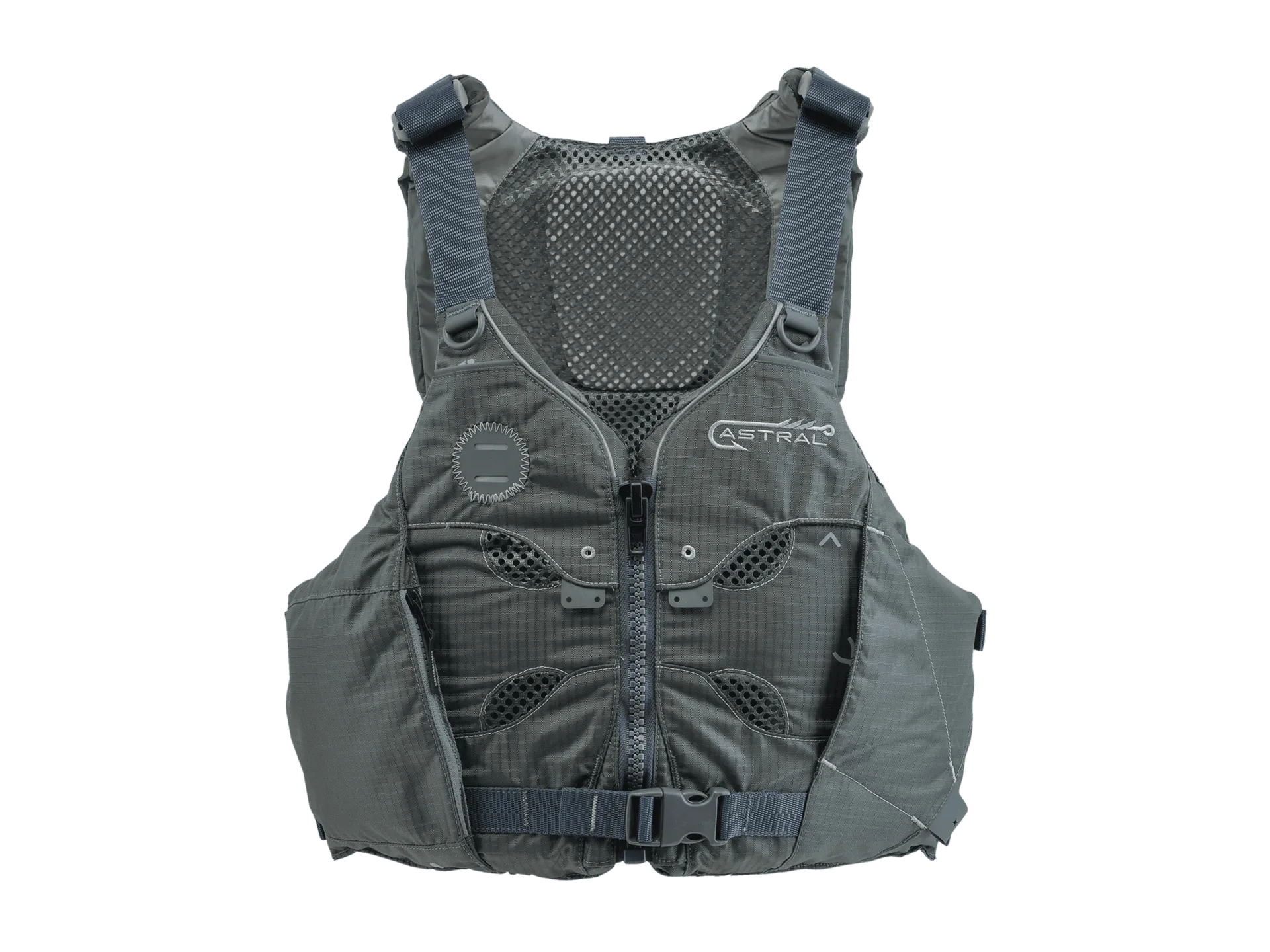
One design detail matters for care: Astral states that the system packs into the side pocket of its rescue vests, keeping it accessible without dangling where it could catch on logs. That stowed position is also a good storage habit at home — compact, out of the way, and less likely to snag on other gear in a bag or bin.
A rinse-first routine for the Web Toe
The supplied information confirms the materials and the stowage design but does not list a manufacturer washing procedure, detergent, or drying temperature. The steps below stay within what the product record supports and avoid guessing at instructions Astral has not published here.
- Rinse after every wet use: Fresh water is the safest first step for a tow strap that has been in salt water, sand or river mud. Flush the strap and carabiner before anything dries and locks grit into the weave.
- Work the carabiner gate: A locking carabiner has moving parts. Rinse around the gate and locking sleeve so sand and salt do not sit in the mechanism, then let it air dry before stowing.
- Check the strap for embedded grit: UHMPE webbing can hold fine sand. Flex the strap gently under running water rather than scrubbing hard, which can abrade the fibers.
- Dry fully before it goes back in the pocket: The side-pocket stowage that keeps the Web Toe accessible also traps moisture if the strap is packed damp. Air dry first, then stow.
Web Toe details that shape the care routine
-
Web Toe: UHMPE tow strap equipped with a locking carabiner. Two different materials — webbing and metal hardware — need separate attention when rinsing and drying.
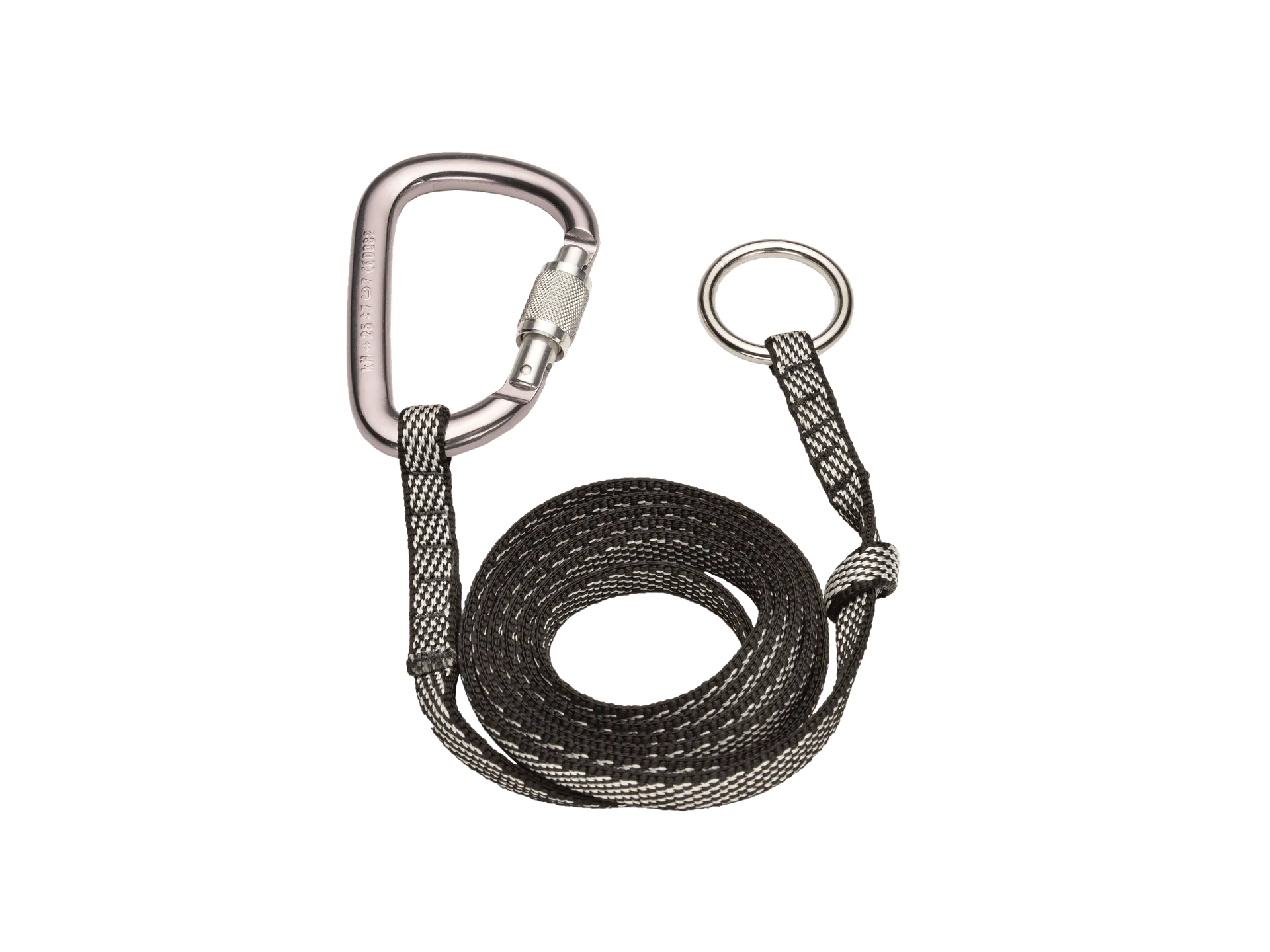
Web Toe
-
Web Toe: The system packs into the side pocket of Astral rescue vests, keeping it accessible without dangling where it could catch on logs. Packing it away protects the strap from snags, but only if it is dry when stowed.
-
Web Toe: Available in Black. A dark strap shows salt residue and dried mud clearly, so a quick visual check after rinsing is worthwhile.
Drying water sandals without trapping moisture
Drying is where most water sandal care goes wrong. The goal is moving air on every surface, especially the strap and hardware.
- Hang or lay the strap open: Spread the tow strap so air reaches both faces of the webbing instead of folding it against itself.
- Leave the carabiner gate unloaded: Dry the hardware in an open position so water does not sit in the gate or locking sleeve.
- Skip the gear bag until fully dry: A closed bag or vest pocket holds humidity. Let the Web Toe air dry completely before it goes back into stowage.
- Keep it out of direct sun for long periods: The supplied record does not specify UV limits, so shade drying is the conservative choice for webbing.
Odor removal: target the strap, not just the sandal
Sandal odor usually comes from moisture and organic matter left in place. Because the Web Toe's tow strap is the component most likely to stay damp after a wet day, odor control starts with thorough rinsing and complete drying of that strap. The product record does not list approved cleaners, so avoid harsh chemicals and test any mild soap on an inconspicuous area first.
If odor persists after rinsing and drying, check whether the strap was stowed damp. Re-rinse, air dry in open air, and inspect the carabiner for trapped grit. Persistent odor in the sandal itself may need a broader cleaning approach than the strap alone.
Long-term habits that protect the Web Toe
- Inspect the webbing each season: Look for fraying, stiffness or embedded sand along the UHMPE strap. The record does not state a replacement interval, so visual checks are your guide.
- Test the locking carabiner before each trip: Confirm the gate and lock move freely after cleaning and storage.
- Store it stowed, not dangling: The side-pocket design exists to prevent snags on logs and similar hazards; honor that when packing.
- Keep a dry-storage spot at home: A ventilated bin or hook away from damp gear prevents the strap from sitting wet between trips.