Quick Answer
Weight loss tea is not a fat burner. A cup of green, oolong, or rooibos tea can support hydration and fit neatly into a calorie-conscious routine, but it cannot replace diet and movement. Judge any blend by its actual ingredients and caffeine content, not by the promise on the label.
What Tea Can Realistically Do in a Weight Loss Routine
Tea earns its place in a weight loss routine as a low-calorie drink that replaces sugary sodas, juices, and cream-heavy coffee drinks. Swapping one 150-calorie beverage for an unsweetened cup of tea is a real, repeatable change. Green tea and oolong tea also contain natural compounds such as polyphenols and catechins, which researchers continue to study. That research interest is not the same as a proven slimming effect, so treat it as a reason to enjoy the cup, not a reason to expect the scale to move on its own.
- Choose unsweetened tea to keep the calorie count near zero.
- Use tea as a replacement drink, not an addition to what you already consume.
- Pick a flavor you actually like, because a routine only works if you repeat it.
How to Read Weight Loss Tea Ingredients
Start with the ingredient list, not the front of the box. A green and oolong base tells you the blend contains traditional tea leaves with caffeine. Rooibos, by contrast, is naturally caffeine free, which matters if you drink tea in the evening or are sensitive to caffeine. Fruit pieces such as papaya, mango, peach, or currants add flavor and aroma, but they also add sugar to the cup, so check whether the blend is already sweetened before you add anything. If a label does not state caffeine content or ingredients clearly, treat that silence as a limitation and ask before buying.
- Green and oolong bases usually mean caffeine; rooibos is naturally caffeine free.
- Fruit and floral additions shape flavor, not fat loss.
- An unclear ingredient list is a reason to skip the product, not a reason to guess.
Detox Tea Myths Worth Retiring
The word detox implies your body needs outside help to clear waste, but your liver and kidneys already handle that job. A tea can support hydration, and that is a genuine benefit, yet no tea flushes fat out of your system. Be equally skeptical of before-and-after photos and of blends marketed with urgency language such as "melt" or "flush." If a product promises rapid results without listing ingredients or caffeine content, you have no way to judge what you are drinking. A better test is simple: can you describe what is in the cup and why you chose it?
- Hydration is a real benefit; fat flushing is not.
- Skip products that hide ingredients or caffeine levels.
- Judge a blend by what you can verify on the label.
Building a Tea Habit That Supports Your Goals
Timing matters more than hype. A caffeinated green or oolong blend fits well in the morning or early afternoon, while a caffeine-free rooibos works for an evening cup that will not interfere with sleep. Keep the tea unsweetened or lightly sweetened, and pair it with your existing plan rather than treating it as a shortcut. If you take medication or have a health condition, talk to your doctor before adding a new herbal blend to your day.
- Morning or early afternoon for caffeinated blends.
- Evening for naturally caffeine-free rooibos.
- Pair tea with your plan instead of replacing meals with it.
Claim vs. Reality: Quick Verdicts
- Claim: Weight loss tea burns fat.: No tea ingredient in the supplied catalog facts is described as burning fat. Green and oolong contain polyphenols and catechins that researchers study, but study interest is not a proven slimming effect. Verdict: false. Enjoy the cup for flavor and hydration, not as a fat burner.
- Claim: Detox tea cleanses your system.: Your body already clears waste on its own. Tea can support hydration, which is a real benefit, but no supplied fact supports a cleansing effect. Verdict: misleading. Reframe the goal as hydration.
- Claim: All weight loss teas are caffeine free.: Green and oolong bases contain caffeine, while rooibos is naturally caffeine free. Some catalog entries, such as Rooibos Ginger Peach, do not list caffeine content, so the answer depends on the specific blend. Verdict: depends on the blend. Check the ingredient list and caffeine statement before buying.
- Claim: You can skip meals and drink tea instead.: No supplied fact supports replacing meals with tea. Tea works as a low-calorie replacement for sugary drinks and as part of an existing plan. Verdict: false. Use tea alongside your plan, not instead of food.
Blends That Fit the Routine
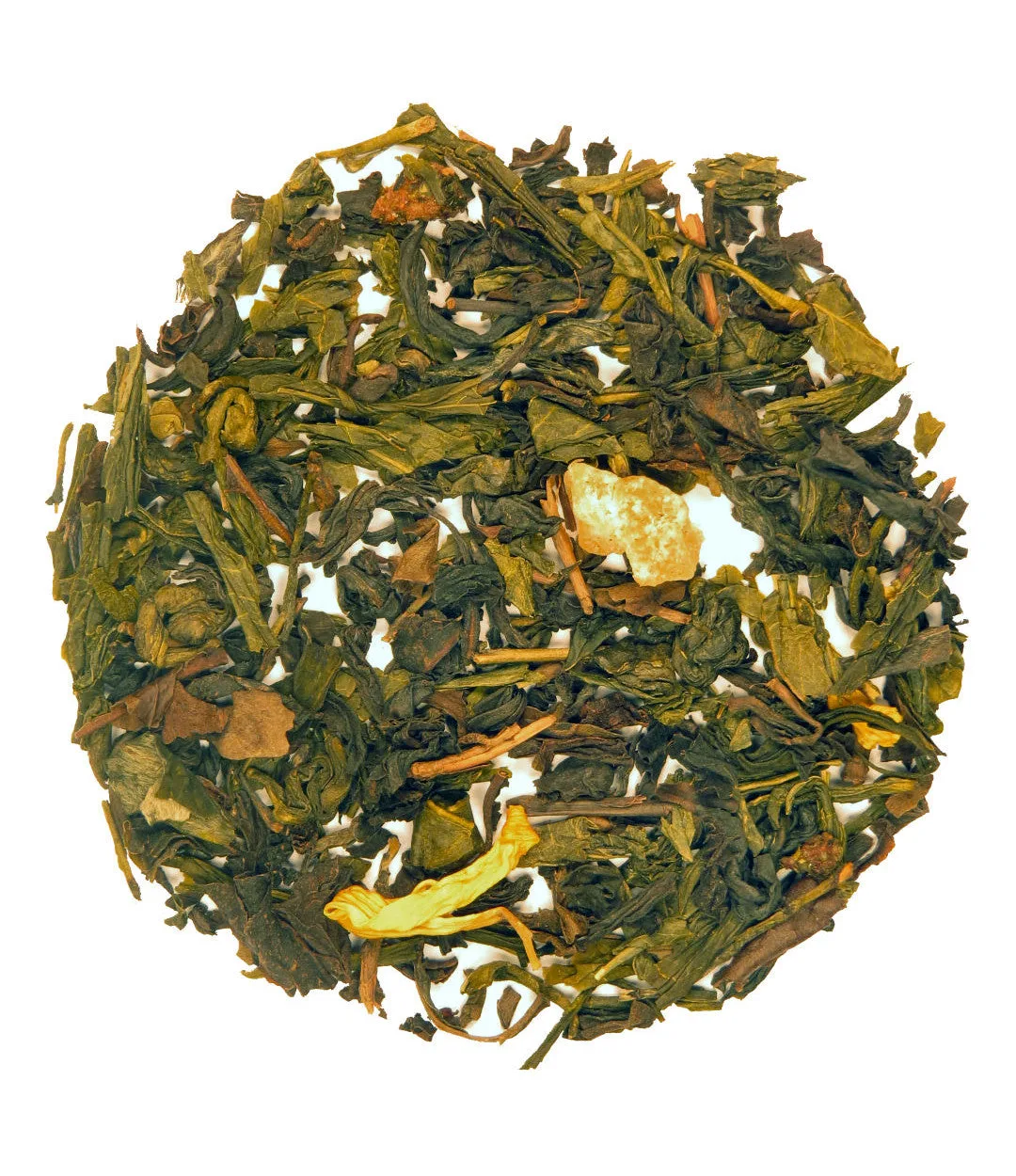
- Weight Loss Tea: A blend of high grade green and oolong tea with sweet papaya and mango bits for a tropical flavor profile. The green and oolong base supplies the traditional tea compounds people associate with wellness routines, while the fruit pieces make an unsweetened cup easier to drink daily.
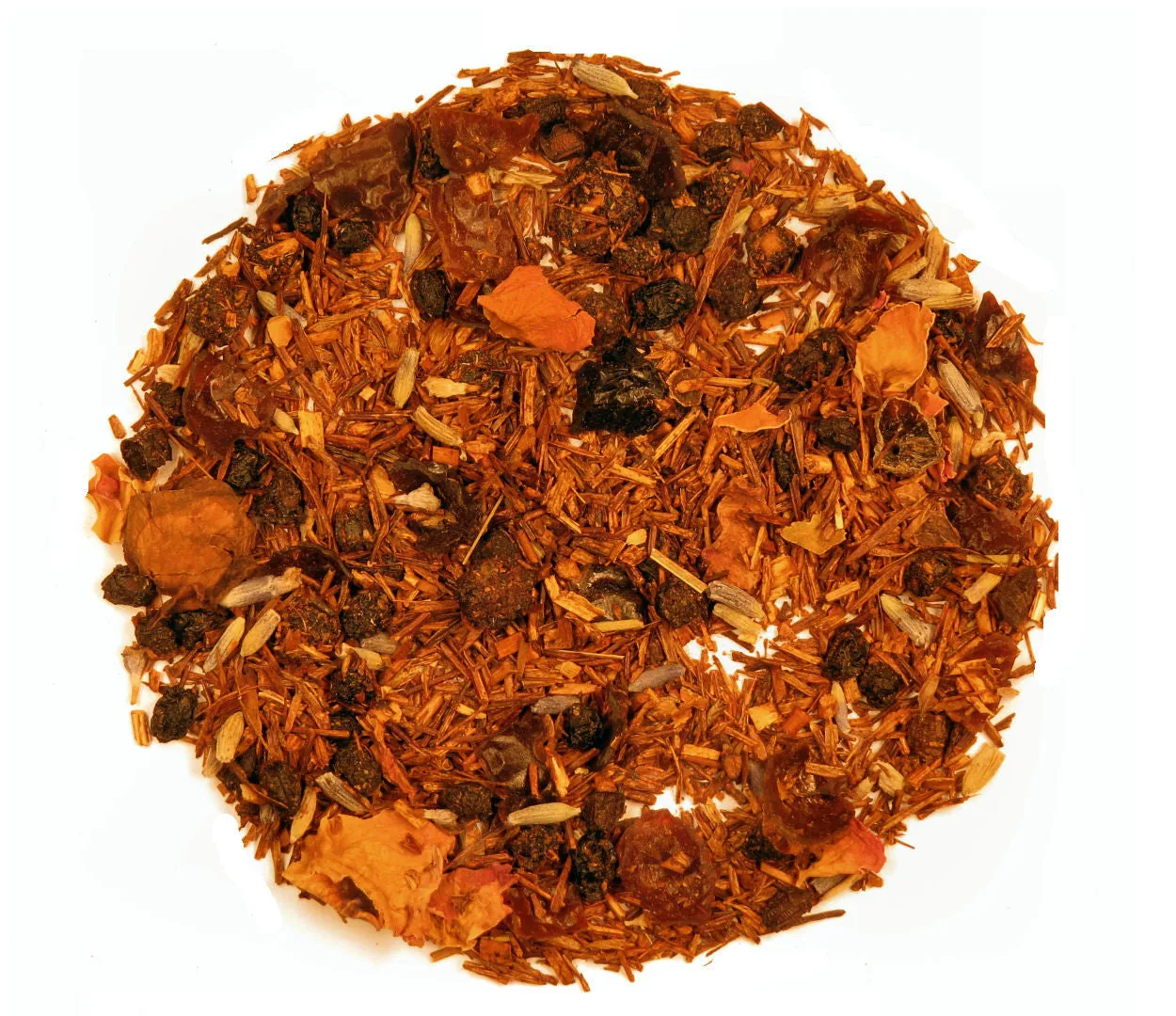
- Rooibos Provence: A top grade herbal rooibos from South Africa with floral notes and fruit undertones, made with rooibos, rosehip shells, dried black currants, rose leaves, lavender, raisins, dried red currants, rose petals, and dried blueberries. Naturally caffeine free. A caffeine-free option for evening cups, so a tea habit does not have to end when your caffeine window closes.
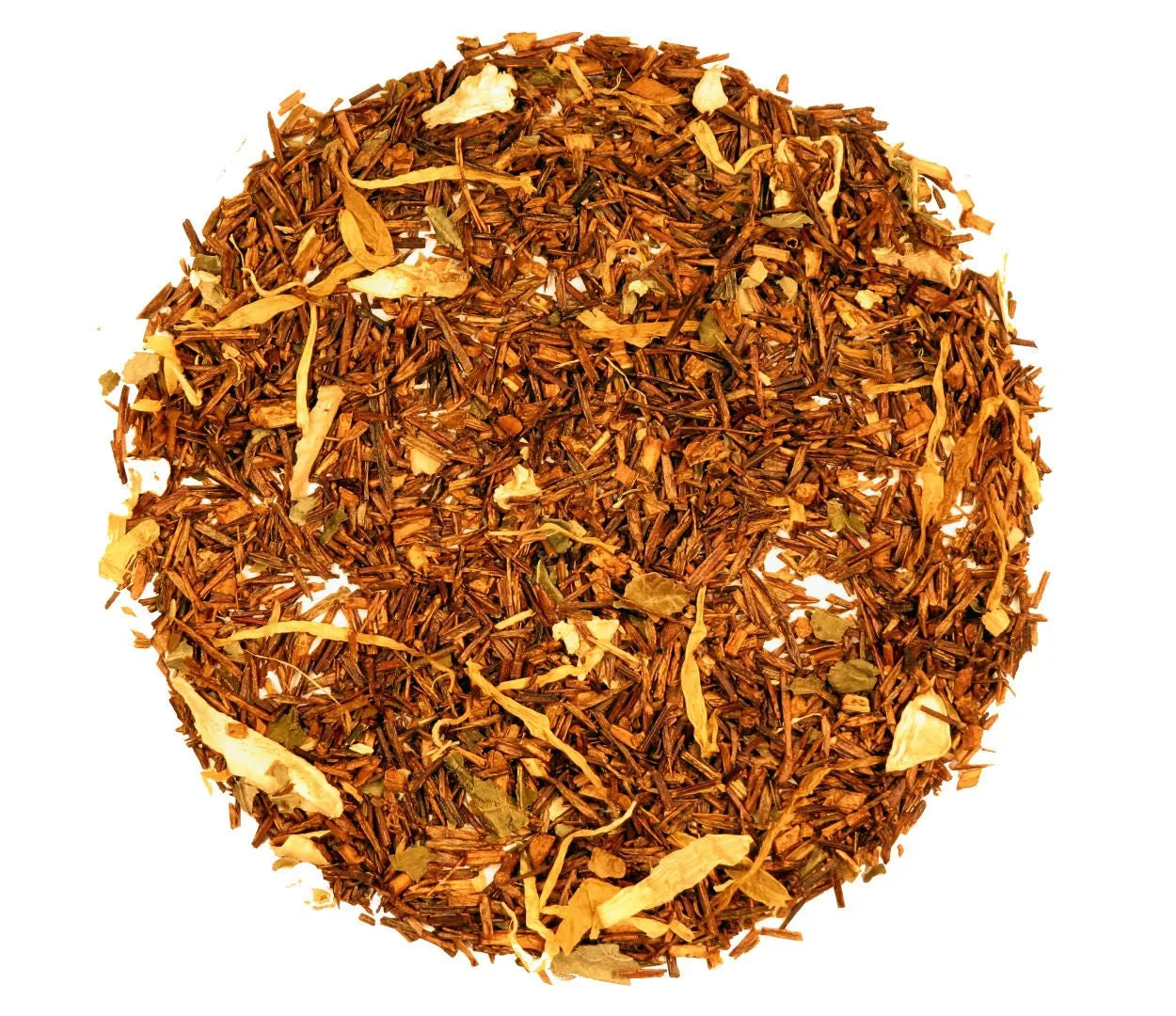
- Rooibos Ginger Peach: Rooibos with sweet peach notes and light ginger, made with rooibos, ginger, calendula petals, blackberry leaves, and natural flavors. Caffeine content is not listed in the catalog entry. The rooibos base suggests a caffeine-free cup, but because the catalog does not state caffeine content, confirm it before relying on this blend for evening drinking.