Quick answer
A weighted shift knob adds mass that smooths the throw and makes gear changes feel more deliberate, while a non-weighted knob feels lighter and more direct. If you want a calmer daily shift, choose weighted. If you prefer a raw, mechanical feel, stay non-weighted. Fitment and material matter as much as weight.
Shift knob weight is one of the few interior changes you feel every time you drive. A heavier knob changes how the lever moves through the gate, while a lighter one keeps the lever feeling quick and unfiltered. Neither is universally better, but they suit different drivers and different gearboxes.
This comparison breaks down what actually changes when you move between a weighted and a non-weighted knob, using real product examples from our catalog so you can match the choice to your car and your daily routine.
What Weight Actually Changes
Adding mass to the top of the shift lever increases inertia. That means the knob keeps moving once you start a shift, which can smooth out notchy engagement and reduce the effort needed to slide into gear. It also dampens some of the vibration and noise that travel up the lever.
A non-weighted knob does the opposite: it lets you feel every detent, every synchro, and every bit of play in the linkage. Enthusiasts who want maximum feedback often prefer this, but on a long commute the same directness can feel busy or tiring.
- Weighted knobs tend to feel calmer and more deliberate.
- Non-weighted knobs tend to feel quicker and more mechanical.
- Neither fixes a worn shifter bushing or misaligned linkage.
Material and Shape Matter as Much as Weight
Two knobs can weigh the same and feel completely different because of material and shape. A metal knob conducts heat and cold, while an Alcantara-wrapped or hoodie-covered knob insulates your hand. A tall, round knob gives you more leverage; a short, contoured knob sits closer to the lever for a different grip.
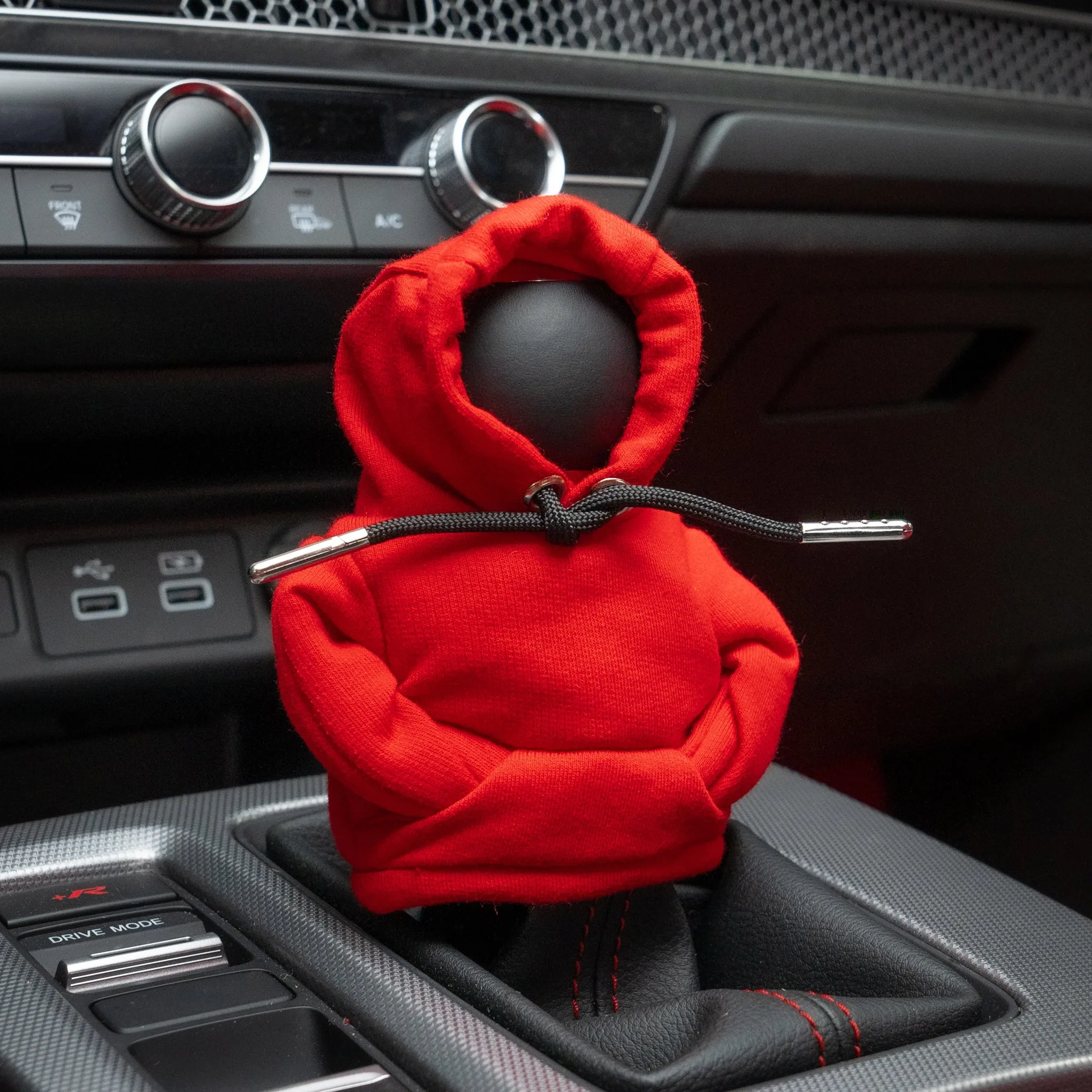
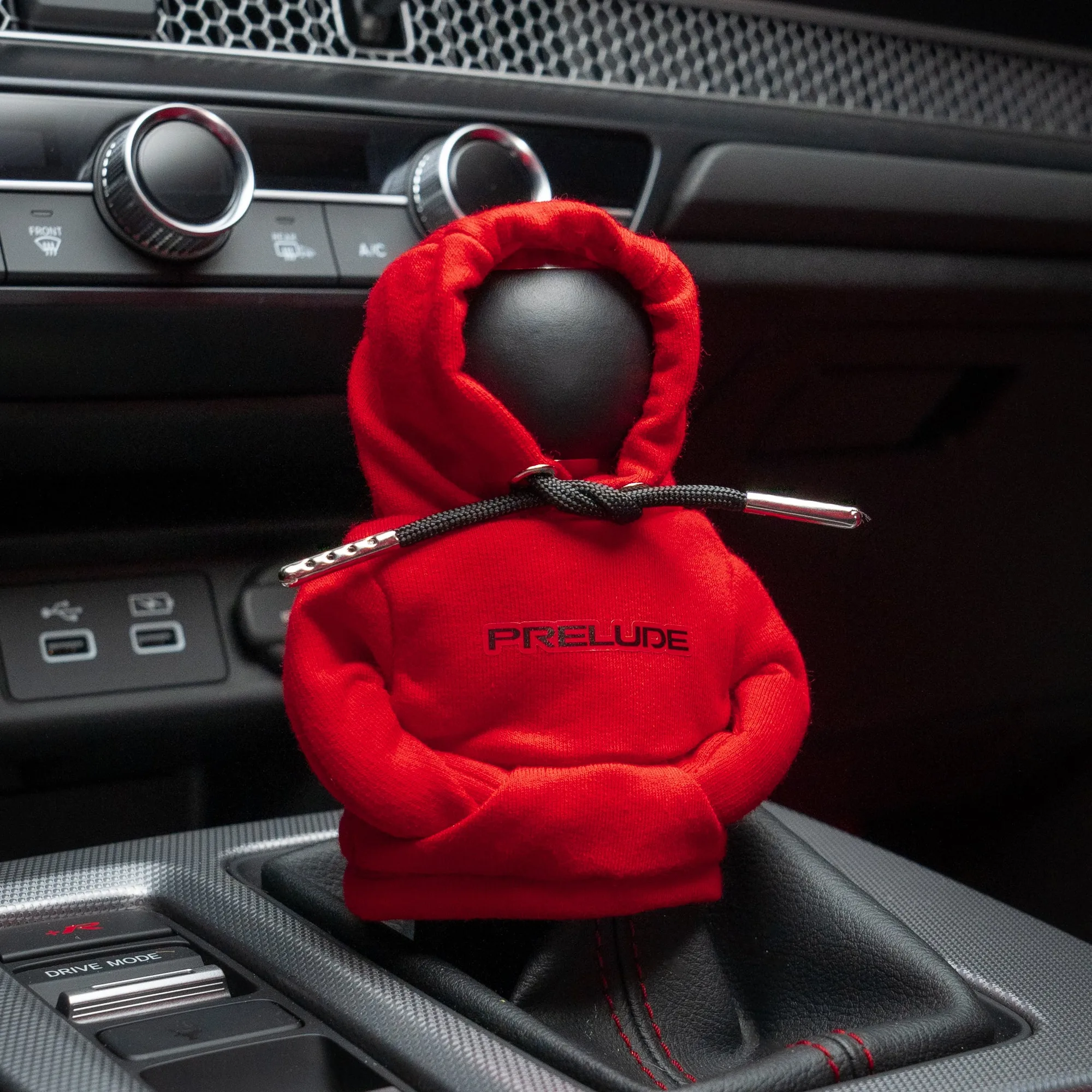
If you drive in extreme heat or cold, the surface you touch may matter more than the grams on a scale. That is why we offer options like the https://billetworkzoi.com/products/shift-knob-hoodie-prelude-8294637e3352d7a6d1c40aec-2706193Shift Knob Hoodie - Prelude, which covers the knob to change both temperature and style without altering the shifter mechanism.
- Metal knobs can get hot in summer and cold in winter.
- Covered knobs change feel and temperature but not shift effort.
- Shape affects leverage more than weight alone.
How to Choose for Your Gearbox
Manual transmissions with cable or rod linkage often respond well to a weighted knob because the extra mass helps carry the lever through the gate. Cars with a shorter shifter or stiff detents can also benefit, since the knob does some of the work for you.
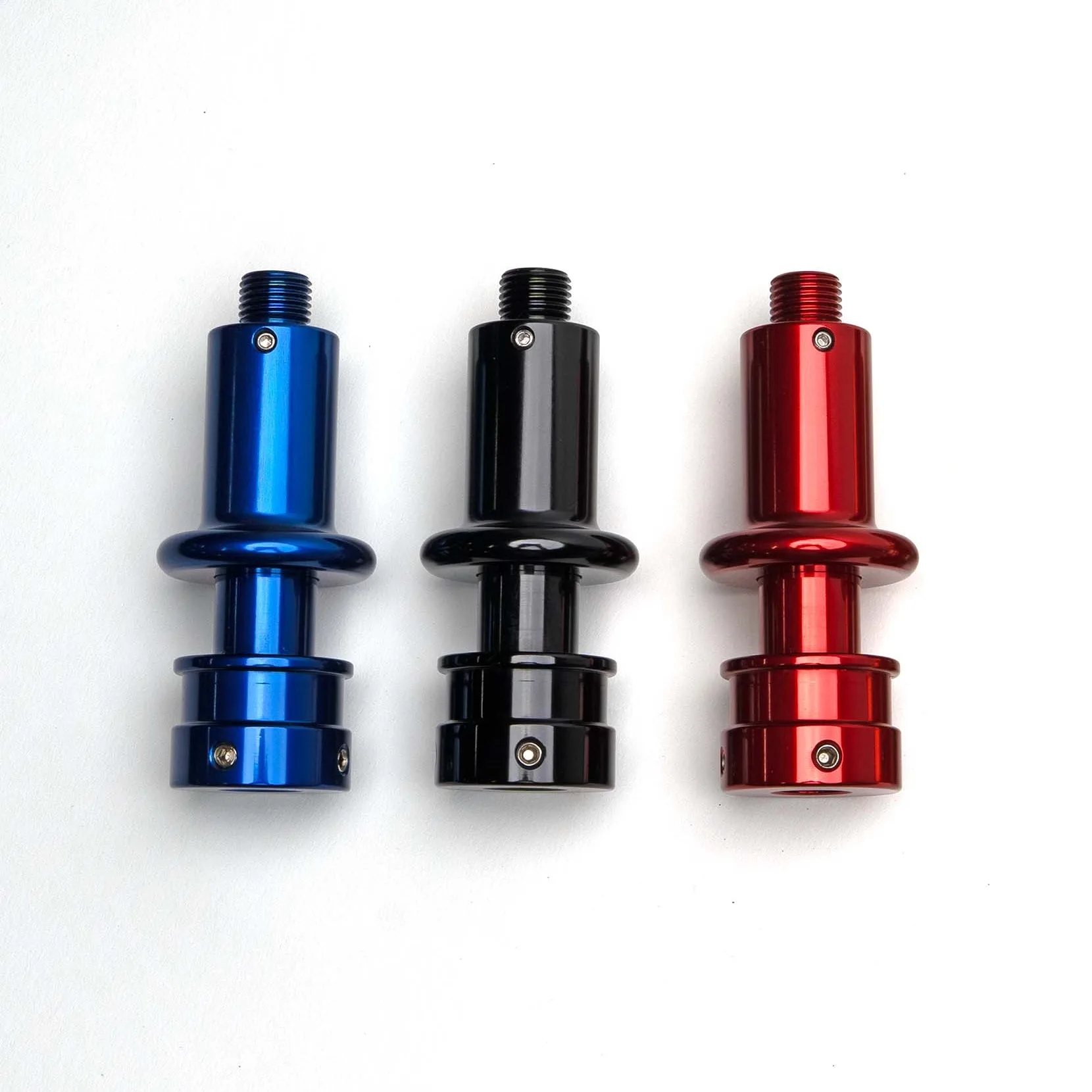
If you drive an automatic or CVT, the equation changes. Many factory automatic shifters use a button or lockout that a standard knob cannot operate. In that case you need an adapter that preserves the lockout function, such as the Billetworkz Automatic CVT Shift Knob Adapter, which replaces the factory button with a spring-loaded pull-up system.
- Manual: weight can smooth notchy engagement.
- Automatic/CVT: confirm lockout compatibility before buying.
- Short shifter: a weighted knob can offset extra effort.
Trade-offs to weigh before you buy
- Shift effort vs. feedback: A weighted knob reduces effort and smooths engagement but filters out some linkage feel. A non-weighted knob preserves every bit of feedback but asks more from your hand. Choose weighted for comfort, non-weighted for connection.
- Temperature and surface: Bare metal knobs transfer heat and cold quickly. Covered or wrapped knobs stay comfortable but add a layer between you and the mechanism. Match the surface to your climate, not just the weight.
- Fitment and lockout: Automatic and CVT cars often need an adapter to keep the lockout working. Manual cars usually accept a wider range of knobs, but thread pitch and adapter requirements still apply. Confirm fitment before comparing weight.
Catalog facts that affect your choice
- Billetworkz Automatic CVT Shift Knob Adapter – Subaru CVT: WRX (15–21), Crosstrek (13–23), Forester (14–18), Impreza (12–23), Legacy/Outback (10–14): Precision CNC-machined aluminum adapter replaces the factory shift knob button with a spring-loaded pull-up lockout system. If you drive a Subaru CVT, this adapter lets you run an aftermarket knob without losing the lockout function you use every day.
- Shift Knob Hoodie - Prelude: Comes in a wide array of colors and patterns and covers the shift knob to change temperature and style. A hoodie is the cheapest way to test whether a covered knob feels better in your climate before committing to a different knob weight.
- Billetworkz Alcantara Kit (Ultimate): Shift Knob, Shift Boot, E-Brake Boot Kit, and Door Pull Straps (2 Sets) - Subaru WRX 2022+: Includes a performance-weighted Fusion Alcantara Shift Knob along with matching Alcantara touchpoints. If you want a weighted knob plus a cohesive interior, this kit covers the knob and the surrounding trim in one purchase.
Which should you choose?
Best for
- Daily drivers who want smoother, lower-effort shifts
- Manual cars with notchy engagement or a short shifter
- Drivers who want a cohesive interior upgrade, like the Alcantara Kit
Not for
- Drivers who want maximum mechanical feedback
- Automatic or CVT owners who have not confirmed lockout compatibility
- Anyone trying to fix a worn shifter bushing with weight alone
Weight is a preference, not a ranking. Pick a weighted knob if you want a calmer daily shift, stay non-weighted if you value raw feedback, and always confirm fitment and lockout before you buy. The right knob is the one that matches your gearbox and your routine.