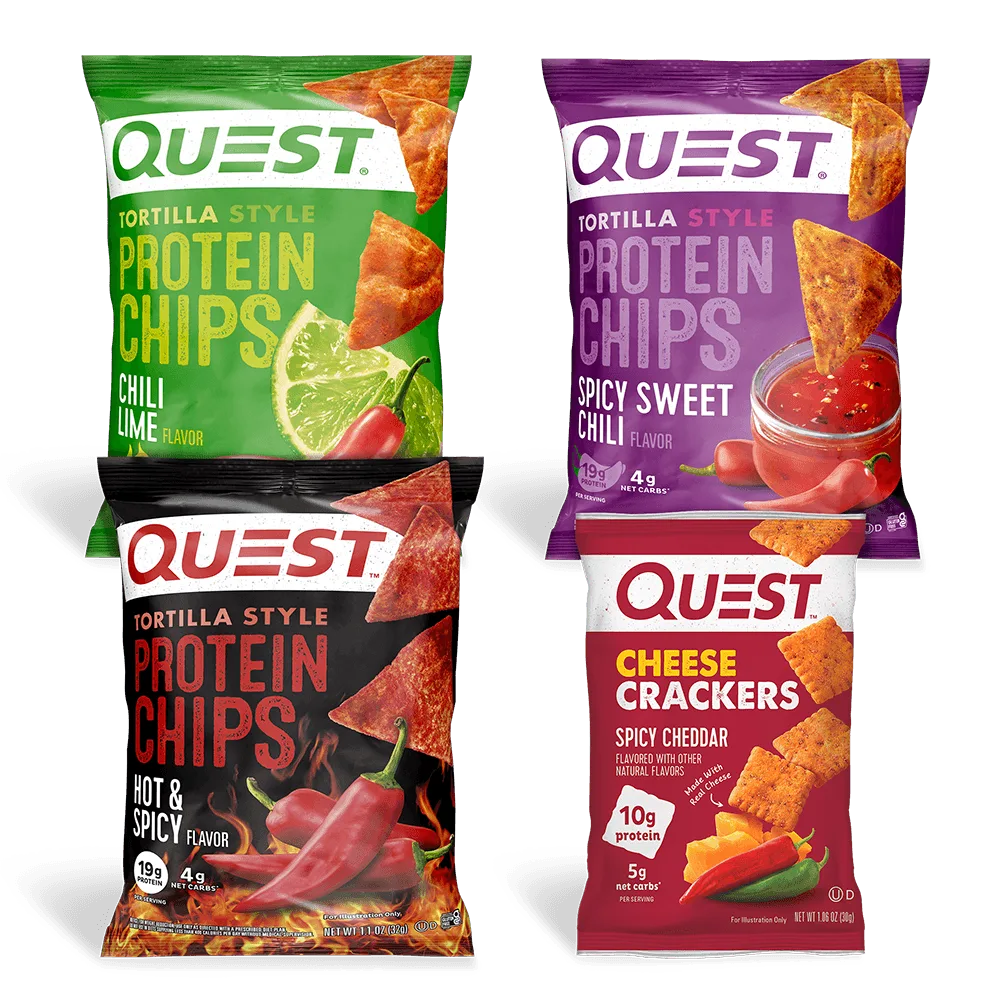
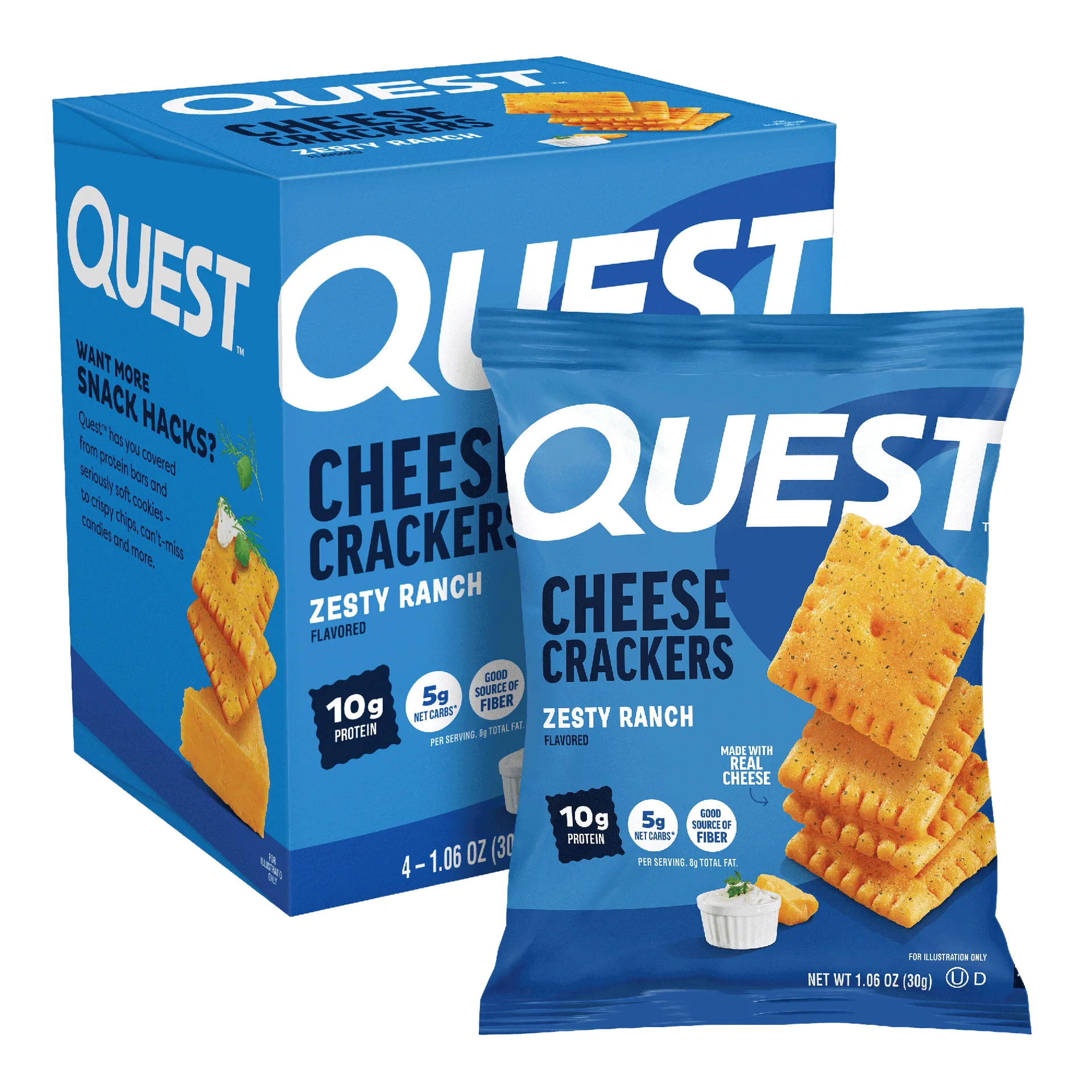
Cheese crackers have been a beloved snack for decades, offering a satisfying crunch and savory flavor. But if you're health-conscious or following a high-protein diet, you might wonder: what are cheese crackers made of, and are they good for you? Traditional cheese crackers often pack refined flours, unhealthy fats, and minimal protein. That's where high-protein innovations, like Quest's offerings, change the game. In this deep dive, we'll break down the typical ingredients in cheese crackers, compare them to high-protein options, and highlight how products like Cheddar Blast Cheese Crackers are redefining the snack aisle.
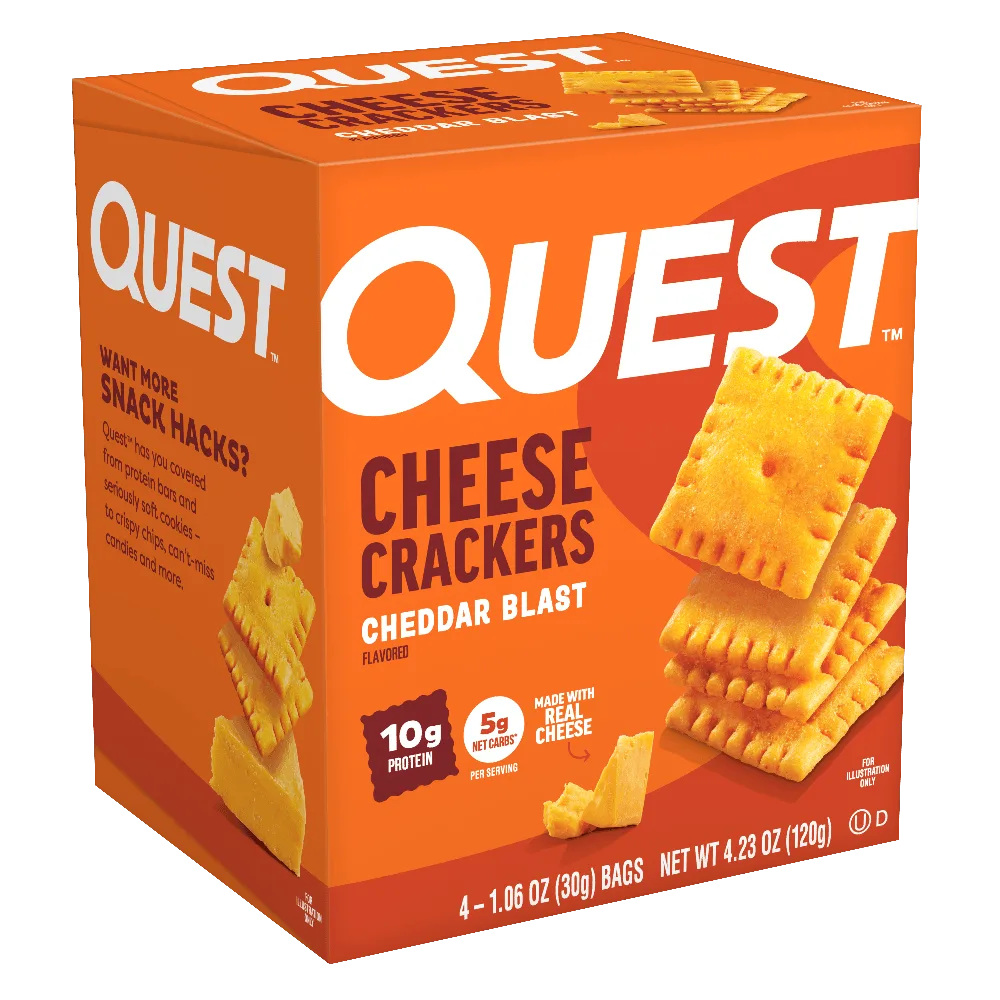
Cheddar Blast Cheese Crackers
What Are Cheese Crackers Typically Made Of?
To understand the nutritional landscape, let's first examine the classic ingredients found in most standard cheese crackers. The basic formula includes:
- Enriched wheat flour – refined flour with added vitamins, but low in fiber and protein.
- Cheese (real or powdered) – typically cheddar or a blend, adds flavor and some calcium.
- Vegetable oils – such as soybean or palm oil, often high in omega-6 fats.
- Salt, sugar, and preservatives – for taste and shelf stability.
While these ingredients create a tasty treat, they fall short in nutritional value. A standard serving (about 30 grams) of traditional cheese crackers contains roughly 140–160 calories, 7–9 grams of fat, 15–18 grams of carbohydrates, and only 2–3 grams of protein. For anyone looking to build muscle, manage weight, or maintain steady energy, that low protein content is a missed opportunity.
The Rise of High-Protein Cheese Crackers
As consumers become more label-savvy, the demand for high-protein cheese crackers has skyrocketed. These snacks swap out refined grains and low-quality fats for protein-rich ingredients like whey protein isolate, pea protein, or milk protein concentrate. They also often incorporate almond flour or oats for better fiber and texture, while using natural cheese powders for authentic taste.
Quest Nutrition has been at the forefront of this shift. Their Cheddar Blast Cheese Crackers are a prime example: each serving delivers 20 grams of protein from whey protein isolate, with only 4 grams of net carbs and 0 grams of sugar. That's a massive upgrade from the 2–3 grams of protein in conventional crackers.
Key Ingredients in Quest Cheddar Blast Cheese Crackers
Cheddar Blast Cheese Crackers
Let's open the box and dissect the ingredient list of Quest's high-protein cheese crackers:
- Protein blend – whey protein isolate and milk protein isolate provide a complete amino acid profile.
- Almond flour – adds healthy fats, fiber, and a nutty undertone.
- Cheese powder – real cheddar cheese for bold flavor without artificial additives.
- Vegetable oils – high-oleic sunflower oil (heart-healthy monounsaturated fat).
- Psyllium husk – a fiber source that supports digestion and texture.
- Seasonings and enzymes – natural flavors and leavening agents.
This ingredient lineup means you're not just getting empty crunch — you're fueling your body with quality protein, healthy fats, and fiber. For those tracking macros, a single 44-gram bag of Cheddar Blast Cheese Crackers offers 20g protein, 7g fat (mostly unsaturated), 16g total carbs, and 4g net carbs. It's a snack that supports muscle repair, satiety, and stable blood sugar.
How Do Quest Cheese Crackers Compare to Traditional Brands?
To help you see the difference at a glance, here's a side-by-side nutritional comparison (per 1-ounce serving):
Nutrient
Traditional Cheese Crackers
Quest Cheddar Blast Cheese Crackers
Calories
150
140
Protein
3g
20g
Total Fat
7g
7g
Carbohydrates
18g
16g
Fiber
1g
12g
Sugar
2g
0g
The protein difference is staggering — 20 grams versus 3 grams. Plus, Quest's version has more than 10x the fiber, which keeps you fuller longer and supports digestive health. For anyone serious about fitness or clean eating, the choice is clear.
Why Protein Matters in Your Snack Choices
Protein is the building block of muscle, and it also plays a key role in appetite control. When you eat a snack with high protein, your body releases satiety hormones that help you feel full and satisfied for hours. This can prevent overeating later in the day. Traditional cheese crackers, with their low protein and high refined carbs, often lead to a blood sugar spike followed by a crash — leaving you hungry and reaching for more.
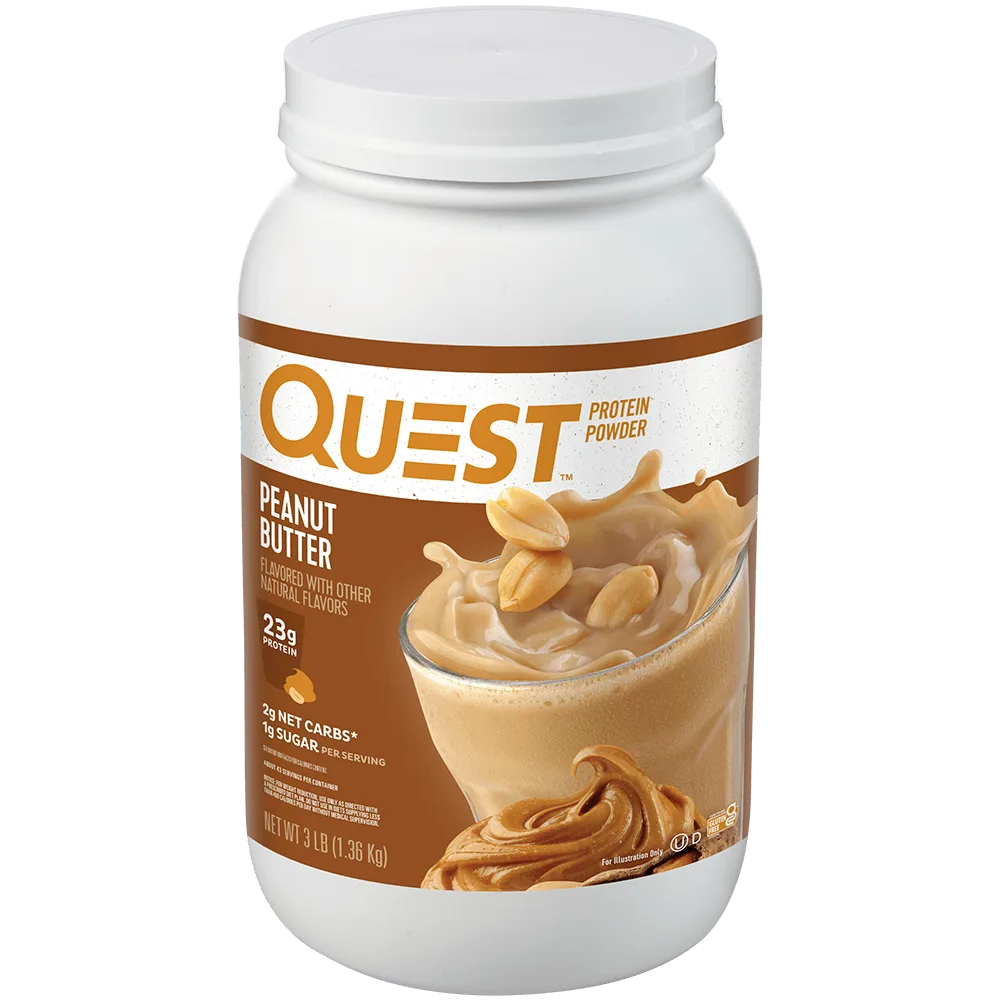
By choosing high-protein options like Quest cheese crackers, you stabilize your energy and support your fitness goals. They're ideal for post-workout recovery, midday cravings, or even as a crunchy topping for soups and salads. You can also pair them with other high-protein snacks, such as Peanut Butter Protein Powder mixed into a dip, or a Chocolate Protein Shake for a complete, muscle-fueling combo.
Are There Any Downsides to High-Protein Cheese Crackers?
While high-protein cheese crackers are nutritionally superior for most people, a few considerations are worth noting:
- Calorie density – they are still a processed snack, so portion control matters. Stick to one serving (one bag) per sitting.
- Fiber adjustment – if you're not used to 12 grams of fiber per serving, start with a smaller portion to avoid digestive discomfort.
- Cost – premium protein snacks are typically more expensive than conventional crackers, but the nutritional value often justifies the price.
Overall, the benefits far outweigh the drawbacks for those seeking a satisfying, protein-packed snack.
How to Incorporate Cheese Crackers into a Balanced Diet
Wondering how to enjoy these crackers beyond straight out of the bag? Here are a few ideas:
- Crunchy salad topper – crush them over a Caesar or garden salad for extra texture and flavor.
- Protein-packed lunch addition – pair with turkey slices, cheese, and apple slices for a balanced meal.
- Dip companion – use with guacamole, hummus, or a Greek yogurt-based ranch dip. For an extra protein boost, stir in a scoop of Peanut Butter Protein Powder into your dip.
- Post-workout snack – enjoy a bag immediately after exercise to kickstart muscle recovery.
Final Thoughts on High-Protein Cheese Crackers
Cheese crackers don't have to be a guilty pleasure. With innovations in food technology, you can now enjoy the same crunchy, cheesy satisfaction while fueling your body with 20 grams of protein per serving. Knowing what cheese crackers are made of — especially when you choose high-protein alternatives — empowers you to make smarter snack choices that align with your health and fitness journey.
Ready to upgrade your snack game? Explore the Cheddar Blast Cheese Crackers today and taste the difference that real ingredients and high-quality protein can make.